Living in a Tokyo sharehouse as an international resident brings unique challenges that become magnified during times of illness, transforming what might be minor inconveniences into serious concerns that can significantly impact your health outcomes and recovery process. The importance of hospital access extends far beyond simple proximity considerations, encompassing language barriers, insurance complexities, transportation limitations, and the fundamental need for quality medical care when you’re most vulnerable and potentially isolated from familiar support systems.
The reality of falling ill while living in shared accommodation in a foreign country reveals how critical healthcare accessibility becomes to your overall well-being and peace of mind. Understanding these challenges before they arise enables better preparation and decision-making that can literally make the difference between swift recovery and prolonged suffering, particularly when dealing with emergency situations or chronic conditions that require ongoing medical attention.
The Unique Healthcare Challenges of Sharehouse Living
Sharehouse residents face distinctive healthcare challenges that differ significantly from those encountered by individuals with permanent housing arrangements or strong local support networks. The transient nature of many sharehouse communities means that during illness, you may find yourself without the familiar support systems that residents in more stable living situations typically rely upon during medical emergencies.
Understanding how illness spreads faster in sharehouses becomes particularly relevant when considering how quickly health issues can escalate in crowded living conditions. The shared spaces, common facilities, and close proximity to other residents create environments where minor illnesses can rapidly develop into more serious conditions requiring professional medical attention.
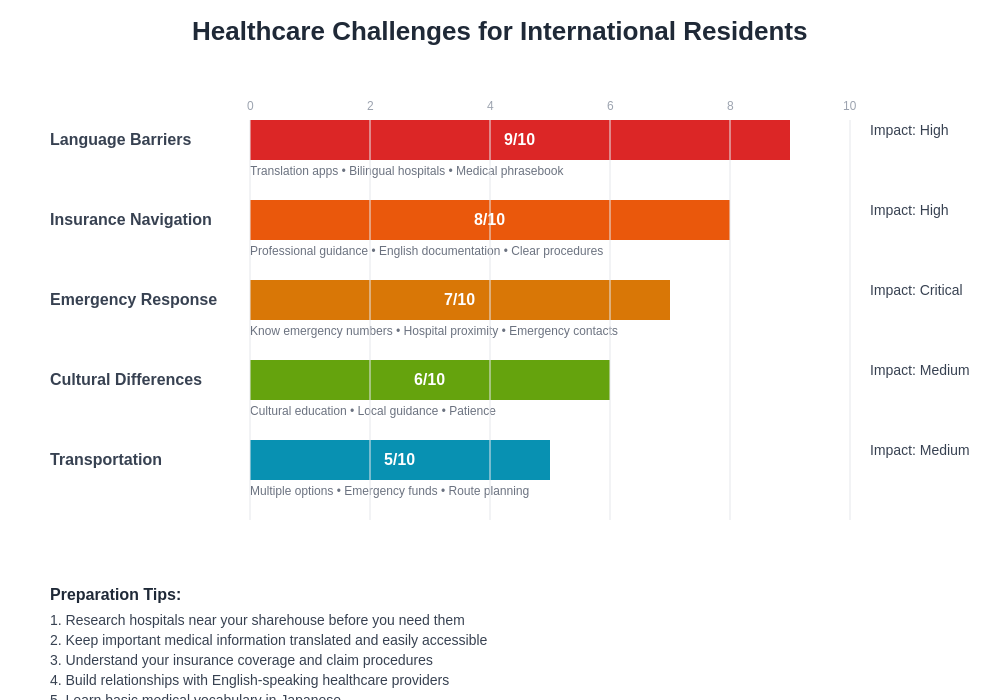
The language barrier represents one of the most significant obstacles when seeking medical care in Japan, particularly during emergency situations when clear communication becomes critical for proper diagnosis and treatment. International residents often struggle to articulate symptoms accurately, understand medical terminology, or comprehend treatment instructions, making proximity to hospitals with English-speaking staff or translation services essential for effective healthcare delivery.
Financial considerations also become more complex for sharehouse residents, who may have limited insurance coverage, unclear billing procedures, or insufficient funds to cover unexpected medical expenses. How health insurance is required for sharehouse residents provides important context for understanding the insurance landscape, but the practical application during actual medical emergencies often reveals gaps in coverage or understanding that can create additional stress during already difficult situations.
Emergency Response and Time-Critical Situations
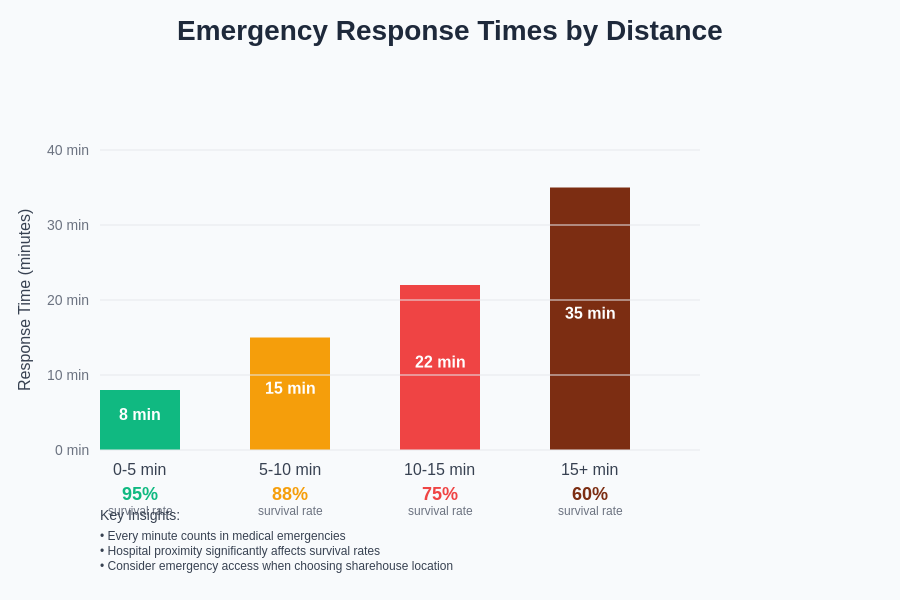
Medical emergencies demand immediate response times that can be compromised by poor hospital access, inadequate transportation options, or unfamiliarity with local emergency services procedures. The golden hour concept in emergency medicine becomes particularly relevant for sharehouse residents who may face delays in recognizing serious symptoms, navigating emergency services, or reaching appropriate medical facilities.
Cardiac events, strokes, severe allergic reactions, and trauma injuries require immediate professional intervention that cannot be delayed by transportation issues or hospital location challenges. Understanding how emergency medical situations are handled in sharehouse contexts reveals the importance of advance planning and knowledge of local emergency services protocols.
The isolation factor during medical emergencies becomes amplified for international residents who may not have immediate family or close friends available to provide assistance, advocate for their needs, or help navigate complex medical systems. This isolation makes hospital accessibility even more critical, as professional medical staff become the primary source of both medical care and essential communication during critical health situations.
Mental health emergencies present unique challenges that require specialized facilities and culturally sensitive care approaches that may not be available at all medical facilities. Mental health support varies in sharehouses contexts, making access to appropriate psychiatric or psychological services a crucial consideration for overall healthcare planning.
Chronic Condition Management and Ongoing Care
Residents with chronic medical conditions face ongoing challenges that extend beyond emergency situations, requiring regular medical monitoring, prescription refills, and specialist consultations that demand reliable hospital access and continuity of care. The management of conditions such as diabetes, hypertension, asthma, or autoimmune disorders becomes more complex when living in temporary or shared housing arrangements.
Prescription medication management presents particular challenges for international residents who may face difficulties with insurance coverage, prescription transfers, or finding equivalent medications in the Japanese healthcare system. How prescription storage requires extra security becomes relevant when considering the practical aspects of medication management in shared living environments.
Specialist referrals and appointment scheduling often require navigation of complex healthcare systems that can be challenging for residents without strong Japanese language skills or familiarity with medical procedures. The process of finding appropriate specialists, understanding referral requirements, and maintaining continuity of care across different healthcare providers requires significant planning and hospital system knowledge.
Regular health monitoring and preventive care become more challenging when hospital access is limited, potentially leading to delayed diagnosis of developing conditions or inadequate management of existing health issues. The importance of establishing relationships with local healthcare providers early in your residency cannot be overstated for maintaining optimal health outcomes.
Transportation and Geographic Considerations
Hospital proximity takes on increased significance when transportation options are limited, particularly during off-peak hours when public transportation frequency decreases or when weather conditions make travel challenging. How late night transportation limits social life parallels the challenges faced during medical emergencies that occur outside normal business hours.
The cost implications of emergency transportation, whether through ambulance services or taxi transportation, can create financial barriers to accessing necessary medical care. Understanding the differences between emergency ambulance protocols and private transportation options becomes essential for making informed decisions during medical situations.
Geographic barriers extend beyond simple distance considerations to include factors such as terrain accessibility, weather-related transportation disruptions, and the availability of accessible facilities for residents with mobility challenges. How transportation accessibility affects housing choices provides broader context for understanding how location decisions impact healthcare access.
The reliability of various transportation methods during different times of day, weather conditions, and emergency situations requires careful consideration when evaluating sharehouse locations. Public transportation delays, service interruptions, or route changes can significantly impact your ability to reach medical facilities when time-sensitive care is needed.
Language Barriers and Communication Challenges
Medical communication requires precision and clarity that becomes exponentially more challenging when language barriers exist between patients and healthcare providers. The ability to accurately describe symptoms, understand treatment instructions, and provide informed consent for medical procedures depends heavily on effective communication that may be compromised in cross-cultural healthcare settings.
Technical medical terminology presents particular challenges even for residents with conversational Japanese skills, as medical vocabulary often includes specialized terms that aren’t commonly used in daily conversation. The stress and discomfort associated with illness can further impair communication abilities, making language barriers even more problematic during actual medical encounters.
How translation apps help daily interactions provides some solutions, but the limitations of technology-based translation become apparent in medical contexts where nuanced communication about symptoms, pain levels, and treatment preferences requires more sophisticated language skills than basic translation apps can provide.
The importance of finding healthcare facilities with multilingual staff or professional medical translation services cannot be overstated for international residents who may face serious communication challenges during medical care. Some hospitals in Tokyo maintain dedicated international patient services that can significantly improve the healthcare experience for foreign residents.
Insurance Navigation and Financial Planning
Healthcare costs in Japan can be substantial, particularly for residents without comprehensive insurance coverage or those facing emergency situations that require immediate intervention regardless of financial considerations. Understanding how living in sharehouses affects your taxes provides some context for financial planning, but medical expenses often fall outside normal budgetary considerations.
Insurance claim procedures, coverage limitations, and payment processes can be complex and time-consuming, particularly for international residents unfamiliar with Japanese healthcare administration. The stress of managing insurance paperwork while dealing with illness adds an additional burden that can impact recovery and overall well-being.
Emergency financial planning for medical expenses becomes crucial for sharehouse residents who may have limited savings or financial support systems. Understanding payment options, insurance coverage gaps, and potential financial assistance programs can help prevent medical debt from creating long-term financial hardship.
The relationship between visa status and healthcare access creates additional complications for some international residents, particularly those on temporary visas or those experiencing changes in employment status that might affect insurance coverage. How visa status affects your sharehouse application touches on some of these administrative challenges.
Building Healthcare Support Networks
Developing relationships with healthcare providers, understanding local medical resources, and building support networks becomes essential for international residents living in sharehouses. The process of finding trustworthy healthcare providers, establishing medical history records, and creating emergency contact systems requires proactive planning and community engagement.
Making friends through Tokyo sharehouse communities can provide valuable support during medical situations, as fellow residents may offer assistance with transportation, translation, or emotional support during challenging health situations. However, relying solely on housemate assistance for medical needs creates potential vulnerabilities that professional healthcare access helps mitigate.
Understanding local pharmacy locations, after-hours medical services, and emergency contact procedures becomes essential knowledge for maintaining health security while living in shared housing arrangements. How emergency contact systems work in practice provides insights into establishing reliable communication systems for medical emergencies.
Community health resources, including public health services, preventive care programs, and mental health support services, offer additional layers of healthcare support that complement hospital access and can help prevent minor health issues from developing into serious medical problems requiring emergency intervention.
Preventive Care and Health Maintenance
Regular health maintenance and preventive care become more challenging but also more important for residents living in shared environments where illness transmission risks are elevated. Access to routine medical services such as annual check-ups, vaccinations, and health screenings requires reliable healthcare provider relationships and convenient hospital access.
How air quality concerns affect daily decisions and other environmental health factors in sharehouse living can impact overall health outcomes, making regular medical monitoring and preventive care even more important for maintaining optimal health while living in potentially challenging environments.
The stress associated with shared living arrangements, cultural adaptation, and language barriers can impact immune system function and overall health resilience, making access to both physical and mental health services crucial for maintaining well-being. Regular medical check-ups can help identify stress-related health issues before they develop into more serious conditions.
Vaccination requirements, health screening obligations, and preventive care recommendations may vary for international residents, making access to knowledgeable healthcare providers essential for understanding and meeting health maintenance requirements while living in Japan.
Emergency Preparedness and Planning
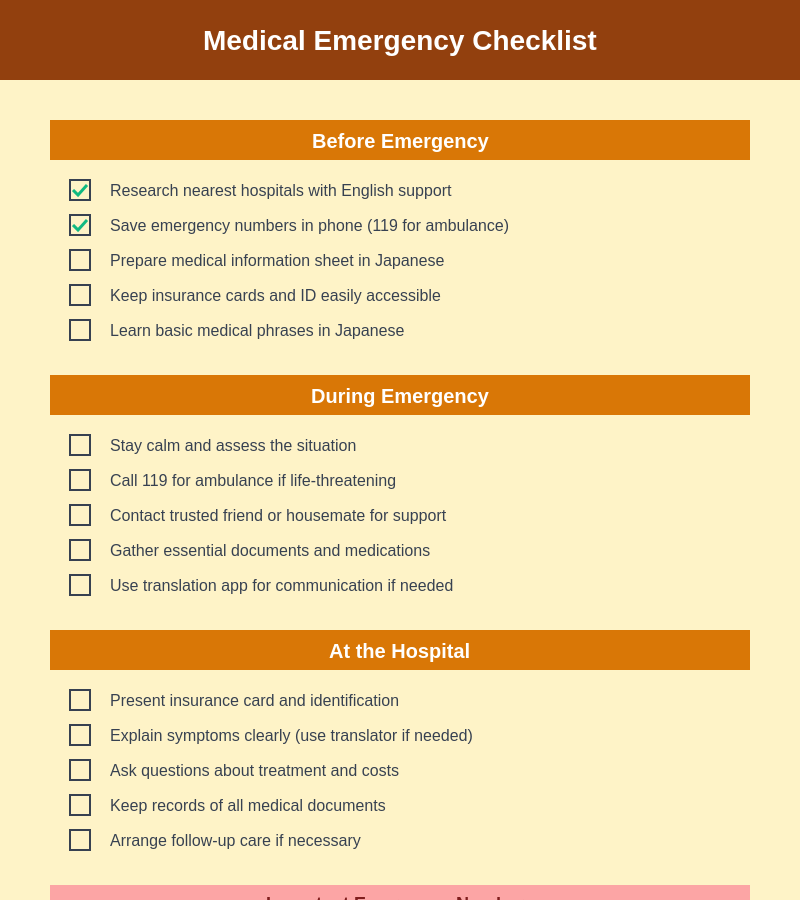
Developing comprehensive emergency medical plans becomes essential for sharehouse residents who may face unique challenges during health crises. These plans should include identification of nearby hospitals, understanding of emergency service procedures, preparation of medical information documents, and establishment of emergency contact systems.
How emergency communication plans often fail highlights the importance of redundant communication systems and clear protocols for medical emergencies. Having multiple contact methods, emergency information readily accessible, and clear procedures for different types of medical situations can significantly improve outcomes during actual emergencies.
Medical information preparation, including medication lists, allergy information, medical history summaries, and insurance documentation, should be organized and accessible in both Japanese and English to facilitate effective communication with emergency responders and hospital staff during crisis situations.
Understanding the differences between various types of medical facilities, emergency room procedures, and specialist referral systems helps residents make informed decisions about where to seek care for different types of medical situations, potentially saving valuable time during emergencies.
The importance of hospital access during illness extends far beyond simple convenience considerations to encompass fundamental aspects of health security, emergency preparedness, and quality of life for international residents living in Tokyo sharehouses. Understanding these challenges and planning accordingly can make the difference between effective healthcare delivery and potentially dangerous delays in medical care when you need it most.
Disclaimer
This article is for informational purposes only and does not constitute professional medical advice. Healthcare needs and emergency procedures can vary significantly based on individual circumstances, medical conditions, and specific locations. Readers should consult with qualified healthcare professionals and familiarize themselves with local emergency services for their specific situation. The author assumes no responsibility for medical decisions made based on this information.