The close-proximity living arrangements inherent to sharehouse environments create unique challenges for maintaining health and preventing illness transmission among residents. Understanding the scientific and practical factors that contribute to faster disease spread in shared accommodation helps residents make informed decisions about hygiene practices, living arrangements, and health protection strategies that can significantly reduce infection risks while maintaining the social benefits of community living.
The concentration of multiple individuals from diverse backgrounds, health statuses, and hygiene practices within confined spaces creates an environment where pathogens can easily transfer between residents through multiple transmission pathways. These conditions, combined with shared facilities and frequent social interactions, establish perfect conditions for rapid illness spread that can affect entire house communities within days of initial exposure.
Fundamental Transmission Mechanisms in Shared Spaces
Airborne transmission represents the primary pathway for illness spread in sharehouse environments, where respiratory droplets from infected residents can remain suspended in indoor air for extended periods and travel throughout interconnected living spaces. The shared ventilation systems common in many Tokyo sharehouses can inadvertently distribute contaminated air particles across multiple rooms, bathrooms, and common areas, creating exposure opportunities for residents who may never directly interact with infected individuals.
Surface contamination through high-touch areas such as door handles, light switches, kitchen appliances, and bathroom fixtures creates secondary transmission routes that persist long after infected residents have used these facilities. Understanding how cleaning responsibilities create house drama highlights how inadequate maintenance of these critical hygiene points can significantly increase infection risks throughout the community.
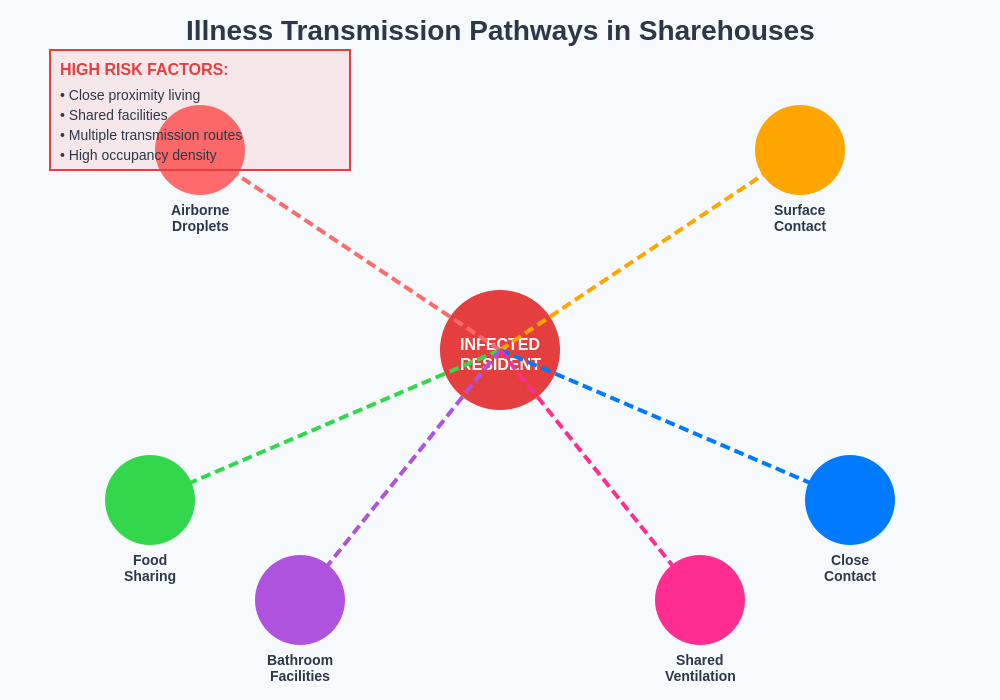
Close contact transmission occurs naturally through the social interactions that make sharehouse living appealing, including shared meals, movie nights, conversation areas, and collaborative activities that bring residents within the critical distance for direct pathogen transfer. The informal and friendly atmosphere that characterizes successful sharehouse communities can inadvertently facilitate rapid disease spread when residents maintain normal social patterns despite early illness symptoms.
Structural and Environmental Contributing Factors
Building design characteristics significantly influence illness transmission rates, with older converted buildings often lacking adequate ventilation systems that could help dilute and remove contaminated air from living spaces. Many sharehouses operate in repurposed residential or commercial buildings where ventilation was designed for different occupancy patterns and may not provide sufficient air exchange rates for current resident densities.
Room proximity and layout configurations create varying levels of exposure risk, with residents living adjacent to or sharing walls with infected individuals facing higher transmission probabilities through shared air circulation, plumbing systems, and acoustic transfer points. How air quality problems develop in crowded spaces explores how building characteristics can compound health risks in densely occupied environments.
Humidity and temperature control limitations in many sharehouses create environmental conditions that favor pathogen survival and transmission, particularly during Tokyo’s humid summer months and cold winter periods when indoor air quality can deteriorate significantly. Poor climate control can also weaken residents’ immune responses while simultaneously creating optimal conditions for viral and bacterial persistence on surfaces and in air.
Shared plumbing and waste management systems can facilitate transmission of gastrointestinal illnesses and other waterborne pathogens, especially in older buildings where maintenance may be inconsistent or where multiple residents place simultaneous demands on aging infrastructure systems.
Demographic and Behavioral Risk Amplifiers
International resident populations often arrive with limited immunity to local disease strains, creating heightened susceptibility to infections that may be routine for long-term Tokyo residents. Living with Japanese roommates in Tokyo sharehouses discusses how cultural differences in health practices can affect community-wide illness prevention efforts.
Student populations face additional risk factors including irregular sleep schedules, academic stress, limited nutritional resources, and frequent exposure to campus environments where illness transmission rates are typically elevated. Student sharehouses near top Tokyo universities highlights how academic communities can become focal points for disease outbreaks that then spread to surrounding residential areas.
Young adult demographics common in sharehouses often exhibit risk-taking behaviors including delayed medical care, continued social activities despite symptoms, and inconsistent hygiene practices that can accelerate transmission rates and extend outbreak duration within house communities.
Cultural differences in illness reporting and symptom management can create situations where infected residents continue normal activities while contagious, either due to different cultural norms around illness behavior or communication barriers that prevent effective health status updates among housemates.
Kitchen and Food-Related Transmission Vectors
Shared kitchen facilities represent high-risk environments where multiple transmission pathways converge, including contaminated food preparation surfaces, shared cooking utensils, communal refrigerator storage, and simultaneous food preparation activities that create numerous opportunities for cross-contamination between residents.
Food sharing practices common in sharehouse communities can rapidly distribute foodborne illnesses throughout the entire resident population, particularly when cultural differences in food safety practices create inconsistent hygiene standards among individuals preparing communal meals. How food storage rules impact your eating habits examines how storage practices affect community health outcomes.
Dish washing and cleaning protocols often become sources of ongoing contamination when residents have different standards for cleanliness or when shared washing facilities cannot adequately sanitize items used by multiple individuals throughout the day. Why some residents never clean their dishes explores how inconsistent cleaning practices create persistent health risks.
Refrigerator and pantry sharing can facilitate transmission through contaminated containers, expired food items, and cross-contamination between different residents’ food supplies, particularly when proper labeling and storage protocols are not consistently followed by all community members.
Bathroom and Personal Hygiene Challenges
Shared bathroom facilities create intimate exposure environments where residents encounter bodily fluids, aerosols, and surface contamination from multiple individuals on a daily basis. Morning bathroom queues are inevitable in sharehouses discusses how peak usage periods can intensify exposure risks through increased surface contamination and reduced cleaning intervals.
Personal hygiene item sharing, whether intentional or accidental, can transmit various infections including bacterial, viral, and fungal conditions that may not be immediately apparent to residents but can persist and spread throughout the community over time.
Ventilation inadequacies in bathroom spaces can allow contaminated air to circulate back into living areas or remain concentrated in confined spaces where multiple residents are exposed to accumulated pathogens from previous users throughout the day.
Cleaning supply sharing and inconsistent sanitization practices mean that bathroom surfaces may harbor pathogens for extended periods, with some residents potentially creating contamination while others remain unaware of their exposure risks during routine facility use.
Sleep and Rest Area Considerations
Bedroom proximity in sharehouses can facilitate airborne transmission during sleep periods when residents spend 6-8 hours in close proximity with potentially infected neighbors, breathing shared air through walls, doorways, and ventilation connections that may not adequately filter or isolate contaminated air between living spaces.
Shared linens, towels, or cleaning supplies used in bedroom areas can harbor pathogens for days or weeks, creating ongoing transmission risks when residents unknowingly use contaminated items or when cleaning protocols fail to adequately sanitize these personal-use materials.
Sleep deprivation common among international residents adjusting to new environments, work schedules, or academic demands can significantly compromise immune system function, making individuals more susceptible to infections and reducing their ability to fight off illnesses before they become contagious to others.
Guest policies and overnight visitors can introduce new pathogens to the house community while also increasing occupancy density beyond designed levels, creating additional transmission opportunities and reducing the effectiveness of established hygiene protocols among regular residents.
Economic and Healthcare Access Factors
Limited healthcare access or insurance coverage may prevent residents from seeking timely medical treatment, leading to prolonged infectious periods where individuals continue living in close proximity to healthy housemates while remaining contagious for extended periods.
How much Tokyo sharehouses really cost per month often leaves residents with limited budgets for healthcare, medications, or quality nutrition that could help prevent illness or reduce transmission duration when infections do occur.
Employment obligations and financial pressures may force residents to continue working or attending classes while symptomatic, increasing external exposure risks while also preventing adequate rest and recovery that could reduce their contagious period and transmission risk to housemates.
Language barriers can prevent international residents from accessing appropriate healthcare resources or understanding public health guidance, leading to inadequate treatment that prolongs illness duration and increases transmission risk within the sharehouse community.
Prevention Strategies and Risk Mitigation
Establishing clear communication protocols for illness reporting allows residents to make informed decisions about exposure risks and implement appropriate protective measures when housemates develop symptoms or receive positive test results for contagious conditions.
Implementing enhanced cleaning schedules for high-touch surfaces, shared facilities, and common areas can significantly reduce transmission risks, particularly when protocols include appropriate disinfectants and frequency standards that account for multiple daily users and varying hygiene practices among residents.
Personal hygiene education and cultural sensitivity training can help international residents understand local health practices while ensuring that all community members maintain consistent standards that protect everyone’s health and wellbeing throughout their residence period.
Making friends through Tokyo sharehouse communities can be balanced with health protection through outdoor activities, well-ventilated spaces, and social distancing practices during peak illness seasons or when community members are experiencing symptoms.
Creating isolation protocols for symptomatic residents, including temporary housing arrangements, meal delivery systems, and modified bathroom schedules, can help contain transmission while ensuring that ill residents receive appropriate care and support during recovery periods.
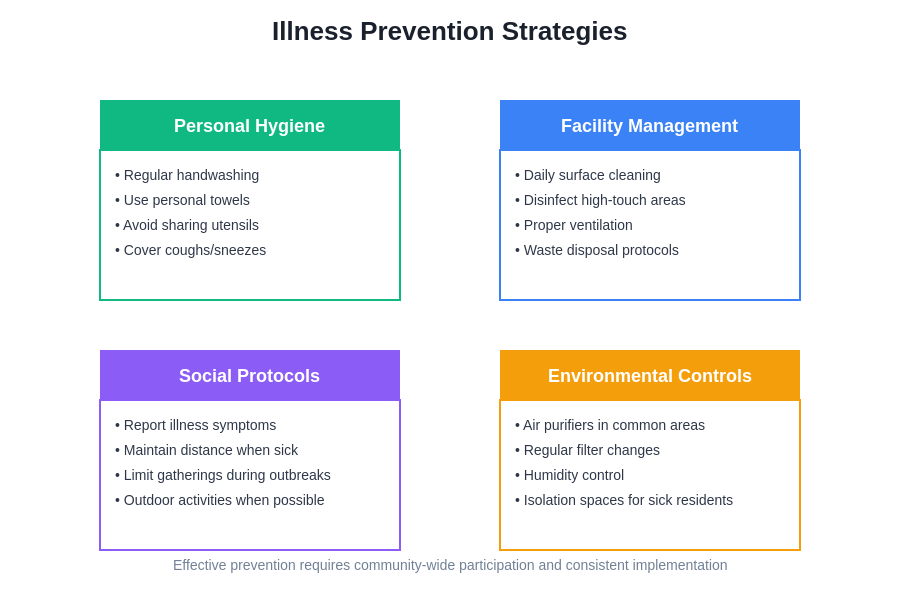
Ventilation improvements such as air purifiers, fan systems, or window opening schedules can help reduce airborne transmission risks, particularly during winter months when natural ventilation may be limited due to weather conditions and heating requirements.
Long-term Health Community Management
Regular health check-ins and wellness monitoring can help identify illness symptoms before they become severe enough to create significant transmission risks, allowing for early intervention and protective measures that benefit the entire house community.
Building relationships with local healthcare providers and understanding emergency medical procedures ensures that residents can access appropriate care quickly when needed, reducing both individual health risks and community transmission potential through faster treatment and recovery.
Seasonal preparation strategies including vaccination programs, vitamin supplementation, and enhanced hygiene protocols during peak illness periods can help reduce overall community susceptibility and create more resilient house environments throughout the year.
Understanding utility bills in Japanese sharehouses should include considerations for increased heating, ventilation, and hot water usage during illness prevention periods, as these utilities play crucial roles in maintaining healthy living environments.
Emergency planning for significant illness outbreaks ensures that house communities can respond effectively to serious health situations while maintaining support systems for affected residents and protective measures for healthy community members during challenging periods.
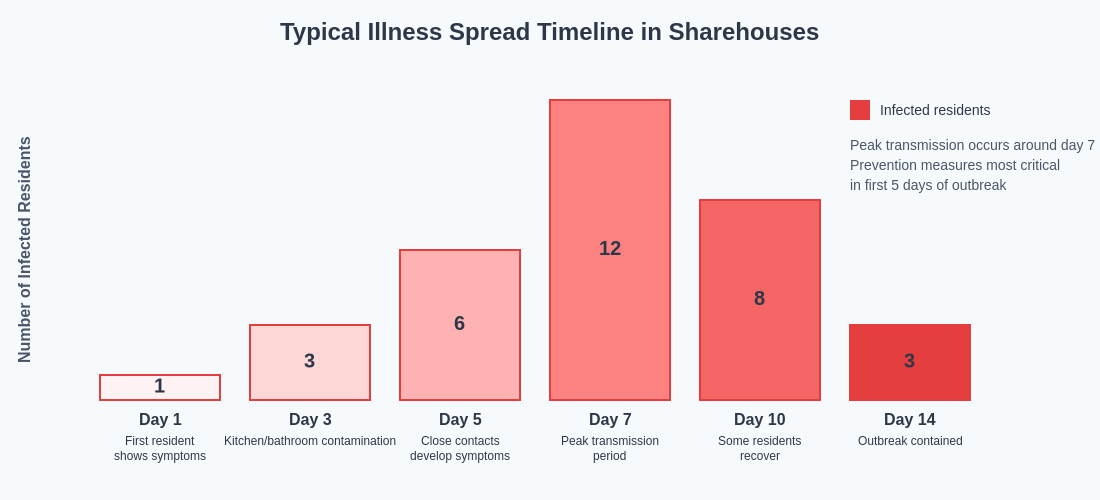
The reality of faster illness transmission in sharehouses reflects the inherent trade-offs between social connection and health risks that characterize shared living environments. Understanding these factors empowers residents to make informed decisions about prevention strategies while maintaining the community benefits that make sharehouse living an attractive option for international residents in Tokyo.
Disclaimer
This article is for informational purposes only and does not constitute medical advice. Residents should consult healthcare professionals for specific health concerns and follow official public health guidelines. The information provided reflects general principles of disease transmission and prevention but should not replace professional medical guidance or official health recommendations from relevant authorities.