The concept of independence represents one of the most fundamentally misunderstood aspects of international sharehouse living in Tokyo, where residents from dozens of different countries bring vastly different interpretations of what it means to be truly independent. These divergent perspectives create both fascinating cultural exchanges and unexpected sources of tension within shared living environments, as individuals navigate between their deeply held beliefs about autonomy and the collaborative reality of communal living.
Understanding these varied interpretations of independence becomes crucial for anyone seeking to thrive in Tokyo’s multicultural sharehouse communities, where success depends not just on respecting differences but on appreciating how these different approaches to autonomy can actually strengthen the overall living experience for everyone involved.
Cultural Foundations of Independence
The cultural roots of independence run deeper than most residents initially recognize, shaped by centuries of social structures, economic systems, and family traditions that vary dramatically across different societies. Living with Japanese roommates in Tokyo sharehouses often reveals these fundamental differences as residents discover that their assumptions about personal autonomy may not align with those of their housemates from other cultural backgrounds.
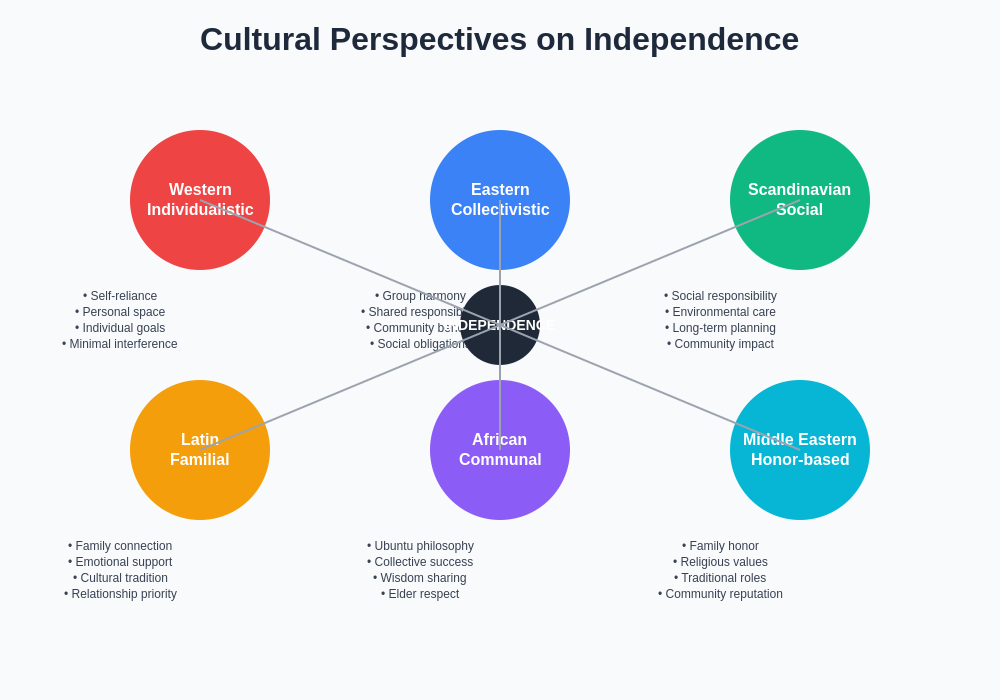
Western individualistic societies typically emphasize self-reliance, personal achievement, and the ability to make decisions without external input as core components of independence. This perspective often translates into expectations of minimal interference from roommates, clear boundaries around personal space and belongings, and the freedom to pursue individual goals without considering group harmony or collective decision-making processes.
Eastern collectivistic cultures frequently define independence through the lens of contributing to group welfare while maintaining personal dignity and fulfilling social obligations. In these contexts, true independence might mean successfully balancing individual needs with community responsibilities, demonstrating reliability in shared commitments, and achieving personal goals in ways that enhance rather than detract from group cohesion.
Scandinavian concepts of independence often emphasize social responsibility alongside personal freedom, where being truly independent means having the security and stability to make choices that benefit both oneself and society. This perspective frequently surprises residents from other backgrounds when Scandinavian housemates demonstrate independence through careful resource management, environmental consciousness, and long-term planning that considers community impact.
Age and Life Stage Influences
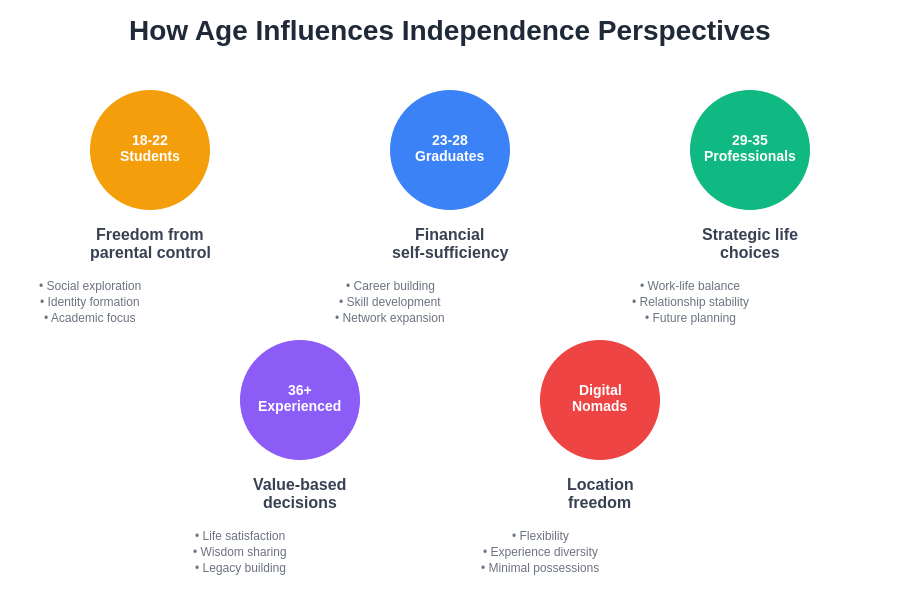
The relationship between age and independence perceptions creates another layer of complexity in sharehouse dynamics, as residents at different life stages bring fundamentally different priorities and definitions of what autonomous living should accomplish. Student sharehouses near top Tokyo universities demonstrate how young adults often view independence as freedom from parental oversight and the opportunity to experiment with different lifestyle choices without immediate consequences.
Recent university graduates typically associate independence with financial self-sufficiency and career advancement, viewing sharehouse living as a temporary stepping stone toward traditional apartment living or homeownership. Their focus on building professional networks, accumulating savings, and establishing credit history influences how they approach shared responsibilities and long-term commitments within the house community.
Mid-career professionals often redefine independence as the ability to make strategic life choices based on personal values rather than external expectations or financial limitations. Why career advancement may require moving out explores how these residents balance sharehouse benefits with professional image concerns and changing lifestyle requirements.
Older residents and digital nomads frequently embrace independence as freedom from conventional social structures and material possessions, viewing sharehouse living as an intentional choice that supports their preferred lifestyle rather than a temporary accommodation solution. Their perspectives on independence often challenge younger residents’ assumptions about success markers and traditional life progression patterns.
Economic Perspectives on Autonomy
Financial independence definitions vary dramatically among sharehouse residents, influenced by their economic backgrounds, career expectations, and cultural attitudes toward money management and financial security. Living costs in Tokyo sharehouses explained reveals how different economic perspectives affect everything from utility usage to group purchase decisions and social activity participation.
Residents from wealthy backgrounds often view independence as having the freedom to make choices without financial constraints, leading to frustration when house policies limit their ability to upgrade amenities or when budget-conscious housemates resist proposals for premium services or expensive group activities. Their independence might be measured by their ability to maintain their accustomed lifestyle standards regardless of shared living limitations.
Budget-conscious residents frequently define independence as successfully managing their finances to achieve long-term goals while maintaining current lifestyle quality. For these residents, sharehouse living represents smart financial planning rather than economic necessity, and their independence is demonstrated through careful budgeting, strategic spending, and the ability to save money while still enjoying Tokyo’s opportunities.
Students and entry-level workers often associate independence with gradually reducing reliance on family financial support while building their own economic foundation. How student budgets require different strategies examines how these residents navigate the tension between financial limitations and desire for autonomous decision-making in shared living environments.
Entrepreneurs and freelancers typically view financial independence as freedom from traditional employment structures, though this can create unique challenges in sharehouses where irregular income affects their ability to commit to long-term contracts or participate in group financial obligations consistently.
Social Independence Variations
The social dimensions of independence create some of the most complex dynamics in sharehouse living, as residents balance their need for personal autonomy with the inherent social nature of shared living arrangements. Making friends through Tokyo sharehouse communities highlights how different approaches to social independence can either enhance or complicate relationship building within house communities.
Introverted residents often define social independence as having the right to privacy, quiet spaces, and control over their social interactions without pressure to participate in group activities or maintain constant friendly relationships with housemates. Their independence is demonstrated through their ability to engage socially on their own terms while respecting others’ needs for connection and community.
Extroverted residents may view social independence as the freedom to initiate activities, invite friends over, and create vibrant social atmospheres that reflect their personality and cultural background. Dating while living in Tokyo sharehouses explores how these residents navigate the balance between personal relationship freedom and house community considerations.
Culturally traditional residents often approach social independence through maintaining connections to their cultural identity while adapting to multicultural living environments. Their independence involves successfully preserving important cultural practices and values while demonstrating respect for and openness to other cultural approaches to social interaction and community building.
Digital natives frequently demonstrate social independence through their ability to maintain extensive online social networks while creating meaningful in-person connections within their sharehouse community. Their perspective on independence often includes freedom to blend virtual and physical social interactions in ways that may seem unusual to residents from different generational backgrounds.
Professional Identity and Independence
Career-related independence definitions significantly influence how residents approach their sharehouse experience, particularly regarding work-life balance, professional networking, and image management within their industry sectors. Why some employers discriminate against sharehouse addresses examines how professional independence concerns affect housing choices and resident behavior.
Creative professionals often define independence through their ability to pursue artistic or innovative work without compromising their vision for commercial or social acceptance. These residents may view sharehouse living as providing the financial freedom and creative stimulation necessary to develop their craft while building networks of like-minded individuals who support unconventional career paths.
Corporate employees frequently associate professional independence with career advancement opportunities, skill development, and building industry reputation. Why some industries view sharehouse living negatively reveals how these residents navigate potential conflicts between their housing choice and professional image requirements.
Entrepreneurs and startup founders typically view professional independence as freedom from traditional employment structures and the ability to build their own business vision without external interference. Their approach to sharehouse living often reflects their startup mindset, seeking efficiency, networking opportunities, and flexibility to pivot quickly as business needs change.
Academic researchers and graduate students often define professional independence as the ability to pursue knowledge and research without commercial pressure or political interference. How academic pressure varies by nationality explores how these residents balance intellectual freedom with practical considerations of funding, publishing, and career advancement.
Gender and Independence Interpretations
Gender-based perspectives on independence create additional layers of complexity in sharehouse dynamics, influenced by cultural gender roles, personal experiences, and societal expectations that vary significantly across different cultural backgrounds and generational cohorts. Why gender-specific sharehouses have different rules examines how these perspectives affect house policies and resident interactions.
Women from traditional societies may define independence as successfully navigating cultural expectations while pursuing personal goals that might challenge family or community traditions. Their sharehouse experience often represents a significant step toward autonomy while requiring careful balance between personal freedom and cultural respect that maintains important family relationships.
Men from cultures emphasizing traditional masculinity might associate independence with financial provision abilities, leadership roles, and protective responsibilities that can create tension in egalitarian sharehouse environments where shared responsibilities don’t align with their cultural conditioning about gender-appropriate independence demonstrations.
Non-binary and LGBTQ+ residents often define independence through their ability to express authentic identity without fear of discrimination or social rejection. Why LGBTQ-friendly policies matter beyond acceptance reveals how these residents seek living environments that support their independence to live authentically while building supportive community connections.
Feminist-identified residents frequently view independence as freedom from patriarchal structures and expectations, seeking living arrangements that support equality, mutual respect, and shared decision-making processes that don’t perpetuate traditional gender hierarchies or power imbalances.
Religious and Spiritual Independence
Spiritual and religious perspectives on independence add another dimension to sharehouse living, as residents navigate between personal faith practices and multicultural community considerations. These perspectives often influence daily routines, dietary choices, social interactions, and house rule preferences in ways that other residents might not initially understand or anticipate.
Secular residents typically define spiritual independence as freedom from religious influence or pressure to conform to faith-based practices. They may view independence as the right to make ethical and lifestyle choices based on personal reasoning rather than religious doctrine, while respecting others’ right to practice their faith privately.
Religious residents often associate independence with the freedom to practice their faith authentically while fulfilling their spiritual obligations and community responsibilities. Why religious considerations affect daily routines explores how these residents balance personal faith requirements with shared living compromises.
Spiritual seekers frequently view independence as freedom to explore various philosophical and spiritual traditions without commitment to specific doctrines or community expectations. Their approach to sharehouse living often reflects their openness to learning from diverse perspectives while maintaining autonomy to develop personal spiritual understanding.
Cultural-religious residents may define independence through their ability to maintain important cultural-religious traditions while adapting to multicultural environments that may not understand or support their specific practices. Their independence involves successfully preserving essential cultural identity while demonstrating flexibility and respect for other cultural approaches.
Practical Independence in Daily Living
The daily practical aspects of independence in sharehouse living reveal how abstract philosophical differences translate into concrete challenges and opportunities for growth, learning, and mutual understanding among residents from diverse backgrounds. Japanese sharehouse rules every foreigner should know demonstrates how different independence perspectives affect adherence to house policies and community standards.
Kitchen independence interpretations range from residents who view cooking and meal planning as deeply personal activities requiring minimal interference to those who see food preparation as natural community-building opportunities that enhance rather than compromise personal autonomy. These differences affect everything from refrigerator organization to cooking schedule coordination and shared meal participation expectations.
Cleaning independence perspectives vary from residents who define autonomy through meticulous personal space maintenance and minimal reliance on others for cleanliness standards to those who view shared cleaning as collaborative responsibility that demonstrates community commitment while maintaining personal standards. Why some residents never clean their dishes examines how these differences create ongoing tension and resolution opportunities.
Financial independence in daily operations includes different approaches to utility usage, shared purchase participation, and expense sharing that reflect broader cultural attitudes toward individual versus collective responsibility. Some residents demonstrate independence through careful individual resource management, while others express autonomy through generous community contribution that enhances everyone’s living quality.
Social independence in daily interactions encompasses different comfort levels with house meeting participation, conflict resolution involvement, and community activity engagement that reflect personal boundaries around privacy, social energy, and community responsibility commitment levels.
Navigating Independence Conflicts
Understanding and resolving independence-related conflicts requires recognition that different perspectives on autonomy are rarely right or wrong but rather reflect deeply held values and life experiences that deserve respect and accommodation within reasonable community living parameters. How to handle roommate conflicts without moving out provides strategies for addressing these fundamental differences constructively.
Communication about independence expectations should occur early and regularly, with residents sharing their perspectives on autonomy, community responsibility, and personal boundaries in ways that help others understand their motivations rather than just their preferences or demands. Creating space for these conversations prevents minor differences from escalating into major conflicts that damage house harmony.
Compromise strategies often involve finding creative solutions that respect different independence definitions while maintaining practical house operations and community cohesion. This might include establishing quiet zones for residents who require social independence alongside community areas for those who express independence through social connection and activity leadership.
Mediation approaches should acknowledge that independence conflicts often reflect deeper cultural and personal values rather than simple preference disagreements. Effective resolution focuses on understanding underlying needs and concerns rather than changing residents’ fundamental perspectives on what independence means in their personal context.
Education opportunities within house communities can help residents appreciate different independence perspectives as valuable alternatives rather than threats to their own autonomy. Learning about different cultural approaches to independence often enhances rather than compromises individual residents’ own independence expression by expanding their understanding of available options and approaches.
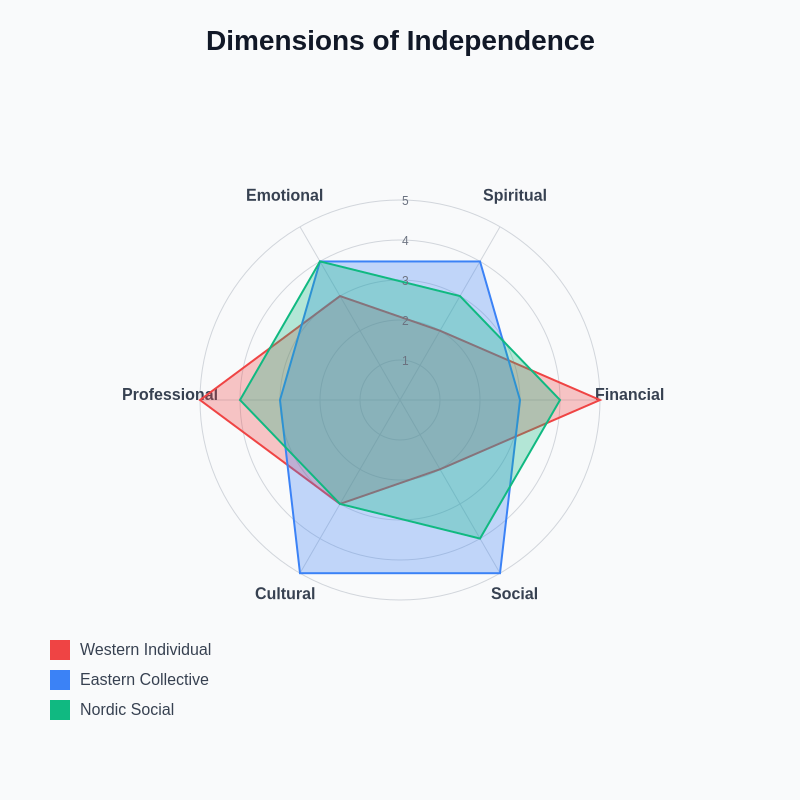
This multidimensional approach to understanding independence helps residents recognize that different cultural backgrounds emphasize various aspects of autonomy, from financial self-sufficiency to social harmony, creating a richer and more nuanced community environment.
The ongoing evolution of independence perspectives within sharehouse communities reflects the dynamic nature of personal growth, cultural adaptation, and community development that makes Tokyo’s international sharehouse scene such a rich environment for personal development and cross-cultural understanding. Residents who embrace these differences often discover that their own understanding of independence becomes more nuanced and fulfilling through exposure to alternative perspectives and approaches to autonomous living.
Disclaimer
This article is for informational purposes only and does not constitute professional psychological or cultural advice. Individual perspectives on independence are complex and personal, influenced by numerous factors beyond cultural background. The experiences described may not apply to all individuals or situations. Readers should approach cultural differences with respect and openness while maintaining their own personal boundaries and values.