The frustration of discovering that your international driving license has expired after just one year in Japan represents a common shock for foreign residents living in sharehouses across Tokyo and other major cities. This seemingly arbitrary time limitation creates significant transportation challenges and forces many international residents to completely restructure their mobility strategies much sooner than anticipated, often resulting in increased living costs and reduced independence that can fundamentally alter their Japanese living experience.
Understanding why international driving licenses expire so quickly in Japan requires examining complex legal frameworks, diplomatic agreements, and practical enforcement mechanisms that prioritize road safety while managing the administrative burden of foreign driver certification. These regulations directly impact sharehouse residents who may have initially planned to rely on personal transportation for commuting, shopping, and exploring Japan beyond the metropolitan areas served by public transportation networks.
The One-Year Limitation Framework
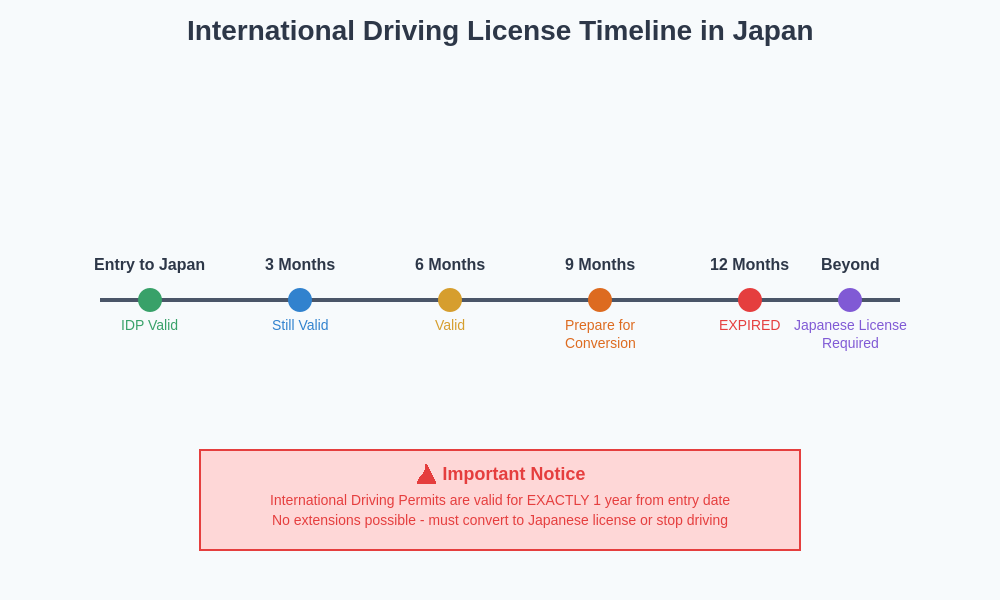
International driving permits issued under the 1949 Geneva Convention on Road Traffic carry a maximum validity period of one year from the date of entry into Japan, regardless of the permit’s original expiration date or the holder’s driving experience in their home country. This strict timeline applies universally to all foreign nationals entering Japan as temporary visitors, creating a uniform standard that eliminates confusion but often catches unprepared residents off guard.
Living costs in Tokyo sharehouses explained becomes particularly relevant when considering how transportation method changes affect monthly budgets, as the transition from personal vehicle use to public transportation or alternative mobility solutions can significantly impact overall living expenses for sharehouse residents.
The legal framework underlying this limitation stems from Japan’s interpretation of international agreements regarding temporary visitor privileges versus long-term resident responsibilities. Foreign nationals who remain in Japan beyond tourist status are expected to integrate into the domestic licensing system, which includes comprehensive testing and certification processes designed to ensure familiarity with Japanese traffic laws, road conditions, and driving customs.
This regulatory approach reflects Japan’s commitment to road safety standards while acknowledging the practical reality that long-term residents require more comprehensive understanding of local driving conditions than temporary visitors who may only drive occasionally during their stay.
Diplomatic and Legal Considerations
The rapid expiration of international driving licenses reflects broader diplomatic principles governing reciprocal recognition of foreign credentials and the balance between international cooperation and domestic regulatory authority. Japan maintains bilateral agreements with numerous countries regarding driver license recognition, but these arrangements typically focus on short-term visitor accommodation rather than long-term resident integration.
Japanese sharehouse rules every foreigner should know often include transportation-related guidelines that become increasingly important as residents transition from international permit reliance to alternative transportation methods or local licensing procedures.
The legal structure separating temporary visitor privileges from resident responsibilities creates clear distinctions in the eyes of Japanese law enforcement and administrative agencies. International permits represent temporary accommodation for visitors rather than permanent solutions for residents, requiring a fundamental shift in legal status and documentation as foreign nationals establish longer-term presence in Japan.
International agreements governing driving permit recognition typically prioritize standardization and reciprocity between signatory nations, but they also preserve individual country authority to establish specific terms and limitations for foreign driver recognition within their territorial boundaries.
Administrative Efficiency and Enforcement
The one-year limitation serves important administrative functions by creating clear deadlines for status transitions and reducing the complexity of tracking foreign driver credentials with varying expiration dates and renewal requirements from different countries. This standardized approach enables Japanese authorities to maintain consistent enforcement policies while minimizing administrative overhead associated with managing diverse international documentation systems.
How to find the perfect sharehouse in Tokyo often involves considerations of transportation accessibility, which becomes increasingly critical as international driving privileges expire and residents must rely more heavily on public transportation or alternative mobility solutions.
Enforcement mechanisms for international driving license validity rely on standardized record-keeping systems that track entry dates and automatically flag expired privileges during routine traffic stops or license verification procedures. This systematic approach ensures consistent application of regulations while providing clear timelines for foreign residents to plan their transportation transitions.
The administrative burden of managing complex international licensing systems with varying validity periods, renewal requirements, and authentication procedures would create significant challenges for Japanese authorities, making the standardized one-year limitation an efficient solution for managing foreign driver privileges.
Road Safety and Local Knowledge Requirements
Japan’s emphasis on road safety extends beyond basic driving skills to include comprehensive understanding of unique traffic patterns, road conditions, and cultural driving norms that may differ significantly from foreign drivers’ home countries. The one-year limitation ensures that long-term residents undergo proper education and testing regarding these specialized requirements rather than relying indefinitely on foreign credentials.
Best Tokyo neighborhoods for sharehouse living considerations often include transportation infrastructure quality and accessibility, which becomes increasingly important for residents who can no longer rely on personal vehicle access after their international permits expire.
Local driving conditions in Japan include unique challenges such as narrow urban streets, complex intersection designs, seasonal weather impacts, and specific right-of-way conventions that may not be adequately addressed in foreign driver education programs. The transition to Japanese licensing ensures that long-term residents receive appropriate education regarding these specialized driving conditions.
Cultural aspects of Japanese driving include specific courtesy expectations, pedestrian interaction protocols, and emergency response procedures that reflect broader social norms and may not be intuitive to foreign drivers accustomed to different cultural approaches to road sharing and traffic interaction.
Economic Impact on Sharehouse Residents
The expiration of international driving licenses creates immediate economic impacts for sharehouse residents who must transition to alternative transportation methods or invest in obtaining Japanese driving credentials. How much Tokyo sharehouses really cost per month calculations must account for these transportation transition costs that can significantly affect monthly budgets.
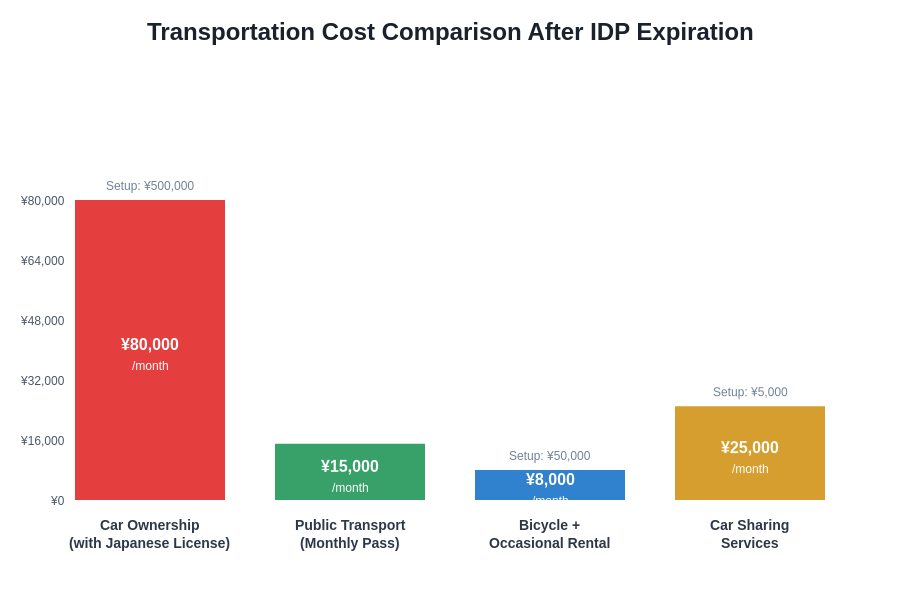
Public transportation costs in Tokyo and other major Japanese cities can represent substantial monthly expenses for residents who previously relied on personal vehicles for commuting and daily activities. The transition from car-based mobility to train and bus systems often requires complete restructuring of daily routines and budget allocations.
Car ownership costs in Japan, including parking fees, insurance requirements, and mandatory inspection procedures, can be prohibitively expensive for many sharehouse residents, making the transition away from personal vehicle use financially beneficial despite the initial inconvenience of transportation method changes.
Alternative transportation solutions such as bicycle ownership, car-sharing services, or ride-sharing applications provide intermediate options for residents adjusting to life without personal vehicle access, though these alternatives carry their own cost structures and usage limitations that must be carefully evaluated.
Professional and Social Implications
Transportation limitations resulting from expired international driving licenses can significantly impact professional opportunities and social activities for sharehouse residents, particularly those working in industries or locations with limited public transportation access. Business district sharehouses near Tokyo Station provide excellent public transportation connectivity, but many employment opportunities exist in areas less accessible without personal transportation.
Social isolation can result from reduced mobility options, particularly for residents who enjoyed the flexibility of personal vehicle access for exploring areas beyond major metropolitan centers or participating in activities requiring transportation to locations not well-served by public transit systems.
Dating while living in Tokyo sharehouses can be affected by transportation limitations, as reduced mobility options may limit social opportunities and dating location choices, particularly for activities that require travel to areas outside major transportation hubs.
Professional networking opportunities may be reduced for residents whose career development depends on attending events or meetings in locations that are difficult to reach without personal transportation, potentially affecting long-term career prospects and professional relationship building.
Japanese Driving License Conversion Process
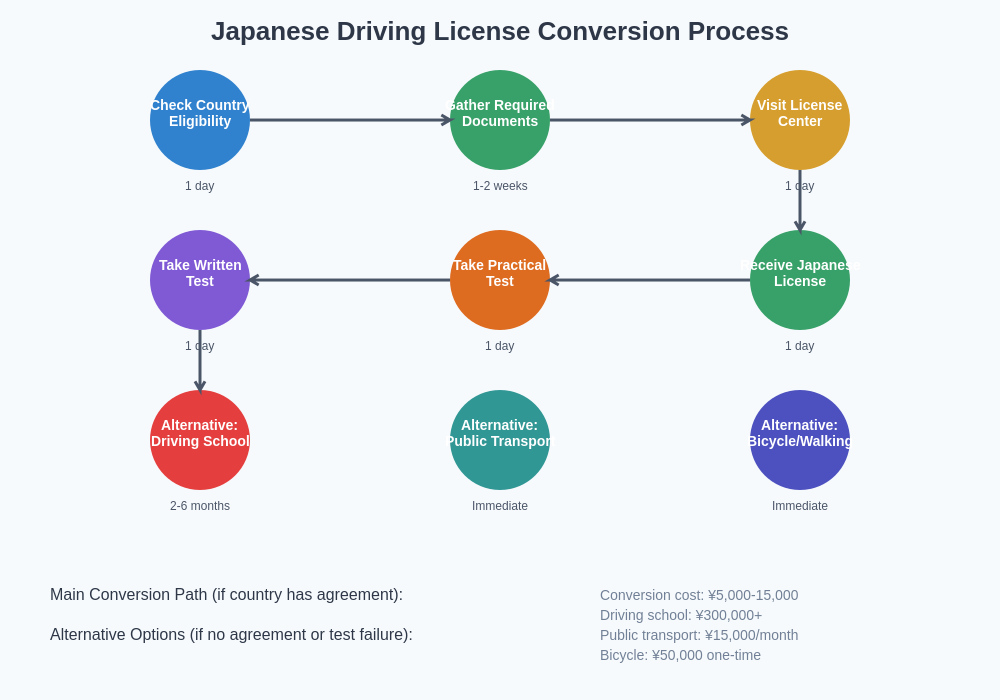
The transition from expired international driving licenses to Japanese credentials involves comprehensive procedures that vary significantly depending on the applicant’s country of origin and existing bilateral agreements regarding license recognition and conversion. What documents you need for Tokyo sharehouse applications provides insights into documentation requirements that also apply to driving license conversion procedures.
Countries with reciprocal licensing agreements may allow direct conversion of foreign licenses to Japanese credentials through simplified procedures that require documentation verification and basic testing, while residents from non-reciprocal countries must complete full Japanese driver education and testing requirements.
Written and practical testing requirements for Japanese driving licenses include comprehensive evaluation of traffic law knowledge, road sign recognition, and practical driving skills assessed under Japanese conditions and standards that may differ significantly from foreign testing requirements.
The timeline for completing Japanese license conversion or acquisition can extend several months, requiring advance planning and temporary transportation arrangements during the transition period that can create additional complications for sharehouse residents with existing work and social commitments.
Alternative Transportation Strategies
Developing effective alternative transportation strategies becomes essential for sharehouse residents adjusting to life without international driving privileges, requiring careful evaluation of available options and their integration with existing lifestyle and professional requirements. Cheaper sharehouse options in Tokyo suburbs often provide cost savings that can offset increased transportation expenses resulting from the transition away from personal vehicle use.
Bicycle ownership and maintenance represent practical solutions for many urban transportation needs, though residents must understand local cycling regulations, safety requirements, and storage limitations that may be particularly relevant for sharehouse living situations with limited personal storage space.
Car-sharing and rental services provide occasional access to personal transportation for specific needs such as shopping trips, recreational activities, or professional requirements that cannot be efficiently met through public transportation, though cost-effectiveness depends on usage frequency and duration.
Public transportation optimization requires learning complex route planning, timing considerations, and cost management strategies that can significantly affect daily routines and monthly budget allocations for residents transitioning from personal vehicle reliance to public transit dependence.
Regional Variation and Practical Considerations
Transportation challenges resulting from expired international driving licenses vary significantly between different regions of Japan, with urban areas typically offering more comprehensive public transportation alternatives while rural or suburban areas may present greater difficulties for residents without personal vehicle access. Student sharehouses near top Tokyo universities benefit from excellent public transportation connectivity, but similar advantages may not exist in other regions.
Seasonal weather impacts on transportation alternatives can create additional challenges for residents adjusting to life without personal vehicles, particularly during winter months when cycling becomes more difficult and public transportation delays become more frequent due to weather-related service disruptions.
Employment location accessibility becomes a critical factor for residents whose international driving licenses have expired, as job opportunities in areas with limited public transportation access may become impractical without personal vehicle access, potentially affecting career choices and professional development opportunities.
Social and recreational activity accessibility may be significantly reduced for residents in areas where popular destinations, entertainment venues, or community gathering places are not well-served by public transportation, potentially affecting quality of life and social integration opportunities.
Planning and Preparation Strategies
Successful navigation of international driving license expiration requires advance planning and preparation that begins well before the one-year deadline, including research into alternative transportation options, Japanese license conversion requirements, and budget adjustments necessary to accommodate transportation method changes.
Real stories from Tokyo sharehouse residents provide valuable insights into how other international residents have successfully managed the transition from international driving privileges to alternative transportation solutions and Japanese licensing systems.
Documentation preparation for Japanese license conversion should begin several months before international permit expiration to ensure adequate time for processing and completion of any required testing or education programs that may be necessary depending on the applicant’s country of origin and existing licensing agreements.
Financial planning for transportation transition costs should include consideration of public transportation passes, bicycle purchase and maintenance costs, occasional car rental or car-sharing expenses, and potential costs associated with Japanese license acquisition procedures including testing fees and educational program costs.
The rapid expiration of international driving licenses in Japan reflects complex legal, administrative, and safety considerations that prioritize long-term resident integration while maintaining road safety standards and administrative efficiency. Understanding these underlying factors enables sharehouse residents to plan effectively for transportation transitions and minimize the disruption caused by the loss of personal vehicle access, ultimately leading to successful adaptation to Japanese transportation systems and lifestyle patterns.
Disclaimer
This article is for informational purposes only and does not constitute legal advice regarding driving license requirements or transportation regulations in Japan. International driving license rules and Japanese licensing procedures may change, and specific requirements can vary based on individual circumstances and country of origin. Readers should consult official government sources and legal professionals for current information regarding their specific driving license and transportation needs in Japan.