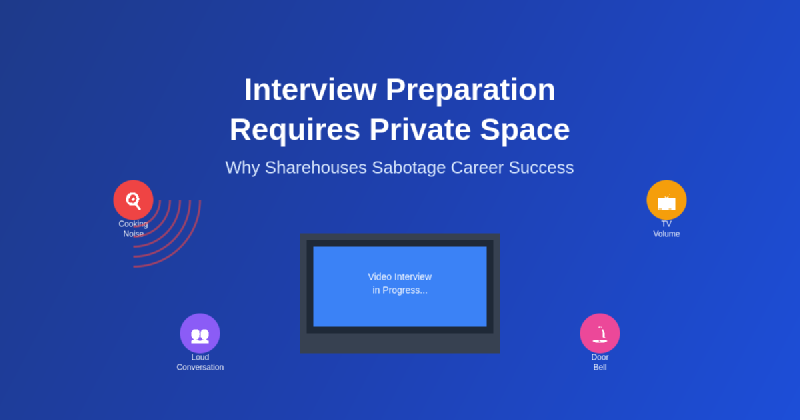
The critical importance of private space for interview preparation becomes devastatingly apparent to Tokyo sharehouse residents only after they experience the career-damaging consequences of attempting professional preparation in shared living environments where interruptions, noise pollution, and lack of confidentiality transform what should be confidence-building exercises into stress-inducing disasters that undermine interview performance and career advancement opportunities. The complex demands of modern interview processes, particularly in competitive Tokyo job markets, require sustained concentration, vocal practice, and confidential preparation that proves impossible to achieve in typical sharehouse configurations designed for affordability rather than professional development needs.
The psychological preparation necessary for successful interviews requires mental space that extends far beyond physical boundaries, encompassing emotional readiness, confidence building, and strategic thinking that becomes impossible when constantly interrupted by housemate activities, shared space conflicts, and the persistent anxiety of potential disruptions during critical preparation periods. International residents in Tokyo face additional preparation challenges including cultural adaptation, language considerations, and understanding Japanese business practices that demand intensive study and practice sessions requiring complete focus and privacy that sharehouse environments systematically undermine.
The Complexity of Modern Interview Preparation
Contemporary interview processes in Tokyo’s competitive job market demand comprehensive preparation strategies that extend far beyond simple question-and-answer practice, encompassing research methodology, presentation development, portfolio organization, and strategic networking that requires sustained periods of uninterrupted concentration impossible to achieve in shared living environments where common areas remain constantly occupied and private rooms lack adequate workspace and soundproofing for intensive preparation activities.
Professional development requires quiet study time becomes essential for career advancement, but sharehouse environments create systematic barriers to the focused preparation necessary for excelling in competitive interview situations that can determine career trajectories and long-term professional success in Japan’s challenging employment landscape.
Technical interview preparation presents particularly demanding space requirements because coding challenges, system design discussions, and portfolio presentations require multiple monitors, specialized software, and extended periods of uninterrupted problem-solving that prove impossible in shared spaces where internet bandwidth limitations, equipment sharing conflicts, and constant interruptions prevent the deep focus necessary for mastering complex technical concepts and presentation skills.
Cultural preparation for Japanese business interviews requires understanding nuanced communication styles, hierarchical structures, and ceremonial elements that demand practice sessions involving role-playing, presentation rehearsal, and detailed research into company cultures and industry expectations that require confidential preparation spaces where mistakes can be made privately without embarrassment or judgment from housemates unfamiliar with professional requirements.
Noise Pollution and Concentration Destruction
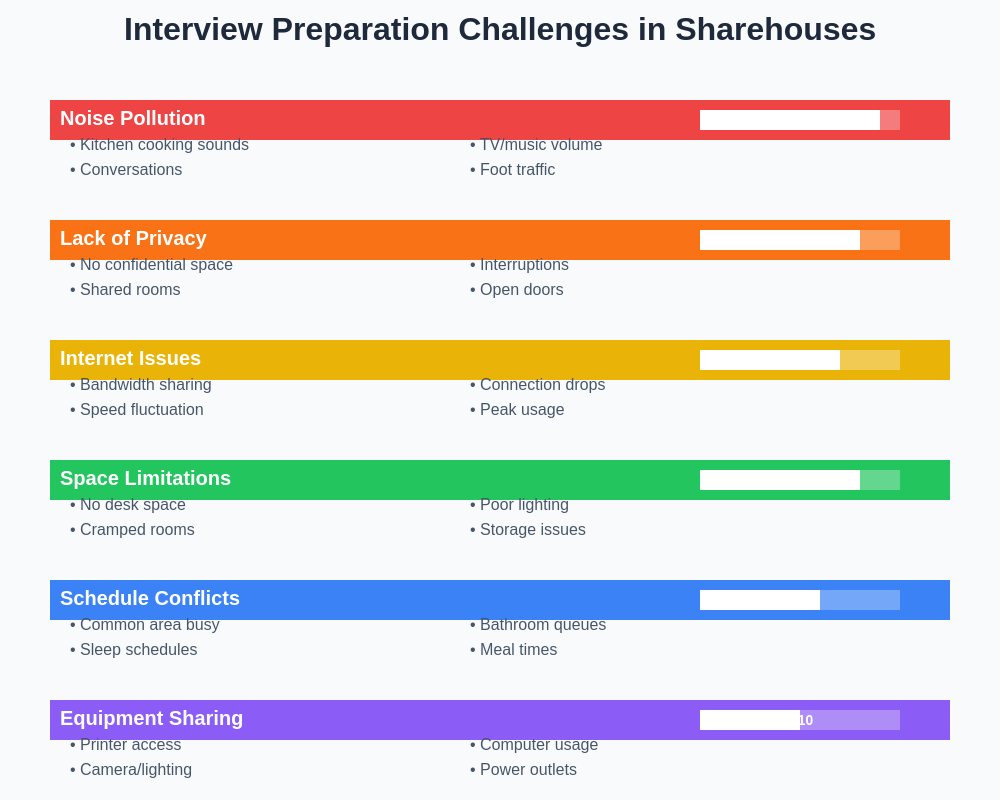
The acoustic environment in typical Tokyo sharehouses creates insurmountable barriers to effective interview preparation because thin walls, shared ventilation systems, and high-density living arrangements ensure that conversations, cooking activities, entertainment systems, and daily life noise penetrate all spaces throughout buildings designed for basic accommodation rather than professional workspace requirements that demand acoustic isolation for concentration and vocal practice.
Kitchen noise during meal preparation periods creates particularly destructive interference with interview preparation because cooking activities generate sustained noise levels that make concentration impossible while occurring during evening hours when working residents typically schedule preparation sessions after returning from current employment obligations. The cultural emphasis on communal dining and social interaction in Japanese sharehouses further amplifies kitchen noise through group activities that extend preparation noise far beyond individual cooking requirements.
Bathroom and utility noise from plumbing, ventilation systems, and multiple residents creates unpredictable acoustic interruptions that destroy concentration during critical preparation moments, particularly problematic during early morning or late evening preparation sessions when residents attempt to avoid peak shared space usage periods but encounter infrastructure noise that proves equally disruptive to focused study and practice activities.
Entertainment system usage by other residents creates particularly damaging interference because television, music, and gaming audio penetrates thin walls while occurring during prime preparation hours when working residents have availability for intensive study sessions. The cultural differences in entertainment preferences and volume tolerance among international residents often create conflicts that prevent negotiated quiet periods for professional preparation activities.
Video Interview Challenges in Shared Spaces
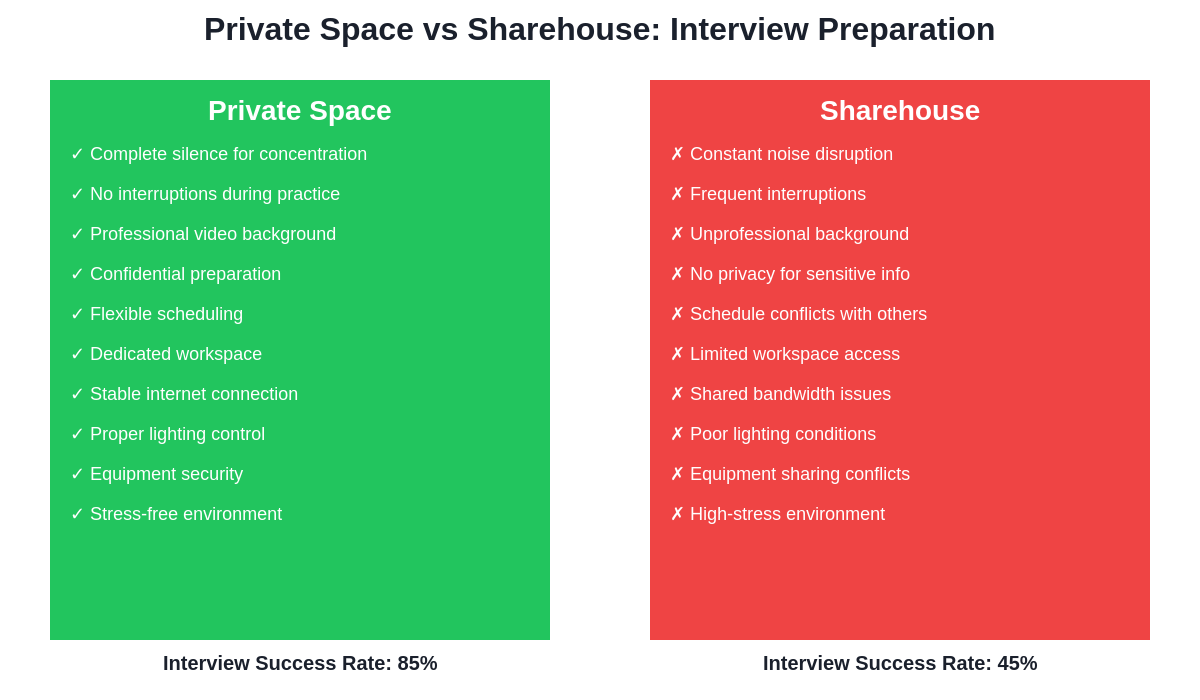
Remote video interviews have become standard practice in Tokyo’s modernized hiring processes, creating new demands for professional presentation environments that require controlled lighting, neutral backgrounds, stable internet connections, and guaranteed privacy that prove impossible to secure in sharehouse environments where multiple residents compete for limited bandwidth and space during peak usage periods when interviews frequently occur.
Background control for video interviews presents seemingly insurmountable challenges in sharehouses where personal rooms often feature unmade beds, laundry, personal items, and cramped conditions that create unprofessional visual presentations while common areas remain constantly occupied by other residents whose activities create embarrassing background interruptions during critical interview moments that can immediately disqualify candidates from consideration.
Internet bandwidth limitations in sharehouses create devastating technical failures during video interviews because multiple residents streaming entertainment, conducting video calls, or downloading large files consume available bandwidth and create connection instability that results in frozen video, audio delays, and dropped connections during critical interview moments that leave lasting negative impressions on potential employers and eliminate opportunities for career advancement.
Lighting conditions in typical sharehouse rooms prove inadequate for professional video presentation because small windows, artificial lighting, and room orientation create shadows, glare, and color distortion that make candidates appear unprofessional while attempts to improve lighting through additional equipment create space conflicts and power usage issues that may violate house rules or create disputes with other residents.
Confidentiality and Competitive Information
Interview preparation often involves confidential information including salary negotiations, company research, competitive analysis, and strategic career planning that requires absolute privacy to prevent information leakage that could damage professional relationships, compromise negotiations, or create conflicts with current employers who may terminate employees discovered to be actively job searching while under contract obligations.
Job searching takes longer with address changes demonstrates additional complications, but confidentiality breaches in shared living environments can have immediate career consequences when housemates accidentally or intentionally share overheard information about job search activities, salary expectations, or company preferences that reaches current employers through social networks or professional connections.
Salary negotiation preparation requires private space for research, strategy development, and practice sessions that involve confidential financial information including current compensation, market research data, and negotiation tactics that cannot be safely discussed or practiced in shared environments where financial information might be overheard and used inappropriately by other residents or become subject to gossip that damages professional reputation.
Company research activities often involve accessing confidential information, competitor analysis, and strategic planning documents that require secure environments to prevent accidental disclosure of sensitive business information that could create legal liability for candidates or damage relationships with potential employers who expect discretion and professionalism throughout the interview process.
Practice Session Requirements and Vocal Preparation
Effective interview preparation requires extensive vocal practice including presentation rehearsal, question response refinement, and confidence building exercises that demand private space for repetitive practice sessions where mistakes can be made without embarrassment while developing natural delivery styles that appear confident and professional during actual interview situations.
Mock interview sessions with friends, mentors, or professional coaches require private spaces for confidential discussions about weaknesses, improvement strategies, and honest feedback that cannot occur in shared environments where other residents might overhear critical assessments or personal development discussions that should remain private between preparation partners.
Presentation practice for interviews involving formal presentations requires private space for rehearsal, timing practice, and technical preparation that involves speaking aloud, gesture practice, and equipment testing that creates noise and requires space that proves impossible to secure in sharehouses where any vocalization disturbs other residents and room limitations prevent proper presentation setup and practice.
Language practice for international candidates requires private space for pronunciation improvement, vocabulary development, and cultural communication style adaptation that involves repetitive exercises, accent modification work, and confidence building activities that become embarrassing and ineffective when conducted in shared spaces where linguistic mistakes might be overheard and become sources of embarrassment or social awkwardness.
Mental Preparation and Psychological Readiness
Interview success depends significantly on mental preparation including confidence building, anxiety management, and psychological readiness that requires quiet contemplation, meditation, and stress reduction activities that become impossible in busy sharehouse environments where constant activity, social obligations, and shared space conflicts create additional stress rather than providing the calm environment necessary for mental preparation.
Visualization exercises and mental rehearsal techniques require private, quiet environments for effective implementation because these psychological preparation methods demand sustained concentration and emotional focus that gets destroyed by interruptions, noise, and the social pressures of shared living environments where privacy becomes impossible to achieve during critical preparation periods.
Stress management preparation requires private space for relaxation techniques, breathing exercises, and anxiety reduction practices that help candidates maintain composure during high-pressure interview situations but prove impossible to practice effectively in sharehouses where other residents create noise, interruptions, and social distractions that increase rather than reduce stress levels during preparation periods.
Sleep quality preparation becomes critical before important interviews but gets compromised in sharehouses where noise from other residents, different sleep schedules, and shared space conflicts create sleep disruption that leaves candidates fatigued and unprepared for optimal interview performance despite other preparation efforts being completed successfully.
Research and Documentation Requirements
Comprehensive interview preparation requires extensive research activities including company analysis, industry trends study, competitor research, and market condition analysis that demand sustained periods of reading, note-taking, and information synthesis that require quiet environments with adequate workspace for document organization and strategic planning activities impossible to achieve in cramped sharehouse rooms or constantly occupied common areas.
Portfolio organization and presentation material preparation require private workspace for document compilation, design work, and presentation creation that involves spreading materials across work surfaces, printing documents, and organizing presentation materials that require dedicated workspace impossible to maintain in shared environments where space limitations and equipment sharing create constant obstacles to professional preparation activities.
Reference preparation and networking research require private space for confidential communication with professional contacts, reference coordination, and strategic relationship management that involves sensitive discussions about career goals, weaknesses, and professional development needs that cannot be conducted safely in shared environments where other residents might overhear confidential professional information.
Application tracking and follow-up management require private workspace for maintaining detailed records of interview schedules, company contacts, application status tracking, and strategic timing coordination that involves confidential information about multiple potential employers that requires secure storage and private access impossible to maintain in shared living environments.
Professional Appearance and Wardrobe Preparation
Interview wardrobe preparation requires private space for outfit selection, fitting sessions, and appearance optimization that involves trying multiple clothing combinations, grooming preparation, and confidence building through appearance refinement that becomes embarrassing and ineffective when conducted in shared spaces where other residents might offer unwanted opinions or create self-consciousness about professional presentation choices.
Grooming and personal presentation preparation require private bathroom access for extended periods during critical preparation times when other residents also require bathroom facilities, creating conflicts over shared resources that can sabotage appearance preparation and create additional stress during important interview periods when optimal personal presentation becomes essential for success.
Professional photography for online profiles and application materials requires private space with controlled lighting and backgrounds for creating high-quality professional images that enhance application materials but prove impossible to achieve in sharehouses where space limitations, lighting conditions, and privacy concerns prevent effective professional photography sessions.
Cultural presentation adaptation for Japanese business environments requires private space for practicing formal behavior, understanding hierarchical interactions, and adapting communication styles to Japanese business culture expectations that involve subtle behavioral modifications requiring practice and refinement in private environments where cultural mistakes can be made without social consequences.
Technology and Equipment Challenges
Professional interview preparation increasingly requires specialized equipment including high-quality cameras, professional microphones, adequate lighting equipment, and multiple monitors for research and presentation preparation that prove impossible to accommodate in typical sharehouse rooms designed for basic accommodation rather than professional workspace requirements that demand significant equipment and space investments.
Internet reliability and bandwidth requirements for video interviews and research activities require dedicated connections that provide consistent performance during critical interview periods when technical failures can immediately eliminate candidates from consideration, but sharehouse internet sharing arrangements create unpredictable performance that cannot guarantee reliable service during important professional activities.
Software and application requirements for interview preparation often involve specialized programs, presentation software, and research tools that require significant computer resources and storage capacity that may exceed the capabilities of basic computer setups while creating conflicts with other residents who require internet and electrical resources during the same periods when interview preparation activities occur.
Equipment security becomes critical for protecting expensive professional equipment including cameras, microphones, and specialized software that require secure storage and access control impossible to maintain in shared living environments where multiple residents have access to common areas and security measures remain limited to basic room locks that provide inadequate protection for valuable professional equipment.
Alternative Solutions and Workspace Strategies
Professional co-working spaces provide temporary solutions for interview preparation requirements but create additional expenses and scheduling constraints that may prove financially prohibitive for budget-conscious sharehouse residents while failing to address the sustained preparation requirements that demand consistent access to professional workspace over extended periods rather than occasional rental arrangements.
Library and public workspace options offer quiet environments for some preparation activities but lack the privacy, equipment access, and confidentiality required for comprehensive interview preparation while imposing time limitations and usage restrictions that prevent the intensive preparation sessions necessary for competitive interview success in demanding professional environments.
Private workspace rental provides optimal solutions for interview preparation requirements but creates significant additional housing costs that may exceed sharehouse budget constraints while requiring long-term commitments that may not align with temporary residence plans or visa limitations that affect international residents’ ability to make sustained financial commitments in Tokyo’s expensive rental market.
Professional development investments in private workspace solutions often prove necessary for career advancement success but require fundamental reconsideration of housing priorities that may necessitate choosing more expensive private accommodation over affordable sharehouse options when professional development needs become critical for career progress and long-term financial success in competitive employment markets.
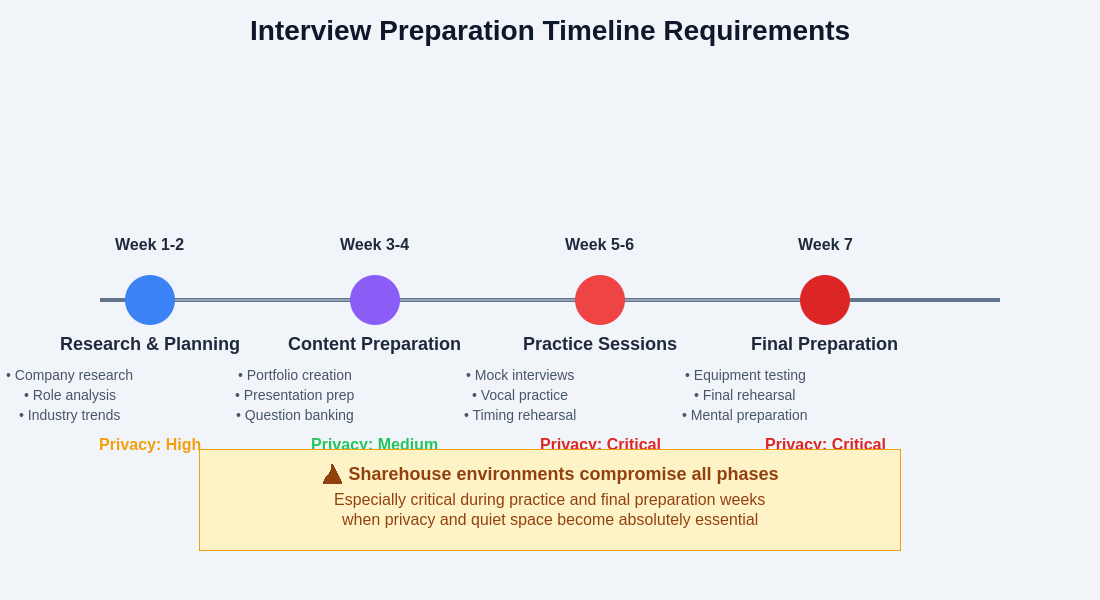
The fundamental incompatibility between effective interview preparation requirements and typical sharehouse living conditions creates career development obstacles that force residents to choose between affordable accommodation and professional advancement opportunities, often requiring strategic housing decisions that prioritize career development over short-term financial savings when long-term professional success depends on access to private preparation space for competitive interview performance.
Disclaimer
This article is for informational purposes only and does not constitute professional career or housing advice. Interview preparation requirements vary significantly based on industry, position level, and individual circumstances. Readers should evaluate their specific professional development needs and housing options based on their career goals and financial situation. The challenges described may not apply to all sharehouse environments or interview situations in Tokyo.