The promise of modern key management systems in Tokyo sharehouses often falls short of expectations, creating daily frustrations and security vulnerabilities that significantly impact resident experiences. These technological solutions, designed to streamline access control and enhance security, frequently become sources of inconvenience, additional costs, and operational headaches that affect both property managers and residents alike. Understanding the systemic issues behind these failures reveals deeper problems within sharehouse management practices and highlights the gap between technological capabilities and practical implementation.
The complexity of managing multiple access points, diverse resident populations, and varying technological literacy levels creates a perfect storm for key management system failures. When these systems malfunction, residents find themselves locked out of their homes, unable to access common areas, or facing unexpected charges for replacements and repairs. The cascading effects of these failures extend beyond mere inconvenience, affecting work schedules, social relationships, and overall quality of life in ways that traditional key systems rarely did.
The Technology Gap Between Promise and Reality
Modern sharehouse operators increasingly market their properties with sophisticated key management systems that promise seamless access control, enhanced security, and convenient remote management capabilities. These systems often feature electronic locks, smart cards, mobile app integration, and centralized monitoring that sounds impressive in marketing materials but proves problematic in daily operation. The reality of implementing these technologies in older buildings with diverse resident populations creates unexpected challenges that undermine their effectiveness.
Japanese sharehouse rules every foreigner should know often include specific protocols for key management, but these rules become meaningless when the underlying technology fails to function reliably. The integration of new electronic systems with existing building infrastructure frequently creates compatibility issues that manifest as intermittent failures, delayed responses, and complete system shutdowns that leave residents stranded.
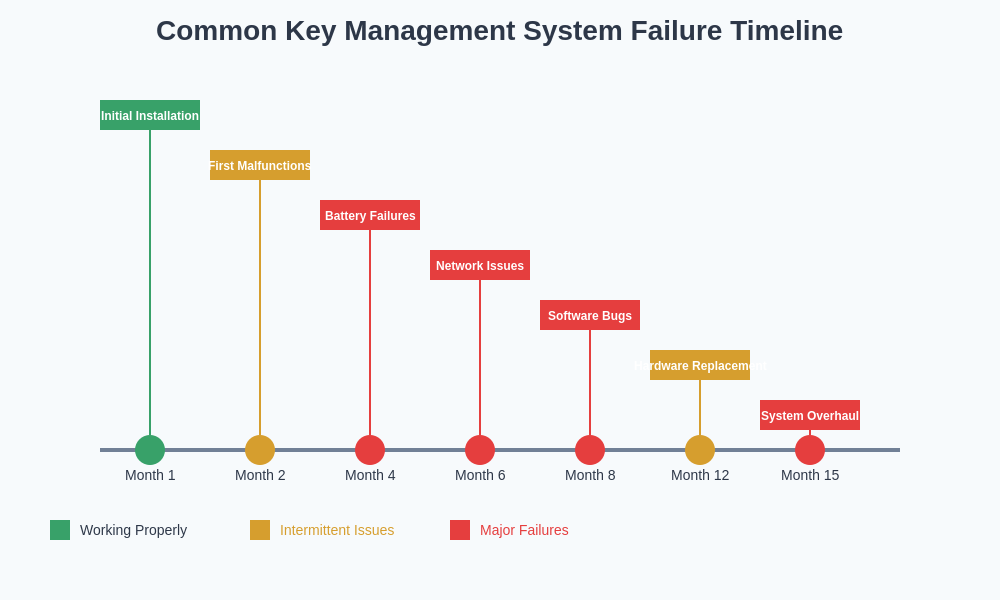
The maintenance requirements for electronic key management systems far exceed those of traditional mechanical locks, requiring specialized knowledge, regular software updates, and prompt hardware replacements that many sharehouse operators are unprepared to handle effectively. When technical problems arise, the resolution process often involves multiple service providers, extended downtime periods, and temporary workarounds that compromise both security and convenience for extended periods.
Infrastructure and Compatibility Challenges
The installation of modern key management systems in older Tokyo buildings presents significant infrastructure challenges that operators often underestimate during the planning phase. Existing electrical systems may lack the capacity to reliably power electronic locks throughout the building, leading to intermittent failures during peak usage periods or power fluctuations. Network connectivity issues compound these problems, as many systems require stable internet connections that may not exist in all areas of older buildings.
How to find the perfect sharehouse in Tokyo involves evaluating these infrastructure factors, but residents often discover compatibility problems only after moving in and experiencing system failures firsthand. The retrofitting process frequently reveals unforeseen complications such as door frame modifications, wiring upgrades, and structural changes that increase costs and create ongoing maintenance issues.
Weather-related problems particularly affect electronic systems in Tokyo’s humid climate, where moisture infiltration can cause circuit failures, corrosion, and sensor malfunctions that traditional mechanical locks rarely experience. The seasonal temperature variations and occasional extreme weather events stress electronic components beyond their design specifications, leading to higher failure rates and more frequent replacement needs than operators anticipate.
Battery-powered systems present additional challenges as residents must navigate different battery types, replacement schedules, and emergency procedures when power fails. The responsibility for battery maintenance often falls into unclear territory between resident obligations and management duties, creating conflicts and system downtime when batteries die unexpectedly.
User Experience and Training Deficiencies
The success of any key management system depends heavily on user adoption and proper usage, areas where sharehouse operators frequently fail to provide adequate support and training. Many residents, particularly international newcomers, lack familiarity with specific electronic lock technologies and receive minimal instruction on proper operation, troubleshooting, and emergency procedures. This knowledge gap leads to user errors that can damage equipment, trigger false alarms, and create unnecessary service calls.
Living with Japanese roommates in Tokyo sharehouses often involves navigating different comfort levels with technology, as some residents embrace electronic systems while others prefer traditional mechanical solutions. These preferences create operational inconsistencies when some residents bypass electronic systems or use them incorrectly, compromising overall system integrity and security effectiveness.
Language barriers compound training deficiencies, as instruction materials and error messages are often only available in Japanese, leaving international residents unable to understand system status, troubleshoot problems, or follow proper procedures. The lack of multilingual support extends to customer service and technical support, creating communication barriers that delay problem resolution and increase resident frustration.
The rapid turnover typical in sharehouses means that training must be continuously provided to new residents, but many operators lack systematic onboarding processes that ensure everyone receives proper instruction. This results in knowledge gaps that accumulate over time, leading to increased misuse, higher maintenance costs, and reduced system reliability as improper usage becomes normalized within the resident community.
Maintenance and Support System Failures
The ongoing maintenance requirements for electronic key management systems often overwhelm sharehouse operators who lack the technical expertise, financial resources, or organizational systems necessary to provide adequate support. Regular software updates, hardware diagnostics, and preventive maintenance require specialized knowledge that many property managers do not possess, leading to deferred maintenance that increases failure rates and repair costs over time.
Understanding utility bills in Japanese sharehouses reveals how additional system costs often surprise residents, but key management maintenance expenses frequently exceed initial estimates as operators discover the true cost of keeping electronic systems operational. The need for 24/7 technical support becomes apparent when systems fail outside business hours, but few operators provide adequate emergency response capabilities.
Vendor relationships complicate maintenance efforts when multiple companies provide different system components, creating coordination challenges and finger-pointing when problems arise. The integration of locks, cards, software platforms, and monitoring systems from different manufacturers often results in compatibility issues that require specialized expertise to resolve, leading to extended downtime periods while vendors coordinate solutions.
Parts availability and lead times for specialized electronic components can create extended outages when critical system elements fail. Unlike traditional keys that can be duplicated quickly at local shops, electronic system repairs often require specific replacement parts that must be ordered from manufacturers, potentially leaving residents without access for days or weeks while repairs are completed.
Security Vulnerabilities and False Confidence
Electronic key management systems create new security vulnerabilities that traditional mechanical locks do not have, including digital attack vectors, system bypasses, and data privacy concerns that many sharehouse operators fail to address adequately. The centralized nature of these systems means that a single point of failure can compromise security for the entire building, while traditional keys limit security breaches to individual locks.
Why personal belongings disappear despite locks highlights broader security concerns that electronic systems may actually exacerbate rather than solve. The false confidence that technology provides can lead to reduced vigilance and oversight, while system logs and access records may not be monitored effectively or may be manipulated by those with administrative access.
The complexity of electronic systems often means that emergency access procedures are poorly understood and inadequately tested, potentially trapping residents during emergencies or preventing emergency responders from gaining quick access when needed. Master override capabilities may be compromised when systems fail, creating safety risks that exceed the security benefits these systems are designed to provide.
Data security concerns arise when key management systems collect and store information about resident access patterns, locations, and timing that could be compromised through cyber attacks or misused by property managers. Many residents are unaware of the data being collected or how it is protected, creating privacy risks that traditional key systems do not present.
Cost Escalation and Hidden Expenses
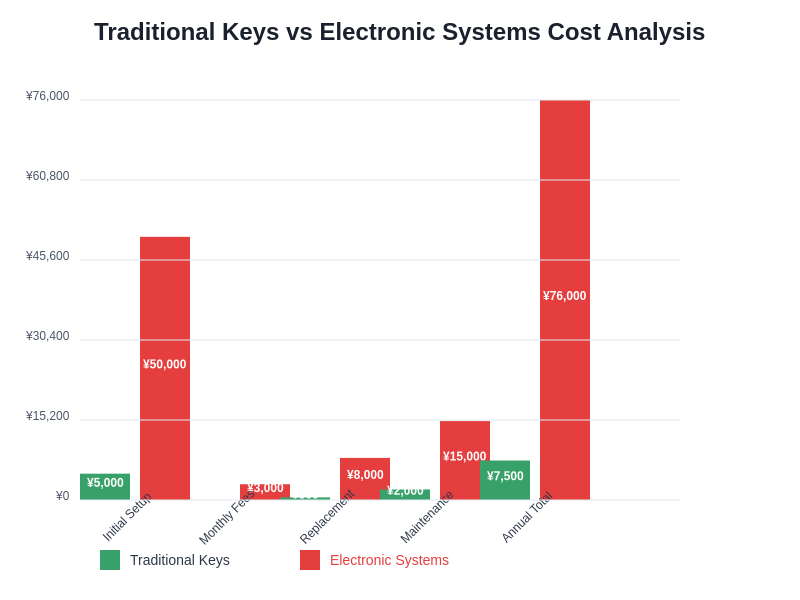
The total cost of ownership for electronic key management systems frequently exceeds initial projections, creating financial pressures that affect both operators and residents through various fee structures and unexpected charges. How much Tokyo sharehouses really cost per month often fails to account for these additional technology-related expenses that can significantly impact monthly budgets.
Installation costs typically exceed estimates as infrastructure upgrades, compatibility modifications, and integration requirements become apparent during implementation. The need for professional installation, system configuration, and initial setup creates upfront expenses that operators often pass along to residents through increased deposits, setup fees, or monthly charges that were not clearly disclosed during the application process.
Ongoing operational costs include software licensing, maintenance contracts, monitoring services, and regular hardware replacements that compound over time. Energy consumption for electronic systems, particularly those with always-on connectivity requirements, adds to utility costs that may be passed along to residents through increased fees or consumption charges.
Replacement and repair costs can be substantial when residents lose or damage electronic keys, cards, or fobs, with charges often far exceeding the cost of traditional key duplication. The proprietary nature of many electronic systems means that replacement components must be purchased from specific vendors at premium prices, eliminating competitive options that might reduce costs.
Alternative Solutions and Workarounds
Residents often develop informal workarounds to cope with failing key management systems, creating security risks and operational complications that undermine the intended benefits of these technological solutions. How to handle roommate conflicts without moving out becomes relevant when key management failures create tensions between residents who must coordinate access and share emergency solutions.
Prop-open doors, shared access codes, and informal key sharing arrangements emerge when residents cannot rely on official systems, but these practices compromise security and may violate lease agreements. The creation of unofficial backup systems demonstrates both the inadequacy of the primary technology and the resourcefulness of residents in adapting to system failures.
Some properties maintain parallel traditional key systems alongside electronic ones, but this redundancy increases costs and complexity while often confusing residents about proper procedures and protocols. The coexistence of multiple access methods can create security gaps when coordination between systems fails or when residents are unclear about which system to use in different situations.
Best Tokyo neighborhoods for sharehouse living may include properties with simpler, more reliable access systems that provide better resident experiences despite lacking technological sophistication. The trade-offs between advanced features and reliable operation often favor simpler solutions that residents can understand and trust.
Impact on Daily Life and Resident Satisfaction
Key management system failures create ripple effects throughout residents’ daily routines, affecting work schedules, social activities, and personal relationships in ways that extend far beyond the immediate inconvenience of access problems. Making friends through Tokyo sharehouse communities becomes more difficult when system failures create stress, frustration, and conflicts between residents who must navigate shared access challenges.
Late-night lockouts particularly impact residents with irregular schedules, shift workers, or those who travel frequently, as system failures often occur outside business hours when support is unavailable. The inability to access one’s home after a long day of work or during inclement weather creates significant stress and may force residents to seek expensive alternative accommodation or rely on the goodwill of housemates.
Professional consequences can arise when residents are late for work, miss important meetings, or cannot access professional materials due to key management failures. How commute times impact work performance extends to include the additional delays and disruptions caused by unreliable access systems that can affect career advancement and job security.
The cumulative effect of repeated system failures erodes trust between residents and management, leading to higher turnover rates, negative reviews, and reduced property values that ultimately harm both parties. The stress of dealing with unreliable systems affects mental health and overall quality of life in ways that contradict the convenience and security benefits that these technologies are supposed to provide.
Management Response and Accountability Issues
Property management responses to key system failures often reveal deeper organizational issues including inadequate preparation, insufficient technical knowledge, and poor communication systems that compound the original problems. Real stories from Tokyo sharehouse residents frequently include accounts of management failures to address system problems promptly or effectively.
The tendency to blame residents for system failures, attribute problems to user error, or minimize the impact of technical issues demonstrates a lack of accountability that damages resident relationships and perpetuates ongoing problems. Management companies that invest in expensive technology without corresponding investments in training, support, and maintenance create environments where failures are inevitable and resident satisfaction suffers.
Communication breakdowns during system failures leave residents without clear information about problem resolution timelines, alternative access procedures, or compensation for inconvenience. The lack of proactive communication and transparent problem-solving processes creates additional frustration and uncertainty that extends beyond the technical issues themselves.
Emergency response procedures are often poorly defined, inadequately tested, and ineffectively communicated, leaving residents uncertain about proper protocols when systems fail during critical situations. The absence of clear escalation procedures and emergency contact systems compounds problems and may create safety risks during urgent situations.
Long-term Implications and Industry Trends
The pattern of key management system failures in sharehouses reflects broader issues within the property management industry including inadequate technology adoption practices, insufficient investment in ongoing support systems, and misaligned incentives between short-term cost savings and long-term operational success. Why sharehouses are better than apartments in Tokyo depends partly on effective management systems that enhance rather than complicate the living experience.
Industry consolidation and standardization efforts may eventually address some compatibility and support issues, but current market fragmentation means that residents must navigate diverse systems with varying reliability levels and support quality. The lack of industry standards for key management systems creates ongoing challenges for both operators and residents who must adapt to different technologies across different properties.
The integration of key management with other building systems including security monitoring, utility management, and resident communication platforms creates additional complexity that compounds failure risks while potentially offering improved functionality when properly implemented and maintained. The evolution toward more integrated smart building technologies requires corresponding evolution in operator capabilities and support systems.
Future developments in mobile technology, biometric systems, and cloud-based management platforms may offer improved reliability and functionality, but the fundamental challenges of implementation, maintenance, and user support remain unchanged. The success of any technology depends on the organizational capabilities and commitment of the operators who deploy and maintain these systems over time.
The ongoing failures of current key management systems serve as cautionary tales for both operators and residents, highlighting the importance of thoroughly evaluating technology solutions, understanding total cost of ownership, and maintaining realistic expectations about the benefits and limitations of electronic access control systems in shared living environments.
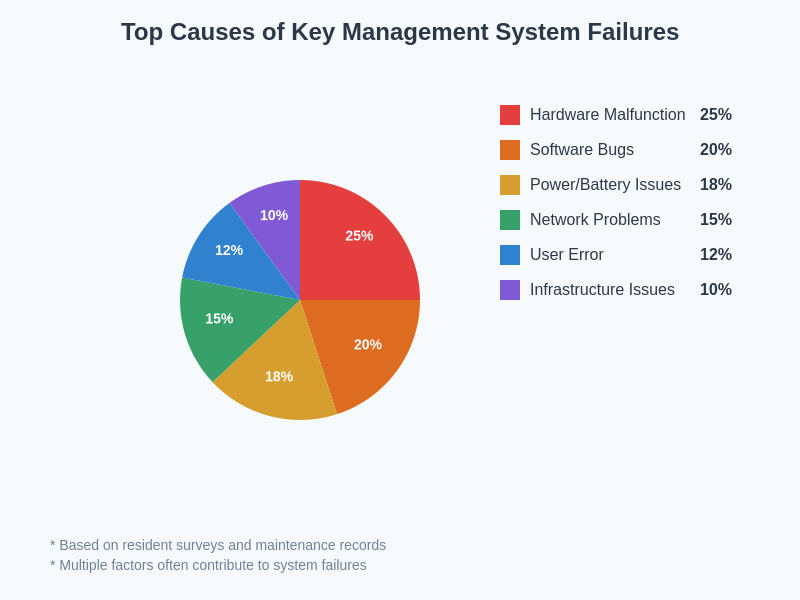
Understanding these failure patterns helps both residents and operators make more informed decisions about key management technologies and develop more realistic expectations about their reliability and cost implications.
Disclaimer
This article is for informational purposes only and does not constitute professional advice regarding security systems or property management. The experiences described reflect common issues but may not apply to all sharehouses or key management systems. Readers should evaluate specific properties and technologies based on their individual needs and circumstances. The effectiveness and reliability of key management systems may vary significantly between operators and properties.