Keyless entry systems in Japanese sharehouses, despite their technological sophistication and convenience benefits, remain vulnerable to various failure modes that can leave residents locked out, compromise security, or create operational disruptions that undermine the very advantages these systems are designed to provide. Understanding the common failure points enables better preparation, preventive maintenance, and informed decision-making about backup systems and emergency procedures.
The complexity of modern keyless entry systems introduces multiple potential points of failure that range from simple battery depletion to sophisticated cybersecurity vulnerabilities, each requiring different preventive measures and response strategies. Recognition of these vulnerabilities helps residents and property managers develop realistic expectations and appropriate contingency plans for maintaining access during system failures.
Battery and Power-Related Failures
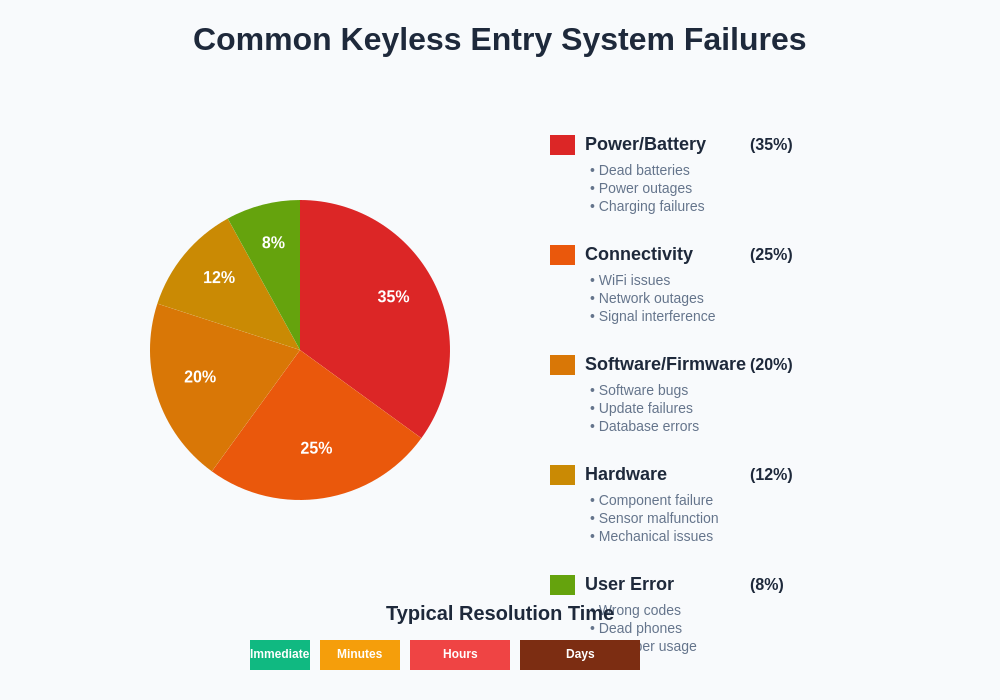
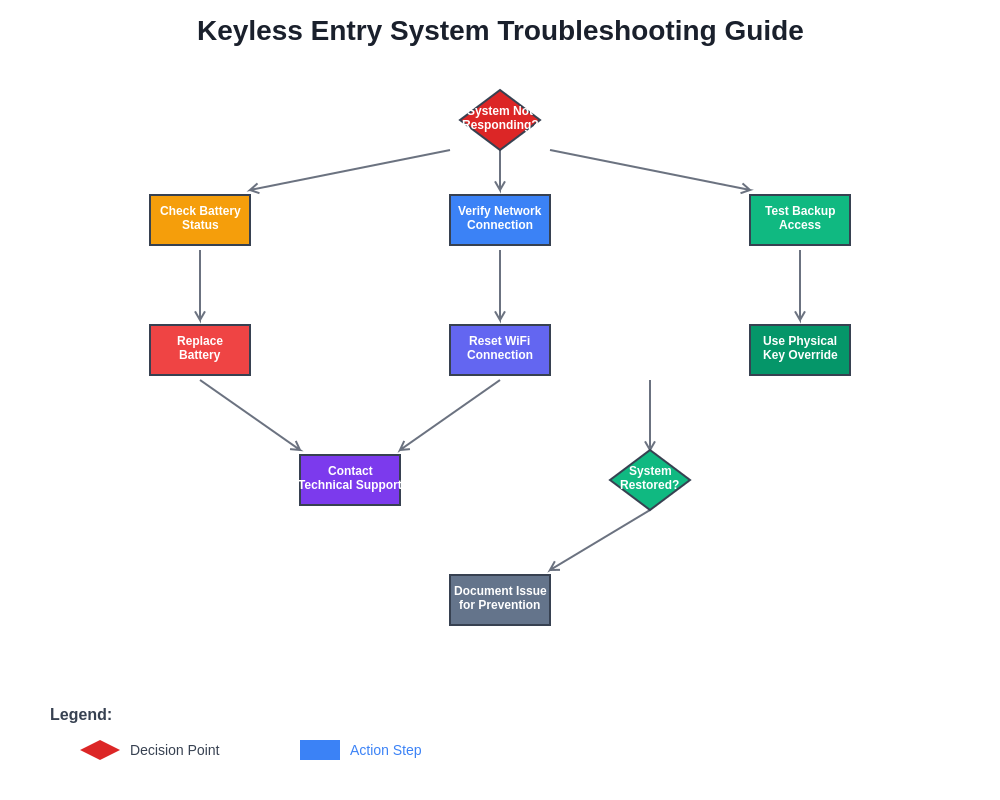
Battery depletion represents the most common cause of keyless entry system failures, occurring predictably over time but often catching residents unprepared when low-battery warnings are ignored or battery replacement schedules are not properly maintained by property management. How smart locks change sharehouse security highlights the importance of regular maintenance that includes proactive battery management.
Power supply interruptions from electrical outages, circuit breaker trips, or wiring problems can disable keyless systems that depend on building electrical systems for primary power, leaving backup battery systems as the only access method until electrical service is restored and system functionality returns to normal operation.
Battery quality variations and environmental factors including extreme temperatures, humidity levels, and usage patterns can significantly affect battery life expectancy, causing premature failures that occur outside predicted replacement schedules and catch property managers unprepared for emergency battery replacement.
External power adapter failures for systems that rely on plug-in power sources can create access disruptions when adapters fail, connections become loose, or electrical supply issues affect power delivery to the keyless entry system without triggering obvious warning signs until access attempts fail.
Connectivity and Network Issues
Internet connectivity dependencies make many modern keyless systems vulnerable to network outages, router failures, internet service provider problems, and building network infrastructure issues that prevent remote management capabilities and may affect local access functionality depending on system design and backup capabilities.
WiFi signal strength problems in buildings with poor wireless coverage, interference from other electronic devices, or network congestion during peak usage periods can cause intermittent connectivity issues that may prevent proper system operation or create delayed response times during access attempts.
Cellular network failures for systems that rely on mobile data connections can create access problems during network outages, tower maintenance, or service provider issues that affect system communication with central management servers and remote access capabilities for property managers and residents.
Cloud service disruptions from hosting provider outages, server maintenance, cybersecurity incidents, or software updates can affect keyless systems that depend on cloud-based authentication, user management, or access logging services, potentially creating widespread access issues across multiple properties simultaneously.
Software and Firmware Malfunctions
Software bugs in keyless entry system programming can cause unexpected failures, incorrect access decisions, or system crashes that require technical intervention to resolve, often occurring after software updates, system configuration changes, or when unusual usage patterns trigger previously undetected programming errors.
Firmware corruption from incomplete updates, power interruptions during update processes, or hardware compatibility issues can render keyless systems completely inoperable, requiring specialized technical knowledge and equipment to restore functionality through firmware recovery or replacement procedures.
Authentication database errors including corrupted user data, synchronization failures between local and remote databases, or access permission inconsistencies can prevent legitimate users from gaining access while potentially allowing unauthorized access or creating security vulnerabilities requiring immediate attention.
Automatic update failures when systems cannot properly download, install, or verify software updates can leave systems operating with outdated software that may contain security vulnerabilities or compatibility issues with newer smartphones, authentication methods, or network protocols.
Hardware Component Failures
Electronic lock mechanism failures including motor burnout, gear wear, actuator problems, or mechanical binding can prevent keyless systems from physically engaging or disengaging lock mechanisms even when authentication succeeds, requiring mechanical override or professional repair to restore access functionality.
Sensor malfunctions in keyless systems that rely on proximity sensors, biometric readers, or other detection mechanisms can cause access failures when sensors become dirty, damaged, or miscalibrated, preventing proper recognition of valid access credentials or triggering false activation events.
Circuit board problems from moisture exposure, temperature extremes, electrical surges, or component aging can cause various system malfunctions including intermittent operation, complete failure, or erratic behavior that makes the system unreliable for consistent access control in sharehouse environments.
Display and interface failures for systems with screens, keypads, or other user interaction components can prevent proper system operation even when internal authentication systems function correctly, leaving users unable to interact with the system effectively or receive necessary feedback during access attempts.
Environmental and Weather Factors
Moisture infiltration from rain, humidity, or building moisture problems can damage electronic components in keyless entry systems that are not properly sealed or protected from environmental exposure, leading to corrosion, short circuits, or gradual component degradation that affects system reliability.
Temperature extremes during summer heat waves or winter cold snaps can affect battery performance, electronic component operation, and mechanical lock mechanisms in ways that cause temporary or permanent system failures requiring environmental protection measures or component replacement.
Physical damage from weather events, accidental impact, vandalism, or normal wear and tear can compromise keyless system housing, sensors, or mechanical components in ways that affect system operation and may require immediate repair to maintain security and access functionality.
Electromagnetic interference from nearby electronic devices, building electrical systems, or external sources can disrupt keyless system operation, causing intermittent failures or erratic behavior that makes systems unreliable during certain conditions or times of day when interference levels increase.
User Error and Misuse
Incorrect authentication attempts including wrong PIN codes, expired access credentials, or improper biometric presentation can trigger security lockouts that prevent further access attempts for specified time periods, requiring administrative intervention or backup access methods to resolve access issues.
Smartphone-related problems including dead batteries, software conflicts, operating system incompatibilities, or deleted applications can prevent residents from using mobile-based keyless entry systems, creating access difficulties that may require alternative authentication methods or emergency assistance from property management.
Improper system usage including forcing doors when authentication fails, using incorrect access procedures, or attempting to bypass security features can damage keyless systems or trigger security protocols that prevent further access until administrative reset procedures are completed.
Credential sharing violations when residents provide access codes, biometric data, or device access to unauthorized individuals can compromise system security and may result in access revocation or system lockdown procedures that affect legitimate users until security issues are investigated and resolved.
Maintenance and Support Challenges
Delayed maintenance schedules when property managers postpone routine system inspections, battery replacements, or software updates can lead to preventable failures that could have been avoided through proactive maintenance programs and regular system monitoring procedures.
Technical support availability limitations during emergencies, after-hours situations, or when specialized expertise is required can extend resolution times for keyless system failures, leaving residents without access for extended periods until appropriate technical assistance becomes available.
Inadequate backup systems or emergency procedures can compound keyless system failures when alternative access methods are not properly implemented, maintained, or communicated to residents, creating situations where single points of failure result in complete access loss without reasonable alternatives.
Japanese sharehouse rules every foreigner should know often include emergency procedures that become critical when keyless systems fail and residents need alternative access methods or emergency contact procedures.
Cybersecurity Vulnerabilities
Hacking attempts targeting keyless entry systems can compromise access credentials, manipulate access permissions, or disable systems entirely through various attack methods including credential theft, system exploitation, or denial-of-service attacks that require cybersecurity expertise to detect and resolve.
Data breach incidents affecting keyless system manufacturers, cloud service providers, or property management systems can expose resident access credentials and require immediate access code changes, system resets, or complete security system replacement to restore secure operation.
Malware infections on smartphones, tablets, or computers used to manage keyless entry systems can compromise authentication capabilities, steal access credentials, or interfere with system operation in ways that may not be immediately apparent until security issues manifest as access failures.
Encryption failures or security protocol vulnerabilities in keyless systems can expose access credentials during transmission or storage, creating security risks that may require immediate system updates, credential changes, or temporary system shutdown until security issues are resolved.
System Integration Problems
Compatibility issues between keyless entry systems and existing building infrastructure, security systems, or network equipment can cause operational problems that affect system reliability and may require technical modifications, equipment upgrades, or system replacements to achieve proper integration.
Protocol conflicts when keyless systems use communication standards that interfere with other building systems, wireless devices, or network equipment can create operational disruptions that affect both keyless entry functionality and other building systems requiring technical coordination to resolve.
Database synchronization failures between local keyless system storage and central management systems can create access permission inconsistencies, audit trail problems, or user management difficulties that require technical intervention to restore proper system operation and data integrity.
Third-party service dependencies for keyless systems that rely on external authentication services, cloud platforms, or integration partners can create vulnerabilities when external services experience outages, security issues, or compatibility changes that affect keyless system operation.
Economic and Operational Impact
Lockout costs including emergency locksmith services, temporary accommodation, missed work or appointments, and inconvenience expenses can accumulate quickly when keyless system failures prevent access and alternative solutions are not readily available or properly implemented.
Security risks during system failures when backup access methods compromise building security, emergency procedures create vulnerabilities, or system malfunctions affect security monitoring and audit trail capabilities that protect resident safety and property security.
Property management costs for emergency technical support, system repairs, replacement components, and resident assistance during keyless system failures can exceed the operational savings that these systems are intended to provide, particularly when failures occur frequently or require specialized expertise.
Living costs in Tokyo sharehouses explained may need to account for additional expenses related to keyless system reliability issues and backup access requirements that affect overall housing costs for residents.
Prevention and Mitigation Strategies
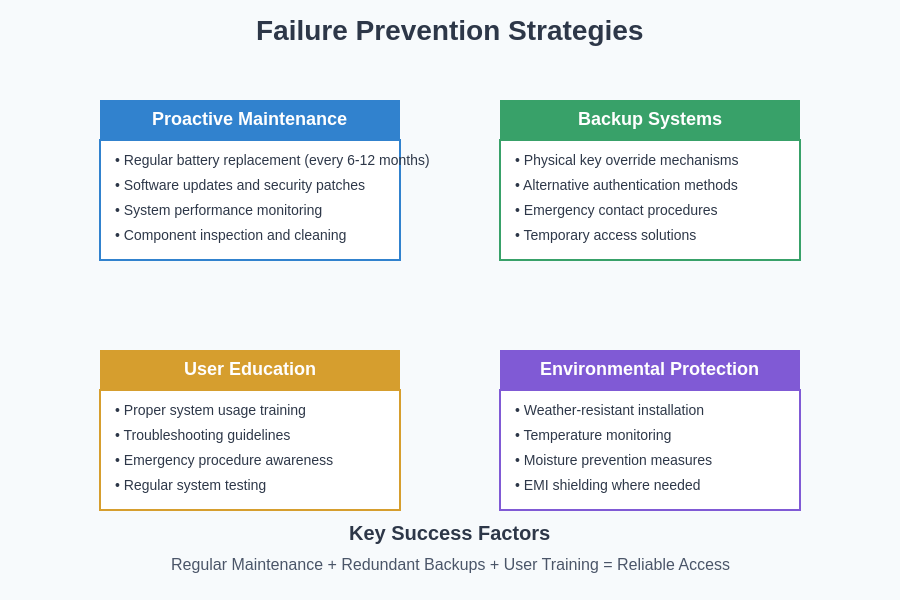
Redundant backup systems including mechanical override keys, alternative authentication methods, and emergency access procedures provide essential failsafe capabilities that enable access during keyless system failures while maintaining reasonable security standards and resident convenience.
Proactive maintenance programs including regular battery replacement, software updates, system inspections, and performance monitoring can prevent many keyless system failures through early detection and resolution of potential problems before they affect resident access.
Emergency response procedures including 24-hour technical support, resident communication protocols, and temporary access solutions ensure rapid response to keyless system failures and minimize disruption to resident access and building security during system recovery efforts.
Resident education about proper system usage, troubleshooting procedures, emergency contacts, and backup access methods helps prevent user-related failures and enables faster resolution of access issues when problems occur with keyless entry systems.
The reliability challenges inherent in keyless entry systems require careful consideration of failure modes, preventive measures, and backup procedures to realize the benefits of advanced access control technology while maintaining reasonable access reliability and security standards. How to find the perfect sharehouse in Tokyo should include evaluation of keyless system reliability and backup procedures when assessing potential housing options that utilize these technologies.
Disclaimer
This article provides general information about keyless entry system reliability issues for educational purposes and does not constitute technical or security advice. Keyless system designs, failure modes, and reliability characteristics vary significantly between manufacturers and models. Property managers and residents should consult with qualified security professionals and system manufacturers when evaluating, implementing, or troubleshooting keyless entry systems. The information provided reflects general patterns and may not apply to all systems or situations.