The quality of kitchen equipment in Tokyo sharehouses represents one of the most significant yet overlooked factors that can dramatically transform your daily living experience from frustrating drudgery to culinary enjoyment. The vast disparities in appliance quality, maintenance standards, and replacement policies across different sharehouses create situations where residents in seemingly similar properties face completely different cooking realities, affecting everything from meal preparation efficiency to long-term satisfaction with their living arrangements.
Understanding the underlying economic, management, and cultural factors that drive these quality variations empowers prospective residents to make informed decisions while helping current residents advocate for improvements or plan strategic relocations. The kitchen environment serves as a microcosm of overall property management philosophy, revealing insights into operational priorities, resident satisfaction focus, and long-term investment strategies that extend far beyond cooking appliances alone.
Economic Pressures and Cost-Cutting Strategies
The fundamental driver behind kitchen equipment quality variations stems from the intense economic pressures facing sharehouse operators in Tokyo’s competitive rental market. Property management companies constantly balance profitability against resident satisfaction, leading to strategic decisions about where to allocate limited maintenance and upgrade budgets that directly impact kitchen quality standards.
Budget sharehouses often prioritize keeping monthly rents artificially low by compromising on appliance quality, purchasing the cheapest available options during initial setup and delaying replacements until equipment completely fails. Living costs in Tokyo sharehouses explained reveals how these cost-cutting measures affect overall resident expenses through increased food waste, longer cooking times, and the necessity of eating out more frequently due to inadequate kitchen facilities.
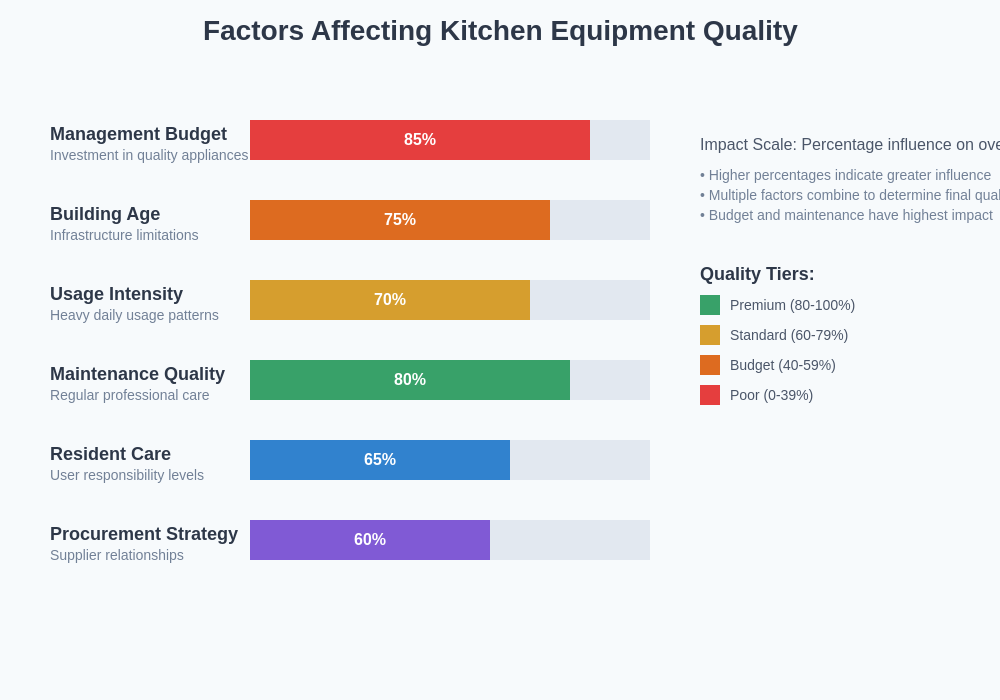
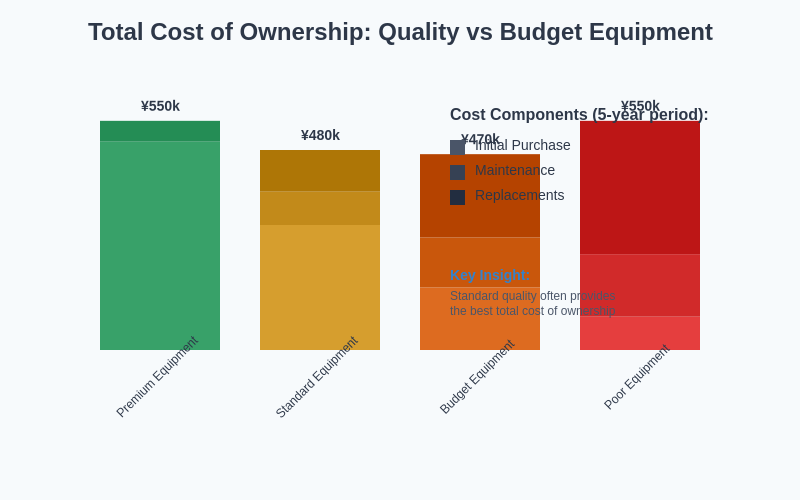
Premium sharehouses invest significantly more in high-quality appliances, understanding that superior kitchen equipment justifies higher rental rates while reducing long-term maintenance costs through improved durability and reliability. The economic calculation becomes complex when considering resident turnover rates, as poor kitchen conditions contribute to shorter tenancy periods, increasing vacancy costs and resident acquisition expenses that can exceed the savings from cheaper equipment.
Market segmentation strategies deliberately create quality tiers that cater to different demographic groups, with student-focused properties accepting lower equipment standards while professional-oriented sharehouses maintain premium kitchen facilities to attract higher-paying, longer-term residents. How to find perfect sharehouse tokyo emphasizes the importance of evaluating kitchen quality during property selection to ensure alignment with cooking habits and lifestyle expectations.
Property Age and Infrastructure Limitations
The age of sharehouse buildings creates fundamental constraints on kitchen equipment quality that extend beyond simple appliance selection to encompass electrical capacity, plumbing infrastructure, and spatial limitations that prevent meaningful upgrades regardless of management intentions or budget availability.
Older buildings converted into sharehouses often struggle with inadequate electrical systems that cannot support modern high-powered appliances, forcing property managers to install lower-quality alternatives that operate within existing power limitations. These infrastructure constraints become particularly problematic when trying to accommodate energy-efficient appliances or multiple high-consumption devices simultaneously, leading to frequent circuit breaker trips and cooking delays during peak usage periods.
Plumbing systems in aging buildings frequently lack the pressure and drainage capacity required for modern dishwashers and garbage disposals, limiting kitchen functionality and forcing residents to rely on manual washing methods that consume more time and create additional frustration. The spatial constraints of older kitchen layouts prevent the installation of larger, more efficient appliances even when budgets allow for upgrades.
Purpose-built modern sharehouses enjoy significant advantages in kitchen equipment quality through contemporary electrical systems, optimal plumbing infrastructure, and thoughtfully designed kitchen layouts that accommodate high-quality appliances while providing adequate counter space and storage for efficient meal preparation. Student sharehouses near top tokyo universities often occupy newer buildings with superior infrastructure that supports better kitchen equipment despite targeting budget-conscious demographics.
Management Philosophy and Resident Priorities
The fundamental management philosophy of sharehouse operators profoundly influences kitchen equipment quality through decisions about maintenance priorities, replacement schedules, and responsiveness to resident feedback regarding cooking facility improvements and equipment failures.
Profit-maximizing operators typically adopt reactive maintenance approaches, replacing kitchen equipment only after complete failure and selecting the cheapest available replacements regardless of quality or resident satisfaction implications. This approach creates cycles of equipment degradation where residents experience progressively worse cooking conditions as appliances deteriorate without preventive maintenance or timely upgrades.
Resident-focused management companies proactively maintain kitchen equipment through regular cleaning, calibration, and preventive replacement before complete failure occurs. These operators recognize that superior kitchen facilities directly correlate with resident satisfaction, positive reviews, and reduced turnover rates that justify higher equipment investments through improved financial performance.
Communication channels between residents and management significantly impact kitchen quality outcomes, as responsive operators address equipment issues quickly while unresponsive management allows problems to compound into major failures requiring expensive emergency replacements. Japanese sharehouse rules every foreigner should know includes guidelines for reporting equipment problems and understanding maintenance request procedures that can influence response times and resolution quality.
Usage Intensity and Wear Patterns
The intensity of kitchen equipment usage in sharehouses far exceeds typical household levels, creating accelerated wear patterns that can quickly degrade even high-quality appliances when combined with inadequate maintenance protocols and varying resident care standards.
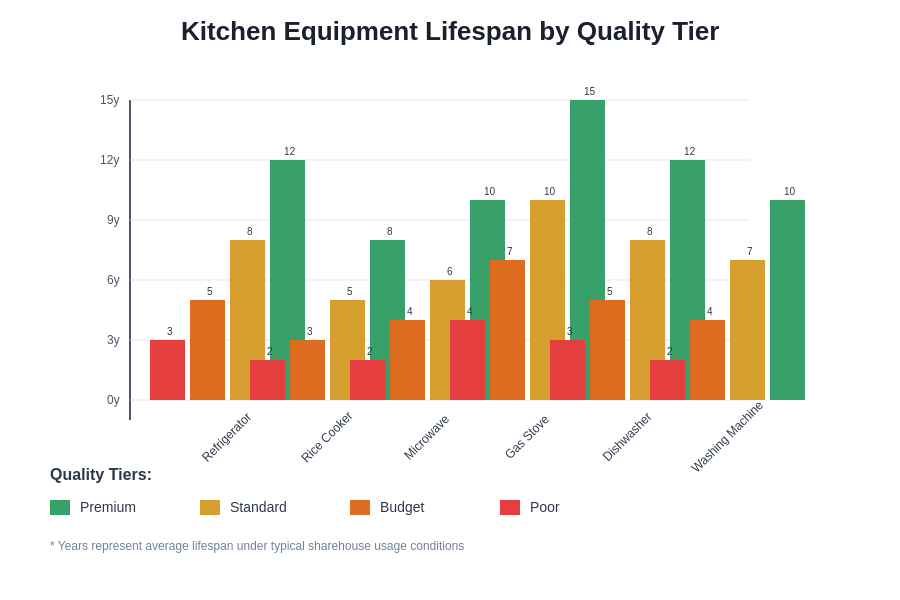
Shared kitchens serving multiple residents experience continuous usage throughout the day, with appliances running at or near capacity for extended periods that exceed manufacturer design specifications for residential use. This intensive usage pattern particularly affects complex appliances like rice cookers, microwaves, and refrigerators that struggle to maintain performance under constant demand while lacking sufficient cooling periods for optimal operation.
Resident care standards vary dramatically based on cultural backgrounds, cooking experience levels, and personal responsibility attitudes that directly impact equipment longevity through cleaning habits, proper usage techniques, and reporting of minor issues before they develop into major problems. Living with japanese roommates in tokyo sharehouses explores how different cultural approaches to shared facility care affect overall kitchen conditions and equipment lifespan.
Peak usage periods during morning and evening meal preparation create bottlenecks that force residents to use equipment improperly, such as overloading washing machines, using inappropriate cookware on specific stove types, or rushing through cooking processes that increase accident risks and equipment damage. These usage patterns compound over time, creating visible quality differences between peak-hour and off-hour equipment conditions that affect resident satisfaction and cooking efficiency.
Supply Chain and Procurement Challenges
The procurement strategies employed by sharehouse operators significantly influence kitchen equipment quality through supplier relationships, bulk purchasing arrangements, and replacement timing decisions that balance cost optimization with functionality requirements and resident satisfaction objectives.
Large sharehouse operators often negotiate bulk purchasing agreements that prioritize cost savings over quality, selecting appliances based primarily on initial purchase price rather than total cost of ownership calculations that include maintenance, energy consumption, and replacement frequency factors. These procurement strategies can result in false economy situations where cheaper appliances require more frequent replacement and generate higher long-term costs despite lower upfront investments.
Independent sharehouse operators frequently lack the purchasing power to negotiate favorable supplier terms, forcing them to choose between expensive high-quality equipment or budget alternatives that may not meet resident needs or usage intensity requirements. This procurement disadvantage particularly affects smaller properties that cannot justify commercial-grade equipment costs while struggling with the inadequacy of residential-grade alternatives under heavy usage conditions.
Supply chain disruptions and seasonal availability fluctuations can force emergency equipment replacements using whatever products are immediately available, regardless of quality standards or compatibility with existing kitchen setups. Best sharehouses in tokyo typically maintain strategic equipment inventories and established supplier relationships that enable quick replacements without compromising quality standards.
Cultural Expectations and International Standards
Cultural differences in cooking habits, appliance expectations, and kitchen functionality requirements create complex challenges for sharehouse operators serving diverse international populations with varying equipment quality standards and usage patterns that may conflict with traditional Japanese kitchen designs and appliance selections.
Western residents often expect larger refrigerators, powerful ovens, and dishwashers that are uncommon in traditional Japanese kitchens, creating pressure on sharehouse operators to provide international-standard equipment that may not align with local supplier availability or building infrastructure capabilities. These expectation gaps can result in resident dissatisfaction even when equipment meets local quality standards but fails to support familiar cooking methods and food storage requirements.
Japanese cooking traditions emphasize rice cookers, gas stovetops, and compact appliances that may seem inadequate to international residents accustomed to different kitchen equipment configurations and cooking methodologies. English speaking sharehouses in tokyo for foreigners often invest in international-standard equipment to meet resident expectations while maintaining competitive positioning in the foreign resident market segment.
Quality perception differences between cultures can create situations where equipment that satisfies one demographic group disappoints another, forcing management decisions about whether to standardize around local preferences, international expectations, or attempt to accommodate multiple standards within the same kitchen environment. These cultural considerations particularly affect appliance selection, kitchen layout optimization, and maintenance standard development.
Maintenance Protocols and Professional Standards
The sophistication and consistency of maintenance protocols directly determine kitchen equipment longevity and performance quality through preventive care schedules, professional service relationships, and resident education programs that promote proper usage and immediate problem reporting.
Professional maintenance programs include regular deep cleaning, calibration adjustments, and component replacement schedules that maintain appliance performance at optimal levels while identifying potential problems before they result in complete equipment failure. These proactive approaches require higher ongoing operational costs but typically result in superior equipment quality and extended appliance lifespans that justify the investment through reduced replacement frequency.
Amateur or neglected maintenance approaches allow equipment to degrade gradually through accumulated grease, mineral deposits, and mechanical wear that reduces performance and accelerates failure rates. Understanding utility bills in japanese sharehouses includes information about maintenance fee allocations that can indicate the level of professional care applied to kitchen equipment upkeep.
Resident education programs teach proper appliance usage, cleaning techniques, and problem identification skills that significantly extend equipment life while maintaining performance quality through informed usage patterns and early intervention when issues develop. These educational initiatives require management investment but create substantial returns through reduced equipment replacement costs and improved resident satisfaction with kitchen facility quality.
Seasonal and Environmental Factors
Tokyo’s distinct seasonal climate variations create environmental stresses on kitchen equipment that accelerate wear patterns and affect performance quality through humidity fluctuations, temperature extremes, and seasonal usage pattern changes that challenge appliance reliability and maintenance requirements.
Summer humidity levels can damage electronic components in kitchen appliances while promoting mold growth and corrosion that degrades equipment performance and creates hygiene concerns affecting resident satisfaction with cooking facilities. Air conditioning systems in kitchens often struggle to maintain optimal conditions for both resident comfort and equipment protection, forcing compromises that may prioritize human comfort over appliance longevity.
Winter heating patterns create temperature fluctuations that stress appliance seals, gaskets, and electronic components while increasing energy consumption that may exceed electrical system capacities in older buildings. How air quality problems develop in crowded spaces explains how seasonal ventilation changes affect kitchen equipment operation and indoor air quality.
Seasonal cooking pattern changes affect equipment usage intensity, with hot pot seasons increasing demand on portable burners and rice cookers while summer preferences shift toward cold food preparation that reduces traditional cooking appliance usage. These seasonal variations can mask equipment problems during low-usage periods while creating unexpected failures during peak demand seasons.
Regulatory Compliance and Safety Standards
Japanese safety regulations and building codes establish minimum equipment standards for shared residential facilities, but these requirements often represent baseline safety thresholds rather than quality benchmarks, creating significant variation possibilities within compliant installations.
Fire safety regulations particularly affect kitchen equipment selection and installation requirements, mandating specific ventilation systems, automatic shutoff features, and emergency access provisions that can increase equipment costs while limiting appliance options to certified models that may not represent optimal quality choices within regulatory constraints.
Electrical safety standards require specific installation procedures and component specifications that affect equipment reliability and performance quality through proper grounding, circuit protection, and load distribution requirements that vary based on building age and electrical system capacity. How to spot financial red flags in sharehouse contracts includes guidance on identifying properties that may compromise safety compliance to reduce equipment costs.
Health department regulations establish cleaning and maintenance standards for shared kitchen facilities that affect equipment selection toward models that support required sanitation protocols while maintaining performance quality under intensive cleaning regimens that can accelerate wear on components not designed for commercial-level hygiene requirements.
Technology Integration and Modern Expectations
Contemporary kitchen equipment increasingly incorporates smart technology features that enhance functionality and efficiency but create new maintenance challenges and compatibility requirements that affect long-term quality and user satisfaction in shared living environments.
Smart appliances offer remote monitoring, usage optimization, and predictive maintenance capabilities that can improve kitchen equipment quality through data-driven maintenance scheduling and performance optimization, but these benefits require technological infrastructure and management expertise that may not be available in all sharehouse operations.
Traditional appliances without technological integration may offer superior reliability and easier maintenance but lack the efficiency features and user conveniences that modern residents expect, creating satisfaction gaps even when basic functionality remains adequate for cooking requirements. Making friends through tokyo sharehouse communities discusses how shared kitchen technology can either facilitate or complicate social interactions among residents.
Compatibility challenges between different technology standards and internet connectivity requirements can create situations where advanced equipment operates below optimal performance levels due to infrastructure limitations, effectively reducing quality outcomes despite significant equipment investments by property management.
Long-term Investment Strategies
The strategic approach to kitchen equipment investment reveals fundamental differences in business models and resident satisfaction priorities that determine quality trajectories over time through replacement planning, upgrade scheduling, and facility improvement budgeting decisions.
Short-term profit maximization strategies typically minimize kitchen equipment investments while maximizing immediate returns through reduced operational costs, creating declining quality trends that eventually require major capital investments to restore resident satisfaction and competitive positioning in the sharehouse market.
Long-term value creation approaches prioritize consistent equipment quality through planned replacement schedules, proactive upgrades, and resident feedback integration that maintains competitive advantages while building reputation assets that support premium pricing and reduced marketing costs through positive resident referrals and online reviews.
Capital allocation decisions between kitchen improvements and other facility enhancements reveal management priorities and resident satisfaction focus areas that indicate future quality trends and investment likelihood for ongoing equipment maintenance and replacement programs. Real stories from tokyo sharehouse residents provides insights into how kitchen quality affects overall resident satisfaction and tenancy duration decisions.
The complexity of kitchen equipment quality variations in Tokyo sharehouses reflects broader challenges in shared living facility management, where economic pressures, infrastructure constraints, and diverse resident expectations create ongoing tensions between cost optimization and quality maintenance. Understanding these underlying factors enables both residents and operators to make more informed decisions that align expectations with reality while identifying opportunities for improvement that benefit all stakeholders in the shared living ecosystem.
Disclaimer
This article is for informational purposes only and does not constitute professional advice regarding property management or appliance selection. Kitchen equipment quality can vary significantly between individual properties and operators. Readers should personally inspect kitchen facilities and discuss maintenance policies before making housing commitments. The effectiveness of kitchen equipment depends on many factors including usage patterns, maintenance quality, and individual cooking requirements.