Kyoto sharehouses represent a extraordinary gateway into Japan’s most culturally rich and historically significant city, offering international residents an unparalleled opportunity to experience authentic Japanese traditions, customs, and daily life in ways that conventional accommodation simply cannot match. The ancient capital’s unique blend of preserved historical districts, active temple communities, and deeply rooted cultural practices creates an environment where sharehouse living becomes far more than mere accommodation, transforming into a comprehensive cultural education that shapes residents’ understanding of Japan’s profound heritage and contemporary society.
The distinctive character of Kyoto’s sharehouse scene emerges from the city’s remarkable preservation of traditional architecture, neighborhood customs, and seasonal celebrations that have remained largely unchanged for centuries. Unlike the fast-paced modernization of Tokyo, Kyoto maintains a deliberate pace that allows residents to truly absorb and participate in cultural practices that define the essence of Japanese civilization, making Tokyo vs Osaka sharehouses for international students comparisons reveal Kyoto’s unique position as Japan’s cultural heart.
Living in Traditional Architecture and Historic Neighborhoods
Kyoto’s sharehouse landscape distinguishes itself through the prevalence of converted traditional buildings, including machiya townhouses, renovated temples, and historic structures that have been thoughtfully adapted for contemporary shared living while preserving their essential architectural character and cultural significance. These buildings offer residents daily interaction with traditional Japanese design elements such as tatami flooring, fusuma sliding doors, interior gardens, and wooden construction techniques that have remained unchanged for generations.
The experience of waking up in a room with shoji paper windows that filter morning light, walking on tatami mats that connect you to centuries of Japanese daily life, and sharing common spaces designed according to traditional principles of harmony and balance creates an immersive cultural education that extends far beyond simple appreciation of aesthetics. Living with Japanese roommates in Tokyo sharehouses provides valuable context, but Kyoto’s environment offers even deeper cultural integration through architectural authenticity.
Historic neighborhoods like Gion, Pontocho, and Arashiyama maintain their traditional character while hosting modern sharehouses that serve as bridges between past and present. Residents find themselves naturally adopting customs and behaviors that align with their surroundings, from removing shoes at appropriate thresholds to appreciating the seasonal changes reflected in garden designs and interior decorations that mark the passage of time according to traditional Japanese calendars.
The daily routines of sharehouse residents become intertwined with neighborhood rhythms that have persisted for centuries, including morning temple bells, evening purification rituals, and seasonal festivals that transform entire districts into living museums where residents participate as community members rather than mere observers.
Immersion in Temple Culture and Spiritual Practices
Kyoto’s extraordinary concentration of over 2,000 temples and shrines creates an environment where sharehouse residents naturally encounter Buddhist and Shinto practices as integral parts of daily life rather than tourist attractions. Many sharehouses are located within walking distance of major temples, while some are actually converted temple buildings or structures within temple complexes that provide unprecedented access to spiritual communities and religious practices.
The proximity to active temple communities offers residents opportunities to participate in morning meditation sessions, seasonal ceremonies, and cultural events that provide deep insights into Japanese spiritual traditions and their influence on contemporary society. Understanding how these practices shape daily decision-making, social interactions, and personal development becomes possible through sustained exposure and voluntary participation that sharehouses facilitate.
Residents often discover that temple festivals, meditation practices, and seasonal celebrations become natural extensions of their living experience, with housemates sharing knowledge about appropriate participation methods, cultural significance, and personal benefits derived from engaging with these traditions. Japanese sharehouse rules every foreigner should know becomes particularly relevant in Kyoto’s temple-adjacent living situations where cultural sensitivity and proper etiquette carry additional significance.
The influence of Buddhist principles on sharehouse community dynamics becomes apparent through practices of mindfulness, respect for shared spaces, and consideration for others that naturally emerge in environments where spiritual values permeate daily life. Residents report developing greater appreciation for silence, contemplation, and harmony as these become practical necessities rather than abstract concepts.
Seasonal Cultural Celebrations and Community Integration
Kyoto’s calendar revolves around seasonal celebrations that transform the city into a series of cultural festivals, each offering sharehouse residents unique opportunities to participate in traditions that connect them to centuries of Japanese cultural evolution. The famous cherry blossom season, autumn maple viewing, summer festivals, and winter illuminations become shared experiences that bring sharehouse communities together while integrating them into broader neighborhood celebrations.
Spring brings hanami parties in sharehouse gardens and nearby parks where residents learn proper etiquette for cherry blossom viewing, including food preparation, sake appreciation, and group dynamics that reflect Japanese social values. Making friends through Tokyo sharehouse communities offers valuable insights, but Kyoto’s seasonal celebrations provide structured opportunities for cultural learning and community building that extend beyond typical social interactions.
Summer festivals like Gion Matsuri involve entire neighborhoods in months-long preparation and celebration that transforms sharehouses into staging areas for costume preparation, food sharing, and cultural education as residents learn about festival history, participate in community preparations, and experience the profound sense of collective identity that these events create.
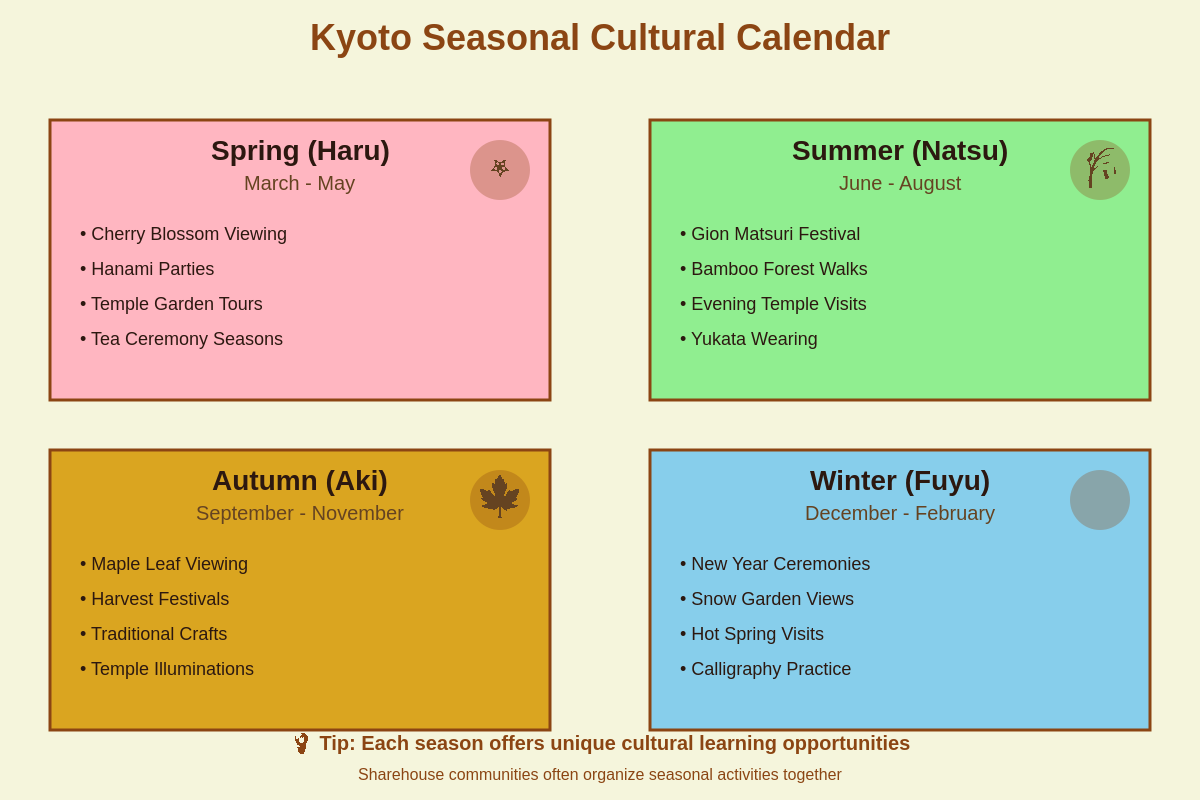
Autumn brings opportunities for maple leaf viewing, temple illuminations, and harvest celebrations that teach residents about Japanese relationships with nature, seasonal awareness, and the cultural significance of recognizing and celebrating natural cycles that urban life often obscures.
Traditional Arts and Crafts Learning Opportunities
Kyoto’s status as Japan’s traditional arts and crafts center creates unparalleled learning opportunities for sharehouse residents who find themselves surrounded by artisans, workshops, and cultural institutions dedicated to preserving and teaching traditional skills. The city’s concentration of pottery studios, textile workshops, calligraphy schools, and traditional music instruction provides accessible pathways for cultural learning that complement the daily immersion of sharehouse living.
Many sharehouses organize group activities that introduce residents to traditional arts such as tea ceremony, flower arrangement, calligraphy, and traditional cooking techniques that provide hands-on understanding of Japanese aesthetic principles and cultural values. These activities often take place in neighborhood workshops where residents learn alongside local practitioners, creating opportunities for language exchange and cultural dialogue that deepen understanding of Japanese society.
The availability of traditional craft instruction allows residents to develop practical skills while gaining appreciation for the patience, precision, and dedication that Japanese culture values in all endeavors. Learning pottery from local artisans, participating in textile dyeing workshops, or studying traditional music instruments becomes possible through the community connections that sharehouses facilitate.
Understanding the philosophical foundations underlying traditional arts provides residents with insights into Japanese approaches to learning, mastery, and personal development that influence contemporary business practices, educational methods, and social relationships throughout Japanese society.
Language Learning Through Cultural Context
Kyoto’s preservation of traditional language forms, regional dialects, and formal speech patterns creates exceptional opportunities for language learning that extends far beyond conventional instruction to include cultural context, historical significance, and practical application in authentic settings. Sharehouse residents encounter Japanese language usage that ranges from ancient temple terminology to contemporary casual conversation, providing comprehensive exposure to the language’s complexity and cultural embedding.
Daily interactions with temple communities, traditional craftspeople, and long-term neighborhood residents expose learners to vocabulary, expressions, and communication styles that reflect Japanese cultural values and historical development. English-speaking sharehouses in Tokyo for foreigners may provide comfort, but Kyoto’s environment encourages deeper linguistic and cultural integration through necessity and opportunity.
The formal language requirements of temple visits, traditional arts instruction, and seasonal celebrations provide structured learning opportunities where language acquisition occurs within meaningful cultural contexts that enhance retention and understanding. Residents learn not just vocabulary and grammar but the cultural appropriateness of different speech levels, seasonal expressions, and regional variations that reflect Kyoto’s unique position in Japanese society.
Participating in neighborhood activities, local festivals, and traditional ceremonies requires and develops specific language skills that connect linguistic competence with cultural understanding, creating comprehensive learning experiences that transform residents’ ability to navigate Japanese society with confidence and cultural sensitivity.
Culinary Traditions and Food Culture Immersion
Kyoto’s distinctive culinary traditions, including kaiseki cuisine, vegetarian temple food, traditional sweets, and seasonal specialties, provide sharehouse residents with daily opportunities to experience Japanese food culture in its most refined and culturally significant forms. The city’s concentration of traditional restaurants, local markets, and cooking schools creates an environment where food becomes a pathway to cultural understanding rather than simple sustenance.
Sharehouse kitchens become laboratories for cultural exchange where residents learn traditional cooking techniques from Japanese housemates, experiment with seasonal ingredients, and develop appreciation for the aesthetic and philosophical principles that guide Japanese cuisine. How dietary restrictions impact shared kitchen use becomes particularly relevant in Kyoto where traditional dietary practices carry deep cultural significance.
The proximity to local markets, traditional sweet shops, and specialty food producers allows residents to understand the seasonal rhythms, quality standards, and cultural meanings associated with different foods and cooking methods. Learning about the connection between Buddhist vegetarian principles and Kyoto cuisine provides insights into how spiritual beliefs influence daily practices and social customs.
Participating in traditional tea ceremony, learning proper meal presentation, and understanding the seasonal significance of different ingredients creates comprehensive cultural education that extends far beyond simple cooking skills to encompass Japanese approaches to aesthetics, hospitality, and mindful living.
Artisan Communities and Traditional Craftsmanship
Kyoto’s thriving artisan communities provide sharehouse residents with unprecedented access to traditional craftsmanship and the cultural values that sustain these practices through generations of masters and apprentices. The city’s concentration of pottery studios, textile workshops, metalworking shops, and traditional carpentry operations creates opportunities for residents to observe, learn from, and sometimes apprentice with craftspeople who maintain skills and knowledge that connect contemporary Japan with its historical foundations.
The emphasis on gradual learning, patient practice, and respectful master-student relationships that characterizes traditional Japanese craftsmanship provides residents with insights into Japanese educational philosophy, workplace dynamics, and approaches to personal development that influence all aspects of society. Understanding these relationships helps residents navigate Japanese social and professional environments with greater cultural awareness and appropriate behavior.
Many artisans welcome international residents who demonstrate genuine interest and respect for traditional methods, creating opportunities for informal apprenticeships, workshop participation, and cultural exchange that benefit both craftspeople seeking to share their knowledge and residents seeking authentic cultural experiences. These relationships often develop into long-term mentoring arrangements that extend far beyond technical instruction to include cultural guidance and community integration.
The patient, methodical approaches required for traditional craftsmanship teach residents about Japanese values of persistence, attention to detail, and continuous improvement that characterize successful navigation of Japanese society in all its forms, from business relationships to personal development.
Garden Culture and Seasonal Awareness
Kyoto’s exceptional concentration of traditional gardens, from temple Zen gardens to private residential spaces, creates an environment where sharehouse residents develop deep appreciation for Japanese relationships with nature, seasonal change, and the cultural significance of cultivated outdoor spaces. Many sharehouses include traditional garden elements or access to community gardens where residents can observe and participate in practices that connect them to fundamental aspects of Japanese cultural identity.
The daily experience of garden maintenance, seasonal plant care, and appreciation of subtle changes in vegetation teaches residents about Japanese approaches to time, patience, and finding beauty in gradual transformation rather than dramatic change. Understanding how garden design reflects philosophical principles provides insights into Japanese aesthetic values and their influence on architecture, interior design, and daily life practices.
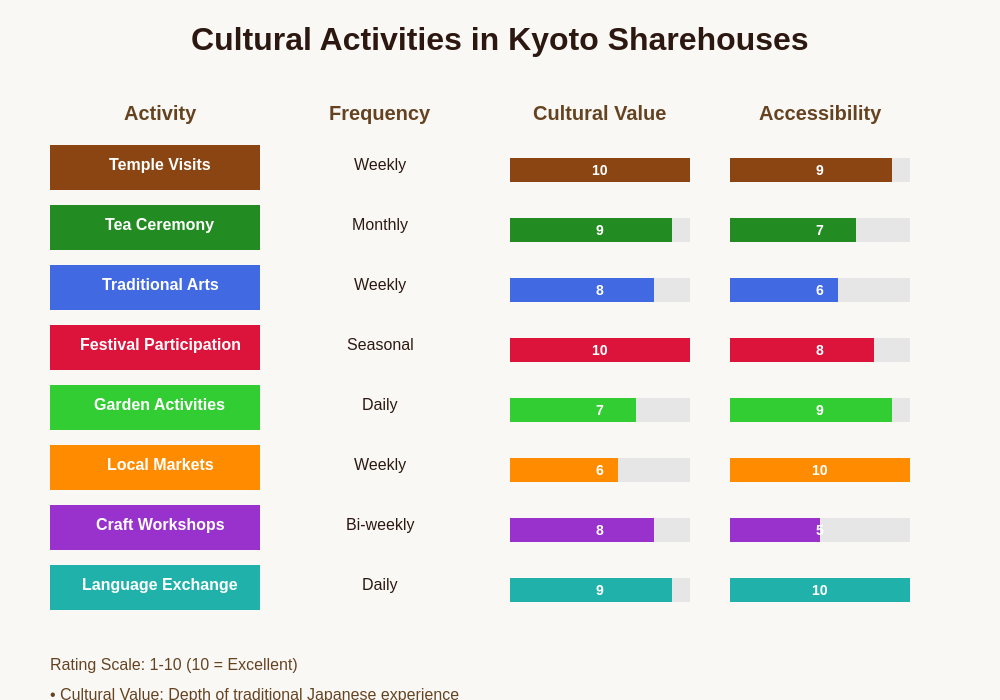
Participating in seasonal garden activities such as cherry blossom preparation, autumn leaf collection, and winter protection methods creates shared experiences that bring sharehouse communities together while teaching practical skills and cultural knowledge. These activities often involve cooperation with neighbors and participation in community garden maintenance that integrates residents into neighborhood social networks.
The meditative aspects of garden care and observation provide residents with practical experience of mindfulness practices that influence Japanese approaches to stress management, personal reflection, and finding meaning in routine activities that characterize successful adaptation to Japanese lifestyle patterns.
Community Integration and Neighborhood Relationships
Kyoto’s preservation of traditional neighborhood structures and community relationships creates opportunities for sharehouse residents to experience authentic Japanese social dynamics and community participation in ways that modern urban environments rarely provide. The city’s traditional merchant districts, residential neighborhoods, and temple communities maintain social customs and mutual support systems that allow residents to participate as community members rather than temporary visitors.
Neighborhood relationships in Kyoto often develop through participation in seasonal cleaning activities, festival preparations, and community celebrations that require cooperation and shared responsibility. How to handle roommate conflicts without moving out provides useful conflict resolution strategies, but Kyoto’s community integration opportunities help prevent conflicts through shared cultural activities and mutual support systems.
The respect for tradition and community harmony that characterizes Kyoto neighborhoods provides residents with direct experience of Japanese social values in practice, including concepts of group responsibility, consensus building, and maintaining harmony that influence workplace dynamics, family relationships, and social interactions throughout Japanese society.
Long-term residents often become integrated into neighborhood leadership roles, participating in community decision-making, and developing relationships that extend far beyond their sharehouse experience to include lasting connections with Japanese families, local businesses, and community organizations that provide ongoing cultural education and social support.
Economic and Practical Advantages of Cultural Immersion
The unique cultural experiences available through Kyoto sharehouses provide residents with practical advantages that extend far beyond personal enrichment to include enhanced career opportunities, improved language skills, and cultural competencies that prove valuable in international business, education, and cultural exchange careers. Living costs in Tokyo sharehouses explained offers useful comparison points, but Kyoto’s cultural immersion opportunities provide additional value through comprehensive cultural education.
Employers increasingly value cultural competency and international experience, particularly in roles involving Japanese business relationships, cultural sensitivity, and cross-cultural communication. The deep cultural understanding developed through Kyoto sharehouse living provides residents with competitive advantages in fields ranging from international business to academic research to cultural tourism and educational exchange programs.
The language skills developed through cultural immersion exceed those possible through classroom instruction alone, providing residents with practical communication abilities, cultural awareness, and confidence in formal and informal Japanese settings that prove valuable throughout their careers and personal relationships.
The network of relationships developed through community integration, artisan connections, and cultural participation often provides ongoing support, business opportunities, and personal relationships that continue to benefit residents long after their sharehouse experience concludes, creating lasting value that extends far beyond the immediate cultural education.
The investment in Kyoto sharehouse living represents not just accommodation and cultural experience but comprehensive preparation for success in Japanese society and international careers that require cultural competency, language skills, and deep understanding of Japanese values and practices that shape contemporary global business and cultural relationships.
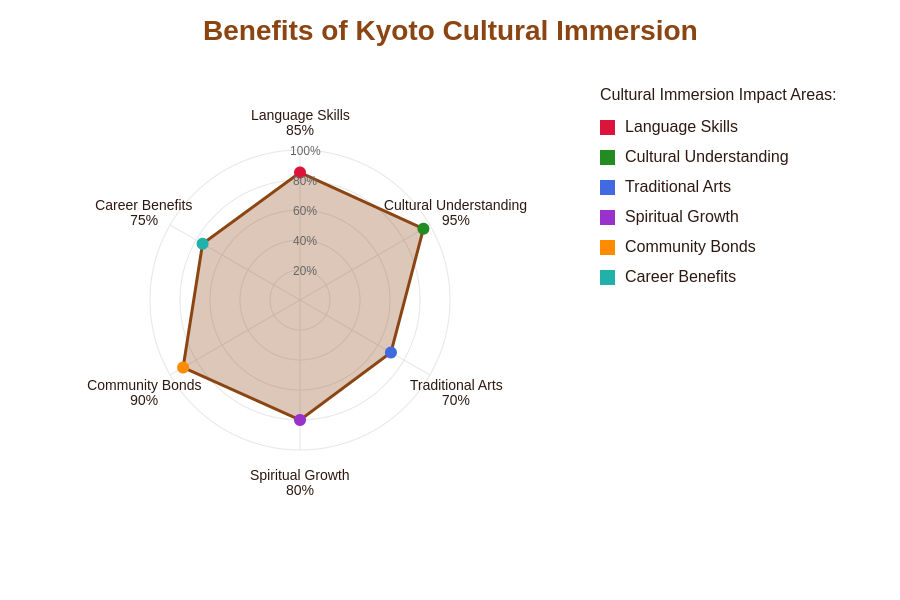
Living in Kyoto sharehouses offers transformative cultural experiences that create lasting personal growth, practical skills, and cultural understanding that enriches residents’ lives while providing them with capabilities and perspectives that prove valuable throughout their careers and personal development. The combination of traditional architecture, spiritual community, artisan access, and neighborhood integration creates educational opportunities that no other accommodation option can match.
Disclaimer
This article is for informational purposes only and does not constitute professional advice. Cultural experiences and community integration opportunities may vary depending on specific sharehouse locations, individual circumstances, and seasonal availability. Readers should research specific properties and communities to understand what cultural experiences and learning opportunities are available. Respect for local customs and traditions is essential for successful community integration and cultural learning.