
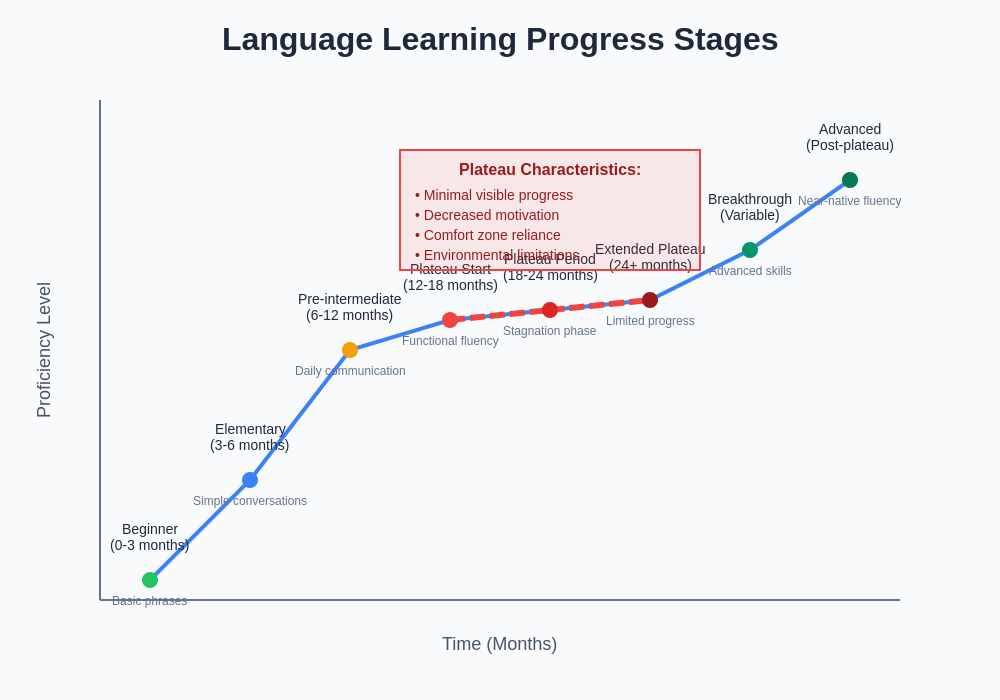
The initial excitement of rapid Japanese language acquisition that many international residents experience during their first months in Tokyo sharehouses often gives way to frustrating periods of stagnation that can persist for months or even years. This phenomenon, commonly known as the language learning plateau, represents one of the most challenging aspects of long-term residence in Japan, affecting countless motivated learners who find themselves unable to progress despite consistent effort and immersion in Japanese-speaking environments.
Understanding why language learning progress slows down requires examining the complex interplay between psychological factors, environmental influences, and the inherent challenges of mastering Japanese as a second language. The sharehouse living environment, while offering unique opportunities for cultural immersion and language practice, can paradoxically contribute to learning stagnation through various subtle mechanisms that affect motivation, practice quality, and long-term retention of linguistic skills.
The Psychology Behind Language Learning Plateaus
The human brain’s approach to language acquisition follows predictable patterns that initially favor rapid progress through basic vocabulary and grammar structures, followed by increasingly difficult advancement as learners encounter the nuanced complexities of natural communication. How language barriers prevent deep friendships explores how these limitations affect social relationships and motivation to continue learning.
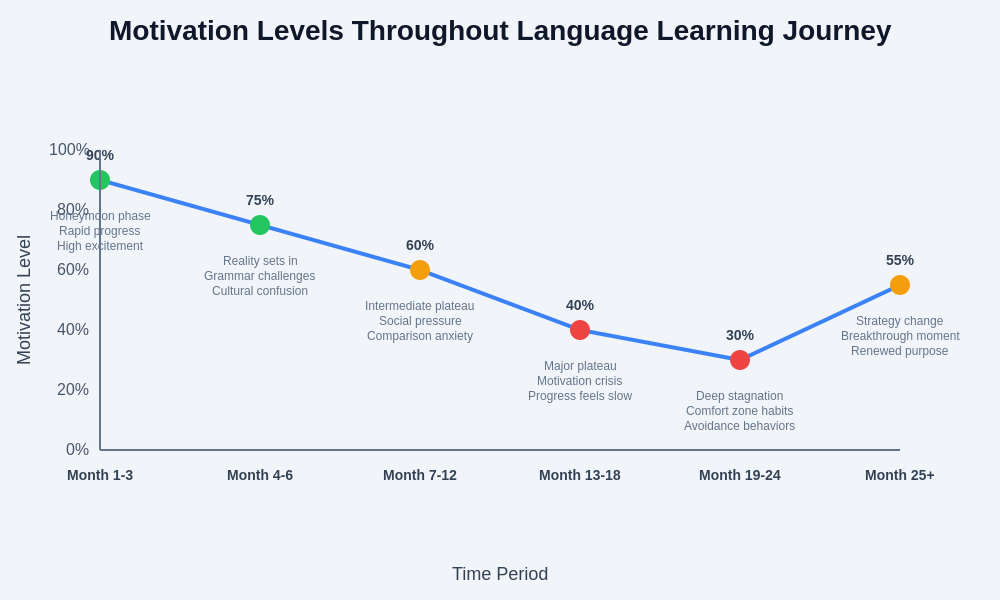
During the initial stages of Japanese language learning, students experience significant dopamine releases associated with recognizing familiar characters, successfully completing basic conversations, and achieving small daily victories in communication. These neurochemical rewards create positive feedback loops that sustain motivation and encourage continued study efforts, making the learning process feel effortless and enjoyable.
However, as learners progress beyond elementary levels, the brain requires increasingly complex neural pathways to process advanced grammar structures, cultural nuances, and sophisticated vocabulary that characterizes natural Japanese communication. The diminishing frequency of obvious progress markers reduces the psychological rewards associated with learning, creating periods where effort seems disproportionate to visible improvement.
The psychological impact of living in sharehouses can exacerbate these natural learning challenges through comparison with other residents’ language abilities, social pressure to communicate effectively in group settings, and the stress associated with daily survival in a foreign language environment. These factors combine to create mental fatigue that interferes with the relaxed, receptive state of mind optimal for language acquisition.
Environmental Factors in Sharehouse Settings
Sharehouse environments present unique challenges to sustained language learning that extend beyond simple exposure to native speakers. How different learning styles clash demonstrates how communal living arrangements can interfere with individual learning preferences and optimal study conditions.
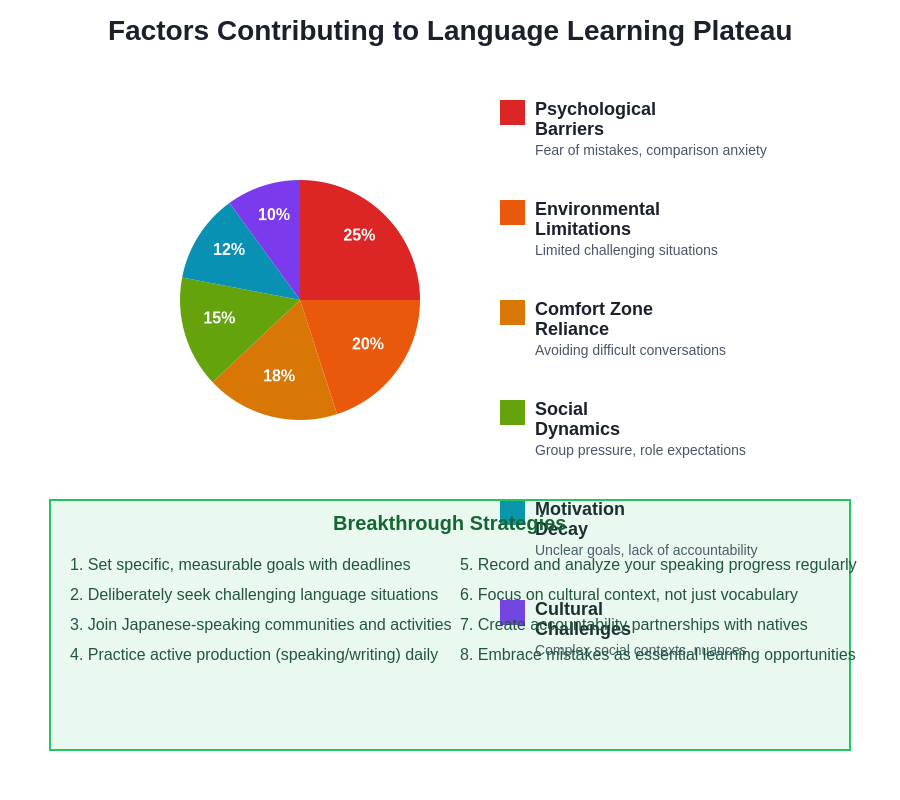
The constant availability of English-speaking housemates creates unconscious reliance on native language communication that undermines the necessity-driven motivation essential for rapid language acquisition. When residents can easily revert to English for complex discussions, emotional expression, or problem-solving, the urgency to develop advanced Japanese skills diminishes significantly.
Noise levels, interruptions, and social obligations within sharehouses frequently disrupt the concentrated study time required for processing complex language concepts and integrating new vocabulary into long-term memory. Why studying becomes difficult in social environments examines how communal living spaces can fragment attention and reduce learning efficiency.
The social dynamics of sharehouse communities can create subtle pressure to maintain certain roles or identities that may conflict with the vulnerability required for effective language learning. Residents who establish themselves as confident, articulate individuals in English may unconsciously resist situations where they appear less competent while speaking Japanese.
The Comfort Zone Trap
Extended residence in sharehouses often leads to the development of comfortable routines and social circles that minimize exposure to challenging Japanese language situations. Why some residents never ask questions illustrates how avoiding difficult conversations can prevent linguistic growth and cultural understanding.
Residents frequently develop functional Japanese vocabulary sufficient for basic daily needs while avoiding more complex linguistic challenges that would require stepping outside established comfort zones. This functional adequacy creates an illusion of progress while actually preventing advancement to higher proficiency levels.
The availability of translation apps, English-language services, and international community support systems can reduce the environmental pressure that historically drove rapid language acquisition among immigrants and long-term residents. While these resources provide valuable support, they can inadvertently reduce the necessity that motivates intensive language study.
Social comfort within established housemate relationships can discourage residents from seeking new Japanese-speaking friendships or participating in activities that would challenge their current language abilities. Making friends through Tokyo sharehouse communities explores how social satisfaction can both support and hinder language development.
Academic and Professional Pressure
The transition from structured language learning environments such as language schools to independent study while managing work or academic responsibilities creates significant challenges for maintaining consistent progress. How academic deadlines affect house mood demonstrates how competing priorities can derail language learning routines.
Professional environments that primarily use English or provide extensive support for non-native Japanese speakers can reduce daily exposure to challenging language situations that drive improvement. While these accommodating workplaces provide career opportunities, they may inadvertently limit language development by reducing the necessity for advanced Japanese communication skills.
Academic programs conducted in English, while offering educational opportunities, can create linguistic isolation that prevents students from engaging with broader Japanese society and developing the cultural competence essential for advanced language mastery. The academic bubble effect limits exposure to diverse communication styles and contexts that characterize natural language use.
The mental energy required for academic or professional success in a second language often leaves residents exhausted and unable to engage in additional language learning activities during their free time. This cognitive fatigue compounds the natural challenges of language acquisition and can lead to extended periods of stagnation.
Cultural Integration Challenges
Successful language learning requires cultural integration that extends far beyond vocabulary and grammar mastery to include understanding subtle social cues, implicit communication patterns, and cultural contexts that give meaning to linguistic expressions. How cultural differences affect friendship building examines how cultural barriers can limit meaningful practice opportunities.
The hierarchical nature of Japanese communication, with its complex system of honorifics, formal registers, and contextual appropriateness, presents ongoing challenges that can overwhelm learners accustomed to more egalitarian communication styles. Mistakes in these areas can have social consequences that discourage experimental language use essential for improvement.
Seasonal cultural events, traditional customs, and generational differences in communication styles create constantly shifting linguistic landscapes that require continuous adaptation and learning. How cultural festivals affect house activities shows how cultural participation opportunities can both enhance and complicate language learning experiences.
The emotional energy required to navigate cultural differences while maintaining personal identity can create psychological stress that interferes with the openness and curiosity essential for effective language acquisition. Residents may unconsciously retreat into familiar cultural patterns that provide emotional comfort but limit linguistic growth.
Motivation Decay and Goal Confusion
Initial language learning goals often lack specificity or realistic timelines, leading to disappointment and decreased motivation when progress doesn’t match unrealistic expectations. How language learning goals influence roommate selection explores how unclear objectives can undermine long-term learning strategies.
The absence of external accountability structures such as regular testing, formal evaluations, or professional requirements can allow motivation to gradually decline without immediate consequences. Unlike academic settings with built-in progression markers, independent language learning requires self-generated motivation that can be difficult to maintain over extended periods.
Changes in life circumstances, career priorities, or personal relationships can shift focus away from language learning goals without conscious decision-making, leading to gradual neglect of study routines and practice opportunities. These subtle priority shifts often occur without awareness until significant stagnation becomes apparent.
The lack of clear intermediate milestones between basic communication ability and native-like fluency can create periods where progress feels imperceptible, undermining confidence and reducing motivation to continue intensive study efforts. This perception of stagnation often occurs during periods of actual improvement that are less immediately visible.
Social Dynamics and Peer Influence
Sharehouse social hierarchies based on language ability, cultural knowledge, or length of residence can create psychological barriers that discourage residents from practicing Japanese in group settings where they might appear less competent. How social hierarchies develop naturally examines how these dynamics affect learning opportunities.
Peer pressure to maintain certain social roles or identities within the house community can prevent residents from embracing the temporary incompetence necessary for language improvement. The fear of appearing foolish or losing social status can override the risk-taking behavior essential for linguistic development.
Group conversations that consistently revert to English for inclusivity, while socially considerate, can deprive residents of regular exposure to natural Japanese discourse patterns and group communication dynamics. These well-intentioned accommodations may inadvertently limit language development opportunities.
The tendency for residents with similar language abilities to form close friendships can create echo chambers where linguistic mistakes are mutually reinforced and progress stagnates at similar levels. While these relationships provide emotional support, they may not challenge language abilities sufficiently to drive improvement.
Technology and Resource Overwhelming
The abundance of language learning apps, online resources, and digital tools can create decision paralysis that prevents consistent engagement with any single learning method long enough to achieve meaningful progress. How digital entertainment replaces social interaction explores how technology can both support and hinder language learning.
Over-reliance on passive consumption of Japanese media without active production practice can create false impressions of progress while failing to develop speaking and writing abilities essential for real-world communication. This input-heavy approach may feel productive but often fails to translate into improved conversational abilities.
The gamification of language learning through apps and digital platforms can create addiction to shallow progress markers rather than deep learning that transfers to real-world communication situations. These systems may maintain engagement without producing meaningful improvement in practical language abilities.
Information overload from multiple learning resources can prevent focused, systematic study approaches that allow for deep processing and integration of new linguistic concepts. The constant availability of new materials can become a distraction from consistent practice with core concepts.
Overcoming the Plateau Through Strategic Approaches
Breaking through language learning plateaus requires deliberate strategies that address the underlying psychological, environmental, and motivational factors that contribute to stagnation. How language exchange programs work in sharehouses provides practical approaches for structured language practice within communal living environments.
Setting specific, measurable, and time-bound language goals creates accountability structures that can reignite motivation and provide clear progress markers. These objectives should focus on practical communication abilities rather than abstract fluency concepts that are difficult to assess objectively.
Deliberately seeking challenging linguistic situations that push current ability levels helps maintain the environmental pressure necessary for continued improvement. This might involve joining Japanese-speaking clubs, volunteering for community organizations, or taking on work responsibilities that require advanced communication skills.
Regular assessment through formal testing, conversation practice with native speakers, or recording and analyzing speaking samples provides objective feedback that can reveal progress not immediately apparent in daily interactions. These evaluation methods help learners recognize improvement and identify areas requiring focused attention.
Building Sustainable Learning Habits
Creating consistent daily practices that integrate naturally into sharehouse routines helps maintain steady progress without requiring dramatic lifestyle changes that are difficult to sustain long-term. How individual environmental choices affect groups demonstrates how personal habits can influence community dynamics and create supportive learning environments.
Establishing regular conversation exchanges, study groups, or cultural activities with housemates creates mutual accountability and support systems that can sustain motivation through difficult periods. These collaborative approaches leverage the social aspects of sharehouse living to support rather than hinder language development.
Focusing on intrinsic motivations such as personal growth, cultural understanding, and meaningful relationship building rather than external validation helps maintain long-term commitment to language learning even when progress feels slow or imperceptible.
The key to overcoming language learning plateaus lies in understanding that stagnation represents a natural part of the acquisition process rather than evidence of failure or inability. By addressing the psychological, environmental, and strategic factors that contribute to decreased progress, sharehouse residents can develop sustainable approaches to continued Japanese language development that enhance both their linguistic abilities and overall cultural integration experience.
Disclaimer
This article is for informational purposes only and does not constitute professional educational or psychological advice. Language learning experiences vary significantly between individuals, and the strategies mentioned may not be equally effective for all learners. Readers should consider their personal circumstances and consult with language learning professionals when developing study plans. The challenges described reflect common experiences but may not apply to all sharehouse residents or language learners.