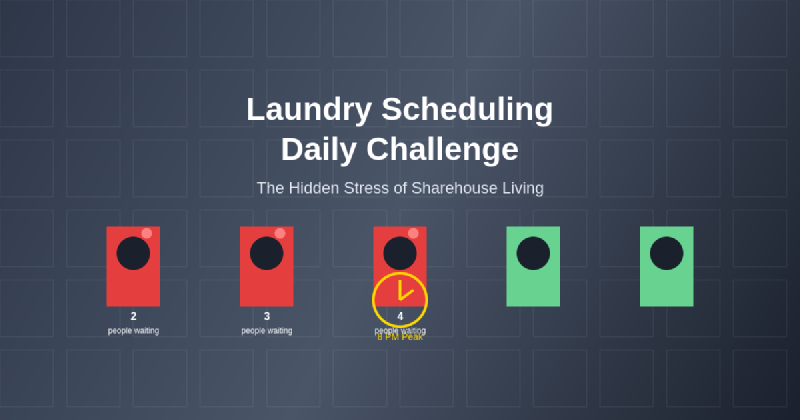
The seemingly simple task of doing laundry transforms into a complex strategic operation when living in Tokyo sharehouses, where multiple residents compete for limited washing machine access while navigating cultural differences, conflicting schedules, and unspoken etiquette rules. What should be a routine household chore becomes a source of daily stress and interpersonal tension that can significantly impact the harmony of shared living environments and individual quality of life.
The laundry scheduling dilemma in sharehouses represents a microcosm of broader challenges inherent in communal living, where individual needs must be balanced against collective resources and cultural expectations. Understanding the root causes and developing effective strategies for managing laundry access becomes essential for maintaining positive relationships with housemates while ensuring personal hygiene and clothing care needs are adequately met.
The Mathematics of Limited Resources
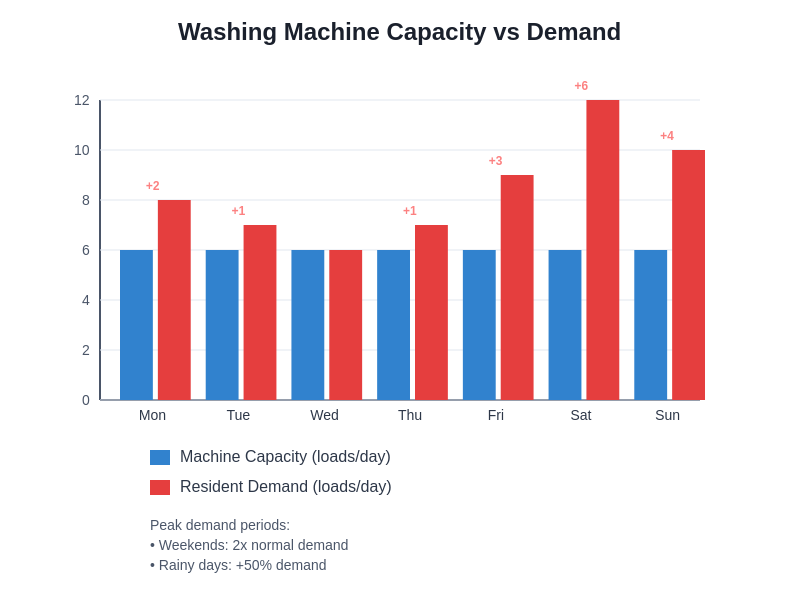
Tokyo sharehouses typically feature one to three washing machines serving anywhere from eight to twenty residents, creating an inherent mathematical impossibility where demand consistently exceeds supply during peak usage periods. Understanding utility bills in Japanese sharehouses reveals how shared facility costs compound the complexity of resource allocation and usage scheduling among residents.
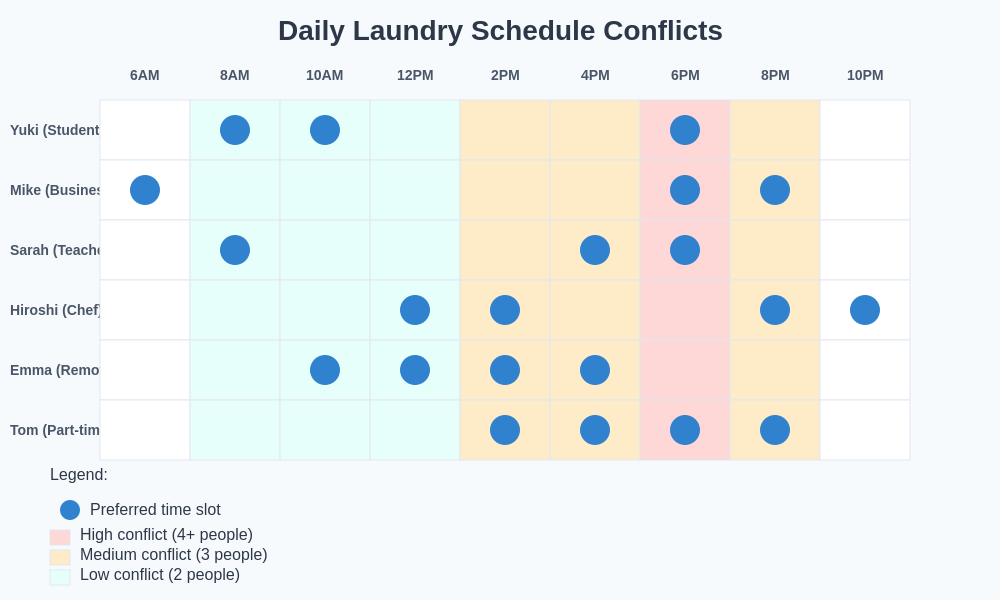
The washing machine capacity constraints become particularly acute during weekends and evenings when most residents have free time to handle personal tasks, creating bottlenecks that can extend laundry completion times from a few hours to multiple days. Each load typically requires three to four hours including washing and drying cycles, meaning that even with perfect coordination, a single machine can only accommodate six loads per day maximum.
Weather dependencies in Japan’s humid climate further complicate scheduling calculations, as rainy seasons and typhoon periods eliminate outdoor drying options and increase reliance on shared drying machines or indoor drying spaces. The cultural preference for air-drying clothes combined with limited indoor space creates additional logistical challenges that affect timing and planning strategies for all residents.
Peak usage patterns emerge predictably around work schedules, with early morning and late evening slots becoming highly contested as residents attempt to accommodate professional obligations while maintaining clothing cleanliness standards. How commute times impact your quality of life demonstrates how transportation schedules further compress available laundry windows for working residents.
Cultural Differences in Washing Habits
Japanese laundry practices often differ significantly from international norms, creating cultural friction and misunderstandings about appropriate usage patterns, detergent choices, and machine maintenance responsibilities. The traditional Japanese approach emphasizes gentle cycles, air-drying, and frequent washing of smaller loads, while many international residents prefer larger, less frequent washing sessions with machine drying.
Temperature preferences for washing water vary dramatically between cultures, with some residents insisting on hot water for sanitation while others prefer cold water for fabric preservation and energy conservation. These fundamental differences in washing philosophy can lead to conflicts over machine settings, detergent residues, and perceived waste of resources or inadequate cleaning standards.
Timing cultural expectations also create challenges, as some cultures prioritize early morning laundry completion while others prefer evening or late-night washing to avoid daytime heat and energy costs. Living with Japanese roommates in Tokyo sharehouses explores how these cultural differences manifest in daily routines and shared facility usage patterns.
The concept of seasonal clothing rotation, deeply embedded in Japanese culture, creates periodic surges in laundry volume that coincide with wardrobe changes and seasonal cleaning traditions. International residents often struggle to anticipate these cultural rhythms, leading to unexpected competition for machine access during traditional cleaning periods.
The Psychology of Queue Management
Waiting for laundry machines creates psychological stress that extends beyond simple inconvenience, affecting residents’ sense of autonomy, time management, and personal hygiene maintenance. The uncertainty of machine availability transforms routine task planning into complex strategic calculations that consume mental energy and create anxiety about clothing cleanliness and social presentation.
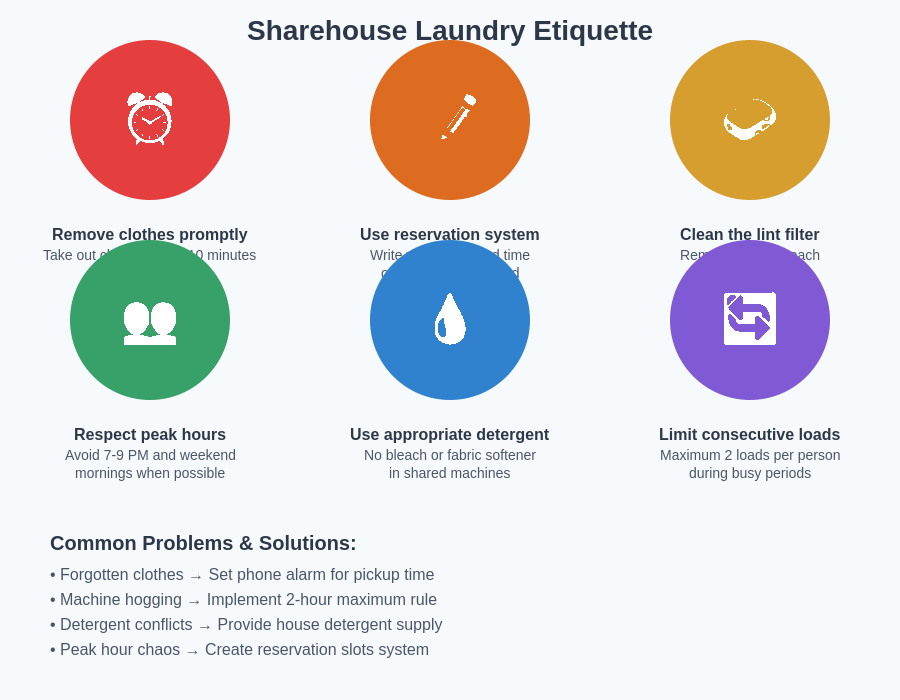
Queue jumping behaviors emerge when residents claim machines through clothing placement or verbal reservations, creating informal territorial systems that can breed resentment and conflict among housemates. The lack of formal reservation systems in most sharehouses forces residents to develop ad hoc solutions that may not be recognized or respected by all community members.
Passive-aggressive behaviors often develop around laundry scheduling, including strategic timing to monopolize machines, leaving clothes in machines beyond completion times, or deliberately using inefficient washing patterns to extend access periods. How to handle roommate conflicts without moving out provides insights into addressing these behavioral conflicts constructively.
The social dynamics of laundry scheduling can create hierarchies and power structures within sharehouses, where senior residents or those with more flexible schedules gain privileged access while working professionals or students with rigid schedules struggle to maintain adequate clothing cleanliness standards.
Professional and Social Implications
Inadequate laundry access directly impacts professional presentation and social confidence, as residents may find themselves wearing wrinkled, unwashed, or inappropriate clothing to work or social events due to scheduling constraints. The stress of uncertain laundry availability can affect sleep patterns, work performance, and social engagement as residents alter their schedules to accommodate machine access.
Emergency laundry situations, such as stained professional clothing or unexpected social invitations, become crisis events in sharehouses with limited machine access and inflexible scheduling systems. The inability to quickly clean essential garments can force residents to purchase duplicate clothing items, use expensive external laundry services, or decline professional and social opportunities.
Business travel and irregular work schedules compound laundry challenges for professionals who cannot predict their availability for machine access or completion monitoring. How business travel affects long-term community building examines how travel patterns disrupt established laundry routines and community dynamics.
The cumulative effect of laundry stress can influence housing decisions, with some residents choosing to move to accommodations with better laundry facilities or opting for more expensive housing options that include in-unit washing machines despite budget constraints.
Technology Gaps and Modern Solutions
Most Tokyo sharehouses operate with basic washing machines lacking smart features or reservation systems that could alleviate scheduling conflicts through digital coordination and real-time availability updates. The absence of cycle completion notifications forces residents to make multiple trips to check machine status, disrupting other activities and creating inefficient time usage patterns.
Mobile applications and digital scheduling systems remain uncommon in sharehouse management, despite their potential to revolutionize laundry coordination through advance reservations, completion alerts, and fair usage monitoring. The traditional management approaches in many sharehouses resist technological solutions that could significantly improve resident satisfaction and facility efficiency.
Smart home technology integration could provide automated solutions for cycle monitoring, usage tracking, and conflict resolution, but implementation costs and management resistance maintain the status quo of inefficient manual coordination systems. How smart home features change daily routines explores the potential for technological improvements in shared living environments.
The digital divide among residents also complicates technology adoption, as older residents or those less comfortable with digital solutions may resist app-based coordination systems, creating fragmented usage patterns and reducing overall system effectiveness.
Financial Pressures and Alternative Solutions
Laundry scheduling challenges force residents to seek alternative solutions that often involve additional costs, including commercial laundromats, dry cleaning services, or purchasing excessive clothing quantities to reduce washing frequency. How to budget realistically for sharehouse living reveals how laundry complications can significantly impact monthly expenses beyond basic accommodation costs.
The temptation to purchase personal washing machines for private rooms creates space constraints and potential electrical system overload in older sharehouses not designed for multiple high-powered appliances. Building management policies often prohibit individual washing machines, forcing residents to continue struggling with shared facility limitations.
Bulk purchasing of clothing items to extend periods between washing becomes a storage challenge in space-limited sharehouse rooms, creating clutter and organization problems that affect living quality and personal comfort. The cycle of purchasing, storing, and eventually discarding excess clothing represents a hidden cost of inadequate laundry access.
External laundry services, while providing immediate solutions to scheduling conflicts, can cost significantly more than shared facility usage and may not align with budget constraints of price-conscious sharehouse residents seeking affordable housing options.
Seasonal Variations and Weather Dependencies
Japan’s distinct seasonal weather patterns create predictable surges in laundry demand during humid summers when clothing requires more frequent washing and rainy seasons when outdoor drying becomes impossible. How rainy season creates humidity problems explains how weather conditions amplify laundry challenges and indoor drying complications.
Winter months introduce additional complexity as heavy clothing items require longer washing and drying cycles, effectively reducing machine capacity and extending completion times for all residents. The need for frequent washing of thermal underwear and warm clothing layers during cold seasons conflicts with reduced drying efficiency and increased energy costs.
Seasonal clothing transitions create periodic chaos as residents simultaneously attempt to wash storage-bound clothing and prepare seasonal wardrobes, overwhelming shared facilities during predictable transition periods. The cultural practice of seasonal wardrobe rotation in Japan amplifies these challenges as residents coordinate major clothing changes with limited machine access.
Weather prediction becomes crucial for laundry planning, as residents monitor forecasts to optimize outdoor drying opportunities and avoid being caught with wet clothes during unexpected rain periods that force reliance on limited indoor drying spaces.
Health and Hygiene Considerations
Delayed laundry schedules can impact personal hygiene standards and health outcomes, particularly for residents with active lifestyles, allergies, or sensitive skin conditions that require frequent clothing changes and specialized washing requirements. The inability to maintain adequate clothing cleanliness can affect self-confidence, professional appearance, and social interactions.
Shared washing machines create cross-contamination risks when residents have different hygiene standards, use inappropriate detergents, or fail to clean machines properly between uses. The accumulation of detergent residues, fabric softeners, and lint can affect subsequent loads and create skin irritation or allergic reactions for sensitive residents.
Exercise routines and sports activities become complicated by laundry scheduling constraints, as residents may need to limit physical activities or wear unwashed athletic clothing due to inability to access washing facilities when needed. How exercise routines need complete restructuring examines how facility limitations affect healthy lifestyle maintenance.
Mental health impacts from chronic laundry stress include anxiety about personal presentation, frustration with lack of control over basic needs, and social withdrawal due to concerns about clothing cleanliness and appearance standards.
Community Impact and Relationship Strain
Laundry conflicts can escalate into broader housemate tensions that affect overall community harmony and resident satisfaction with sharehouse living. Seemingly minor disagreements about machine usage, timing, or etiquette can create lasting resentments that impact other aspects of shared living and collaborative decision-making.
Social hierarchies often emerge around laundry access, with some residents gaining preferential treatment through relationship building, intimidation, or manipulation of informal scheduling systems. These power dynamics can create uncomfortable living environments and drive away residents who feel excluded or disadvantaged by unequal facility access.
Making friends through Tokyo sharehouse communities becomes more challenging when daily necessities like laundry create competitive rather than collaborative relationships among residents. The stress of resource competition can override opportunities for cultural exchange and friendship building.
Communication breakdowns around laundry scheduling often reflect broader cultural misunderstandings and different expectations about shared responsibility, individual rights, and community cooperation in diverse international living environments.
Management Responses and System Improvements
Progressive sharehouse operators recognize laundry scheduling as a significant resident satisfaction factor and implement various solutions including additional machines, extended facility hours, reservation systems, and clear usage guidelines. Japanese sharehouse rules every foreigner should know outlines common management approaches to facility usage coordination.
Some sharehouses experiment with time-based access restrictions, premium scheduling options, or rotating priority systems to ensure fair access while managing peak demand periods. The effectiveness of these solutions varies based on resident cooperation, cultural acceptance, and enforcement consistency.
Investment in higher-capacity machines, faster cycle times, and improved drying facilities represents a long-term solution that requires significant capital expenditure but can dramatically improve resident satisfaction and reduce daily stress levels. Why some sharehouses require japanese guarantors explores how management decisions impact resident experiences and housing market positioning.
Educational initiatives about efficient washing practices, cultural sensitivity, and cooperative scheduling can help residents develop better coordination skills and reduce conflicts through improved understanding and communication strategies.
The evolution of laundry scheduling from daily challenge to manageable routine requires recognition of its complexity, implementation of appropriate solutions, and commitment from both management and residents to prioritize cooperative resource sharing over individual convenience. Success in managing this fundamental aspect of shared living often determines overall satisfaction with the sharehouse experience and influences long-term housing decisions for international residents navigating Tokyo’s competitive rental market.
Disclaimer
This article is for informational purposes only and reflects common experiences in Tokyo sharehouses. Individual sharehouse policies, facilities, and resident dynamics may vary significantly. Readers should verify specific laundry policies and facilities before committing to any sharehouse arrangement. The strategies mentioned may not be suitable for all situations or cultural contexts.