The significance of LGBTQ-friendly policies in Tokyo’s sharehouse community extends far beyond simple tolerance or basic acceptance, creating fundamental shifts in how international residents experience safety, authenticity, and genuine belonging within shared living environments. These comprehensive policy frameworks establish protective foundations that enable individuals to thrive personally and professionally while building meaningful connections across diverse cultural backgrounds and life experiences.
Understanding why these policies matter requires examining their multifaceted impact on daily life quality, mental health outcomes, community dynamics, and long-term residence satisfaction. The implementation of thoughtful LGBTQ-inclusive practices transforms sharehouses from mere accommodation providers into supportive communities that actively contribute to residents’ personal growth and social integration within Tokyo’s complex urban landscape.
Creating Psychological Safety and Mental Health Support
LGBTQ-friendly policies establish psychological safety frameworks that significantly impact residents’ daily stress levels, emotional well-being, and overall mental health outcomes. When individuals can live authentically without fear of discrimination, rejection, or hostile environments, their cognitive resources can focus on personal development, career advancement, and relationship building rather than constant vigilance and self-protection mechanisms.
The absence of inclusive policies often forces LGBTQ residents into exhausting patterns of code-switching, where they must continuously monitor their behavior, speech, and presentation to avoid potential conflicts or rejection from housemates. How to handle roommate conflicts without moving out becomes particularly complex when conflicts involve fundamental identity issues rather than simple lifestyle differences.
Research consistently demonstrates that supportive living environments contribute to reduced anxiety, depression, and suicide risk among LGBTQ individuals, particularly those navigating the additional stressors of international relocation and cultural adaptation. Sharehouses with explicit anti-discrimination policies and inclusive language create protective buffers that allow residents to process the normal challenges of Tokyo living without the compounded stress of identity-related concerns.
The ripple effects of psychological safety extend beyond individual residents to influence overall house dynamics, creating environments where all residents feel more comfortable expressing vulnerability, seeking support, and building deeper interpersonal connections that enhance everyone’s living experience.
Fostering Authentic Community Connections
Inclusive policies enable the development of genuine relationships based on shared interests, values, and experiences rather than superficial interactions constrained by fear or misunderstanding. When residents can be authentic about their identities, relationships, and life experiences, the quality of social connections within sharehouses improves dramatically for all community members.
Making friends through Tokyo sharehouse communities becomes more meaningful when diversity is celebrated rather than merely tolerated. LGBTQ-friendly environments often attract residents who value inclusivity, empathy, and cross-cultural understanding, creating communities with rich perspectives and supportive interpersonal dynamics.
The presence of inclusive policies signals to all potential residents that the community prioritizes respect, open-mindedness, and personal growth, attracting individuals who contribute positively to house culture and social atmosphere. These environments frequently develop stronger conflict resolution skills, better communication practices, and more collaborative approaches to shared living challenges.
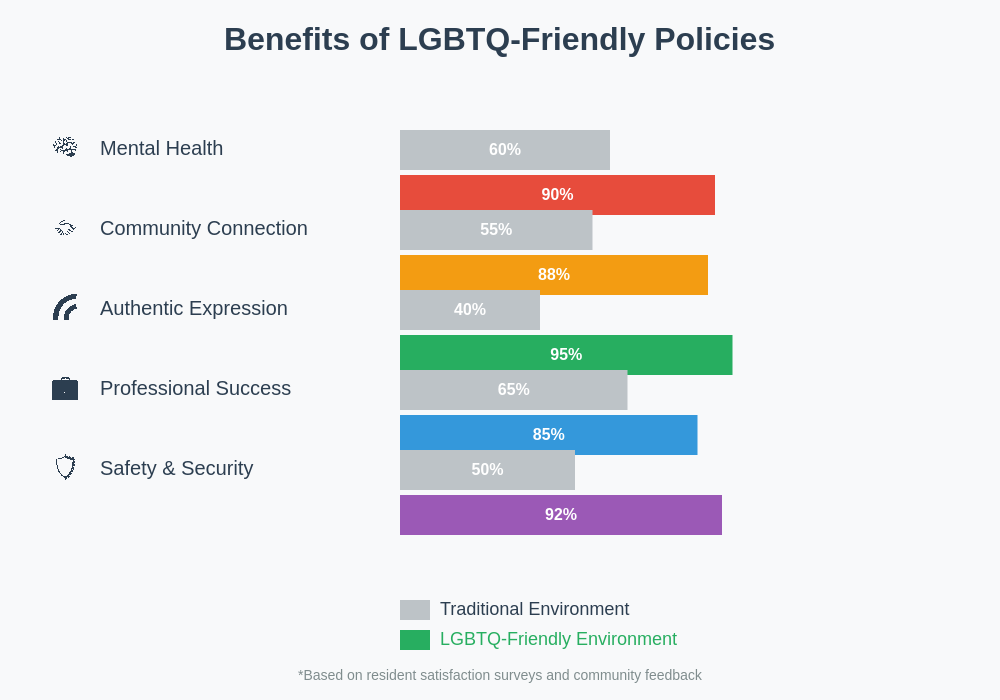
Authentic community connections formed in inclusive environments often extend beyond the sharehouse experience, creating lasting friendships and professional networks that support residents throughout their time in Tokyo and beyond.
Reducing Legal and Social Vulnerability
Japan’s evolving legal landscape regarding LGBTQ rights creates complex scenarios where explicit sharehouse policies provide crucial protection and clarity for residents navigating uncertain social and legal territories. Japanese sharehouse rules every foreigner should know takes on additional significance when considering how cultural norms intersect with personal identity expression.
LGBTQ-friendly policies help bridge gaps between legal protections and daily lived experiences, offering residents practical safeguards against discrimination in housing access, lease renewals, and conflict resolution processes. These policies often include specific procedures for addressing harassment, clear definitions of unacceptable behavior, and support systems for residents experiencing discrimination.
International residents face additional vulnerability layers related to visa status, employment authorization, and cultural navigation, making protective housing policies particularly crucial for LGBTQ individuals who may lack family support networks or cultural familiarity with Japanese systems. Living with Japanese roommates in Tokyo sharehouses requires extra consideration when cross-cultural understanding intersects with identity acceptance.
The presence of explicit inclusive policies also educates all residents about expectations for respectful behavior, creating educational opportunities that benefit entire communities and contribute to broader social progress within international communities in Tokyo.
Supporting Professional and Academic Success
Safe living environments directly correlate with improved professional and academic performance, as residents can dedicate mental and emotional energy to career development rather than managing identity-related stress and interpersonal conflicts. LGBTQ-friendly sharehouses often become launching pads for successful careers and educational experiences in Tokyo.
Student sharehouses near top Tokyo universities gain additional value when they provide supportive environments for LGBTQ students navigating both academic challenges and cultural adaptation simultaneously. The stress reduction associated with accepting living environments measurably improves academic performance and graduation rates.
Professional networking opportunities expand when residents can participate authentically in house social events, professional gatherings, and community activities without concern about identity disclosure or potential discrimination. These authentic interactions often lead to career opportunities, mentorship relationships, and professional references that support long-term success in Tokyo’s competitive job market.
The confidence and authenticity fostered by inclusive living environments translate into improved interview performance, stronger workplace relationships, and increased willingness to pursue leadership opportunities that advance career trajectories.
Attracting High-Quality Residents and Communities
Sharehouses with strong LGBTQ-friendly policies typically attract residents who demonstrate emotional intelligence, cultural sensitivity, and collaborative problem-solving skills, creating higher-quality living environments that benefit all community members. Best Tokyo neighborhoods for sharehouse living often correlate with areas that embrace diversity and inclusion.
The self-selection process means that residents who choose LGBTQ-friendly sharehouses generally value respect, empathy, and personal growth, leading to communities with lower conflict rates, better communication practices, and more supportive interpersonal dynamics. These environments often develop innovative solutions to common sharehouse challenges through collaborative approaches that leverage diverse perspectives.
High-quality residents contribute to positive house reputations, creating virtuous cycles that attract additional desirable community members and maintain stable, harmonious living environments. Real stories from Tokyo sharehouse residents from inclusive communities consistently highlight stronger friendships, better conflict resolution, and more positive overall experiences.
The presence of inclusive policies also attracts allies and advocates who actively contribute to maintaining welcoming environments, creating communities where LGBTQ residents feel supported by the broader community rather than isolated or marginalized.
Enhancing Cultural Exchange and Learning
LGBTQ-friendly environments facilitate richer cultural exchange experiences by creating safe spaces for residents to share diverse perspectives on identity, relationships, and social structures across different cultural contexts. These conversations contribute to deeper cross-cultural understanding and personal growth for all residents.
Dating while living in Tokyo sharehouses becomes more natural and open when residents can discuss relationships honestly without fear of judgment or discrimination. These authentic conversations help all residents navigate Tokyo’s dating culture more effectively while building stronger interpersonal connections.
International residents often serve as cultural ambassadors within their sharehouses, and inclusive environments enable more authentic representation of their home cultures, including diverse perspectives on identity, family structures, and social norms that enrich everyone’s understanding of global diversity.
The educational value of these exchanges extends beyond personal relationships to professional and academic contexts, as residents develop cross-cultural competency skills that enhance their effectiveness in Tokyo’s international business and academic environments.
Building Resilience and Support Networks
Inclusive sharehouse communities often develop stronger mutual support systems that help all residents navigate the challenges of international living, from bureaucratic procedures to emergency situations. How to find perfect sharehouse tokyo becomes easier when communities have established reputations for supportive, inclusive environments.
LGBTQ residents who feel secure in their living situations are more likely to develop the confidence and social connections necessary to build broader support networks throughout Tokyo, creating positive feedback loops that enhance their overall experience and success in Japan.
These support networks often extend beyond housing to include professional mentorship, emergency assistance, and long-term friendship connections that provide stability and resources throughout residents’ time in Tokyo. How much tokyo sharehouses really cost per month includes considerations of these invaluable support benefits that reduce other life costs.
The resilience developed through inclusive community participation prepares residents for future challenges and opportunities, whether in Tokyo or other international contexts, creating lasting personal growth and development outcomes.
Promoting Innovation and Creative Solutions
Diverse, inclusive communities consistently demonstrate higher levels of innovation and creative problem-solving, as different perspectives and experiences combine to generate novel approaches to common challenges. LGBTQ-friendly sharehouses often develop innovative solutions to space usage, conflict resolution, and community building that benefit all residents.
Living costs tokyo sharehouses explained often fails to capture the value of innovative cost-sharing strategies that emerge from collaborative, inclusive communities where residents work together to maximize everyone’s resources and opportunities.
The creative energy fostered by accepting environments often extends to house activities, problem-solving approaches, and community initiatives that enhance quality of life for all residents while creating memorable shared experiences that strengthen interpersonal bonds.
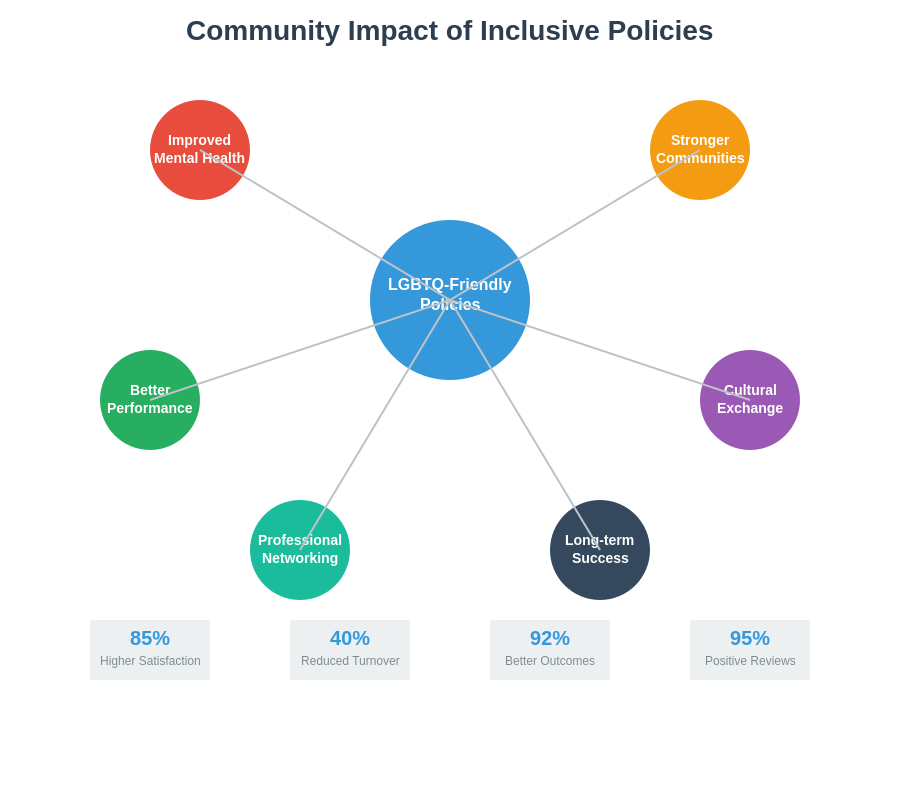
These innovative approaches to shared living often influence broader industry practices, as successful inclusive communities demonstrate effective models that other sharehouses and housing providers can adopt to improve their offerings and attract high-quality residents.
Long-term Impact on Tokyo’s International Community
LGBTQ-friendly sharehouse policies contribute to Tokyo’s reputation as an welcoming international destination, attracting talented professionals, students, and entrepreneurs who contribute to the city’s economic and cultural development. The cumulative effect of inclusive housing options enhances Tokyo’s competitive position in attracting international talent.
Residents who experience positive, inclusive sharehouse communities often become advocates for Tokyo living, contributing to positive word-of-mouth marketing that attracts additional international residents and supports the growth of inclusive communities throughout the city.
The personal and professional networks developed within inclusive sharehouses create lasting connections that facilitate ongoing cultural and economic exchange between Tokyo and international communities, contributing to long-term relationship building that benefits all participants.
These positive experiences often influence residents’ decisions to remain in Tokyo long-term, contributing to brain retention and the development of stable international communities that enhance Tokyo’s global connectivity and cultural richness.
Measuring Success Beyond Basic Compliance
Effective LGBTQ-friendly policies require ongoing evaluation and refinement based on resident feedback, community outcomes, and evolving best practices. Success measurement extends beyond basic non-discrimination compliance to include community satisfaction, resident retention rates, and positive relationship development indicators.
Regular assessment of policy effectiveness helps sharehouse operators identify areas for improvement and ensure that stated commitments translate into meaningful daily experiences for residents. These evaluations often reveal opportunities for enhanced support services, improved communication practices, and stronger community building initiatives.
The most successful inclusive sharehouses continuously evolve their approaches based on resident input and changing community needs, demonstrating genuine commitment to creating supportive environments rather than merely meeting minimum legal requirements.
Long-term success indicators include positive resident testimonials, strong community reputations, low turnover rates, and successful alumni networks that continue to support and promote the sharehouse community long after residents have moved on to other living situations.
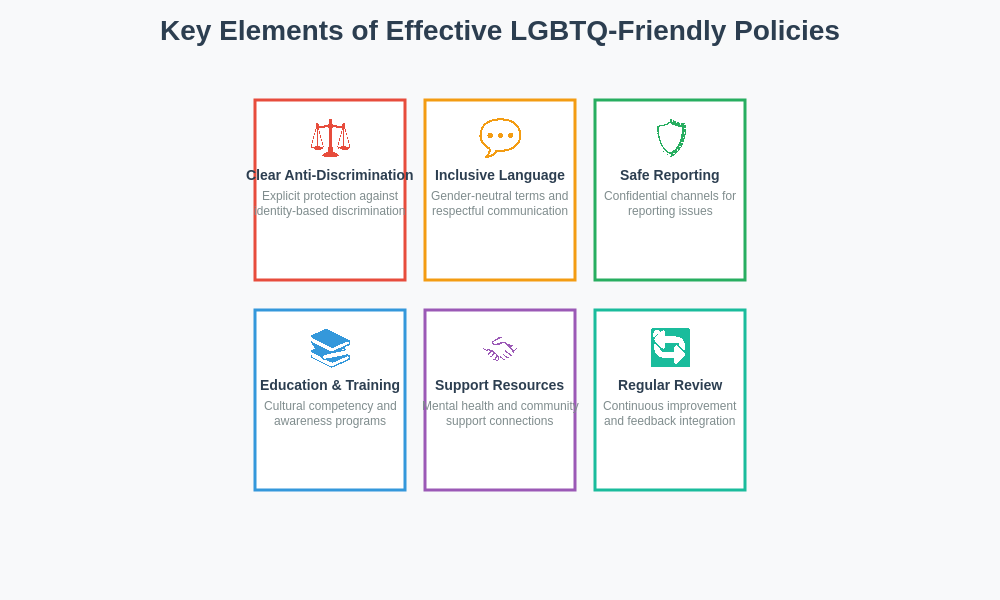
Understanding the comprehensive impact of LGBTQ-friendly policies reveals their essential role in creating thriving international communities within Tokyo’s sharehouse landscape. These policies represent investments in human potential, community development, and social progress that benefit not only LGBTQ residents but entire communities through enhanced safety, authenticity, and mutual support. The ripple effects of inclusive housing practices contribute to Tokyo’s position as a leading international destination that welcomes and nurtures diverse talent from around the world.
Disclaimer
This article is for informational purposes only and does not constitute legal advice. LGBTQ rights and housing protections in Japan continue to evolve, and specific policies and protections may vary by location and housing provider. Readers should research current legal protections and consult with relevant professionals when making housing decisions. The experiences and outcomes described may vary depending on individual circumstances, community dynamics, and specific sharehouse policies.