The bewildering maze of Japanese shopping customs represents one of the most persistent challenges faced by international residents, creating daily moments of confusion, embarrassment, and cultural misunderstanding that can persist for years after arrival. These seemingly simple retail interactions involve layers of unspoken rules, seasonal protocols, and social expectations that fundamentally differ from Western shopping experiences, leaving even experienced travelers feeling like complete novices in the most basic commercial situations.
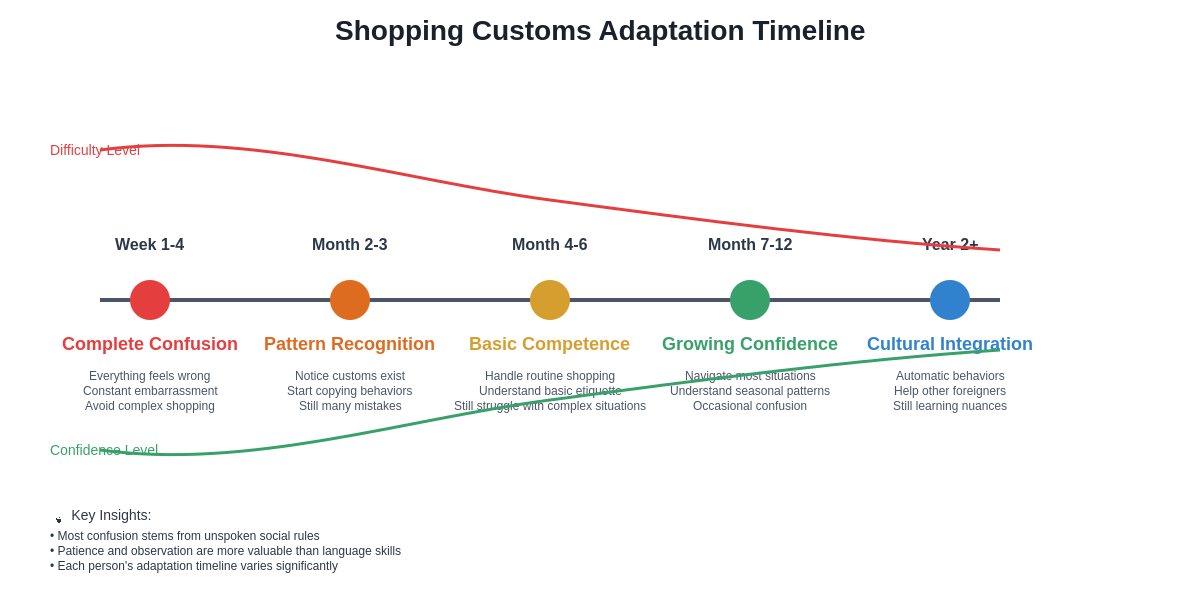
The complexity extends far beyond language barriers, encompassing intricate behavioral expectations, payment methodologies, packaging rituals, and customer service interactions that operate according to deeply embedded cultural principles that most Japanese people learned unconsciously during childhood. Understanding these customs becomes essential not just for practical daily functioning but for maintaining social harmony and avoiding the subtle but persistent stress that accumulates from constant cultural missteps in routine shopping situations.
The Invisible Rules of Store Entry and Navigation
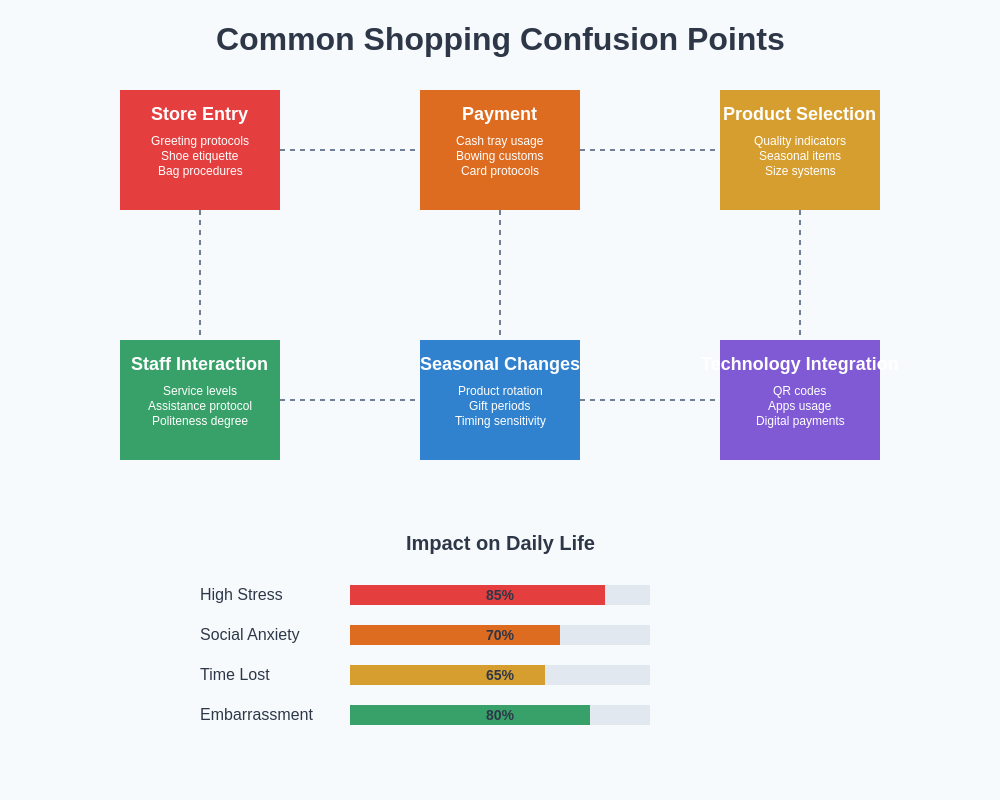
Japanese retail spaces operate according to unwritten protocols that govern everything from the moment you cross the threshold to how you navigate crowded aisles during peak shopping periods. The concept of personal space, queue formation, and directional flow follows patterns that seem arbitrary to foreign observers but represent sophisticated social coordination systems developed over generations of high-density urban living.
Store greeting customs create immediate confusion for newcomers who expect simple acknowledgment but encounter elaborate verbal exchanges that vary by establishment type, time of day, and customer demographics. Living with Japanese roommates in Tokyo sharehouses often provides informal education about these interactions, though the learning process remains lengthy and filled with awkward moments that highlight cultural differences.
The navigation of different store sections involves understanding implicit hierarchies, seasonal arrangements, and product categorizations that don’t align with Western retail logic. Cosmetics, food items, and household goods occupy spaces and follow organizational principles that reflect Japanese lifestyle priorities and consumption patterns rather than alphabetical or purely functional arrangements that international residents might expect.
Payment Rituals and Money Handling Etiquette
The Japanese approach to monetary transactions involves ceremonial elements that transform simple purchases into complex social interactions filled with potential for misunderstanding and unintentional offense. Cash handling procedures, credit card protocols, and digital payment systems each carry specific behavioral requirements that extend far beyond mere financial exchange to encompass respect, social harmony, and mutual acknowledgment of the commercial relationship.
Traditional cash transactions require understanding proper bill and coin presentation, change receiving etiquette, and the symbolic importance of the money tray that mediates physical contact between customer and cashier. How much Tokyo sharehouses really cost per month becomes relevant as residents learn to budget for the additional time and mental energy required to navigate these payment complexities in daily shopping routines.
The introduction of contactless payments and digital wallets has created additional layers of confusion as different establishments adopt varying technologies at different rates, often requiring customers to understand multiple payment systems and their associated etiquette requirements. The social pressure to choose appropriate payment methods based on purchase amount, store type, and situational context adds stress to routine transactions.
Credit card usage involves understanding when such payments are acceptable, how to present cards properly, and the additional verification processes that may be required for foreign-issued cards. The stigma associated with certain payment methods in specific contexts creates anxiety about social appropriateness that doesn’t exist in more flexible Western retail environments.
Seasonal Shopping Transformations and Timing Sensitivity
Japanese retail culture operates on precise seasonal rhythms that transform product availability, store layouts, and shopping customs according to calendar periods that often mystify international residents accustomed to more gradual transitions. The speed and comprehensiveness of seasonal changes means that familiar products disappear overnight while entirely new merchandise categories appear, requiring constant adaptation and relearning of store navigation patterns.
Gift-giving seasons bring particularly complex protocol requirements that involve understanding appropriate price ranges, packaging expectations, wrapping services, and presentation etiquette that varies dramatically depending on the recipient relationship and occasion significance. Dating while living in Tokyo sharehouses often involves learning these gift protocols, though the full complexity extends into professional, family, and community relationships that require different approaches.
Summer and winter preparation periods create shopping urgencies and product availability windows that don’t align with international residents’ home country experiences. The intensity of seasonal preparation, from clothing changes to household equipment swaps, requires understanding timing patterns that prevent essential items from becoming unavailable during transition periods.
New Year shopping customs represent the most bewildering seasonal transformation, involving complex food preparation requirements, household cleaning product needs, and special occasion merchandise that appears and disappears according to precise schedules. The social pressure to participate in these seasonal shopping patterns creates stress for residents who lack cultural context for understanding the significance and timing of various purchases.
Product Selection and Quality Assessment Mysteries
Japanese product categorization systems, quality indicators, and selection criteria operate according to principles that often contradict international residents’ previous shopping experience and decision-making frameworks. The emphasis on packaging presentation, seasonal freshness indicators, and brand hierarchy systems requires learning entirely new evaluation methods for determining product value and appropriateness.
Food shopping involves understanding freshness dating systems, preparation method implications, and seasonal appropriateness factors that go far beyond simple expiration date checking. Why some residents prefer expensive convenience reflects how these complex selection processes drive many international residents toward higher-priced but more straightforward convenience store options rather than navigating traditional supermarket complexity.
Clothing and household item selection requires understanding quality markers, size systems, and seasonal appropriateness indicators that don’t translate directly from other countries’ retail systems. The implicit understanding of which brands, materials, and styles are suitable for different purposes creates ongoing uncertainty about purchase decisions that extends beyond simple preference into social appropriateness concerns.
The concept of omiyage (souvenir gifts) transforms routine shopping into complex social obligation navigation that requires understanding recipient hierarchies, price appropriateness, and regional specialization factors. This expectation turns simple travel or even neighborhood shopping into elaborate gift selection processes that involve considerations most international residents never anticipate.
Customer Service Interactions and Response Expectations
Japanese customer service operates on principles of anticipatory assistance and hierarchical politeness that can overwhelm international customers unaccustomed to such intensive attention while simultaneously creating pressure to respond appropriately to elaborate service protocols. The level of staff involvement in shopping decisions, product explanations, and purchase assistance exceeds most foreigners’ comfort zones while requiring reciprocal politeness behaviors that feel artificial or excessive.
Staff interaction protocols involve understanding when to accept assistance, how to decline help politely, and the appropriate level of gratitude expression for various service levels. How to handle roommate conflicts without moving out provides some cultural context for politeness expectations, though retail interactions require additional layers of formal behavior that extend beyond casual social situations.
The concept of customer hierarchy and VIP treatment systems creates confusion about service level expectations and appropriate response behaviors when receiving different treatment levels. Understanding whether enhanced service reflects purchase amount, customer status, or situational factors requires cultural knowledge that most international residents lack during initial shopping experiences.
Return and exchange policies involve complex social negotiations that go beyond simple transaction reversals to include face-saving procedures, explanation requirements, and relationship maintenance considerations. The shame associated with product returns creates barriers to resolving shopping mistakes that would be routine adjustments in other cultural contexts.
Convenience Store Culture and 24/7 Shopping Complexity
The ubiquitous convenience store system presents deceptively simple shopping environments that actually involve intricate service protocols, product selection systems, and social interaction patterns that can confuse international residents despite their apparent accessibility. These stores serve functions that extend far beyond basic retail to include banking services, shipping centers, entertainment ticket sales, and social gathering spaces with associated behavioral expectations.
Multi-function service integration means that simple snack purchases might involve navigating payment systems, understanding service option menus, and interacting with technology interfaces that assume cultural knowledge about Japanese daily life patterns. Why some payment methods aren’t accepted becomes relevant as residents discover the complex payment ecosystem that operates within these seemingly simple retail environments.
The social role of convenience stores as community gathering spaces involves understanding appropriate lingering times, seating etiquette, and interaction patterns with both staff and other customers. The balance between treating these spaces as quick transaction locations versus social environments requires cultural sensitivity that most international residents develop through trial and error over extended periods.
Hot food service protocols, from ordering procedures to eating location expectations, involve understanding product preparation timing, customization options, and consumption etiquette that varies depending on time of day and store location. The complexity of these interactions often surprises newcomers who expect straightforward fast food experiences.
Department Store Hierarchies and Service Levels
Traditional department stores operate according to elaborate floor organization systems, customer service hierarchies, and shopping protocols that reflect Japanese social structure and commercial traditions in ways that can bewilder international customers accustomed to more egalitarian retail environments. The formality levels, staff training standards, and customer treatment protocols vary dramatically between floors and departments in ways that require cultural understanding to navigate successfully.
Elevator etiquette, floor navigation patterns, and department-specific behavioral expectations create ongoing learning requirements that extend far beyond product location knowledge into social appropriateness territory. Why some residents feel constantly judged reflects the pressure many international residents experience when navigating these formal retail environments where cultural missteps feel more consequential than in casual shopping contexts.
Personal shopping services, alteration procedures, and customer consultation processes involve understanding relationship building expectations, decision-making timelines, and communication styles that differ significantly from Western retail interactions. The investment in long-term customer relationships creates service experiences that can feel overwhelming or artificially intimate to customers from more transactional shopping cultures.
Gift wrapping services, seasonal presentation options, and special occasion packaging involve understanding symbolic meanings, color significance, and presentation protocols that transform simple purchase transactions into complex cultural expression opportunities. The elaborate nature of these services reflects values and social expectations that require cultural education to appreciate and utilize appropriately.
Digital Shopping Integration and Technology Adoption
The integration of digital technologies into traditional shopping experiences creates hybrid systems that combine online convenience with physical retail protocols in ways that often confuse international residents familiar with more separated digital and physical shopping environments. Mobile payment systems, digital coupons, loyalty programs, and inventory checking applications require understanding technology adoption patterns that vary significantly across different demographic groups and store types.
QR code systems, augmented reality features, and digital customer service options operate alongside traditional shopping methods in ways that require cultural knowledge about when and how to appropriately utilize different interaction methods. Why some residents never learn basic life skills often includes difficulty adapting to these hybrid shopping systems that assume both technical competency and cultural understanding of appropriate usage contexts.
Online-to-offline integration services, including pickup locations, delivery timing options, and return procedures, involve understanding logistics systems that reflect Japanese urban density patterns and lifestyle expectations. The precision required for delivery scheduling, pickup procedures, and coordination with building access systems creates complexity that extends beyond simple e-commerce transactions.
Digital loyalty programs and customer data integration systems require understanding privacy expectations, data sharing comfort levels, and reward system utilization patterns that may differ from international residents’ home country experiences. The social aspects of loyalty program participation, including point sharing and group benefits, add community elements to individual shopping decisions.
Grocery Shopping Complexity and Food Culture Navigation
Grocery shopping in Japan involves understanding fresh food selection criteria, preparation method implications, and meal planning systems that reflect dietary patterns and cooking traditions fundamentally different from most international residents’ backgrounds. The emphasis on seasonal ingredients, preparation complexity, and presentation standards requires learning new evaluation methods for food quality and appropriateness that go far beyond simple nutritional consideration.
Produce selection involves understanding ripeness indicators, seasonal availability patterns, and preparation method suitability factors that require cultural knowledge about Japanese cooking traditions and meal planning approaches. Why some residents avoid cooking entirely often reflects the overwhelming complexity of navigating these food selection and preparation systems without adequate cultural background.
Packaged food interpretation requires understanding preparation instructions, serving size expectations, and flavor profile descriptions that assume familiarity with Japanese taste preferences and cooking methods. The complexity of product labels, cooking instruction interpretation, and ingredient identification creates barriers to independent food preparation that persist long after language skills improve.
Meat and fish selection protocols involve understanding freshness indicators, cut preferences, and preparation method suitability that require knowledge about Japanese cooking traditions and meal planning systems. The interaction with specialty counter staff requires understanding product terminology, preparation requests, and service expectations that extend beyond simple transaction completion.
Clothing Shopping and Size System Confusion
Japanese clothing sizing systems, style categorizations, and seasonal appropriateness standards operate according to principles that often confuse international residents accustomed to different measurement standards, body type assumptions, and fashion categorization methods. The complexity extends beyond simple size conversion to include understanding style appropriateness, quality indicators, and shopping timing patterns that affect product availability and pricing.
Size variation between brands, the concept of “free size” merchandise, and the limited availability of larger sizes creates ongoing challenges for international residents whose body types don’t align with Japanese manufacturing standards. Why some residents feel excluded from conversations often includes clothing shopping experiences that highlight physical and cultural differences that affect social integration and self-confidence.
Seasonal clothing transition timing, storage expectations, and weather appropriateness standards require understanding climate patterns and social expectations that may differ significantly from international residents’ home country experiences. The precision of seasonal dressing codes and the social consequences of inappropriate clothing choices create pressure that extends beyond personal comfort into social acceptance territory.
Professional clothing standards, casual wear appropriateness, and special occasion dressing requirements involve understanding workplace cultures, social event expectations, and age-appropriate style guidelines that require cultural education beyond simple fashion preference. The investment required for maintaining appropriate wardrobes across different social contexts can strain budgets and storage space in ways that international residents don’t anticipate.
Electronics and Technology Shopping Complications
Japanese electronics retail involves understanding product compatibility, warranty systems, and technology standards that may not align with international residents’ existing devices or home country technical requirements. The complexity of ensuring product compatibility, understanding service availability, and navigating different technical standards creates additional research requirements that turn simple electronics purchases into extensive technical education projects.
Mobile phone and internet service shopping involves understanding contract terms, service area coverage, and pricing structures that assume knowledge about Japanese telecommunications infrastructure and usage patterns. Why some residents never travel far from home sometimes reflects difficulties with mobile service setup and compatibility issues that limit confidence in technology-dependent travel and exploration.
Appliance shopping for sharehouse living requires understanding electrical compatibility, size constraints, and shared usage protocols that balance individual needs with community considerations. The complexity of ensuring appliance appropriateness for shared living situations while meeting personal requirements creates decision-making challenges that require both technical and social knowledge.
Computer and software shopping involves understanding language settings, keyboard layouts, and software availability patterns that may affect long-term usability and compatibility with work or study requirements. The investment in technology that may become obsolete or incompatible when leaving Japan creates additional considerations that affect purchase decisions and budget planning.
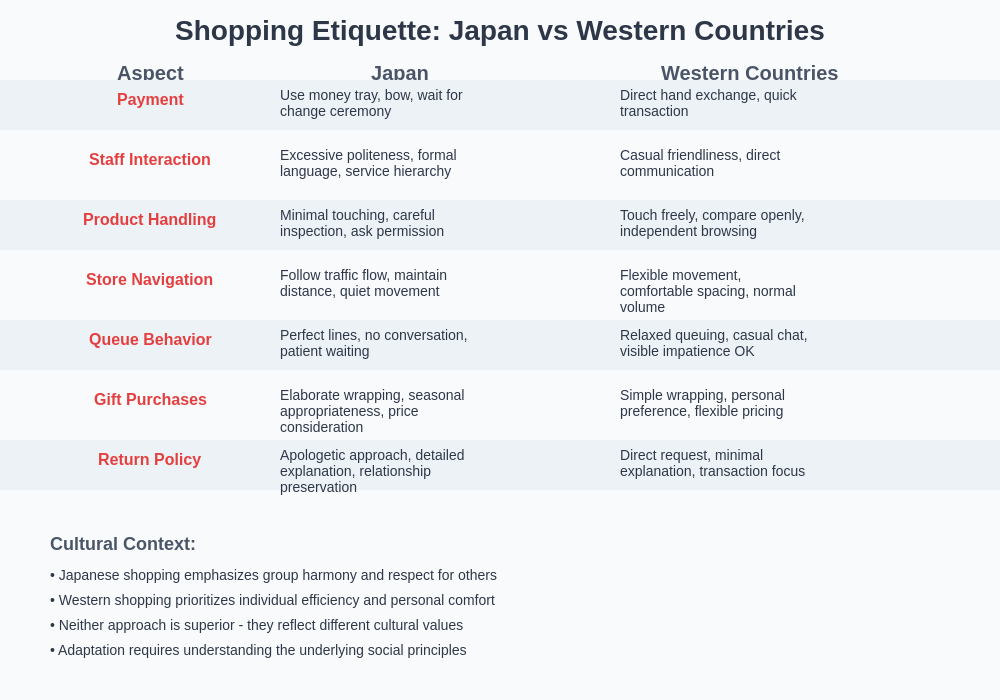
The overwhelming nature of Japanese shopping customs reflects deeper cultural values around social harmony, attention to detail, and collective consideration that permeate all aspects of daily life. While these systems create initial confusion and ongoing learning requirements for international residents, understanding and adapting to these customs ultimately provides insights into Japanese society that extend far beyond retail experiences into broader cultural appreciation and social integration opportunities.
Disclaimer
This article is for informational purposes only and reflects general observations about Japanese shopping customs that may vary by region, store type, and individual circumstances. Cultural norms continue to evolve, and personal experiences may differ significantly. Readers should approach cultural differences with patience and respect while developing their own comfortable approaches to shopping in Japan.