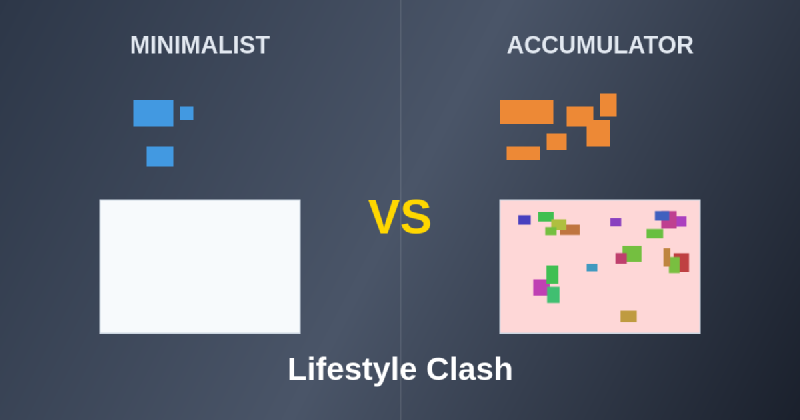
The fundamental tension between minimalist lifestyles and accumulator tendencies represents one of the most persistent and challenging dynamics in Tokyo sharehouse living, creating friction that extends far beyond simple storage disputes into deeper philosophical differences about consumption, ownership, and personal space management. This clash of living philosophies affects everything from daily routines and shared space usage to long-term community harmony and individual satisfaction within the confined quarters of urban Japanese housing.
Understanding these opposing approaches to material possessions and space utilization becomes essential for anyone navigating the complex social dynamics of shared living environments, where personal choices inevitably impact others and where compromise becomes necessary for maintaining peaceful coexistence. The consequences of these lifestyle differences ripple through every aspect of sharehouse life, from kitchen usage patterns to bathroom storage arrangements, creating challenges that require both awareness and strategic management approaches.
Defining Minimalist and Accumulator Lifestyles
Minimalist residents in Tokyo sharehouses typically embrace intentional living practices that prioritize experiences over possessions, focusing on maintaining only essential items that serve specific purposes or bring genuine joy to their daily lives. This philosophy extends beyond mere decluttering to encompass broader values about consumption patterns, environmental responsibility, and the pursuit of mental clarity through reduced material complexity. How to find the perfect sharehouse in Tokyo often involves identifying communities that align with these lifestyle preferences.
Accumulator tendencies, conversely, reflect natural human inclinations toward security through material preparation, emotional attachment to possessions, and practical approaches to resource management that emphasize readiness for various scenarios and circumstances. These residents often maintain extensive collections of items they perceive as potentially useful, sentimental, or valuable for future needs, creating comprehensive personal ecosystems within their living spaces.
The spectrum between these extremes encompasses numerous variations and hybrid approaches, with many residents falling somewhere between pure minimalism and excessive accumulation. Cultural backgrounds significantly influence these tendencies, as different societies instill varying attitudes toward ownership, preparation, and material security that residents carry into their shared living experiences.
Storage Space Competition and Territory Disputes
Limited storage capacity in Tokyo sharehouses amplifies conflicts between minimalist and accumulator residents, as shared spaces become battlegrounds where different approaches to space utilization create ongoing friction and resentment. Understanding utility bills in Japanese sharehouses reveals how shared resources become contested when different residents have varying consumption and storage needs.
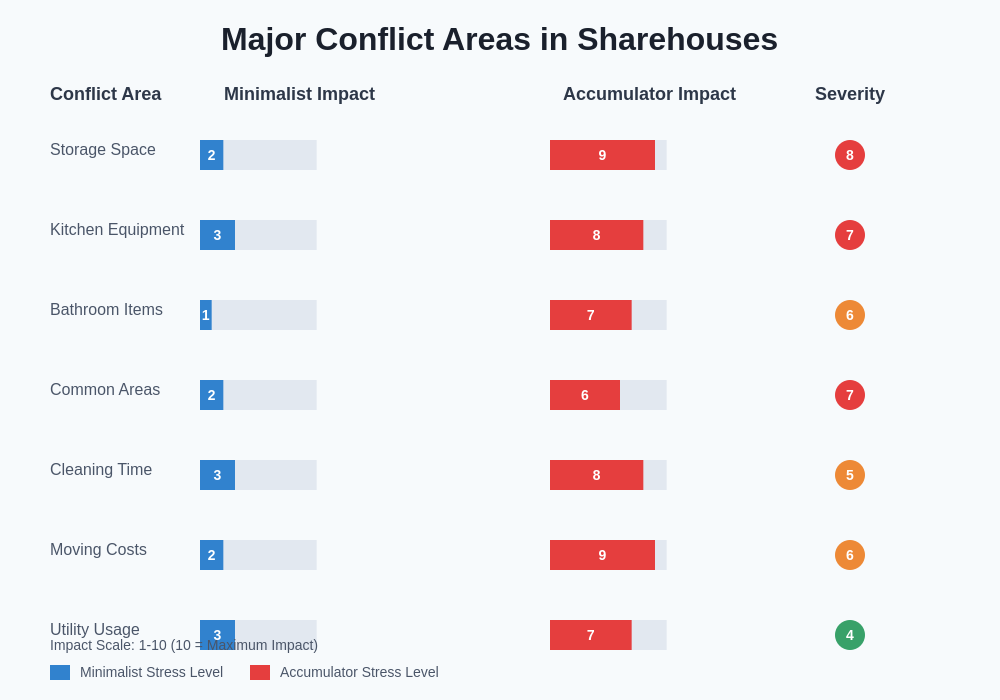
Refrigerator space allocation represents a particularly contentious area where minimalist residents with simple meal plans clash with accumulators who maintain extensive food inventories, backup supplies, and specialty ingredients for various dietary preferences and cooking experiments. The visible contrast between sparse shelves and overflowing containers creates daily reminders of these fundamental lifestyle differences and their practical implications.
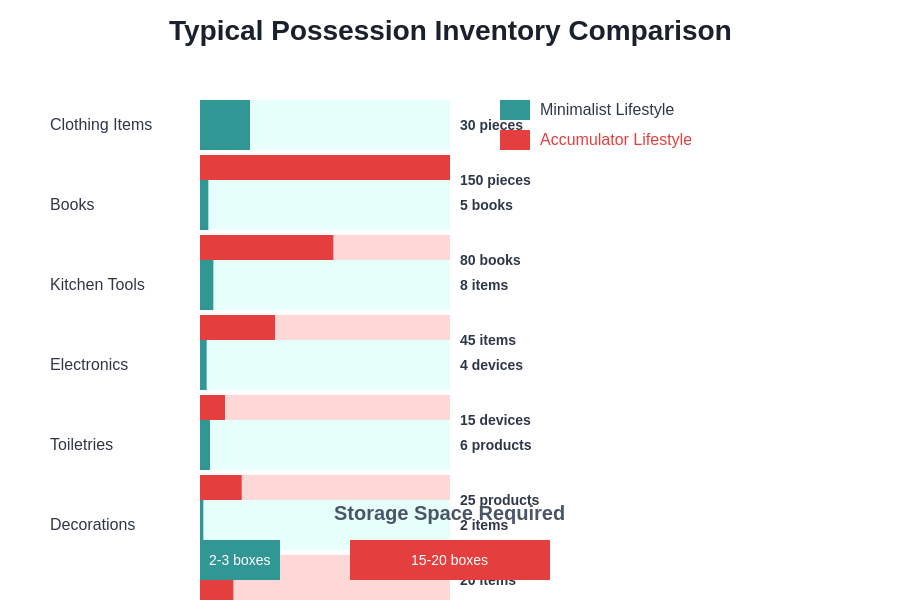
Common area storage solutions often favor one lifestyle approach over another, with built-in systems that either encourage minimal possession maintenance or accommodate extensive personal collections. Bathroom storage disputes frequently arise when accumulator residents monopolize limited shelf space with numerous beauty products, medications, and personal care items while minimalist residents require only basic essentials.
Kitchen equipment conflicts emerge when accumulator residents gradually expand their appliance and utensil collections while minimalist residents prefer shared, multi-purpose tools that serve multiple functions efficiently. These differences in equipment philosophy affect cooking schedules, preparation methods, and overall kitchen functionality for all residents.
Philosophical Differences in Consumption Patterns
The underlying worldviews driving minimalist and accumulator behaviors create fundamental incompatibilities that extend beyond physical space management to encompass broader questions about sustainability, materialism, and life satisfaction approaches. Living costs in Tokyo sharehouses explained demonstrates how these different consumption philosophies directly impact shared expenses and resource allocation.
Minimalist residents often view accumulator behaviors as wasteful, environmentally irresponsible, and indicative of deeper psychological attachments that prevent authentic happiness and freedom. This perspective can lead to judgmental attitudes and moral superiority complexes that create emotional distance and communication barriers within the community.
Accumulator residents frequently perceive minimalist lifestyles as impractical, naive, or privileged positions that ignore practical realities of resource scarcity, emergency preparedness, and the genuine utility of maintaining diverse possessions for various life circumstances. These residents may interpret minimalist criticism as attacks on their personal values and decision-making capabilities.
Cultural differences compound these philosophical divides, as residents from societies that emphasize saving, preparation, and resource conservation may struggle to understand minimalist approaches that prioritize experiences and emotional wellbeing over material security and practical readiness.
Daily Routine Conflicts and Practical Implications
Morning bathroom schedules become complicated when accumulator residents require extensive preparation time with numerous products and tools while minimalist residents complete their routines quickly with basic essentials. Japanese sharehouse rules every foreigner should know addresses how these timing conflicts affect house harmony and require management strategies.
Kitchen usage patterns reveal stark differences in meal preparation approaches, with minimalist residents favoring simple, quick meals using basic equipment while accumulator residents engage in complex cooking processes requiring specialized tools, extensive ingredients, and longer preparation and cleanup times. These differences create scheduling conflicts and equipment access disputes.
Laundry routines demonstrate opposing approaches to clothing management, as minimalist residents with limited wardrobes complete laundry efficiently while accumulator residents with extensive clothing collections create backlogs and scheduling complications that affect all residents’ access to washing facilities.
Cleaning responsibilities become unbalanced when minimalist residents with few possessions complete tidying tasks quickly while accumulator residents require more time and effort to organize and maintain their extensive personal belongings, creating perceptions of unfair workload distribution.
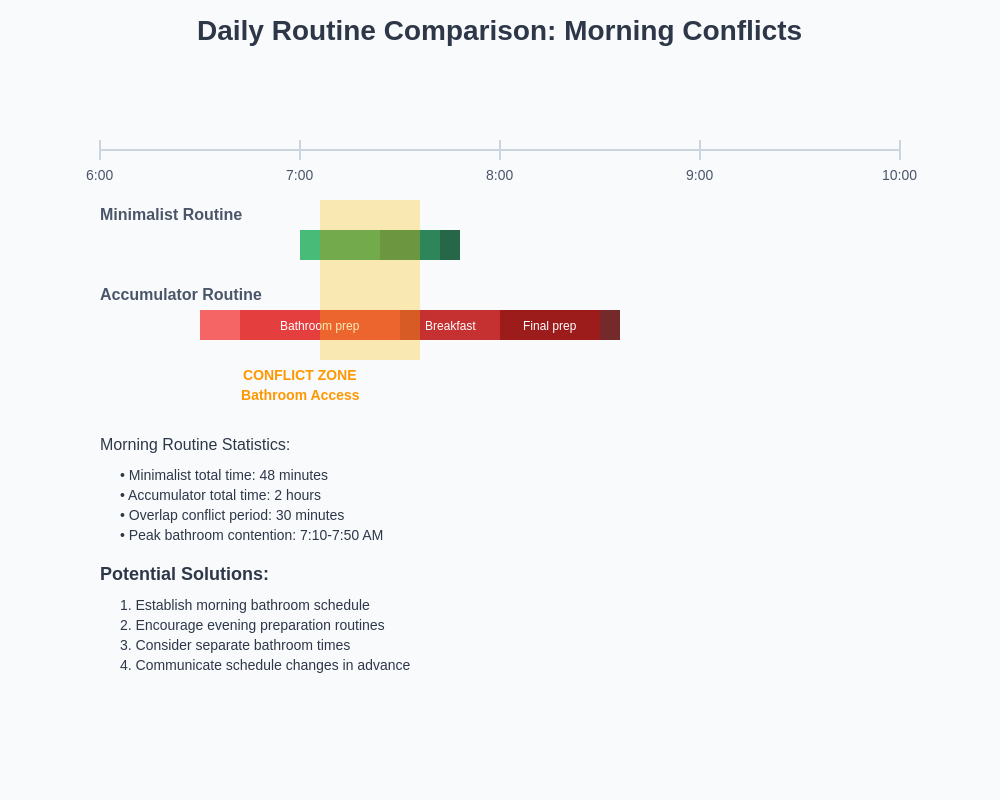
The morning bathroom rush exemplifies how different lifestyle approaches create predictable conflict patterns that require proactive management strategies. Understanding these timing differences helps residents develop practical solutions for shared space coordination.
Shared Space Management Challenges
Living room arrangements reflect these lifestyle conflicts through furniture usage patterns, decoration approaches, and activity preferences that create ongoing negotiations about space utilization and aesthetic choices. Making friends through Tokyo sharehouse communities explores how these physical space conflicts affect social relationship development.
Entertainment system management reveals different approaches to technology ownership and sharing, with minimalist residents preferring simple, shared solutions while accumulator residents often maintain personal gaming consoles, audio equipment, and media collections that complicate common area organization and usage protocols.
Package delivery logistics become complicated when accumulator residents receive frequent shipments that overwhelm entryway storage and create management responsibilities for other residents who must handle deliveries and coordinate with package services on behalf of their housemates.
Guest accommodation arrangements highlight different hospitality philosophies, as minimalist residents with sparse furnishings struggle to provide comfortable spaces for visitors while accumulator residents may have excess bedding and furniture but lack organized systems for temporary guest integration.
Psychological and Emotional Dimensions
Stress responses to clutter and disorganization vary dramatically between minimalist and accumulator residents, with minimalists experiencing anxiety and cognitive overload in cluttered environments while accumulators feel security and comfort surrounded by their possessions. How to handle roommate conflicts without moving out provides strategies for managing these emotional responses constructively.
Identity expression through possessions creates ongoing tension as accumulator residents use their belongings to communicate personality, interests, and cultural background while minimalist residents prefer expressing themselves through experiences, relationships, and non-material pursuits that may seem less visible or authentic to possession-focused individuals.
Security and preparedness anxieties manifest differently between these lifestyle approaches, with accumulator residents finding comfort in material backup plans and resource availability while minimalist residents derive security from flexibility, adaptability, and reduced dependency on physical possessions.
Control and autonomy issues emerge when accumulator residents feel restricted by minimalist criticism or pressure to reduce possessions while minimalist residents feel overwhelmed by others’ belongings invading shared spaces and affecting their living environment quality.
Financial Implications and Budget Conflicts
Moving costs differ significantly between minimalist and accumulator residents, creating inequitable expense sharing when relocating sharehouses or when individual residents change accommodations. What moving out really costs in Tokyo sharehouses explains how possession volume affects these financial considerations.
Utility consumption patterns vary based on lifestyle choices, with accumulator residents often requiring more electricity for personal devices, heating for larger spaces occupied by possessions, and water for maintaining extensive personal collections and cleaning routines.
Shared purchase decisions become complicated when minimalist residents prefer quality over quantity approaches that emphasize durable, multi-purpose items while accumulator residents favor comprehensive solutions that include backup options and specialized tools for various scenarios.
Insurance and security considerations change based on possession values and volumes, with accumulator residents requiring higher coverage levels and more sophisticated protection systems that may not align with minimalist residents’ insurance needs and budget priorities.
Cultural and Generational Influences
Age-related differences in accumulation tendencies reflect generational experiences with scarcity, economic instability, and consumer culture evolution that shape attitudes toward possession management and material security. Student sharehouses near top Tokyo universities demonstrates how educational communities often attract younger residents with different possession philosophies.
Cultural background variations influence accumulation patterns through family traditions, economic histories, and social values that emphasize different approaches to material ownership, gift-giving, and resource conservation that residents bring from their home countries and communities.
Socioeconomic factors affect both minimalist and accumulator tendencies, with some residents choosing minimalism due to financial constraints while others embrace accumulation as symbols of success and security, creating complex dynamics around lifestyle choice authenticity and economic privilege.
Gender socialization differences may influence accumulation patterns through cultural expectations about nurturing, preparedness, and aesthetic maintenance that affect how different residents approach possession management and shared space responsibility.
Technology and Digital Possessions
Digital minimalism conflicts with physical accumulation create hybrid challenges where residents may maintain extensive digital collections while pursuing physical minimalism, or conversely, maintain minimal digital footprints while accumulating physical technology and media collections.
Streaming service sharing arrangements become complicated when minimalist residents prefer simple, shared entertainment solutions while accumulator residents maintain multiple subscription services and prefer comprehensive entertainment options that may exceed group budgets or usage needs.
Device charging and storage requirements vary significantly between residents with minimal technology needs and those who maintain extensive electronic collections, creating infrastructure demands and organization challenges in shared living spaces.
Data storage and backup approaches reflect different philosophies about digital security and information management, with some residents maintaining extensive backup systems and digital archives while others embrace cloud-based minimalism and reduced data retention strategies.
Conflict Resolution and Compromise Strategies
Communication approaches require acknowledgment of fundamental lifestyle differences without attempting to convert others to different possession philosophies, focusing instead on practical coexistence solutions that respect individual choices while maintaining shared space functionality.
Boundary establishment becomes essential for defining personal versus shared storage areas, usage protocols for common spaces, and expectations for possession organization that allow different lifestyle approaches to coexist without creating ongoing friction.
Rotation systems for shared space usage can accommodate different residents’ needs for organization, decoration, and activity preferences while ensuring equitable access and preventing any single lifestyle approach from dominating common areas.
Mediation techniques help address underlying values conflicts by focusing on practical solutions rather than philosophical debates, emphasizing mutual respect and understanding rather than lifestyle superiority or conversion efforts.
Long-term Community Impact
Resident turnover patterns may be influenced by lifestyle compatibility, with sharehouses developing reputations for attracting certain possession philosophies that create self-selecting communities but may also limit diversity and learning opportunities.
House culture evolution reflects the dominant lifestyle approaches among long-term residents, potentially creating environments that become increasingly homogeneous and less tolerant of different possession management philosophies over time.
Learning opportunities arise when residents with different approaches observe and occasionally adopt elements from opposing lifestyle philosophies, leading to personal growth and more balanced approaches to possession management and space utilization.
Community resilience benefits from diversity in possession management approaches, as different residents contribute various resources, skills, and perspectives that enhance group problem-solving capabilities and emergency preparedness.
The ongoing tension between minimalist lifestyles and accumulator tendencies in Tokyo sharehouses reflects broader societal questions about consumption, sustainability, and happiness that extend far beyond individual living situations. Understanding these conflicts provides valuable insights into human nature, cultural differences, and the challenges of creating harmonious communities among diverse individuals with fundamentally different approaches to material existence and space management. Success in managing these differences requires patience, respect, and practical solutions that honor individual choices while maintaining functional shared living environments.
Disclaimer
This article is for informational purposes only and does not constitute professional advice on lifestyle choices or conflict resolution. Individual experiences with minimalist and accumulator lifestyles may vary significantly based on personal circumstances, cultural backgrounds, and specific sharehouse environments. Readers should approach lifestyle differences with understanding and seek appropriate mediation resources when conflicts arise in shared living situations.