The paradox of noise complaints arising in supposedly quiet sharehouses represents one of the most perplexing and frustrating aspects of communal living in Tokyo. Even in properties marketed as peaceful environments with strict noise policies, conflicts over sound levels continue to emerge with surprising frequency, creating tension between residents who believed they had chosen a harmonious living situation. Understanding the complex interplay of factors that contribute to these disputes reveals important insights about expectations, cultural differences, and the practical realities of shared living spaces.
The assumption that quiet sharehouses naturally prevent noise-related conflicts stems from a fundamental misunderstanding of how sound travels through Japanese buildings and how different cultural backgrounds shape noise perception and tolerance levels. What appears to be a simple matter of volume control actually involves intricate relationships between building construction, daily routine patterns, communication styles, and deeply ingrained cultural expectations about appropriate behavior in shared living environments.
The Acoustic Reality of Japanese Housing Construction
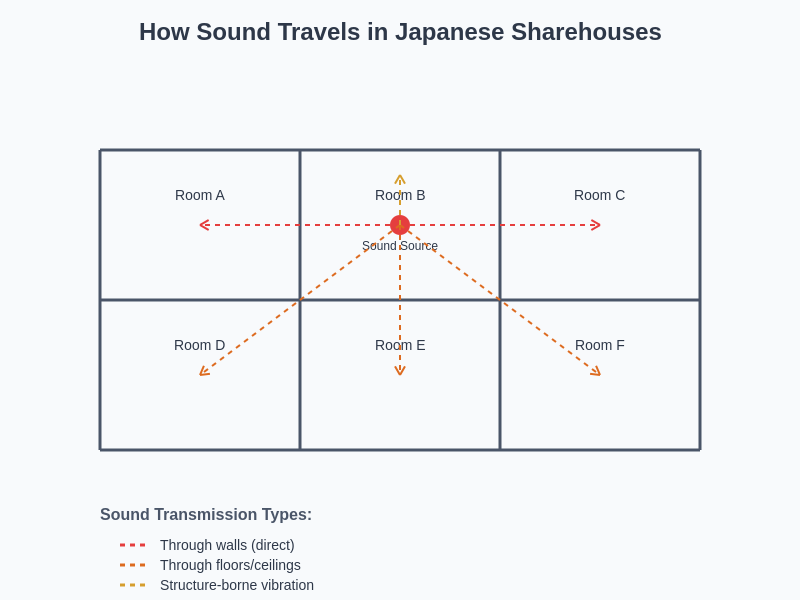
Japanese residential buildings, including many sharehouses, often feature construction methods and materials that prioritize earthquake resistance and cost efficiency over comprehensive sound insulation. The prevalence of lightweight wood frame construction and minimal acoustic barriers between rooms creates an environment where even moderate sounds can transmit through walls, floors, and ceilings with surprising clarity and impact on neighboring residents.
Modern sharehouses frequently occupy converted apartment buildings or purpose-built structures that meet basic legal requirements for sound transmission but fall short of providing the acoustic privacy that many international residents expect based on housing standards in their home countries. Understanding how building construction affects daily comfort becomes crucial for managing realistic expectations about noise levels and privacy in Tokyo living situations.
The vertical transmission of sound through floor and ceiling structures proves particularly problematic in multi-story sharehouses, where footsteps, chair movements, and dropped objects create disturbances that can be heard clearly in rooms above and below. Even residents who consider themselves quiet may unknowingly generate significant noise through normal daily activities such as walking, rearranging furniture, or using bathroom facilities during sensitive hours.
Window placement and thin glass construction compound acoustic challenges by allowing external street noise, construction sounds, and neighbor activities to penetrate living spaces while simultaneously enabling internal sounds to escape and affect other residents. The acoustic environment becomes a complex mixture of internal and external noise sources that can create unexpected disturbances even in carefully managed properties.
Cultural Variations in Noise Perception and Tolerance
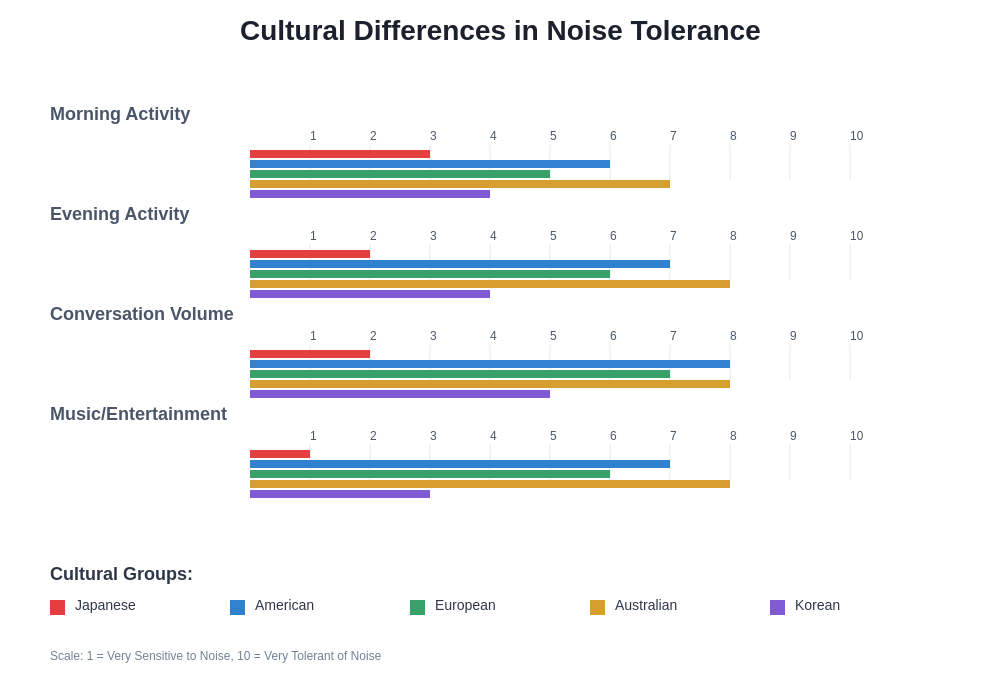
The subjective nature of noise tolerance varies dramatically across different cultural backgrounds, with what constitutes acceptable sound levels in one culture potentially representing intolerable disturbance in another. Japanese cultural emphasis on quiet consideration for others creates expectations for minimal noise generation that may exceed comfort levels for residents from cultures with different social norms around sound and privacy.
Living with Japanese roommates in Tokyo sharehouses often involves navigating these cultural differences in noise sensitivity and communication styles. Japanese residents may experience stress from sounds that international residents consider normal household activity, while international residents may feel constrained by noise restrictions that seem excessive compared to their previous living experiences.
The timing sensitivity of noise complaints reflects cultural differences in daily schedule patterns and sleep habits. Early morning and late evening activities that align with one cultural group’s natural rhythms may conflict directly with another group’s preferred quiet hours, creating inevitable friction regardless of actual sound volume levels.
Communication styles around noise concerns also vary significantly between cultures, with some residents preferring direct confrontation while others rely on indirect hints or management intervention. These differences in conflict resolution approaches can escalate minor noise issues into major household disputes when expectations and communication methods remain misaligned.
Daily Routine Conflicts and Schedule Mismatches
The intersection of diverse daily schedules creates numerous opportunities for noise conflicts even among considerate residents who actively try to minimize their sound impact. Shift workers returning home during traditional sleeping hours, early morning commuters preparing for work, and students maintaining irregular study schedules can create unavoidable disruptions despite everyone’s best intentions to maintain quiet environments.
How shift work schedules affect roommate relations demonstrates how professional obligations can force residents into noise-generating activities during inappropriate hours. Night shift workers requiring sleep during daytime hours may find themselves in constant conflict with residents following traditional schedules, while early morning departures for work can disturb late sleepers regardless of volume control efforts.
Kitchen and bathroom usage patterns create particular challenges when multiple residents need access to shared facilities during peak hours. Morning bathroom queues, evening cooking sessions, and late-night snack preparation generate unavoidable noise that affects neighboring rooms, especially when these activities coincide with other residents’ sleep schedules.
Social activities and entertainment preferences add another layer of complexity to noise management, as residents’ desires for music, television, phone conversations, and social gatherings must be balanced against others’ needs for quiet study or rest time. Even moderate volume levels can feel intrusive when they conflict with incompatible activities in adjacent spaces.
Technology and Modern Living Noise Sources
Contemporary technology usage patterns introduce noise sources that previous generations of shared living arrangements never encountered. Video calls for work and personal communication, online gaming sessions, streaming entertainment, and music production activities generate both direct sound and vibration that can disturb other residents through multiple transmission pathways.
The prevalence of remote work arrangements has intensified conflicts over daytime noise levels as more residents require quiet environments for professional activities during traditional social hours. How remote work equipment affects space usage explores how professional obligations create new noise sensitivity requirements that challenge traditional household harmony approaches.
Electronic device notifications, alarm clocks, and charging equipment contribute to acoustic pollution through frequent small sounds that can be particularly irritating during quiet periods. The cumulative effect of multiple residents’ devices creates a constant background noise environment that may exceed tolerance levels even when individual sources seem insignificant.
Air conditioning units, dehumidifiers, and other climate control equipment necessary for comfort in Japan’s challenging weather conditions generate continuous background noise that can interfere with sleep and concentration. These essential devices create ongoing sound pollution that affects noise-sensitive residents regardless of human activity levels.

This breakdown reveals that seemingly minor daily activities contribute significantly to the overall noise environment, explaining why complaints arise even in well-managed properties with considerate residents.
Psychological Factors and Stress Amplification
The psychological impact of living in close proximity to others amplifies noise sensitivity through stress and anxiety mechanisms that make residents more reactive to sounds that might otherwise be tolerable. The lack of personal control over acoustic environment creates hypervigilance toward potential disturbances, making residents more likely to notice and complain about noise incidents.
Sleep deprivation from previous noise disturbances creates cycles of increased sensitivity where residents become progressively less tolerant of sounds as their rest quality deteriorates. How sleep quality suffers in shared environments explains how acoustic stress compounds over time to create seemingly disproportionate reactions to minor noise events.
Personality differences in introversion and extroversion affect noise tolerance levels, with some residents requiring significantly more acoustic privacy for psychological comfort while others feel isolated by excessive quiet. These fundamental personality differences can create irreconcilable conflicts over appropriate noise levels regardless of cultural background or schedule compatibility.
The stress of adapting to new cultural environments may heighten sensitivity to disruptions as residents struggle with multiple adjustment challenges simultaneously. International residents dealing with language barriers, work stress, and cultural adaptation may find their noise tolerance significantly reduced compared to their normal resilience levels.
Management and Resolution Challenges
Property management approaches to noise complaints often prove inadequate for addressing the complex underlying factors that contribute to these conflicts. Standard responses such as issuing warnings or implementing stricter rules fail to address cultural differences, building acoustic limitations, or incompatible lifestyle patterns that create ongoing friction between well-intentioned residents.
How to handle roommate conflicts without moving out provides strategies for addressing noise disputes, but successful resolution requires understanding that many complaints stem from systemic issues rather than individual inconsideration. Effective solutions must address root causes rather than merely treating symptoms of deeper incompatibilities.
The documentation and investigation of noise complaints presents practical challenges when sounds are intermittent, culturally specific, or time-sensitive. Management staff may be unable to witness complained-about disturbances, leading to disputes over the legitimacy and severity of reported problems.
Mediation between residents with different cultural communication styles requires specialized skills and cultural awareness that many property managers lack. Japanese sharehouse rules every foreigner should know outlines formal expectations, but informal cultural nuances around noise often remain unaddressed in standard orientation processes.
Building Design and Acoustic Engineering Solutions
Modern sharehouse developments increasingly recognize the importance of acoustic engineering in preventing noise conflicts, incorporating specialized insulation materials, sound-dampening construction techniques, and strategic room layouts that minimize sound transmission between units. However, retrofitting existing properties with improved acoustic features often proves economically unfeasible for many operators.
Flooring materials and underlayment systems play crucial roles in reducing impact noise transmission between floors, but many sharehouses continue to use hard surface flooring that amplifies footstep noise and furniture movement sounds. The cost-benefit analysis of acoustic improvements often favors minimal investment, leaving residents to manage noise issues through behavioral modifications rather than structural solutions.
Room positioning and layout design can minimize noise conflicts by separating quiet spaces from common areas and placing bedrooms away from high-traffic zones. How to find perfect sharehouse in Tokyo includes acoustic considerations among factors to evaluate when selecting properties, though detailed acoustic information is rarely available during the selection process.
HVAC system design and noise control becomes increasingly important as residents rely more heavily on mechanical climate control systems. Poorly designed ventilation systems can transmit sound between rooms while generating their own noise pollution that affects the overall acoustic environment.
Prevention Strategies and Expectation Management
Effective noise complaint prevention begins with realistic expectation setting during the application and move-in process, helping prospective residents understand the acoustic realities of their chosen property and the behavioral modifications required for harmonious communal living. Honest disclosure of building acoustic limitations allows residents to make informed decisions about compatibility with their noise sensitivity levels.
Comprehensive house rules that address specific noise scenarios rather than general volume guidelines provide clearer guidance for residents from different cultural backgrounds. Why some residents never learn basic life skills often includes noise awareness among skills that require explicit instruction rather than assumption of universal understanding.
Regular house meetings and open communication channels allow residents to address noise concerns before they escalate into formal complaints. Proactive discussion of schedule conflicts, activity preferences, and cultural differences creates opportunities for collaborative problem-solving rather than reactive conflict management.
Personal noise mitigation strategies such as white noise machines, earplugs, and headphone usage can help sensitive residents manage unavoidable environmental sounds. Education about these individual coping mechanisms reduces reliance on behavioral modifications from other residents while empowering each person to take control of their acoustic comfort.
Long-term Adaptation and Community Building
Successful long-term noise management in sharehouses requires ongoing community building efforts that create mutual understanding and consideration among residents with different backgrounds and lifestyle patterns. Making friends through Tokyo sharehouse communities demonstrates how personal relationships improve tolerance for minor inconveniences including occasional noise disturbances.
Seasonal adjustments to noise expectations acknowledge that comfort requirements change with weather patterns, daylight hours, and social rhythms throughout the year. Summer heat may require air conditioning noise tolerance, while winter heating systems create different acoustic challenges that require community adaptation.
The gradual development of household culture around noise management allows communities to establish informal norms that reflect the specific needs and preferences of current residents. This organic rule development often proves more effective than rigid policies imposed without consideration of actual resident characteristics and requirements.
Recognition that some noise conflicts remain irreconcilable despite best efforts from all parties helps residents make informed decisions about long-term compatibility. Why some residents feel constantly judged explores how personality and lifestyle mismatches can create ongoing stress that may require relocation solutions rather than behavioral modifications.
The phenomenon of noise complaints in quiet sharehouses ultimately reflects the complex intersection of cultural expectations, building limitations, lifestyle differences, and communication challenges that characterize modern urban communal living. Understanding these underlying factors enables residents and property managers to develop more effective approaches to acoustic harmony while maintaining realistic expectations about the inherent challenges of shared living environments. Success requires ongoing adaptation, mutual consideration, and recognition that perfect acoustic harmony may be an unattainable ideal rather than a reasonable expectation in densely populated urban housing situations.
Disclaimer
This article is for informational purposes only and does not constitute professional advice regarding housing conflicts or cultural mediation. Noise sensitivity and tolerance levels vary significantly among individuals, and specific situations may require professional intervention or alternative housing solutions. Readers should consult with relevant professionals when experiencing ongoing conflicts that affect their health and well-being.