The fundamental divide between online and physical shopping preferences has become one of the most persistent sources of daily friction in Tokyo sharehouses, creating unexpected complications that extend far beyond simple consumer choices. This clash represents a complex intersection of cultural backgrounds, generational differences, economic circumstances, and personal values that can significantly impact the harmony and functionality of shared living environments.
Understanding these shopping preference conflicts becomes essential for international residents navigating the intricate dynamics of shared living in Japan, where traditional retail culture meets modern digital convenience in ways that often surprise and challenge newcomers. The implications of these preferences extend into areas of package management, shared expenses, time allocation, and even fundamental lifestyle philosophies that shape daily interactions between housemates.
The Cultural Foundation of Shopping Preferences
Japanese shopping culture traditionally emphasizes the importance of physical examination, personal service, and immediate gratification that comes from in-store purchases, creating deeply ingrained habits and expectations that many international residents find challenging to understand or appreciate. Living with Japanese roommates in Tokyo sharehouses often involves navigating these cultural differences in consumer behavior that can seem inefficient or unnecessary to those accustomed to digital-first shopping approaches.
The generational divide within sharehouses becomes particularly pronounced when older residents maintain strong preferences for traditional shopping methods while younger international residents gravitate toward online platforms for convenience and cost comparison. These differences often manifest in disagreements about group purchasing decisions, delivery scheduling, and the allocation of storage space for items obtained through different shopping channels.
International residents frequently arrive with shopping habits formed in their home countries, where online shopping infrastructure, return policies, and delivery systems may operate under completely different frameworks than those found in Japan. The adjustment period required to understand local shopping customs often creates frustration and inefficiency that affects not only individual satisfaction but also group dynamics and shared resource management.
Cultural attitudes toward bargaining, price comparison, and bulk purchasing vary dramatically between different nationalities represented in sharehouses, leading to conflicts when residents attempt to coordinate group purchases or split costs for shared items. How to handle roommate conflicts without moving out becomes particularly relevant when these shopping preference disputes escalate into broader relationship issues.
Package Delivery Management Complications
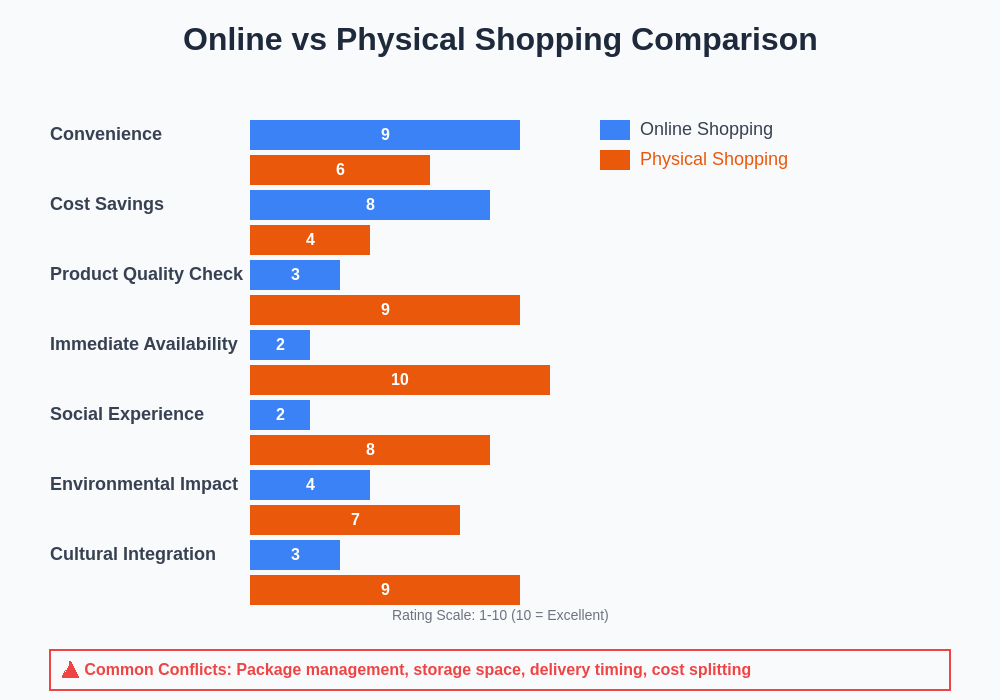
The surge in online shopping among international residents has created unprecedented challenges for package management in Tokyo sharehouses, where traditional building designs and management systems were never intended to handle the volume and complexity of modern delivery services. Package delivery becomes complicated due to the intersection of multiple delivery companies, varying schedules, and the need for resident availability during specific time windows.
Sharehouse management companies often struggle to implement effective package handling systems that accommodate both residents who prefer online shopping and those who rarely receive deliveries, leading to conflicts over space allocation, responsibility for package collection, and fees for handling services. The situation becomes particularly complex when residents order large items, perishable goods, or time-sensitive deliveries that require immediate attention upon arrival.
International residents who rely heavily on online shopping often underestimate the logistical challenges of coordinating deliveries with their work schedules, language barriers with delivery personnel, and the limited storage capacity available in most sharehouses. These complications frequently result in failed delivery attempts, additional fees, and frustration for both the recipient and other residents who may be asked to assist with package collection.
The security implications of frequent deliveries also create tension within sharehouses, as increased foot traffic from delivery personnel, the accumulation of packages in common areas, and the potential for theft or misdelivery can affect the comfort and safety of all residents. Some houses have implemented strict package policies that may conflict with residents’ shopping preferences and lifestyle needs.
Economic Disparities and Spending Approaches
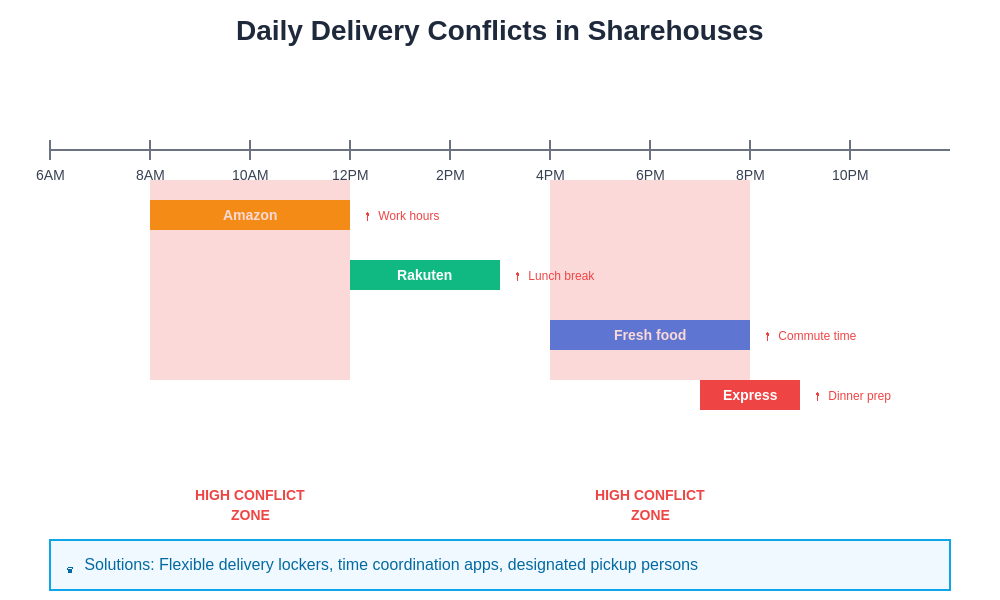
The economic implications of different shopping preferences create significant disparities in how sharehouse residents allocate their monthly budgets, with online shoppers often benefiting from competitive pricing and bulk purchase options while physical shoppers may pay premium prices for convenience and immediate availability. Living costs in Tokyo sharehouses explained demonstrates how shopping choices can significantly impact overall monthly expenses.
Residents who prefer physical shopping often justify higher costs through arguments about product quality, supporting local businesses, and avoiding delivery fees, while online shoppers emphasize price comparison, bulk discounts, and time efficiency as reasons for their preferences. These philosophical differences about spending priorities can create tension when coordinating group purchases or shared expenses.
The variance in shopping frequency and purchasing patterns between online and physical shoppers affects everything from refrigerator space allocation to the timing of shared meal planning and household supply management. Online shoppers may stock up on non-perishable items during sales events, while physical shoppers prefer fresh, daily purchases that require different storage and planning approaches.
International residents often face additional economic pressures related to shipping costs, minimum order requirements for free delivery, and the inability to use certain online platforms due to address verification or payment method restrictions. How to budget realistically for sharehouse living becomes more complex when these shopping-related variables are factored into monthly financial planning.
Time Management and Scheduling Conflicts
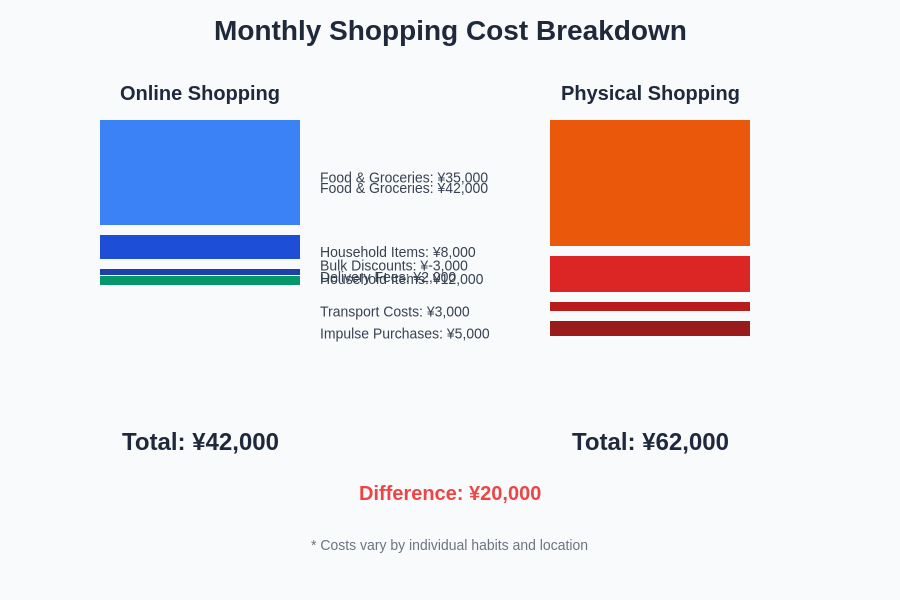
The temporal aspects of different shopping preferences create persistent scheduling conflicts within sharehouses, as online shoppers require specific time windows for delivery acceptance while physical shoppers need flexibility for spontaneous shopping trips and store hour limitations. These timing differences affect everything from shared meal planning to the availability of common areas and the coordination of household maintenance activities.
Online shoppers often experience frustration when delivery windows conflict with work schedules, social activities, or travel plans, leading to requests for assistance from housemates that can create feelings of obligation or resentment. The expectation that other residents will accept packages or provide delivery instructions on their behalf can strain relationships and create unequal distributions of responsibility.
Physical shoppers may find their preferred shopping routines disrupted by the constant flow of deliveries, the occupation of storage spaces by online purchases, and the need to coordinate around delivery schedules when planning their own shopping trips. The spontaneous nature of traditional shopping often conflicts with the structured approach required for managing online deliveries.
The seasonal variations in shopping patterns also create additional complexity, as online shopping volumes typically increase during extreme weather periods when physical shopping becomes less appealing, placing additional strain on package management systems and storage capacity during already challenging times.
Technology Adoption and Digital Literacy Gaps
Significant variations in technology adoption and digital literacy among sharehouse residents create fundamental communication barriers and different expectations about shopping processes, payment methods, and information sharing. Cultural differences affect friendship building when technology preferences create divisions between residents who embrace digital solutions and those who prefer traditional approaches.
Language barriers compound technology adoption challenges, as many online shopping platforms, delivery apps, and digital payment systems require Japanese proficiency that international residents may lack, forcing them to rely on housemates for assistance or translation services. This dependency can create unbalanced relationships and limit shopping independence for residents who struggle with digital platforms.
The generational divide in technology comfort levels often correlates with shopping preferences, creating situations where younger residents become informal technology support for older housemates while simultaneously feeling frustrated by the inefficiency of traditional shopping methods. These dynamics can affect the overall social balance within sharehouses and create subtle hierarchies based on technological competence.
Different expectations about privacy, data sharing, and online security also influence shopping preferences, with some residents avoiding online platforms due to security concerns while others freely share account information and group purchasing opportunities. These varying comfort levels with digital commerce can limit opportunities for cost-saving group purchases and coordinated shopping efforts.
Storage and Space Management Issues
The physical manifestation of shopping preference differences becomes most apparent in storage and space management conflicts, where online shoppers typically require more storage capacity for bulk purchases and advance ordering while physical shoppers prefer minimal storage and frequent turnover of consumable items. Limited storage forces you to live minimally becomes a particular challenge when residents have fundamentally different approaches to inventory management.
Refrigerator and pantry space allocation becomes contentious when some residents stock up on sale items purchased online while others prefer fresh, daily purchases that require different storage priorities and turnover rates. The competition for storage space often reflects deeper philosophical differences about consumption patterns and lifestyle approaches.
The temporary storage of large or irregularly shaped items purchased online can disrupt common areas and create inconvenience for all residents, particularly when delivery timing doesn’t align with the recipient’s availability to move items to their personal space. This situation often requires negotiation and compromise that may not be sustainable long-term.
Cleaning and maintenance responsibilities become more complex when online shopping creates additional packaging waste, delivery-related mess, and temporary disruptions to common areas that may not be fairly distributed among residents who contribute differently to these issues. How cleaning responsibilities create house drama often includes conflicts specifically related to shopping-generated waste and space usage.
Social Dynamics and Community Impact
Shopping preferences significantly influence social dynamics within sharehouses, affecting everything from spontaneous group activities to planned social events and the development of friendships based on shared interests and compatible lifestyle approaches. Residents who prefer physical shopping often value the social aspects of shopping together, exploring local markets, and discovering new stores as group activities.
Online shoppers may miss opportunities for cultural exchange and local exploration that come naturally through traditional shopping experiences, potentially limiting their integration into both the sharehouse community and the broader Japanese culture. Making friends through Tokyo sharehouse communities can be affected by how residents choose to engage with local commerce and shared activities.
The coordination of group purchases, shared meals, and household supplies becomes more complex when residents have different preferences for shopping methods, timing, and decision-making processes. Some residents prefer the immediate decision-making possible with physical shopping, while others want time to research and compare options online before committing to purchases.
Gift-giving occasions and cultural celebrations can create additional stress when residents have different expectations about shopping for presents, coordinating surprise purchases, or participating in traditional shopping experiences that may be important to some housemates but uncomfortable for others.
Environmental and Sustainability Considerations
The environmental impact of different shopping preferences creates ethical dilemmas and potential conflicts within sharehouses, as online shopping often involves increased packaging waste and delivery-related carbon emissions while physical shopping may involve more frequent trips and potentially higher overall consumption. Sustainability values affect household consumption patterns when residents have different priorities regarding environmental responsibility.
Residents committed to environmental sustainability may prefer bulk online ordering to reduce trip frequency, while others prioritize supporting local businesses and reducing packaging waste through traditional shopping methods. These philosophical differences can create tension when making group decisions about household purchases and consumption patterns.
The disposal of packaging materials from online orders often falls disproportionately on residents who don’t participate in online shopping but must deal with the increased waste volume and recycling responsibilities. Recycling rules vary by Tokyo ward becomes more complicated when packaging waste increases significantly due to online shopping habits.
Some sharehouses attempt to implement environmental policies that may favor one shopping method over another, creating additional rules and restrictions that residents must navigate while trying to meet their daily needs and personal preferences.
Resolution Strategies and Adaptation
Successful resolution of shopping preference conflicts requires clear communication, established guidelines, and willingness to compromise from all residents involved in shared living situations. Japanese sharehouse rules every foreigner should know often include provisions for package handling and shopping-related responsibilities that can help prevent conflicts.
Implementing fair systems for package management, storage allocation, and shared shopping responsibilities requires ongoing negotiation and adjustment as resident needs change and new challenges emerge. Regular house meetings to discuss shopping-related issues can help prevent small frustrations from escalating into major conflicts.
Technology solutions such as shared shopping apps, package notification systems, and coordinated delivery scheduling can help bridge the gap between different shopping preferences while maintaining respect for individual choices and constraints. Some houses have found success in designated shopping coordinators or rotating responsibilities for group purchases.
Education and cultural exchange opportunities can help residents understand the reasoning behind different shopping preferences, potentially leading to more tolerance and creative solutions that accommodate multiple approaches to consumer decisions. The goal should be finding balance rather than forcing uniformity in shopping habits.
The ongoing evolution of shopping preferences in Tokyo sharehouses reflects broader changes in consumer behavior, technology adoption, and cultural integration that will continue to challenge and reshape shared living experiences. Understanding these dynamics helps residents navigate current conflicts while preparing for future changes in how international communities approach commerce and consumption in Japan’s unique retail environment.
Disclaimer
This article is for informational purposes only and reflects general observations about shopping preference conflicts in shared living situations. Individual experiences may vary significantly based on specific house rules, resident demographics, and cultural backgrounds. Readers should consider their own circumstances and communicate directly with potential housemates about shopping preferences and expectations before committing to shared living arrangements.