Part-time employment in Japan presents unique challenges when applying for sharehouses in Tokyo, creating barriers that many international residents encounter during their housing search. The complexity of income verification systems, combined with traditional Japanese business practices that favor stable full-time employment, often disadvantages part-time workers seeking accommodation in the competitive Tokyo rental market. Understanding these obstacles and developing effective strategies to overcome them becomes crucial for securing suitable housing while maintaining flexible work arrangements.
The intersection of employment status and housing approval reflects deeper cultural attitudes toward work stability and financial reliability that permeate Japanese society. Part-time workers must navigate not only the practical aspects of income documentation but also the perceptions and biases that influence property managers’ decision-making processes when evaluating applications from candidates with non-traditional employment arrangements.
The Income Verification Challenge
Property managers and sharehouse operators in Tokyo rely heavily on employment verification as the primary indicator of an applicant’s ability to maintain consistent rent payments throughout their tenancy. Understanding what documents you need for Tokyo sharehouse applications reveals the extensive documentation requirements that become particularly challenging for part-time workers to satisfy adequately.
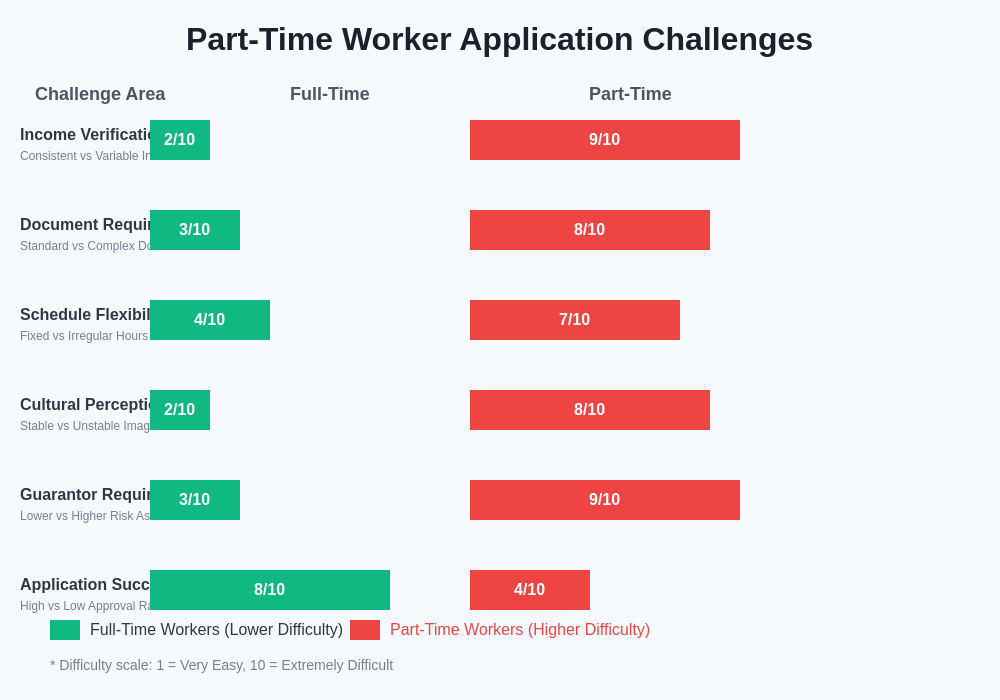
Part-time employment contracts typically lack the standardized format and comprehensive details found in full-time employment agreements, making it difficult for property managers to assess income stability and long-term employment prospects. The irregular nature of part-time work schedules, varying hourly commitments, and potential for sudden contract terminations create uncertainty that property managers perceive as increased risk factors when evaluating applications.
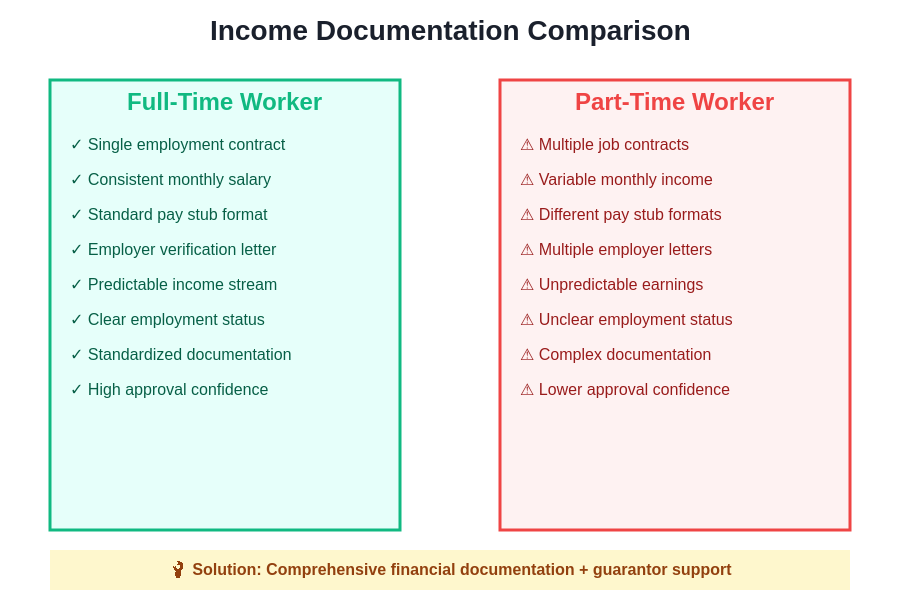
Income documentation for part-time workers often presents incomplete pictures of earning potential, as pay stubs may show significant monthly variations, and employment certificates may not guarantee future work availability. This contrasts sharply with full-time employees who can provide consistent salary statements and employment contracts that demonstrate ongoing financial stability and predictable income streams.
The seasonal nature of many part-time positions, particularly in industries like hospitality, retail, and education, compounds these challenges by creating periods of reduced or eliminated income that property managers view as potential payment risks. Even part-time workers with multiple concurrent positions may struggle to demonstrate sufficient combined income due to the complexity of documenting earnings from various sources.
Cultural Perceptions and Biases
Japanese business culture traditionally values long-term employment relationships and views job stability as indicative of personal reliability and social responsibility. Living with Japanese roommates in Tokyo sharehouses explores cultural attitudes that extend beyond personal relationships into business dealings and housing decisions.
Part-time employment carries stigma in some traditional circles, perceived as indicating lack of commitment, ambition, or inability to secure stable employment rather than deliberate lifestyle choices or career flexibility preferences. These perceptions influence property managers’ subjective assessments of applicants, even when part-time workers demonstrate adequate financial resources and responsible tenancy history.
The concept of lifetime employment, while less prevalent than in previous decades, continues to influence expectations around work stability and income predictability that favor full-time employees in housing applications. Property managers may unconsciously associate part-time work with temporary residency intentions, concerns about community integration, or higher likelihood of early lease termination.
International part-time workers face additional challenges as property managers may question their long-term commitment to Japan, visa stability, and cultural integration potential based on employment status rather than individual circumstances and qualifications. These biases create compounding disadvantages that extend beyond simple financial verification requirements.
Multiple Income Source Complications
Many part-time workers maintain multiple concurrent positions to achieve desired income levels and schedule flexibility, but this approach creates documentation complexities that complicate application processes. How to calculate your true living costs becomes particularly important when demonstrating financial capacity from diverse income sources.
Combining income from multiple part-time positions requires extensive documentation that may include different pay stub formats, various employment verification letters, and complex explanations of total earning capacity that property managers find difficult to evaluate quickly. The administrative burden of verifying multiple employers and income streams may discourage property managers from thoroughly reviewing applications from multi-job part-time workers.
Scheduling conflicts between multiple part-time positions can affect availability for property viewings, application meetings, and move-in procedures, creating logistical challenges that may be interpreted as lack of serious interest or organizational capability. The complexity of coordinating multiple work schedules may also raise concerns about tenants’ ability to participate in house activities or maintain community relationships.
Tax implications of multiple part-time positions can create additional documentation requirements and potential complications with income reporting that property managers may not fully understand, leading to conservative rejection decisions rather than investing time in complex application reviews.
Irregular Schedule Impact on Applications
The variable nature of part-time work schedules creates practical obstacles throughout the application process that can disadvantage candidates regardless of their financial qualifications. Property viewings, application appointments, and documentation meetings typically occur during standard business hours when many part-time workers have work commitments that cannot be easily rescheduled.
How shift work schedules affect roommate relations highlights how irregular schedules impact not only application logistics but also property managers’ concerns about community integration and house harmony. Late-night or early-morning work schedules may raise concerns about noise, disruption to other residents, and compatibility with house rules and community expectations.
The unpredictability of part-time schedules makes it difficult to commit to specific move-in dates, lease start times, or ongoing obligations such as house meetings or community activities that some sharehouses require from residents. Property managers may interpret scheduling inflexibility as indication of potential future conflicts or lack of commitment to house community participation.
Emergency contact availability and responsiveness concerns arise when part-time workers have irregular schedules that may make them difficult to reach during standard business hours when property management issues typically require immediate attention.
Financial Verification Strategies
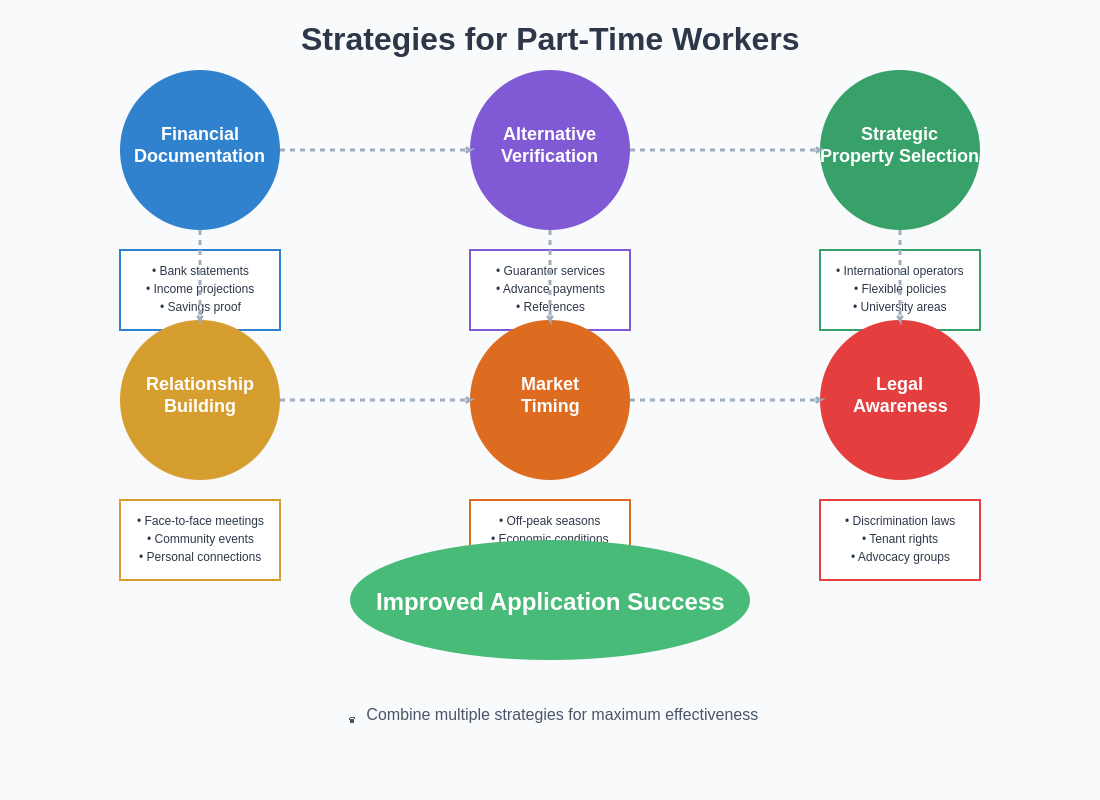
Part-time workers can strengthen their applications by developing comprehensive financial documentation strategies that address property managers’ primary concerns about income stability and payment reliability. Bank statements covering extended periods demonstrate consistent income patterns and financial management capabilities that may offset concerns about employment irregularity.
Creating detailed income projections based on confirmed work schedules, contract commitments, and historical earning patterns provides property managers with clearer pictures of expected financial capacity throughout lease periods. Documentation of additional income sources such as savings account interest, family support, or supplementary business activities can demonstrate financial stability beyond part-time employment alone.
How to budget realistically for sharehouse living provides frameworks for presenting comprehensive financial pictures that address property manager concerns while demonstrating responsible financial planning and realistic income expectations.
Establishing relationships with banks or financial institutions that can provide character references or financial stability attestations may supplement employment verification with additional credibility indicators that property managers find reassuring when evaluating applications from part-time workers.
Alternative Verification Methods
Guarantor arrangements represent one of the most effective methods for part-time workers to overcome income verification challenges by providing property managers with additional security and payment assurance. Japanese guarantor systems require guarantors with stable income and established credit history to assume financial responsibility for rent payments if tenants default.
Professional guarantor services have emerged to serve international residents and non-traditional workers who lack personal guarantor options, though these services require fees and may have their own qualification requirements that part-time workers must meet. Understanding guarantor options and requirements early in the application process allows part-time workers to secure necessary arrangements before property searching begins.
Some sharehouses and property management companies offer alternative verification methods such as advance rent payments, larger security deposits, or month-to-month arrangements that reduce perceived risk while accommodating non-traditional employment situations. What security deposits actually cover in sharehouses explains how enhanced deposit arrangements can strengthen applications.
References from previous landlords, employers, or community members can provide character attestations that supplement financial documentation with personal reliability indicators that property managers value when evaluating applications from candidates with non-standard employment arrangements.
Targeting Suitable Properties
Strategic property selection significantly improves application success rates for part-time workers by focusing on sharehouses and operators that demonstrate flexibility toward diverse employment arrangements and international residents. How to find the perfect sharehouse in Tokyo provides frameworks for identifying properties that align with individual circumstances and requirements.
International-focused sharehouse operators often have more experience with non-traditional employment situations and may have developed policies and procedures that accommodate part-time workers more effectively than traditional Japanese property management companies. These operators may better understand visa requirements, international income verification challenges, and cultural differences that affect application processes.
Smaller, independently operated sharehouses may offer more personalized application reviews and flexibility in documentation requirements compared to large corporate operators with standardized approval processes that may automatically reject applications that don’t meet traditional employment criteria.
Properties in areas with high international resident populations or near universities and language schools may be more accustomed to applications from part-time workers and may have adjusted their approval criteria to accommodate the employment patterns common among international students and working holiday visa holders.
Building Credibility and Relationships
Establishing relationships with property managers and sharehouse operators before formal application submission can help part-time workers address concerns proactively and demonstrate personal reliability that transcends employment status documentation. Face-to-face meetings allow candidates to explain their situations, career goals, and commitment levels in ways that written applications cannot convey effectively.
Participating in sharehouse community events, information sessions, or social activities provides opportunities to demonstrate personality, cultural sensitivity, and community integration potential that may influence property managers’ subjective assessments when evaluating applications from candidates with non-traditional backgrounds.
Making friends through Tokyo sharehouse communities offers strategies for building relationships that can provide informal recommendations and character references from existing residents or community members who can attest to applicants’ reliability and compatibility.
Professional networking through industry associations, language exchange groups, or volunteer organizations can create connections with individuals who may provide references, guarantor services, or introductions to property managers who understand specific career paths and employment arrangements.
Timing and Market Conditions
Understanding seasonal patterns and market dynamics in Tokyo’s sharehouse sector enables part-time workers to time their applications strategically when competition levels and approval standards may be more favorable. Why seasonal demand affects sharehouse prices explains how market conditions influence application success rates.
Peak moving seasons in March and April typically coincide with high competition and stricter approval criteria as property managers have numerous full-time employed candidates to choose from, making these periods particularly challenging for part-time workers seeking accommodation. Targeting off-peak periods when vacancy rates are higher and competition is reduced may improve approval odds significantly.
Economic conditions and employment market trends influence property managers’ risk tolerance and willingness to accept applications from non-traditional employment situations. During periods of economic uncertainty, approval standards may become more conservative, while strong economic conditions may create more flexibility in application requirements.
University and language school enrollment cycles affect sharehouse demand patterns and property manager familiarity with student and part-time worker applications, creating windows of opportunity when operators are actively seeking residents with flexible employment arrangements.
Legal Protections and Advocacy
Understanding legal protections against employment discrimination in housing applications empowers part-time workers to identify potentially discriminatory practices and seek appropriate remedies when applications are rejected based solely on employment status rather than financial qualifications. Japanese housing discrimination laws provide some protections, though enforcement and practical application can be challenging.
Japanese sharehouse rules every foreigner should know includes information about tenant rights and legal protections that apply to all residents regardless of employment status, providing foundation knowledge for understanding fair treatment in application processes.
Documentation of application processes, rejection reasons, and communications with property managers creates records that may be useful if discrimination claims become necessary, though most part-time workers prefer resolution through alternative approaches rather than legal proceedings.
Advocacy organizations and support groups for international residents in Japan may provide resources, advice, and assistance for part-time workers facing housing discrimination or application challenges based on employment status rather than legitimate financial concerns.
Success Stories and Adaptations
Many part-time workers successfully secure appropriate sharehouse accommodations by developing comprehensive application strategies that address property manager concerns while highlighting their unique strengths and community contributions. Learning from successful approaches and adaptations helps other part-time workers refine their own application strategies.
Career development planning that demonstrates progression toward more stable employment or specific professional goals can help property managers understand part-time work as strategic career choice rather than indication of instability or lack of ambition. Presenting part-time work within broader career contexts may improve application reception.
Community involvement and cultural integration activities demonstrate commitment to long-term residence and positive house community participation that may offset concerns about employment stability when property managers evaluate overall candidate suitability for shared living environments.
Financial responsibility demonstrations through savings patterns, debt management, and budgeting skills provide evidence of money management capabilities that complement income verification and suggest reliable rent payment patterns regardless of employment arrangement complexities.
The challenges facing part-time workers in Tokyo’s sharehouse application process reflect broader tensions between traditional employment expectations and evolving work patterns that prioritize flexibility, career development, and work-life balance. Success in navigating these challenges requires understanding both practical application requirements and underlying cultural attitudes that influence decision-making processes, combined with strategic preparation and persistent effort to identify compatible housing opportunities.
Disclaimer
This article is for informational purposes only and does not constitute professional legal or financial advice. Employment laws, housing regulations, and sharehouse policies in Tokyo may change over time. Individual experiences with part-time income verification may vary significantly based on specific circumstances, property operators, and market conditions. Readers should research current requirements and consult with relevant professionals when facing housing application challenges.