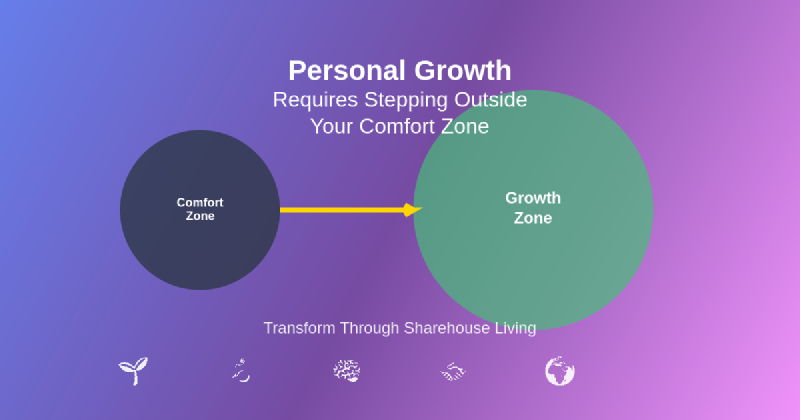
The journey of personal growth fundamentally requires individuals to venture beyond the familiar boundaries of their comfort zones, particularly when navigating the complex social and cultural landscape of sharehouse living in Tokyo. This transformative experience challenges residents to confront deeply ingrained habits, cultural assumptions, and personal limitations while developing resilience, adaptability, and cross-cultural competency that extends far beyond temporary accommodation arrangements.
Living in a Tokyo sharehouse presents an unparalleled opportunity for accelerated personal development through daily exposure to unfamiliar social dynamics, cultural practices, and communication challenges that force residents to expand their emotional intelligence, problem-solving capabilities, and self-awareness. The discomfort inherent in these experiences serves as a catalyst for profound psychological and social transformation that would be impossible to achieve within the safety of familiar environments.
Understanding the Psychology of Comfort Zones
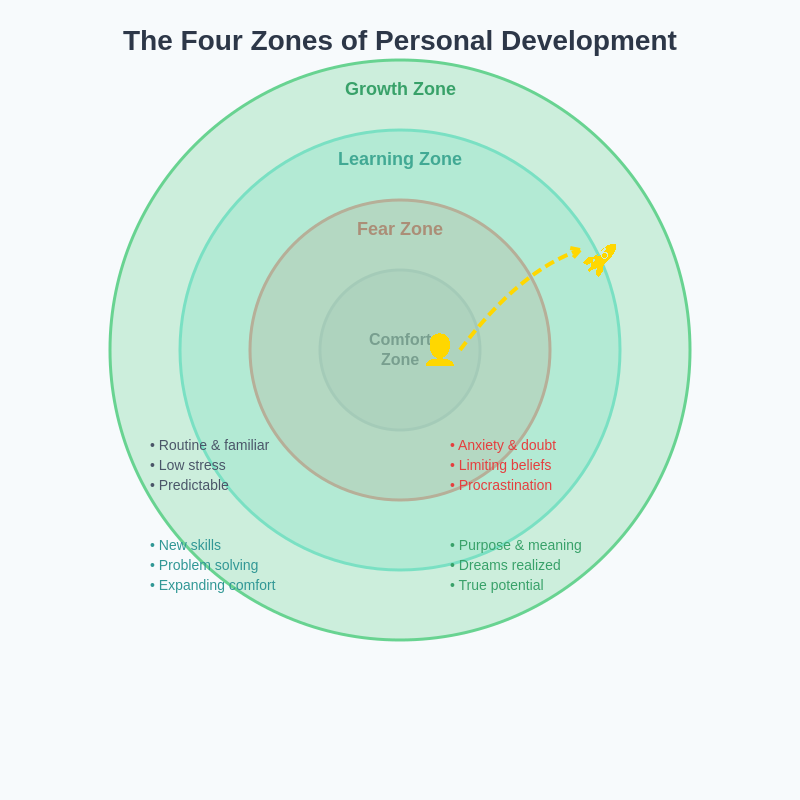
The comfort zone represents a psychological state where individuals operate within familiar patterns of behavior, thought processes, and environmental conditions that minimize stress, anxiety, and uncertainty while providing predictable outcomes and emotional security. While this state offers temporary relief from life’s challenges, it simultaneously limits opportunities for skill development, creative problem-solving, and meaningful personal transformation that occurs only through engagement with novel and challenging circumstances.
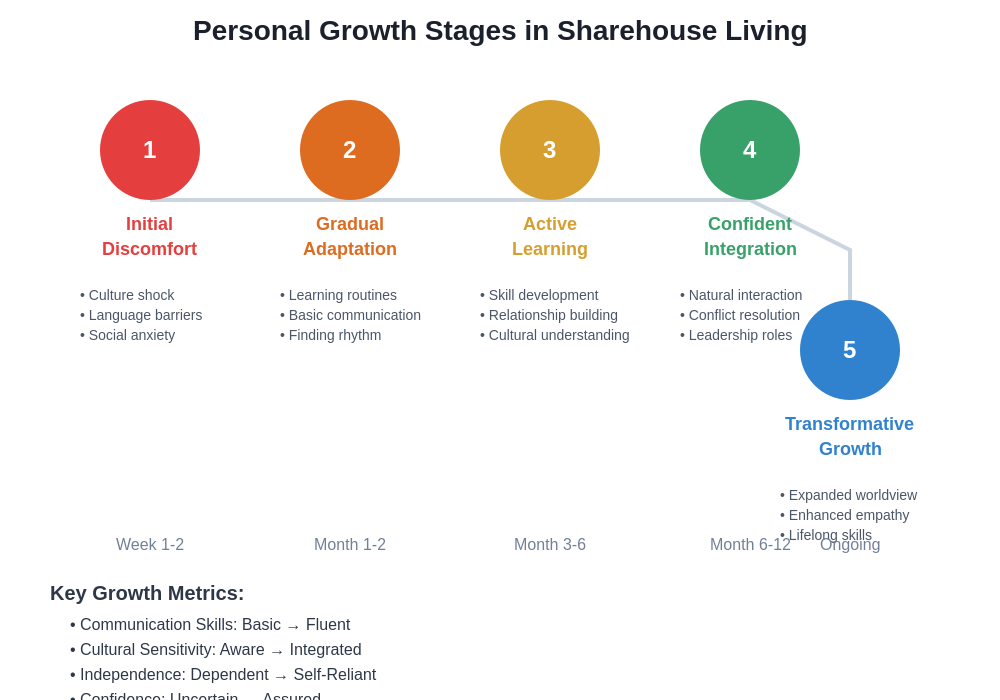
How cultural adaptation happens gradually demonstrates how residents initially experience discomfort when confronted with unfamiliar social norms, communication styles, and daily routines that challenge their established worldviews and behavioral patterns. This initial discomfort signals the beginning of a psychological restructuring process that ultimately leads to enhanced cognitive flexibility and emotional resilience.
Research in developmental psychology consistently demonstrates that growth occurs primarily during periods of optimal challenge, where individuals face difficulties that stretch their capabilities without overwhelming their coping mechanisms. Sharehouse living provides this optimal challenge environment through consistent exposure to cross-cultural interactions, shared resource management, and collaborative problem-solving scenarios that require residents to develop new strategies and perspectives.
The neuroplasticity of the human brain enables significant adaptation and learning when exposed to novel experiences that require new neural pathway development. Living with international roommates from diverse cultural backgrounds creates continuous opportunities for brain rewiring through exposure to different languages, customs, conflict resolution approaches, and social interaction patterns that expand cognitive capabilities and cultural intelligence.
Cultural Immersion as a Growth Catalyst
Tokyo’s unique cultural environment presents sharehouse residents with daily opportunities to challenge Western individualistic assumptions through exposure to Japanese collectivistic values, indirect communication styles, and harmony-focused social dynamics. How cultural differences affect friendship building explores how these differences initially create discomfort but ultimately develop deeper empathy, communication skills, and cultural sensitivity.
The process of cultural adaptation requires individuals to question fundamental assumptions about appropriate behavior, social hierarchy, personal space, and interpersonal relationships that have been unconsciously absorbed throughout their formative years. This questioning process, while initially unsettling, creates opportunities for conscious choice regarding which cultural elements to embrace, modify, or reject based on personal values and goals.
Language barriers in sharehouse environments force residents to develop creative communication strategies that transcend verbal expression, including non-verbal communication, visual aids, translation technology, and simplified language structures. How language barriers prevent deep friendships illustrates how overcoming these challenges builds confidence, creativity, and persistence while developing appreciation for diverse communication styles.
Daily exposure to different cultural approaches to time management, cleanliness standards, food preparation, and social interaction provides continuous learning opportunities that expand residents’ behavioral repertoires and cultural competency. These experiences challenge ethnocentric perspectives while developing cultural relativity and appreciation for diverse approaches to common human challenges.
Developing Emotional Intelligence Through Shared Living
Sharehouse living creates intense social environments where residents must navigate complex interpersonal dynamics, manage conflicts constructively, and build meaningful relationships despite cultural and personality differences. How conflict resolution abilities improve demonstrates how these challenging social situations develop emotional intelligence, empathy, and interpersonal skills that benefit all areas of life.
The shared nature of common spaces, resources, and responsibilities requires residents to develop heightened awareness of others’ needs, emotions, and preferences while learning to communicate their own boundaries and requirements effectively. This constant social calibration builds emotional intelligence components including self-awareness, social awareness, relationship management, and emotional regulation.
Living in close proximity with diverse personalities exposes residents to different emotional expression styles, conflict management approaches, and stress coping mechanisms that expand their understanding of human psychology and behavioral patterns. How personality conflicts escalate quickly shows how managing these differences develops patience, tolerance, and adaptive communication strategies.
The vulnerability inherent in shared living situations requires residents to practice authentic self-expression while respecting others’ boundaries and cultural norms. This balance between authenticity and cultural sensitivity develops sophisticated social skills and emotional maturity that translate into improved professional and personal relationships outside the sharehouse environment.
Building Independence and Self-Reliance
Moving into a Tokyo sharehouse typically represents a significant departure from familiar support systems, requiring residents to develop independence skills including financial management, problem-solving, decision-making, and self-advocacy in unfamiliar cultural and linguistic contexts. How independence skills develop in shared living explores how these challenges build confidence and self-reliance.
The necessity of managing daily tasks such as grocery shopping, bill payment, transportation navigation, and medical care in a foreign country develops practical life skills while building confidence in one’s ability to adapt and thrive in challenging circumstances. These experiences prove to residents that they possess greater capabilities and resilience than previously recognized.
Financial independence becomes particularly challenging when managing currency exchange, understanding Japanese banking systems, and budgeting for unexpected expenses while maintaining social relationships and personal goals. Successfully navigating these financial challenges builds money management skills and financial confidence that benefits long-term financial planning and decision-making.
The absence of familiar social support networks forces residents to develop new relationship-building skills, seek help appropriately, and create community connections that provide both practical assistance and emotional support. This process develops social confidence and networking abilities that prove valuable throughout life.
Overcoming Communication Barriers and Building Confidence
Language barriers present daily challenges that require creative problem-solving, patience, and persistence while building communication confidence and linguistic abilities. How language learning affects career opportunities demonstrates how overcoming these challenges develops valuable professional skills and career advantages.
The necessity of communicating complex ideas, emotions, and needs across language barriers develops creativity, empathy, and communication skills that transcend linguistic limitations. Residents learn to use visual aids, body language, translation technology, and simplified language structures to convey meaning effectively despite vocabulary limitations.
Professional communication skills develop through necessity as residents navigate housing contracts, employment applications, medical appointments, and bureaucratic procedures in Japanese. These experiences build confidence in formal communication while developing cultural understanding of professional norms and expectations in Japanese business culture.
The gradual improvement in Japanese language abilities provides tangible evidence of personal growth and learning capacity that builds confidence in tackling other challenging learning objectives. This success experience creates positive momentum for continued personal development and skill acquisition.
Developing Adaptability and Resilience
Sharehouse living presents continuous minor and major challenges that require flexible thinking, creative problem-solving, and emotional resilience. How adaptability becomes essential survival skill shows how these daily challenges build mental flexibility and stress management capabilities.
Unexpected situations such as roommate conflicts, housing changes, financial difficulties, or cultural misunderstandings require residents to adapt quickly while maintaining emotional stability and goal focus. Successfully navigating these challenges builds confidence in one’s ability to handle future uncertainties and difficulties.
The unpredictable nature of shared living environments develops tolerance for ambiguity and comfort with uncertainty that benefits professional and personal decision-making. Residents learn to make decisions with incomplete information while remaining open to changing circumstances and new opportunities.
Seasonal changes, roommate turnover, and evolving house dynamics require continuous adaptation and relationship building that develops social flexibility and relationship management skills. These experiences teach residents that change is normal and manageable rather than threatening and overwhelming.
Expanding Worldview and Perspective
Daily exposure to diverse cultural perspectives, political viewpoints, religious beliefs, and lifestyle choices challenges residents’ assumptions about universal human experiences while developing intellectual humility and curiosity. How cultural sensitivity develops through daily interaction explores how this exposure broadens understanding and empathy.
Living with residents from different economic backgrounds, educational experiences, and career paths provides insights into diverse life strategies and value systems that expand understanding of human potential and possibility. These experiences challenge limiting beliefs about success, happiness, and personal fulfillment while inspiring new goals and aspirations.
Exposure to different approaches to work-life balance, relationship priorities, and personal development creates opportunities to consciously choose lifestyle elements that align with personal values rather than unconsciously following cultural defaults. This conscious choice process develops authentic self-expression and intentional living skills.
The global perspective gained through international friendships and cultural exposure develops appreciation for diversity while building skills needed for success in increasingly globalized professional and social environments. These experiences prepare residents for international career opportunities and cross-cultural collaboration.
Practical Skills Development Through Daily Challenges
Sharehouse living requires residents to develop practical skills including cooking for diverse dietary requirements, managing shared spaces efficiently, and coordinating schedules with multiple roommates. How cooking classes could solve many problems demonstrates how these practical challenges build life skills and self-sufficiency.
Time management becomes crucial when coordinating bathroom schedules, kitchen usage, and common area activities with multiple residents who have different daily routines and cultural approaches to time. Successfully managing these logistics develops organizational skills and consideration for others.
Conflict resolution skills develop through necessity as residents navigate disagreements about cleanliness standards, noise levels, guest policies, and shared resource usage. Learning to address conflicts constructively while maintaining relationships builds valuable interpersonal skills that benefit all areas of life.
Financial management skills improve through experience with shared expenses, utility bill calculations, and group purchasing decisions that require transparency, fairness, and collaborative decision-making. These experiences build financial literacy and collaborative financial planning abilities.
Long-term Benefits of Comfort Zone Expansion
The personal growth achieved through sharehouse living creates lasting changes in confidence, capability, and worldview that benefit residents throughout their lives. How sharehouse living prepares you for future challenges explores how these experiences build foundation skills for handling life’s ongoing challenges and opportunities.
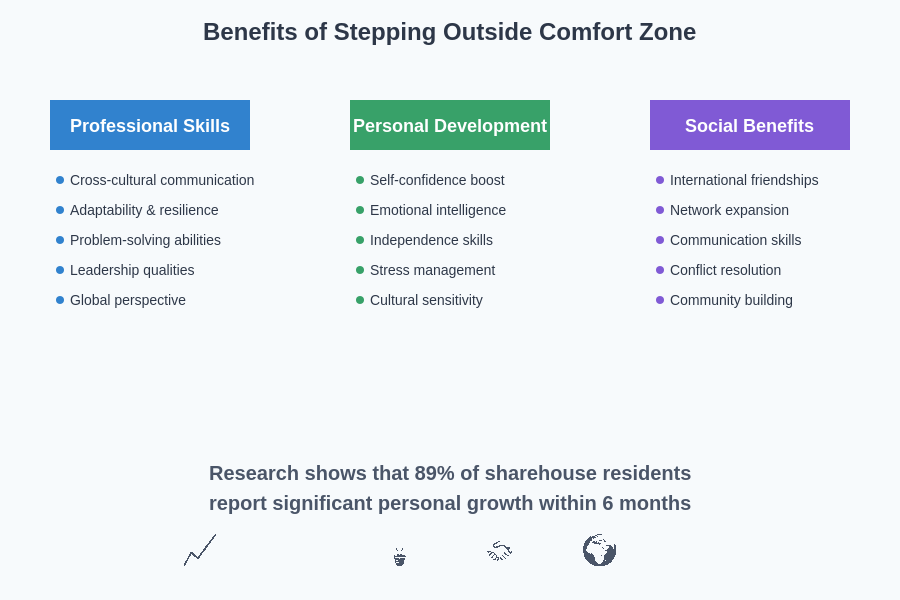
Professional benefits include improved communication skills, cultural competency, adaptability, and problem-solving abilities that are highly valued in international business environments. Employers increasingly recognize the value of employees who have successfully navigated cross-cultural living situations and developed associated skills.
Personal relationships benefit from improved empathy, communication skills, conflict resolution abilities, and cultural sensitivity developed through intensive shared living experiences. These skills enhance romantic relationships, friendships, and family dynamics throughout life.
The confidence gained through successfully managing challenging cultural and social situations builds self-efficacy beliefs that support continued personal growth and willingness to embrace future challenges. Residents develop identity as capable, adaptable individuals who can thrive in diverse environments.
Strategies for Maximizing Growth Opportunities
Intentional engagement with discomfort and challenge accelerates personal growth while building resilience and confidence. Setting specific learning goals, seeking feedback from roommates, and reflecting on growth experiences helps maximize the developmental benefits of sharehouse living.
Active participation in house activities, cultural events, and community building efforts creates additional opportunities for skill development and relationship building while demonstrating commitment to the shared living experience. These efforts often result in deeper friendships and more meaningful cultural exchange.
Maintaining growth mindset during difficult periods helps residents view challenges as learning opportunities rather than threats to well-being. This perspective shift enables continued growth during stressful situations while building emotional resilience and optimism.
Regular self-reflection through journaling, discussion with friends, or professional counseling helps residents process experiences and integrate learning into their evolving self-concept. This integration process ensures that growth experiences create lasting change rather than temporary adaptation.
The transformative potential of stepping outside comfort zones through sharehouse living extends far beyond temporary accommodation arrangements to create fundamental changes in capability, confidence, and worldview that benefit residents throughout their lives. While the initial discomfort of unfamiliar social and cultural environments can feel overwhelming, the personal growth achieved through these challenging experiences provides invaluable preparation for success in an increasingly complex and interconnected world.
Disclaimer
This article is for informational purposes only and does not constitute professional psychological or medical advice. Individual experiences with personal growth and cultural adaptation vary significantly based on personality, background, and circumstances. Readers experiencing significant distress should consult with qualified mental health professionals. The strategies and outcomes described may not apply to all individuals or situations.