The dramatic variation in personal hygiene standards among Tokyo sharehouse residents represents one of the most challenging and frequently discussed aspects of international shared living experiences. These differences extend far beyond simple cleanliness preferences, encompassing deep-rooted cultural practices, individual upbringing experiences, economic circumstances, and psychological factors that shape how people approach personal care and shared space maintenance in communal living environments.
Understanding the complex origins and manifestations of these hygiene variations becomes essential for anyone considering or currently experiencing sharehouse living in Tokyo, as these differences can significantly impact daily comfort, social relationships, and overall satisfaction with shared accommodation arrangements. The ability to navigate these variations constructively often determines the success or failure of long-term sharehouse experiences for international residents.
Cultural Background and Upbringing Influences
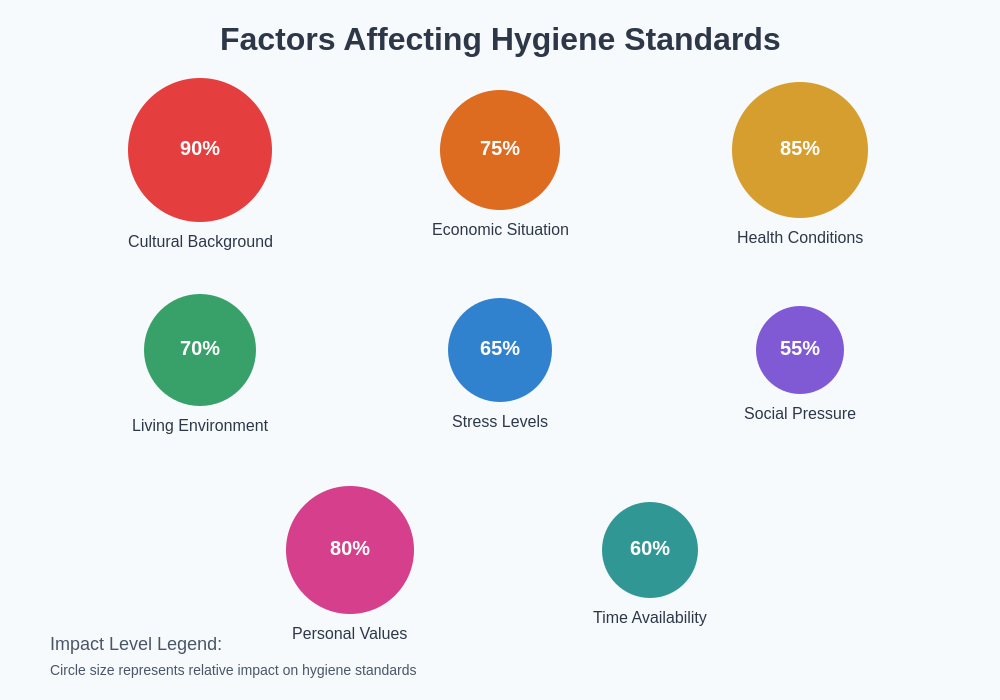
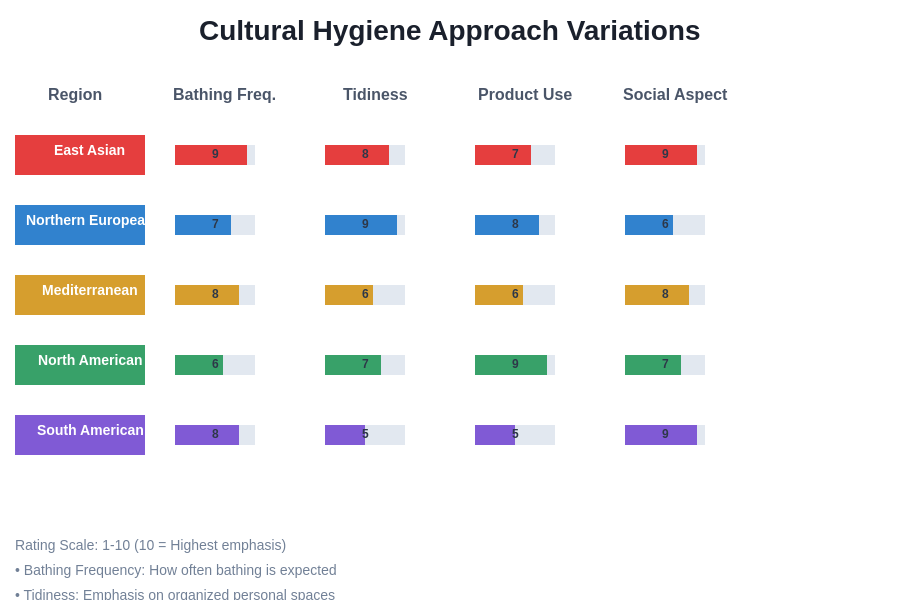
Cultural conditioning plays the most fundamental role in shaping individual hygiene standards, with different societies establishing vastly different norms around personal cleanliness, frequency of bathing, clothing maintenance, and shared space responsibilities. Japanese sharehouse rules every foreigner should know highlights how traditional Japanese cleanliness expectations often conflict with international residents’ established habits and cultural practices.
The influence of childhood environment and family practices creates lasting patterns that persist well into adulthood, regardless of changed living circumstances or social expectations. Residents who grew up in households with strict cleanliness routines typically maintain higher standards throughout their lives, while those from more relaxed environments may struggle to adapt to communal living expectations that require elevated attention to shared space maintenance.
Educational and social class backgrounds contribute additional layers of complexity to hygiene standard formation, with different socioeconomic environments establishing varying priorities around personal presentation, resource allocation for cleanliness products, and time investment in maintenance activities. These foundational differences become particularly pronounced in international sharehouse settings where residents from diverse economic backgrounds must coexist within shared facilities.
Religious and traditional practices also influence hygiene approaches, with some cultures emphasizing specific cleanliness rituals, dietary restrictions that affect body odor, or traditional medicine approaches that impact personal care routines. Understanding these deeper cultural foundations helps explain seemingly inexplicable differences in hygiene priorities and practices among sharehouse residents.
Economic Factors and Resource Constraints
Financial circumstances significantly influence hygiene maintenance capabilities, with budget limitations affecting access to quality personal care products, laundry frequency, and the ability to maintain clothing and personal items in optimal condition. Living costs in Tokyo sharehouses explained demonstrates how budget constraints can create unexpected compromises in personal care routines.
The cost of maintaining high hygiene standards in Tokyo can be substantial, particularly for international residents dealing with currency exchange rates, limited income sources, and unfamiliarity with local product pricing and availability. Premium hygiene products, frequent laundry services, and regular replacement of personal items require consistent financial investment that may exceed some residents’ available resources.
Time poverty represents another economic factor affecting hygiene standards, with residents working multiple jobs, attending intensive language schools, or managing demanding academic schedules having limited time for comprehensive personal care routines. The prioritization of income generation over personal maintenance can create noticeable differences in hygiene standards among residents with varying financial pressures.
Access to appropriate facilities also varies based on economic status, with some residents choosing budget sharehouses that provide minimal bathroom facilities, limited hot water access, or overcrowded common areas that make maintaining preferred hygiene standards challenging or impossible within the available infrastructure.
Personal Health and Medical Considerations
Individual health conditions and medical requirements create legitimate variations in hygiene capabilities and priorities that may not be immediately apparent to other residents. Skin conditions, medication side effects, mobility limitations, and chronic illnesses can all impact a person’s ability to maintain conventional hygiene standards regardless of their personal preferences or cultural background.
Mental health factors including depression, anxiety, and adjustment disorders commonly affect hygiene maintenance, particularly among international residents experiencing culture shock, isolation, or academic and professional stress. How to handle roommate conflicts without moving out addresses how understanding these underlying factors can improve communication and reduce conflict over hygiene-related issues.
Medication effects on body chemistry, including prescription drugs that affect sweating, body odor, or energy levels, can create hygiene challenges that require understanding and accommodation from housemates. Some medical treatments also require specific hygiene protocols that may seem unusual or excessive to residents unfamiliar with these medical necessities.
Dietary factors influenced by health conditions, religious restrictions, or cultural preferences can significantly impact body odor and personal scent, creating perceived hygiene issues that are actually related to legitimate dietary choices rather than poor personal care practices.
Environmental and Seasonal Adaptations
Tokyo’s challenging climate conditions create varying hygiene requirements throughout the year, with humid summers, cold winters, and dramatic seasonal changes requiring different approaches to personal care and cleanliness maintenance. How summer heat makes small rooms unbearable explores how environmental factors affect daily hygiene needs and practices.
The adaptation period for international residents adjusting to Tokyo’s climate can create temporary hygiene challenges as people learn appropriate clothing choices, bathing frequencies, and personal care routines for local environmental conditions. What works in temperate climates may be completely inadequate for Tokyo’s humid summers or surprisingly effective heating systems.
Building infrastructure variations across different sharehouses create different hygiene maintenance capabilities, with some properties providing excellent ventilation, modern bathroom facilities, and adequate hot water while others struggle with moisture problems, limited facilities, and infrastructure limitations that make maintaining high hygiene standards difficult regardless of personal preferences.
Seasonal allergies and environmental sensitivities can also impact hygiene approaches, with some residents requiring more frequent washing to manage pollen exposure while others may need to reduce bathing frequency due to skin sensitivities exacerbated by environmental factors.
Stress and Lifestyle Factors
Academic and professional stress levels directly correlate with hygiene maintenance capabilities, with residents experiencing high-pressure situations often showing declining attention to personal care as they prioritize immediate survival needs over longer-term comfort and social considerations. Why academic pressure varies by nationality examines how educational stress affects daily living habits including hygiene routines.
Social isolation and loneliness can create hygiene deterioration as residents lose motivation for self-care when they perceive limited social interaction benefits or feel disconnected from their living community. The psychological relationship between personal presentation and social engagement creates feedback loops that can either maintain or deteriorate hygiene standards based on social environment quality.
Relationship status and dating activity levels often influence hygiene investment, with single residents sometimes showing less consistent attention to personal care compared to those actively dating or in relationships. The motivation for maintaining appearance standards fluctuates based on perceived social and romantic opportunities within and outside the sharehouse community.
Work schedule variations including shift work, irregular hours, and physically demanding jobs create different hygiene requirements and maintenance schedules that may not align with traditional daily routines or shared facility availability during peak usage times.
Communication and Expectation Differences
Language barriers and cultural communication styles create significant challenges in addressing hygiene-related concerns constructively, with direct confrontation being inappropriate in some cultures while indirect communication may be ineffective for residents from more straightforward cultural backgrounds. How cultural communication styles create misunderstandings provides insights into navigating these sensitive conversations.
Different cultural concepts of privacy and personal space affect how hygiene issues are perceived and discussed, with some residents viewing personal care as entirely private matters while others expect community input and mutual accountability for shared space cleanliness standards.
The definition of cleanliness itself varies significantly between cultures, with some emphasizing visible tidiness while others prioritize sanitization, frequency of cleaning, or specific cleanliness rituals that may not be apparent to observers from different cultural backgrounds.
Generational differences within cultures also create hygiene standard variations, with younger residents often having different priorities and practices compared to older residents from the same cultural background, adding additional complexity to community standard negotiations.
Facility Limitations and Infrastructure Challenges
Sharehouse infrastructure quality varies dramatically between properties, with some offering modern facilities that support high hygiene standards while others struggle with outdated plumbing, inadequate hot water systems, or insufficient bathroom facilities for the number of residents. Best sharehouses in Tokyo highlights how facility quality affects residents’ ability to maintain their preferred hygiene standards.
Bathroom scheduling challenges in high-occupancy sharehouses can force residents to compromise their preferred hygiene routines, with morning bathroom queues, limited hot water availability, and peak usage conflicts creating circumstances where maintaining ideal standards becomes logistically difficult.
Storage limitations for personal hygiene products create additional challenges, particularly for residents with extensive personal care routines or those managing medical conditions requiring multiple products. Inadequate storage can lead to cluttered common areas and conflicts over space allocation for personal items.
Ventilation and moisture control problems in older buildings can create environments where maintaining cleanliness becomes more difficult, with poor air circulation, mold issues, and inadequate drying facilities making it challenging to keep clothing and personal items fresh and clean.
Social Dynamics and Peer Influence
Group hygiene standards often evolve based on the most vocal or influential residents’ preferences, with community norms shifting over time as resident composition changes and new social hierarchies emerge. Making friends through Tokyo sharehouse communities explores how social relationships influence behavioral standards including hygiene practices.
Peer pressure effects can work in both directions, with some residents raising their standards to match community expectations while others may relax their standards if they perceive the group norm as less stringent than their personal preferences.
The relationship between social status within the house and hygiene expectations creates complex dynamics, with popular or respected residents sometimes receiving less criticism for hygiene lapses while newer or less integrated residents face heightened scrutiny for similar issues.
Cultural majority influences within specific sharehouses can establish hygiene norms that favor particular cultural approaches, potentially creating challenges for residents from minority cultural backgrounds who must adapt to standards that differ significantly from their personal or cultural preferences.
Individual Psychology and Personal Priorities
Personal values and life priorities significantly influence the importance individuals place on hygiene maintenance relative to other goals and activities. Some residents prioritize career advancement, academic achievement, or social activities over personal care routines, creating apparent hygiene neglect that actually reflects deliberate priority allocation rather than lack of awareness or capability.
Perfectionism and anxiety disorders can create either extremely high hygiene standards that seem excessive to other residents or paralysis that prevents adequate hygiene maintenance due to overwhelming feelings about cleanliness requirements. Mental health support varies in sharehouses addresses how psychological factors affect daily living habits.
Body image and self-esteem issues influence hygiene approaches, with some residents investing heavily in personal presentation while others may withdraw from self-care activities due to negative body image or depression-related motivational challenges.
Attention to detail and organizational skills vary significantly between individuals, with some residents naturally maintaining comprehensive hygiene routines while others struggle with the executive function requirements of consistent personal care without external structure or reminders.
Practical Adaptation Strategies
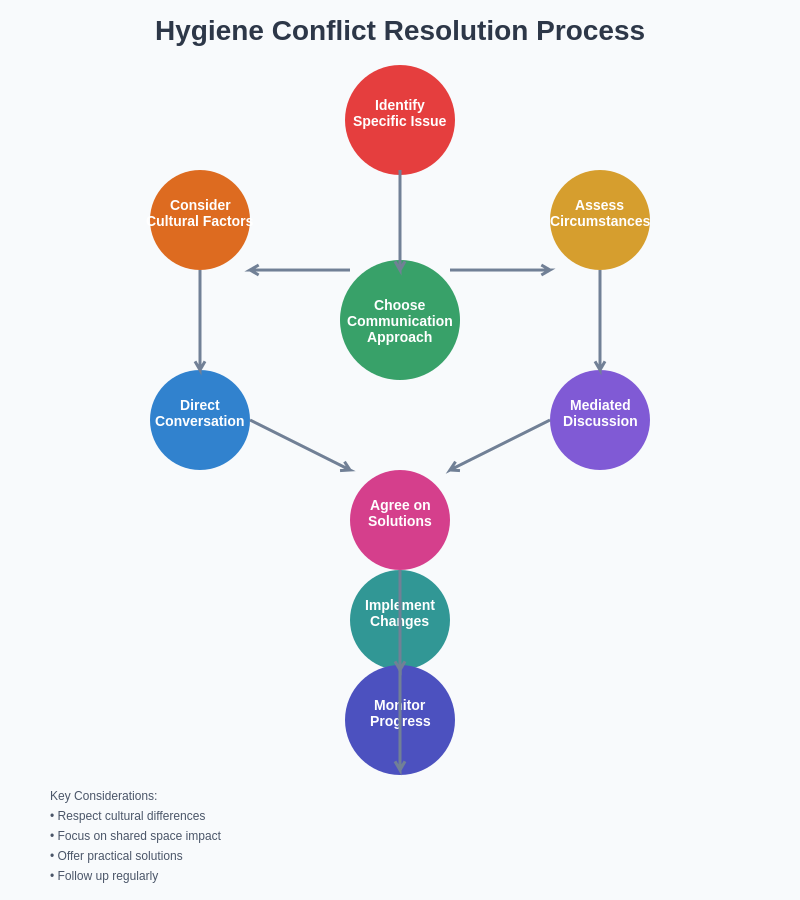
Understanding hygiene standard variations requires developing empathy for the complex factors that influence individual practices while maintaining reasonable community standards that ensure shared spaces remain comfortable and healthy for all residents. Living with Japanese roommates in Tokyo sharehouses offers strategies for navigating cultural differences constructively.
Communication approaches that focus on shared space impact rather than personal judgment help address hygiene concerns without creating defensive responses or cultural conflict. Framing discussions around community comfort and facility maintenance rather than personal criticism encourages cooperative problem-solving.
Practical support systems including shared cleaning schedules, product recommendations, and facility usage coordination can help residents with different standards and capabilities maintain community cleanliness expectations while respecting individual differences and limitations.
Educational opportunities about local hygiene expectations, product availability, and cultural norms can help international residents adapt their practices appropriately while understanding the reasoning behind community standards and Japanese cultural expectations.
Long-term Community Building
Successful sharehouse communities develop inclusive approaches to hygiene standards that account for cultural diversity, individual circumstances, and practical limitations while maintaining reasonable cleanliness expectations that ensure everyone’s comfort and health. Real stories from Tokyo sharehouse residents demonstrates how successful communities navigate these challenges.
Flexibility and understanding combined with clear communication about essential standards helps create environments where residents with different hygiene approaches can coexist comfortably while gradually adapting to community norms and expectations.
The recognition that hygiene standards reflect complex personal, cultural, and circumstantial factors rather than simple laziness or inconsideration enables more compassionate and effective community management that supports all residents’ success and satisfaction in shared living environments.
Building sustainable hygiene practices requires balancing individual accommodation with community needs, creating systems that support residents in meeting reasonable standards while providing flexibility for legitimate differences and temporary challenges that may affect personal care capabilities.
Disclaimer
This article is for informational purposes only and does not constitute medical or professional advice. Personal hygiene practices can be influenced by various factors including health conditions, cultural backgrounds, and individual circumstances. Readers should approach hygiene-related discussions with sensitivity and understanding while maintaining reasonable standards for shared living spaces. Any concerns about health-related hygiene issues should be addressed with appropriate medical professionals.