Living in a Tokyo sharehouse presents a fascinating paradox where the fundamental human need for personal space collides with the practical realities of shared living arrangements, creating an environment where boundaries become fluid, negotiable, and constantly redefined through daily interactions. The concept of personal space, deeply rooted in cultural upbringing and individual psychology, transforms dramatically when multiple strangers from diverse backgrounds attempt to coexist within the confined quarters of urban Japanese housing.
The challenge of maintaining personal boundaries in sharehouses extends beyond simple physical proximity to encompass emotional, cultural, and psychological dimensions that influence every aspect of daily life. Understanding why these boundaries face constant pressure helps residents develop realistic expectations and effective coping strategies for navigating the complex social dynamics inherent in shared living environments.
The Physical Reality of Limited Space
Tokyo’s notorious space constraints create the fundamental backdrop against which personal space battles are fought daily in sharehouses across the metropolitan area. The average sharehouse room measures between six to twelve square meters, forcing residents to compress their entire personal lives into spaces smaller than many people’s closets back home. How limited storage forces you to live minimally demonstrates how physical constraints reshape personal habits and possessions.
Common areas designed for multiple residents often accommodate twice their intended capacity during peak usage times, creating inevitable overlap in personal bubbles and forcing intimate proximity between individuals who may barely know each other. Kitchen spaces become particularly contentious battlegrounds where personal cooking territories blur and merge, leading to unintentional invasions of space as residents navigate around each other while preparing meals simultaneously.
Bathroom queues during morning rush hours eliminate any pretense of personal space as residents wait in hallways wearing minimal clothing, creating awkward intimacy levels that would be unthinkable in most other social contexts. The shared nature of these essential facilities means that even the most private personal activities become semi-public experiences that test comfort levels and force rapid adaptation to reduced privacy expectations.
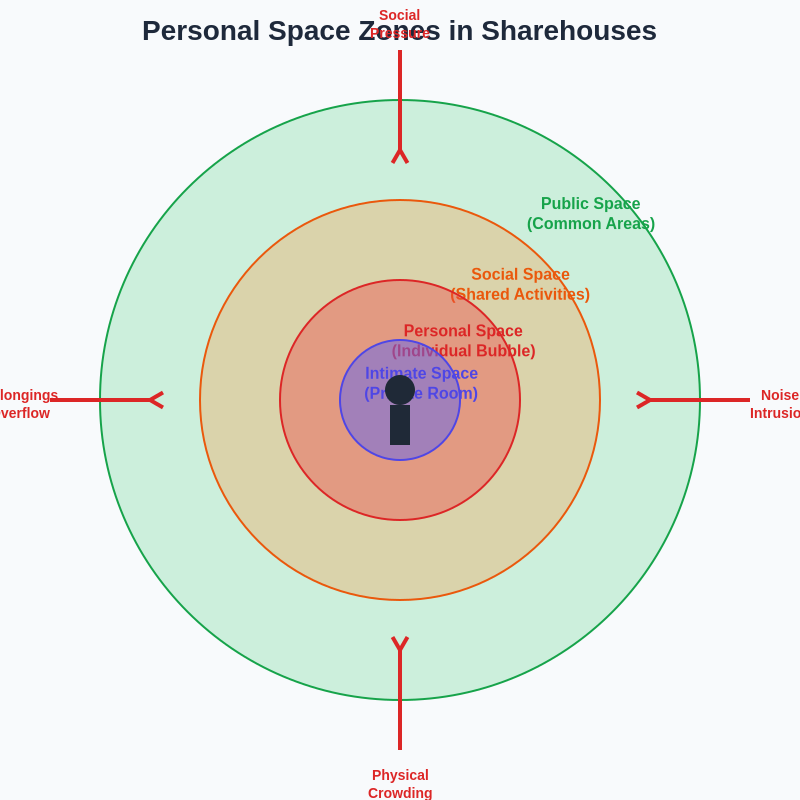
Noise transmission through thin walls and shared ventilation systems means that personal conversations, phone calls, and even intimate moments become inadvertently public experiences that blur the lines between private and shared spaces. Why noise control becomes critical for career success explores how sound pollution affects professional activities and personal boundaries.
Cultural Collision Points in Space Perception
Different cultural backgrounds bring dramatically varying expectations about appropriate personal space, creating continuous friction points as residents navigate between their ingrained comfort zones and the reality of multicultural shared living. Japanese concepts of personal space often emphasize emotional distance despite physical proximity, while Western residents may expect larger physical buffers but feel comfortable with more casual social interactions.
The Japanese practice of reading social cues and maintaining harmony through indirect communication often conflicts with more direct cultural approaches to boundary setting, leading to misunderstandings where some residents feel their space is being invaded while others remain completely unaware of the transgression. How cultural differences affect friendship building examines how varying social norms complicate relationship development in shared spaces.
Religious and dietary practices add additional layers of complexity to space sharing, as residents may require specific areas for prayer, meditation, or food preparation that conflict with others’ usage patterns and space expectations. The accommodation of these needs within limited shared spaces often requires creative solutions that may infringe on established personal territories and routines.
Gender-specific space needs and comfort levels create ongoing negotiations about usage patterns for common areas, particularly during evening hours when residents seek relaxation and personal time but must navigate mixed-gender social dynamics that may not align with their cultural backgrounds or personal preferences.
The Invasion of Belongings and Territory
Personal possessions inevitably expand beyond designated private spaces as residents attempt to accommodate their belongings within inadequate storage solutions, leading to territorial disputes over shelf space, refrigerator sections, and common area surfaces. Why some residents hoard bargain purchases reveals how accumulation behaviors exacerbate space conflicts in shared environments.
Kitchen territory becomes particularly contested as residents establish informal claims to specific shelves, cookware, and preparation areas that may not align with official house rules or other residents’ expectations. The boundary between personal cooking ingredients and shared household supplies often blurs, creating ongoing tension about what constitutes personal property versus communal resources.
Laundry areas transform into battlegrounds where personal clothing items occupy shared machines and drying spaces for extended periods, forcing other residents to interact with intimate personal belongings or wait indefinitely for access to essential facilities. The scheduling and territorial aspects of laundry create micro-conflicts that test patience and boundary respect on a weekly basis.
Personal items left in common areas become focal points for boundary testing as residents navigate between convenience and respect for shared spaces. Books, electronics, exercise equipment, and other personal belongings gradually migrate into common areas, creating implied territorial claims that may conflict with others’ usage needs and space expectations.
Emotional and Psychological Boundary Challenges
The constant proximity to strangers creates emotional intimacy levels that many residents find overwhelming, as personal struggles, relationship issues, and daily frustrations become impossible to hide from housemates who share walls, meals, and common spaces. Why mental health support varies in sharehouses addresses how emotional exposure affects resident wellbeing.
Sleep schedules and personal routines face constant disruption as residents attempt to maintain their preferred lifestyles while accommodating the varying needs and habits of multiple housemates whose schedules may directly conflict with their own comfort and personal space requirements. The psychological stress of never being truly alone or having guaranteed quiet time accumulates over months of shared living.
Personal conversations and phone calls become public entertainment as thin walls and shared spaces make private communication nearly impossible, forcing residents to either censor their personal discussions or accept that their intimate details become common knowledge among housemates they may barely trust.
The pressure to appear sociable and friendly while desperately craving solitude creates internal conflicts that manifest as boundary testing, as residents struggle to balance their need for personal space with social expectations and house harmony requirements.
Financial Pressures That Compromise Boundaries
Economic necessity often forces residents to accept space compromises they would never tolerate under normal circumstances, as living costs in Tokyo sharehouses explained demonstrates how financial constraints override personal comfort preferences. The inability to afford alternative housing options traps residents in situations where their personal space needs cannot be adequately met.
Shared expenses for utilities, internet, and household supplies create financial interdependencies that complicate boundary enforcement, as residents may feel obligated to tolerate space invasions from housemates who contribute significantly to shared costs or whose departure might increase individual financial burdens.
The economic pressure to maintain occupancy rates in sharehouses often leads to overcrowding situations where management prioritizes revenue over resident comfort, resulting in space allocations that systematically violate reasonable personal space expectations while residents have limited recourse due to housing market constraints.
The Technology Factor in Boundary Erosion
Shared internet connections and limited bandwidth create situations where personal digital activities become subject to group negotiation and potential monitoring, eroding the privacy boundaries that technology normally provides in individual living situations. How video calling affects shared bandwidth explores how digital needs conflict in shared environments.
Smart home features and shared electronic devices create new categories of personal space invasion as residents’ usage patterns, preferences, and even personal data become visible to housemates through connected systems and shared accounts that compromise individual privacy expectations.
The ubiquity of smartphones and social media means that personal space violations can be documented and shared beyond the sharehouse environment, creating additional pressure to tolerate boundary crossing or risk public embarrassment through social media exposure that extends conflicts beyond the immediate living situation.
Gender Dynamics and Space Negotiation
Mixed-gender sharehouses present unique challenges where cultural expectations about appropriate interaction between men and women create ongoing negotiations about space usage, particularly in common areas during evening hours and early mornings when residents may be in various states of dress and relaxation. How gender policies are legally enforced examines regulatory frameworks that attempt to address these issues.
The presence of romantic relationships within sharehouses dramatically alters space dynamics as couples claim implicit territorial rights that may infringe on single residents’ access to common areas and create uncomfortable situations where intimate behavior occurs in shared spaces.
Safety concerns and comfort levels vary significantly between male and female residents, leading to unspoken territory divisions and usage pattern negotiations that may not be explicitly discussed but significantly impact how space is actually utilized versus how it was originally intended to be shared.
Age and Lifestyle Boundary Conflicts
Generational differences in space usage expectations create ongoing friction as younger residents may be comfortable with more casual boundary crossing while older residents expect greater respect for personal territories and quieter common area usage patterns. How age differences impact sharehouse compatibility analyzes how demographic diversity affects living dynamics.
Professional schedules that require early morning or late evening quiet time conflict with social residents who view common areas as entertainment spaces, creating ongoing negotiations about appropriate usage patterns that respect different lifestyle needs while maintaining community atmosphere.
Students with irregular schedules and varying academic pressure levels may claim extended access to study spaces that conflicts with working residents’ need for relaxation areas after long work days, creating competition for limited common area functions.
The Invisible Rules That Govern Space
Unwritten social contracts develop organically within sharehouses regarding space usage, but these implicit agreements often favor assertive personalities while more reserved residents find their boundaries consistently violated without clear recourse mechanisms for addressing ongoing space conflicts.
The absence of formal boundary enforcement mechanisms means that personal space protection often depends on individual assertiveness and conflict resolution skills that many residents lack, particularly those from cultures that emphasize harmony and indirect communication over direct confrontation.
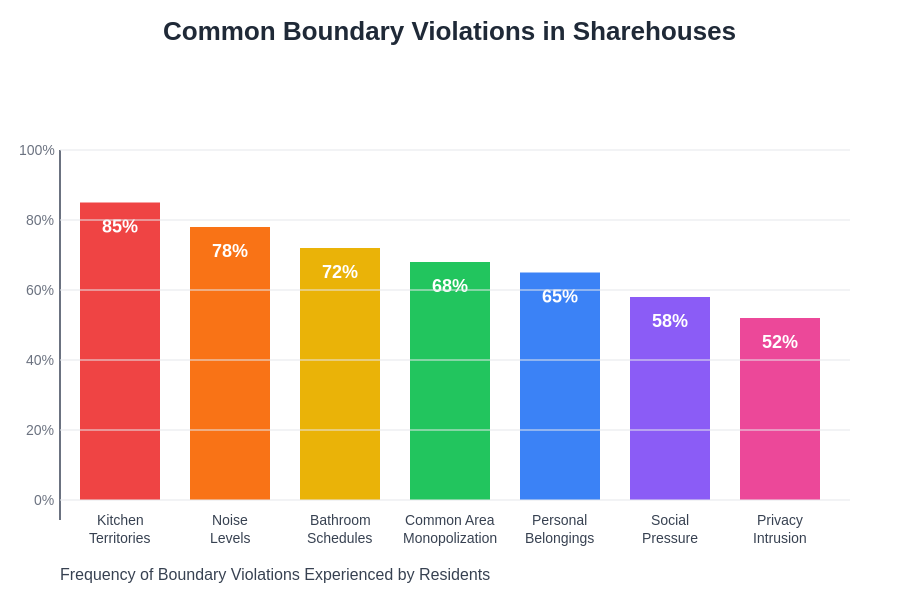
House rules that exist on paper often prove inadequate for addressing the complex reality of space sharing, leaving residents to navigate boundary violations through informal negotiation processes that may not protect the interests of less assertive or culturally different residents.
Coping Mechanisms and Adaptation Strategies
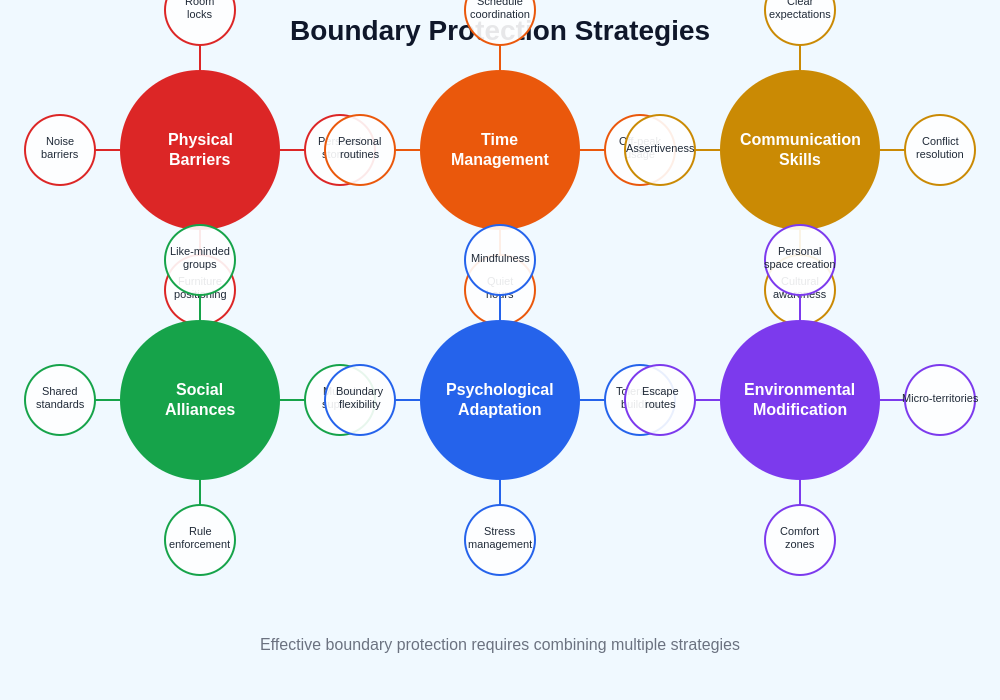
Successful sharehouse residents develop sophisticated boundary management strategies that balance their personal space needs with the practical requirements of community living, often involving creative scheduling, communication techniques, and psychological adaptation that allows them to maintain sanity while accommodating ongoing space pressures.
The development of micro-spaces within shared environments allows residents to create psychological boundaries even when physical separation is impossible, using furniture arrangement, personal belongings placement, and routine establishment to carve out territory within shared areas.
Building alliances and communication networks with like-minded housemates provides support systems for addressing boundary violations while maintaining house harmony, creating informal advocacy groups that can address space issues more effectively than individual complaints.
Long-term Impacts on Personal Development
Extended exposure to constant boundary testing often fundamentally changes residents’ personal space expectations and social interaction patterns, with some individuals becoming more adaptable and socially skilled while others develop increased anxiety and boundary rigidity that affects their future living and relationship choices.
The skills developed through navigating sharehouse boundary challenges often prove valuable in other high-density living situations and workplace environments where space sharing and social navigation abilities become professional assets that enhance career prospects and social adaptability.
Living in an environment where personal space boundaries are constantly challenged forces rapid personal growth in communication, conflict resolution, and cultural adaptation that can be transformative for residents who successfully navigate these complex social dynamics while maintaining their psychological wellbeing and personal identity.
The experience of having personal space boundaries constantly tested in Tokyo sharehouses ultimately reflects the broader urban reality of living in one of the world’s most densely populated cities, where individual space expectations must adapt to collective living necessities while residents develop the resilience and social skills necessary for thriving in complex multicultural environments that define modern metropolitan life.
Disclaimer
This article is for informational purposes only and does not constitute professional advice regarding housing decisions or interpersonal relationships. Personal space needs and boundary comfort levels vary significantly between individuals and cultures. Readers should consider their own requirements and limitations when choosing shared living arrangements. The experiences described may not reflect all sharehouse situations, and individual results may vary based on specific circumstances, house management, and resident demographics.