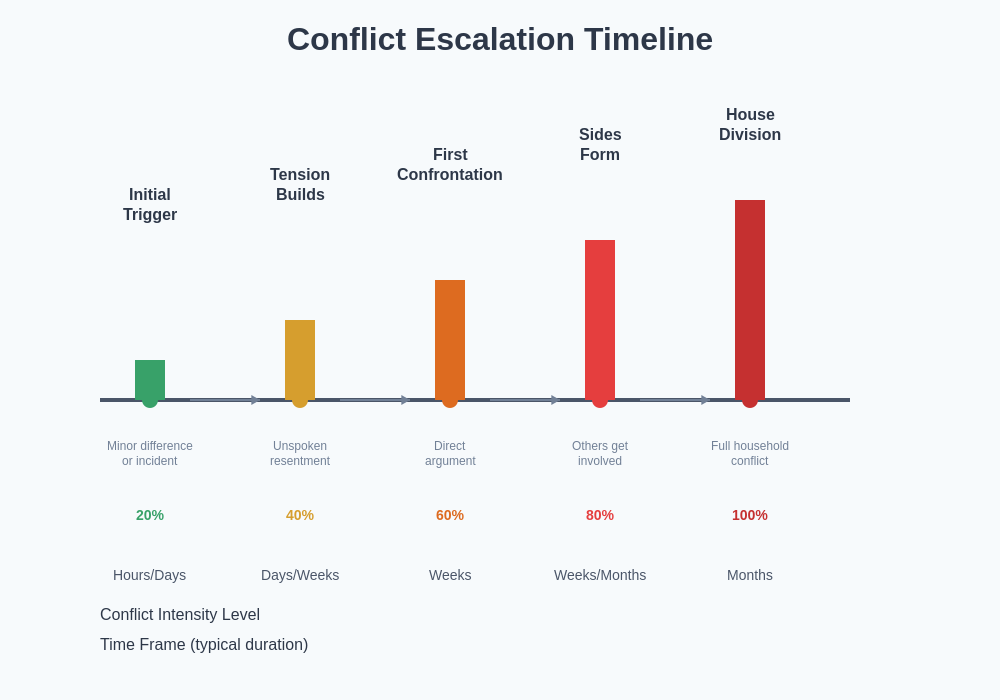
Personality conflicts in shared living environments possess a unique ability to transform minor disagreements into major disruptions with alarming speed and intensity. The confined nature of sharehouse living, combined with cultural differences, communication barriers, and the stress of daily coexistence, creates a perfect storm for rapid conflict escalation that can destroy relationships and living harmony within days or even hours of the initial trigger event.
The psychological mechanisms underlying rapid conflict escalation in sharehouses operate differently from conflicts in other social contexts, primarily due to the inescapable nature of the living arrangement and the intimate daily interactions required for successful cohabitation. Understanding these dynamics becomes essential for anyone seeking to maintain peaceful relationships in shared living spaces, particularly in culturally diverse environments like Tokyo sharehouses where additional layers of cross-cultural misunderstanding compound the natural challenges of personality differences.
The Psychology of Confined Space Conflicts
Living in close quarters fundamentally alters how personality differences manifest and intensify between individuals who might otherwise coexist peacefully in less intimate social settings. The constant proximity removes natural cooling-off periods that typically allow tensions to dissipate in normal social relationships, creating an environment where minor irritations compound into major grievances through repeated exposure and amplification.
How to handle roommate conflicts without moving out becomes crucial knowledge when understanding that the psychological pressure of shared living spaces creates heightened sensitivity to behavioral differences that might seem trivial in other contexts. The inability to simply avoid problematic individuals, as one might in workplace or social settings, forces continuous interaction that can transform personality quirks into sources of persistent stress and resentment.
The territorial nature of human psychology becomes particularly pronounced in shared living environments where personal space boundaries remain unclear and constantly negotiated through daily interactions. When individuals feel their personal territory threatened or invaded, even unconsciously, the resulting stress response can trigger defensive behaviors that escalate conflicts far beyond their original scope or importance.
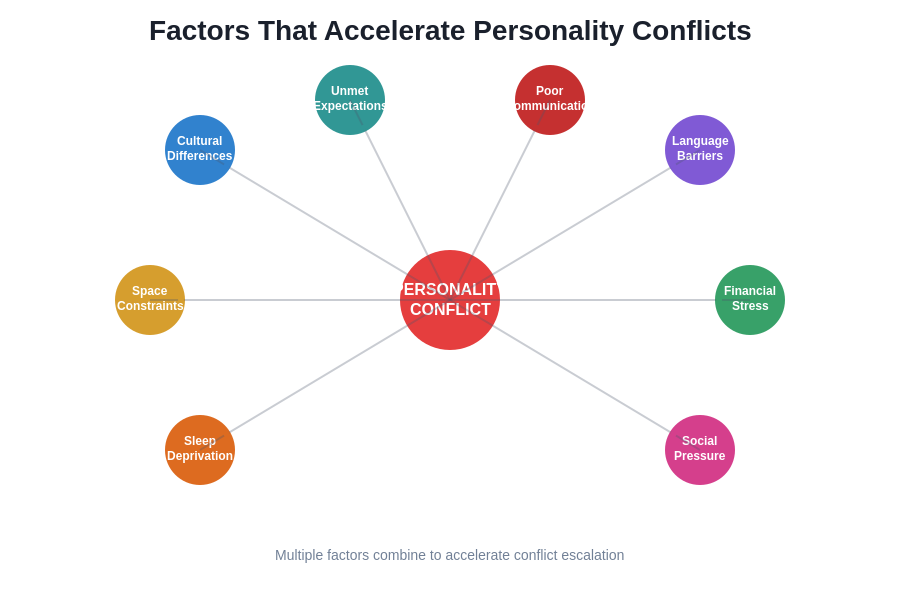
Sleep deprivation, which commonly occurs in sharehouses due to different schedules and noise considerations, significantly impairs emotional regulation and conflict resolution abilities. Residents operating under chronic sleep stress display reduced patience, increased irritability, and diminished capacity for empathetic understanding of others’ perspectives, creating conditions where personality differences become magnified and conflicts escalate more rapidly than they would under normal circumstances.
Cultural and Communication Amplifiers
Cross-cultural living arrangements introduce additional complexity layers that can transform simple personality differences into profound misunderstandings with serious emotional and social consequences. Living with Japanese roommates in Tokyo sharehouses highlights how cultural communication styles, expectations, and social norms create fertile ground for misinterpretation and escalation of conflicts that might never occur between individuals from similar cultural backgrounds.
High-context versus low-context communication styles create particularly volatile conditions for conflict escalation when individuals misread social cues, interpret directness as rudeness, or mistake politeness for agreement. These fundamental communication differences mean that attempts to address conflicts often inadvertently worsen them by violating cultural expectations and creating deeper layers of misunderstanding and resentment between residents.
Language barriers compound personality conflicts by preventing clear expression of concerns, needs, and boundaries, forcing individuals to communicate through behavior rather than direct discussion. This behavioral communication often gets misinterpreted, leading to assumptions about intentions and character that fuel escalating cycles of negative interaction and mutual resentment between housemates who might otherwise find common ground through clear communication.
The stress of constant cross-cultural adaptation exhausts emotional resources that individuals would normally use for patience, understanding, and conflict resolution. Cultural differences affect friendship building in ways that create additional pressure on relationships, making personality conflicts more likely to escalate rather than resolve naturally through mutual adaptation and understanding.
Social Dynamics and Group Psychology
Group dynamics within sharehouses create social pressures that can rapidly transform individual personality conflicts into house-wide divisions and alliance formations. When conflicts arise between two residents, other housemates inevitably become involved either as mediators, supporters, or unwilling participants, creating complex social situations where original personality differences become magnified through group psychology and peer pressure effects.
Why social hierarchies develop naturally explains how informal power structures emerge within shared living environments, often exacerbating personality conflicts by introducing status competition and leadership struggles that extend far beyond the original sources of disagreement. These hierarchical tensions can transform simple compatibility issues into complex social power struggles with lasting consequences for house harmony.
The phenomenon of emotional contagion spreads negative emotions and conflict energy throughout shared living spaces, causing personality conflicts between specific individuals to affect the entire household atmosphere. Residents who were not originally involved in conflicts often find themselves choosing sides or experiencing stress and discomfort that affects their own relationships and living satisfaction.
Gossip and information sharing patterns within sharehouses can rapidly escalate conflicts by creating narratives about individuals’ character and behavior that may not accurately reflect reality. Why gossip spreads faster in close quarters demonstrates how residential proximity accelerates the spread of negative information and assumptions, often transforming minor personality differences into major character judgments that poison relationships and create lasting animosity.
The Role of Stress and Environmental Factors
Daily stressors common to sharehouse living create psychological conditions that make personality conflicts more likely to escalate quickly and severely. Financial pressures, work stress, academic demands, and the general challenges of living independently in a foreign country reduce individuals’ emotional reserves and increase their sensitivity to interpersonal friction and personality differences.
Seasonal factors such as weather changes, holiday seasons, and academic or work cycles can create additional stress that affects how residents interact and respond to personality differences. Why seasonal depression affects house dynamics illustrates how environmental and temporal factors can transform normally manageable personality differences into sources of serious conflict during vulnerable periods.
Sleep disruption, dietary changes, and health issues common to international residents create physical conditions that impair emotional regulation and conflict resolution abilities. When individuals are not operating at their physical or emotional best, personality differences that might normally be overlooked or managed become sources of significant stress and potential conflict escalation.
The accumulation of minor irritations over time creates psychological conditions where seemingly trivial incidents can trigger disproportionate emotional responses and conflict escalation. This phenomenon, known as stress accumulation, means that the final trigger for major conflicts often appears insignificant compared to the explosive response it generates, making conflict escalation seem sudden and inexplicable to outside observers.
Unmet Expectations and Boundary Violations
Implicit expectations about shared living arrangements often remain unspoken until they are violated, creating conditions where personality differences suddenly become sources of major conflict. Understanding written house rules get misinterpreted shows how even explicit agreements can be understood differently by individuals with different personalities and cultural backgrounds.
Personal boundary differences between residents create ongoing tension that can suddenly escalate when accumulated violations reach individual tolerance limits. What one person considers normal social interaction, another may experience as invasive or disrespectful, creating conditions where personality conflicts can explode seemingly without warning when boundaries are crossed once too often.
The mismatch between residents’ social needs and privacy preferences creates chronic low-level tension that makes personality conflicts more likely to escalate rapidly when triggered by specific incidents. Individuals with different comfort levels regarding social interaction, sharing, and personal space often find their fundamental needs incompatible in ways that create persistent stress and conflict potential.
Financial boundary violations, such as disagreements over shared expenses, utility usage, or resource consumption, often serve as catalysts that transform personality differences into serious conflicts involving money, fairness, and respect. How bill splitting can become complicated in sharehouses demonstrates how financial disputes can rapidly escalate personality conflicts by introducing elements of perceived unfairness and exploitation.
Communication Breakdown Patterns
Failed communication attempts often worsen personality conflicts rather than resolving them, particularly when individuals have different communication styles, cultural backgrounds, or conflict resolution approaches. Why some conversations always stay surface level explains how communication barriers prevent the deep understanding necessary for resolving personality-based conflicts.
Passive-aggressive communication patterns common in conflict situations create cycles of escalation where underlying issues never get addressed directly, allowing resentment to build until relatively minor incidents trigger explosive confrontations. These indirect communication styles often make conflicts worse by creating confusion about actual issues and preventing effective resolution strategies.
The timing of communication attempts significantly affects whether personality conflicts escalate or resolve, with poorly timed discussions often making situations worse rather than better. Attempts to address conflicts when individuals are stressed, tired, or emotionally charged typically result in escalation rather than resolution, creating patterns where communication efforts actually worsen relationships.
Mismatched conflict resolution styles between individuals can transform attempts at problem-solving into additional sources of conflict and frustration. When one person prefers direct confrontation while another avoids conflict, or when cultural differences affect how disputes should be handled, attempts to resolve personality conflicts often create new layers of misunderstanding and resentment.
The Amplifying Effect of Social Media and Technology
Digital communication platforms can rapidly escalate personality conflicts by providing forums for venting frustrations, seeking support, and building narratives about conflicts that may not reflect complete or accurate information. Social media discussions about sharehouse conflicts often solidify negative opinions and create additional social pressure that makes resolution more difficult.
Group messaging platforms used for house communication can inadvertently escalate conflicts by creating permanent records of disagreements, allowing conflicts to be revisited and re-argued repeatedly, and providing platforms for indirect confrontation that avoids face-to-face resolution. How social media impacts real-life relationships demonstrates how digital interactions can worsen rather than improve conflict situations.
The tendency to seek validation and support online for conflict situations often results in oversimplified narratives that portray personality conflicts in black-and-white terms, making nuanced resolution more difficult and encouraging adversarial rather than collaborative approaches to problem-solving. External validation for one’s perspective can reinforce positions and make compromise more psychologically difficult.
Technology-mediated communication often lacks the emotional cues and context necessary for effective conflict resolution, leading to misinterpretation of messages and escalation of misunderstandings. Text-based communication about personality conflicts frequently makes situations worse by removing tone, body language, and immediate feedback that facilitate understanding and empathy.
Economic and Practical Pressure Points
Financial constraints that prevent residents from easily moving out of problematic living situations create pressure that can rapidly escalate personality conflicts by removing the natural conflict resolution option of separation. What moving out really costs in Tokyo sharehouses shows how economic barriers can trap individuals in deteriorating relationships with no easy escape route.
Practical dependencies between residents, such as shared transportation, meal preparation, or household management responsibilities, create situations where personality conflicts cannot be resolved through simple avoidance, forcing continued interaction that can worsen rather than improve relationships over time. These practical entanglements mean that personality differences affect daily functioning in ways that create persistent stress and conflict opportunities.
Competition for limited resources within sharehouses, including space, time, amenities, and social attention, can transform personality differences into resource conflicts that escalate quickly when individuals feel their needs are not being met fairly. The scarcity mindset that can develop in shared living situations often makes personality conflicts more intense and more difficult to resolve through compromise.
Lease obligations and housing market realities can create situations where individuals feel trapped in deteriorating relationships, leading to increased stress and resentment that makes personality conflicts more likely to escalate rather than resolve naturally. The inability to easily change living situations means that small personality differences can develop into major life stressors with significant impacts on mental health and well-being.
Prevention and Early Intervention Strategies
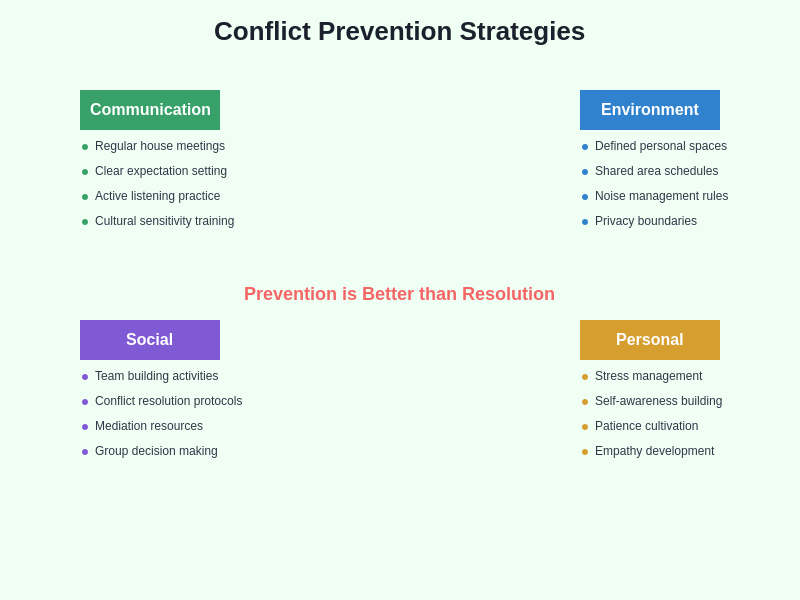
Understanding the factors that contribute to rapid conflict escalation enables the development of proactive strategies for preventing personality differences from developing into serious conflicts. Early recognition of escalation patterns allows for intervention before conflicts reach points where resolution becomes difficult or impossible.
Establishing clear communication protocols and conflict resolution procedures before conflicts arise creates frameworks for addressing personality differences constructively rather than allowing them to escalate through miscommunication or avoidance. Making friends through Tokyo sharehouse communities provides insights into building positive relationships that can prevent conflicts from developing.
Regular house meetings and check-ins provide opportunities to address minor personality conflicts before they escalate, creating space for discussion and resolution that prevents accumulation of resentments and misunderstandings. Proactive communication about expectations, boundaries, and concerns can prevent many conflicts from ever reaching escalation points.
Building cultural competency and cross-cultural communication skills helps residents navigate personality differences in ways that prevent escalation and promote understanding. Investment in learning about different communication styles, cultural norms, and conflict resolution approaches can significantly reduce the likelihood of personality conflicts escalating beyond manageable levels.
The phenomenon of rapid personality conflict escalation in shared living environments results from a complex interaction of psychological, social, cultural, and practical factors that create conditions where minor differences can quickly develop into major disruptions. Recognition of these dynamics, combined with proactive prevention strategies and early intervention approaches, can help residents maintain harmonious relationships even when personality differences exist. Success in shared living requires not the absence of personality differences, but rather the skills and systems necessary to manage these differences before they escalate into destructive conflicts that damage relationships and living environments.
Disclaimer
This article is for informational purposes only and does not constitute professional psychological or counseling advice. Personality conflicts can involve complex emotional and social dynamics that may require professional intervention. Readers experiencing serious conflicts should consider seeking help from qualified counselors or mediators. Individual experiences with conflict escalation may vary significantly based on personal, cultural, and situational factors.