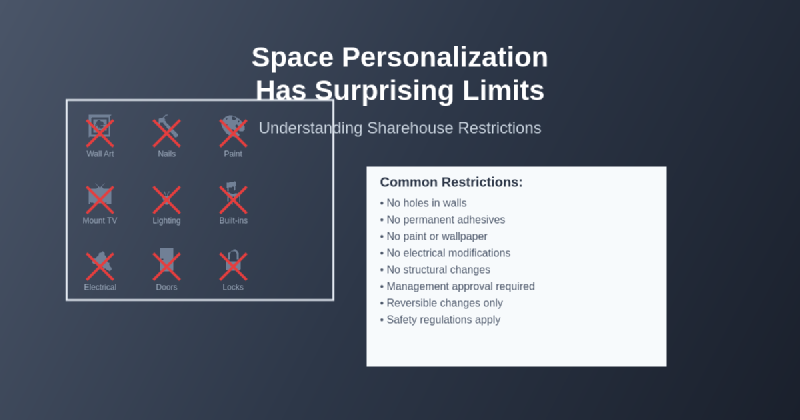
The dream of creating a personalized sanctuary within your Tokyo sharehouse room often collides with a complex web of restrictions, cultural expectations, and practical limitations that many international residents discover only after attempting to transform their living space. What initially appears as a simple matter of hanging pictures or rearranging furniture quickly reveals itself as a nuanced challenge that requires careful navigation of unwritten rules, building policies, and social dynamics that extend far beyond basic lease agreements.
The journey of space personalization in Japanese sharehouses exposes fundamental differences between Western and Japanese approaches to living spaces, property respect, and community harmony. Understanding these limitations before attempting to personalize your room can prevent disappointment, conflicts with housemates, and potential lease violations that could jeopardize your housing stability in an already challenging rental market.
The Reality of Structural Restrictions
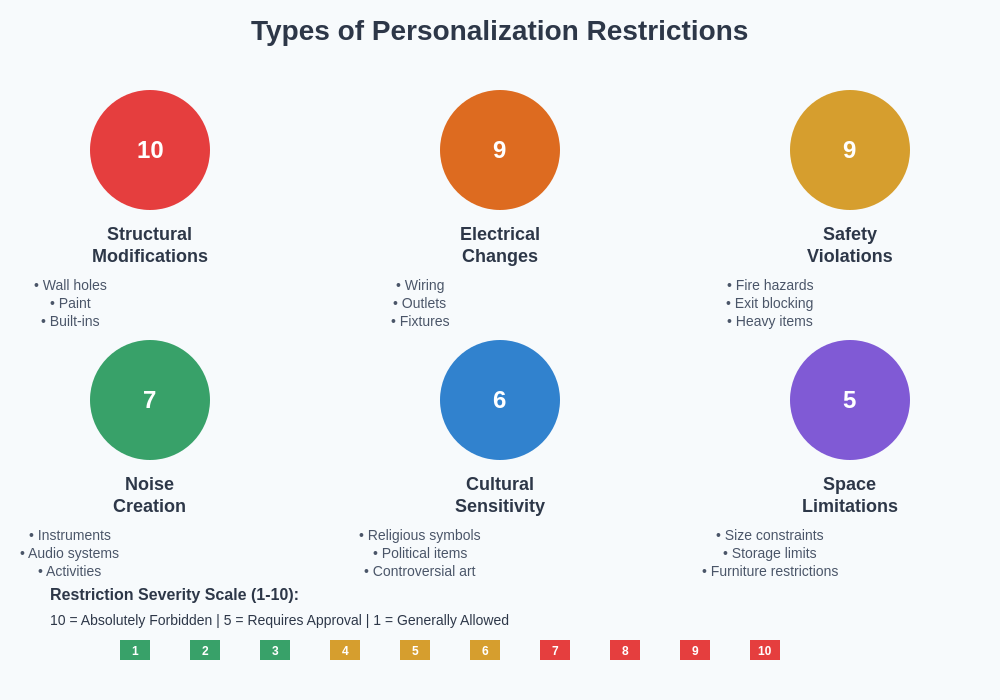
Physical modifications to sharehouse rooms face immediate and often absolute limitations that stem from building codes, fire safety regulations, and property preservation requirements that prioritize long-term building integrity over individual expression. The installation of shelving, picture hanging, wall painting, or any permanent alterations typically requires explicit permission from property management, which is rarely granted due to liability concerns and future rental considerations.
Japanese building standards emphasize reversibility and minimal impact modifications, meaning that any changes to walls, floors, or built-in fixtures must be completely removable without leaving traces of alteration. Understanding utility bills in Japanese sharehouses often includes clauses about property damage fees that can be triggered by seemingly minor modifications such as nail holes or adhesive residue.
The challenge becomes particularly acute when dealing with older buildings that may have historical preservation considerations or structural limitations that prevent even minor alterations. Many sharehouses occupy converted residential buildings where original architectural features must be preserved, creating additional restrictions on personalization options that may not be immediately apparent during initial room viewing.
Safety regulations further complicate personalization efforts, with fire codes restricting the placement of furniture near exits, electrical installations requiring professional certification, and earthquake preparedness standards limiting tall or heavy decorative items that could become hazards during seismic events. These safety considerations often override aesthetic preferences and can require residents to remove personalization elements that management deems potentially dangerous.
Cultural Boundaries and Social Expectations
The concept of space personalization intersects with deeply rooted Japanese cultural values regarding shared living environments, where individual expression must be balanced against community harmony and respect for others’ comfort levels. Living with Japanese roommates in Tokyo sharehouses reveals how personal decorating choices can inadvertently create social friction when they conflict with Japanese aesthetic preferences or cultural sensitivities.
Religious or political imagery, regardless of personal significance, may create discomfort among housemates who prefer neutral living environments that avoid controversial topics or strong personal statements. What might be considered normal self-expression in Western contexts can be perceived as imposing personal beliefs on shared spaces, leading to requests for removal or modification of certain decorative elements.
The Japanese concept of reading the atmosphere extends to room personalization, where excessive or unconventional decorating can be interpreted as disregard for community standards or lack of consideration for others. Japanese sharehouse rules every foreigner should know often include unwritten expectations about maintaining visual harmony that may not be explicitly stated but are nonetheless strongly enforced through social pressure.
Color choices, lighting modifications, and even furniture arrangements can become sources of tension when they significantly alter the building’s internal atmosphere or create visual disruption that affects common areas or neighboring rooms. The preference for subtle, harmonious environments often conflicts with bolder international design sensibilities, requiring compromise and adaptation that may feel restrictive to residents accustomed to unlimited decorating freedom.
Financial Constraints and Hidden Costs
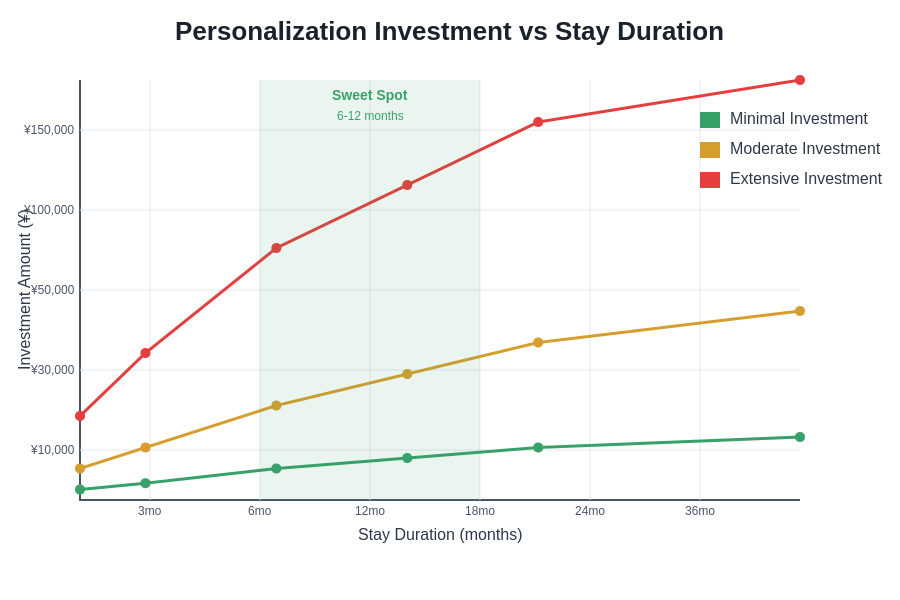
The economics of space personalization in temporary living situations creates a practical barrier that many residents underestimate when calculating their decorating budget and investment return timeline. How much Tokyo sharehouses really cost per month demonstrates how additional expenses for room personalization can significantly impact overall living costs, particularly when factoring in the temporary nature of most sharehouse arrangements.
Purchasing furniture, decorations, and storage solutions for a room you may occupy for only months or a few years creates a challenging cost-benefit analysis that often favors minimal investment over extensive personalization. The high cost of quality furniture in Japan, combined with limited resale markets for used foreign-owned items, means that substantial decorating investments may result in financial loss when moving out.
Storage limitations force residents to choose between bringing personal items from home and purchasing new items locally, with both options presenting financial challenges. Shipping personal decorations internationally involves significant costs and customs complications, while buying locally requires substantial upfront investment in items that may have limited long-term utility.
Security deposit implications add another financial consideration, as any perceived damage or excessive wear from personalization efforts can result in deposit deductions that may exceed the original cost of decorating. How to actually get your deposit back highlights how even minor wall damage or unusual wear patterns can trigger significant financial penalties that make extensive personalization economically unviable.
Space and Storage Limitations
The physical reality of sharehouse room dimensions creates fundamental constraints on personalization possibilities that force residents to prioritize functionality over aesthetic expression. Most Tokyo sharehouse rooms measure between six and twelve tatami mats, leaving minimal floor space for additional furniture or decorative elements once essential items like beds, desks, and storage are accommodated.
Vertical space utilization faces restrictions from ceiling height limitations, structural elements like beams or pipes, and safety requirements that prevent tall furniture arrangements. The challenge of maximizing storage while maintaining personalization opportunities requires creative solutions that often compromise both functional efficiency and aesthetic goals.
Shared storage areas for seasonal items, luggage, or excess belongings typically operate under strict organization systems that limit personal storage expansion and restrict the accumulation of decorative items that cannot fit within individual rooms. Limited storage forces you to live minimally explores how space constraints naturally discourage extensive personalization through material accumulation.
Climate considerations add another dimension to storage and personalization challenges, with humidity levels requiring specific storage solutions for certain materials and seasonal clothing changes demanding flexible storage arrangements that may conflict with permanent decorating schemes. The need to accommodate both winter and summer wardrobes within limited closet space often takes precedence over decorative storage solutions.
Technology and Infrastructure Constraints
Modern personalization increasingly involves technological elements that face significant limitations within sharehouse infrastructure systems designed for basic functionality rather than individual customization. Internet connectivity improvements, smart home device installation, and entertainment system enhancement often require building-wide considerations that individual residents cannot independently implement.
Electrical capacity limitations prevent the addition of high-power devices or multiple electronic systems that might be standard in personal apartments. The shared electrical infrastructure means that individual room modifications could affect building-wide systems, making management approval essential for any electrical modifications or additions.
Wi-Fi network customization, streaming device installation, and personal server systems may conflict with building internet policies or create interference with shared network resources. Understanding utility bills in Japanese sharehouses often includes internet usage policies that restrict certain types of personal technology use that could impact community resources.
Smart lighting systems, automated climate control, and personal security devices may be incompatible with building management systems or create conflicts with neighboring rooms that share utilities or infrastructure elements. The integration of personal technology with building systems often requires professional installation and management approval that may be cost-prohibitive or simply unavailable.
Noise and Privacy Considerations
Sound transmission between rooms creates personalization limitations that extend beyond visual elements to include restrictions on audio equipment, musical instruments, and activities that could affect neighboring residents. Noise complaints happen even in quiet sharehouses demonstrates how room modifications designed to enhance personal enjoyment can inadvertently create conflicts with community noise standards.
Flooring modifications, wall treatments, and furniture arrangements that improve room acoustics for personal use may negatively impact sound isolation between rooms, leading to complaints and requests for modification removal. The balance between personal comfort and community consideration often requires compromises that limit personalization options in favor of maintaining peaceful coexistence.
Privacy enhancement efforts through room modifications may conflict with building ventilation systems, emergency access requirements, or fire safety protocols that mandate certain door and window accessibility standards. The installation of additional locks, room dividers, or privacy screens often requires management approval and may be restricted by safety considerations.
Lighting modifications designed to create ambiance or improve personal comfort can create light pollution issues that affect neighboring rooms through window placement or shared corridor illumination. The consideration of how personal lighting choices impact others often restricts the extent of possible illumination personalization.
Temporary Living Reality and Investment Psychology
The psychology of temporary residence fundamentally changes the personalization equation, as the knowledge that the living situation is temporary naturally reduces motivation for extensive room customization and long-term investment in space improvement. Short-term sharehouse options in Japan explores how rental duration uncertainty affects residents’ willingness to invest time and money in space personalization.
The emotional attachment to temporary spaces develops differently than permanent residence attachment, with many residents adopting a minimalist approach that prioritizes mobility and flexibility over deep personalization. This psychological adaptation can initially feel limiting but often leads to appreciation for simplified living that focuses on experiences rather than material accumulation.
Frequent room changes within sharehouses or movement between different properties creates additional disincentive for extensive personalization, as the effort required to repeatedly customize and de-customize spaces may exceed the satisfaction gained from temporary improvements. How to find perfect sharehouse Tokyo often involves accepting that multiple moves may be necessary, making minimal personalization a practical strategy.
The development of attachment to spaces that cannot be permanently modified requires a shift in perspective that emphasizes personal growth and relationships over environmental control. Many residents discover that the limitations of space personalization encourage greater investment in community relationships and external activities that provide fulfillment beyond room aesthetics.
Management Policies and Enforcement Variability
Property management approaches to personalization vary dramatically between different sharehouse operators, creating confusion for residents who may receive conflicting information about what modifications are permitted. Contract terms are more important than advertised prices often include personalization clauses that may be interpreted differently by different management staff or enforced inconsistently across properties.
Written policies frequently fail to address specific personalization scenarios, leaving residents to navigate gray areas where management discretion determines what is acceptable. The lack of clear guidelines can lead to situations where residents invest in modifications only to be asked to remove them when policies are clarified or management perspectives change.
Enforcement consistency varies not only between properties but also within the same building over time, as management staff changes or policy interpretations evolve. Residents may find that personalization elements that were previously acceptable become problematic under new management or revised policy interpretations.
The appeal process for personalization disputes often lacks formal structure, leaving residents with limited recourse when they disagree with management decisions about room modifications. Understanding the informal negotiation process and building positive relationships with management staff becomes crucial for residents who wish to push the boundaries of standard personalization policies.
Creative Solutions Within Constraints
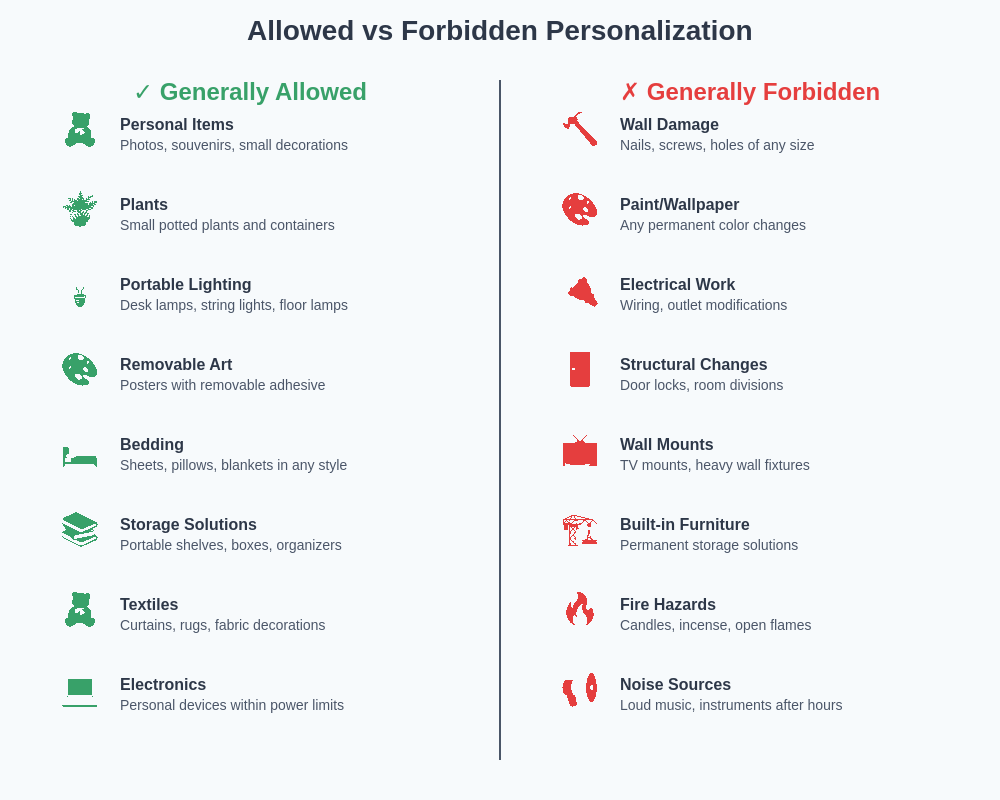
Despite significant limitations, creative residents develop innovative approaches to personalizing their spaces that work within established constraints while still achieving meaningful individual expression. Removable wall decals, temporary lighting solutions, and portable furniture arrangements can create substantial atmosphere changes without permanent modifications that violate lease terms.
Fabric-based decorating through curtains, wall hangings, and bedding creates opportunities for color and pattern introduction that can dramatically alter room ambiance while remaining completely reversible. The strategic use of textiles allows for seasonal changes and personal expression that can be easily modified or removed when necessary.
Lighting creativity through portable lamps, string lights, and color-changing bulbs can transform room atmosphere without electrical modifications or permanent installations. Making friends through Tokyo sharehouse communities often involves sharing creative lighting solutions and decorating tips that work within building restrictions.
Plant decoration offers natural personalization opportunities that generally receive management approval while providing air quality benefits and visual interest that can significantly improve room ambiance. Container gardening and small plant arrangements create living decoration that can be easily relocated and often enhance rather than detract from building aesthetics.
The Psychology of Acceptance and Adaptation
Learning to embrace limitations rather than fighting against them often leads to unexpected appreciation for minimalist living and focus on non-material sources of satisfaction and personal expression. The constraint of limited personalization can redirect attention toward experiences, relationships, and personal development that provide deeper fulfillment than environmental control.
Cultural adaptation through acceptance of Japanese aesthetic preferences and living philosophies can transform initial frustration with limitations into appreciation for different approaches to space and beauty. Many international residents discover that reduced focus on material personalization leads to greater appreciation for simplicity and function.
The development of detachment from material personalization often correlates with increased mobility, flexibility, and openness to new experiences that characterize successful international living. Real stories from Tokyo sharehouse residents frequently include accounts of personal growth through learning to find satisfaction beyond material control.
Perspective shifts from controlling environment to adapting to environment can lead to increased resilience, creativity, and appreciation for temporary beauty that doesn’t require permanent ownership or control. The limitation of space personalization often becomes a gateway to exploring other forms of self-expression and fulfillment.
Long-term Impact on Living Preferences
Extended experience with personalization limitations in sharehouses often permanently changes residents’ approaches to living spaces and material accumulation, with many developing lasting preferences for simplified, minimal living arrangements. The forced adaptation to limited personalization frequently reveals how little material decoration actually contributes to personal satisfaction and daily happiness.
Career implications emerge as residents discover that reduced attachment to material possessions and living space personalization increases professional mobility and openness to location-independent opportunities. The skills developed in adapting to space limitations often translate into valuable professional flexibility and cultural adaptability.
Future housing decisions frequently reflect changed priorities that emphasize functionality, location, and community over personalization potential and aesthetic control. Many former sharehouse residents maintain minimalist approaches to decoration even when they gain access to unlimited personalization opportunities in subsequent housing arrangements.
The appreciation for temporary beauty and shared spaces often leads to continued preference for community-oriented living arrangements that prioritize social connections over individual space control. The experience of finding satisfaction within limitations becomes a valuable life skill that extends far beyond housing considerations.
Understanding the surprising limits of space personalization in Tokyo sharehouses transforms initial frustration into valuable personal growth opportunities that extend far beyond temporary living arrangements. The constraints that initially seem restrictive often become catalysts for developing flexibility, creativity, and appreciation for non-material sources of satisfaction that enhance both international living experiences and long-term personal development.
Disclaimer
This article is for informational purposes only and does not constitute professional advice. Personalization policies and restrictions vary significantly between different sharehouse operators and properties. Readers should carefully review their specific lease agreements and consult with property management before making any room modifications. The cultural observations and experiences described may not apply to all sharehouses or individual situations.