Living in a Tokyo sharehouse introduces unique challenges that individual apartment dwellers rarely encounter, and pest control represents one of the most critical aspects requiring coordinated effort from every resident. The interconnected nature of shared living spaces means that individual negligence can quickly become everyone’s problem, transforming minor maintenance issues into significant health hazards and community conflicts that affect the entire household’s quality of life.
The reality of pest management in Japanese sharehouses extends far beyond simple cleaning routines, encompassing complex dynamics of personal responsibility, cultural differences in cleanliness standards, and the practical challenges of coordinating multiple individuals with varying schedules, habits, and awareness levels. Understanding why pest control becomes a collective endeavor rather than an individual concern helps residents approach this challenge with the cooperation and commitment necessary for successful long-term community living.
The Interconnected Nature of Sharehouse Living Spaces
Tokyo sharehouses operate as integrated ecosystems where individual rooms connect through shared ventilation systems, plumbing networks, and common areas that facilitate the rapid movement of pests throughout the entire building. Unlike standalone apartments where pest problems remain contained within individual units, sharehouses create pathways that allow insects, rodents, and other unwanted visitors to travel freely between rooms, making comprehensive prevention and treatment strategies essential for protecting all residents.
The physical structure of most Tokyo sharehouses, often converted from older residential buildings, presents numerous entry points and hiding places that individual efforts cannot adequately address. Understanding how pest problems develop in crowded spaces reveals the complex factors that contribute to infestations in high-density living environments where multiple people share kitchens, bathrooms, and storage areas.
Shared ventilation systems distribute odors, moisture, and microscopic particles that attract pests to food sources and breeding areas throughout the building. When one resident leaves food exposed or fails to maintain proper hygiene standards, the resulting attractants spread through air circulation to affect neighboring rooms and common areas, creating conditions that benefit pest populations while making source identification and treatment coordination increasingly difficult.
Common wall structures and utility passages provide hidden highways for pest movement that extend beyond individual room boundaries, requiring systematic approaches that consider the entire building rather than isolated treatment of specific areas. Professional pest control services recognize these structural realities and design treatment plans that address the sharehouse as a unified system rather than collection of separate spaces.
Cultural Differences in Cleanliness and Maintenance Standards
International sharehouses in Tokyo bring together residents from diverse cultural backgrounds with significantly different expectations regarding cleanliness, food storage, waste management, and personal hygiene practices that directly impact pest control effectiveness. These cultural variations create ongoing challenges for establishing and maintaining consistent standards that protect all residents while respecting individual preferences and customs.
Some cultures emphasize communal responsibility and collective maintenance efforts, while others prioritize individual autonomy and personal space management, leading to conflicts over shared cleaning duties and prevention practices. Living with Japanese roommates in Tokyo sharehouses highlights how cultural expectations affect daily routines and maintenance behaviors that influence pest management success.
Food storage practices vary dramatically between cultures, with some residents accustomed to leaving perishables unrefrigerated, storing opened packages without proper sealing, or maintaining personal food supplies in ways that inadvertently create attractive conditions for insects and rodents. These differences require ongoing education and negotiation to establish house-wide standards that accommodate cultural preferences while maintaining effective pest prevention protocols.
Personal hygiene standards and bathroom maintenance practices also contribute to pest control challenges, particularly in high-humidity environments like Tokyo where moisture control becomes critical for preventing insect breeding and mold growth. Residents from drier climates may not understand the importance of ventilation, drainage, and moisture management in preventing pest-friendly conditions.
Economic Factors and Cost-Sharing Realities
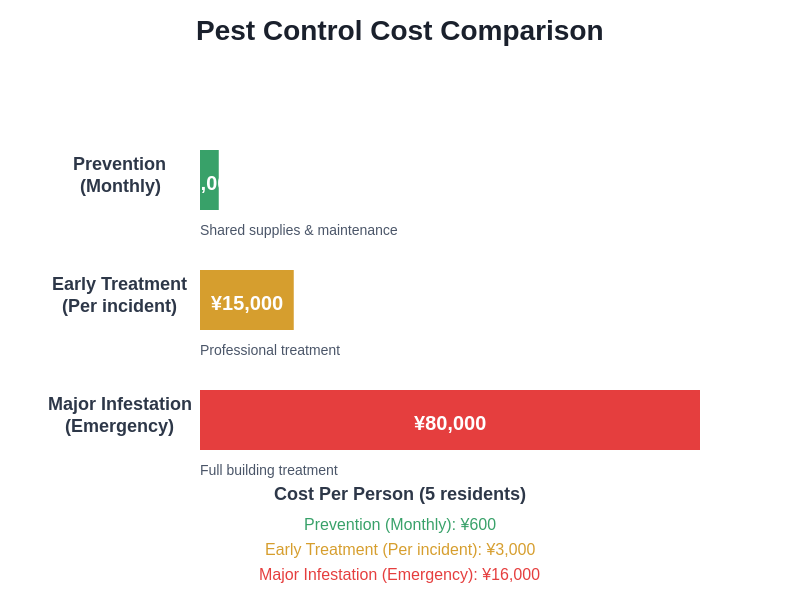
Professional pest control services in Tokyo involve significant expenses that individual residents cannot reasonably bear alone, particularly considering that effective treatment requires building-wide approaches rather than room-specific solutions. Understanding how sharehouse rent pricing works in Japan explains how maintenance costs typically factor into overall housing expenses, but pest control often represents unexpected additional expenses that require resident coordination and cost-sharing agreements.
The economics of pest prevention favor collective action over individual efforts, as bulk purchasing of prevention supplies, coordinated professional treatments, and shared maintenance tools provide better value and effectiveness than isolated individual approaches. Residents who attempt to address pest issues independently often waste money on ineffective solutions while failing to address underlying problems that require comprehensive building-wide treatment.
Emergency pest control situations create financial pressures that affect all residents regardless of individual culpability, making preventive measures and shared responsibility more cost-effective than reactive emergency treatments. How to budget realistically for sharehouse living should include contingency funds for unexpected maintenance issues including pest control emergencies that may arise despite preventive efforts.
Cost distribution fairness becomes contentious when some residents contribute more to pest problems through poor hygiene or maintenance practices while others bear equal financial responsibility for treatment and prevention. Establishing clear agreements about individual responsibilities and cost-sharing arrangements helps prevent conflicts while ensuring adequate funding for necessary pest control measures.
Health and Safety Implications for All Residents
Pest infestations in sharehouses create health risks that extend far beyond aesthetic concerns or personal discomfort, potentially exposing all residents to disease transmission, allergic reactions, food contamination, and respiratory problems that require immediate collective action to protect community health. How illness spreads faster in sharehouses demonstrates how close living quarters amplify health risks from various sources including pest-related contamination.
Cockroaches, rodents, and other common urban pests carry pathogens that contaminate food preparation areas, eating surfaces, and personal belongings throughout shared spaces, making individual protection impossible without comprehensive building-wide pest management strategies. These health risks affect residents with compromised immune systems, allergies, or respiratory conditions more severely, creating medical emergencies that impact entire households.
Food safety becomes compromised when pests access kitchen areas, storage spaces, and dining areas, potentially causing foodborne illnesses that affect multiple residents simultaneously. Shared refrigerators, pantries, and cooking facilities require coordinated protection measures that individual efforts cannot provide effectively, making collective pest control essential for maintaining safe food environments.
Sleep quality and mental health suffer when pest problems persist, affecting residents’ academic performance, work productivity, and overall well-being in ways that create cascading effects throughout the household community. The stress and anxiety associated with pest infestations can damage relationships between residents and create ongoing conflicts that extend beyond the immediate pest control issues.
Legal and Contractual Obligations in Japanese Housing
Japanese rental laws and sharehouse contracts typically assign specific maintenance responsibilities to tenants and management companies, but pest control obligations often fall into gray areas that require resident cooperation and shared interpretation of contractual terms. Understanding how legal disputes get resolved in sharehouses provides context for navigating these complex legal responsibilities when pest issues arise.
Landlord responsibilities for structural pest control may not extend to infestations caused by tenant behavior or negligence, creating situations where residents must collectively address problems that professional property management cannot or will not handle. Understanding these legal limitations helps residents prepare for scenarios where self-managed pest control becomes necessary regardless of individual preferences or financial constraints.
Damage deposits and lease agreements may include provisions for pest-related damages that affect all residents’ financial obligations, making prevention and early intervention critical for protecting everyone’s security deposits and rental history records. How to actually get your deposit back includes considerations about maintenance-related charges that can be avoided through proactive pest management.
Insurance coverage for pest-related damages or health issues may require documentation of resident cooperation and maintenance efforts, making collective record-keeping and coordinated prevention strategies important for protecting legal and financial interests. Residents who fail to participate in agreed-upon pest control measures may bear individual liability for resulting damages or health issues.
Practical Implementation of Shared Pest Control Systems
Effective pest control in sharehouses requires systematic approaches that distribute responsibilities fairly while ensuring comprehensive coverage of all potential problem areas and entry points. How cleaning responsibilities create house drama illustrates common challenges in organizing shared maintenance tasks, but pest control demands even higher levels of coordination and consistency.
Establishing rotating schedules for inspection, cleaning, and maintenance tasks ensures that all residents contribute equally while developing collective awareness of potential problems before they become serious infestations. These schedules must account for residents’ varying availability, physical capabilities, and cultural comfort levels with different types of maintenance activities.
Creating centralized reporting systems for pest sightings, potential problems, and maintenance needs enables rapid response and coordination while maintaining transparency about individual and collective efforts. Digital platforms, house meetings, and written logs help ensure that all residents stay informed about ongoing pest control activities and emerging concerns.
Bulk purchasing and storage of prevention supplies, treatment materials, and cleaning equipment requires coordination and shared financial contributions but provides better value and ensures consistent availability of necessary tools. How group buying power reduces individual costs explains strategies for organizing cooperative purchasing that benefit all residents while reducing individual expenses.
Prevention Strategies That Require Collective Participation
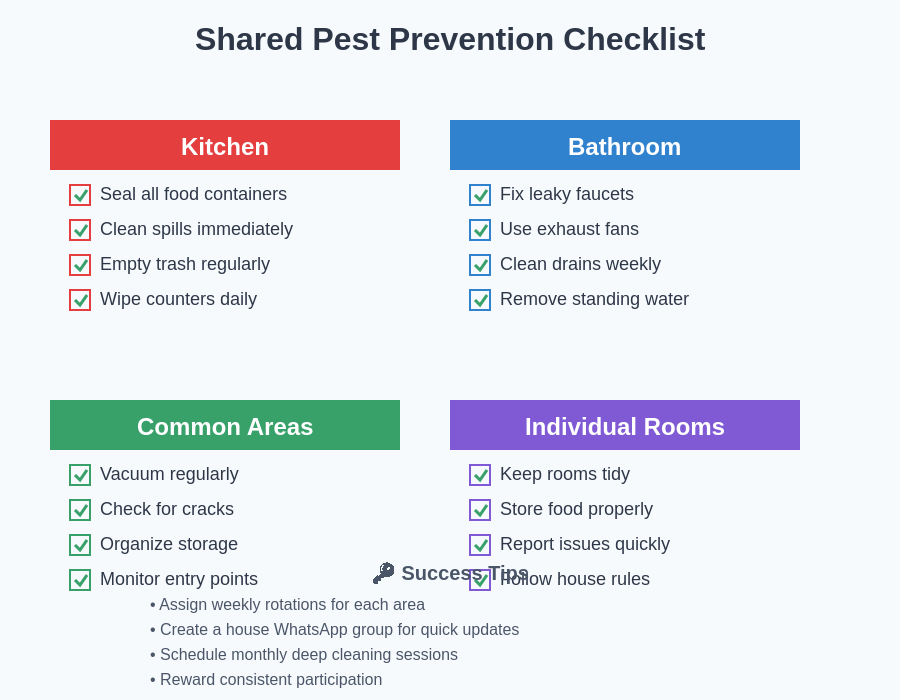
Food storage protocols represent the most critical aspect of pest prevention in sharehouses, requiring unanimous participation and consistent enforcement to maintain effectiveness across all shared and individual storage areas. How food storage rules impact your eating habits explains how proper storage practices affect daily routines while contributing to overall household pest prevention efforts.
Waste management systems must accommodate multiple residents’ schedules and habits while maintaining strict standards for disposal timing, container sealing, and area cleanliness that prevent pest attraction and breeding opportunities. Coordinating garbage collection responsibilities and establishing clear protocols for different types of waste helps ensure consistent implementation of effective prevention measures.
Moisture control throughout the building requires coordinated efforts to maintain proper ventilation, address leaks promptly, and manage humidity levels in bathrooms, kitchens, and storage areas where excess moisture creates ideal breeding conditions for many pest species. How moisture control prevents mold growth demonstrates the importance of collective humidity management in maintaining healthy living environments.
Entry point sealing and structural maintenance require coordinated inspection and repair efforts that individual residents cannot accomplish effectively, making collective organization essential for identifying and addressing gaps, cracks, and openings that provide pest access to the building interior.
Managing Conflicts and Resistance to Participation
Some residents may resist participating in shared pest control efforts due to cultural differences, personal preferences, time constraints, or disagreements about necessity and approaches, creating challenges that require diplomatic resolution and community building strategies. How to handle roommate conflicts without moving out provides frameworks for addressing these interpersonal challenges constructively.
Educational approaches that explain the scientific basis for pest control requirements and demonstrate the personal benefits of participation often prove more effective than punitive measures or social pressure in encouraging cooperation from reluctant residents. Providing clear information about health risks, financial implications, and legal obligations helps residents understand why their participation matters for everyone’s welfare.
Flexible participation options that accommodate different comfort levels, physical capabilities, and time availability enable broader participation while maintaining effective overall coverage of necessary pest control activities. Some residents may prefer financial contributions over direct participation, while others may excel at specific tasks that align with their skills and interests.
Positive reinforcement and recognition for residents who consistently contribute to pest control efforts help maintain motivation and encourage continued participation while building community cohesion around shared goals. Celebrating successes and acknowledging individual contributions creates positive associations with maintenance responsibilities.
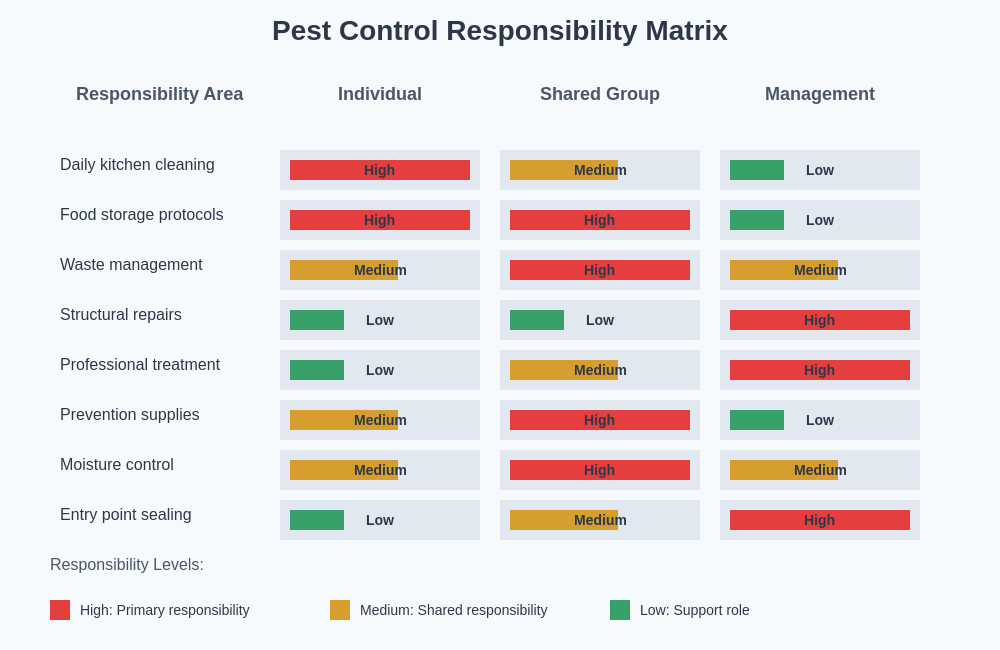
This comprehensive responsibility framework helps clarify expectations while ensuring all aspects of pest control receive appropriate attention from the right parties.
Long-term Community Building Through Shared Responsibility
Successful pest control cooperation often serves as a foundation for broader community building and shared responsibility systems that enhance overall quality of life in sharehouses beyond immediate pest management concerns. How sharehouse living prepares you for future challenges includes pest control cooperation as an example of skills development that benefits residents throughout their lives.
The problem-solving skills, communication abilities, and cultural sensitivity developed through pest control coordination transfer to other aspects of shared living including conflict resolution, resource management, and community event planning that strengthen household bonds and improve overall satisfaction with sharehouse living experiences.
Leadership opportunities emerge naturally through pest control coordination as residents with expertise, motivation, or organizational skills take initiative in developing systems and protocols that benefit the entire community. These leadership experiences provide valuable personal development opportunities while improving household functionality.
Trust building occurs when residents consistently follow through on pest control commitments and demonstrate consideration for others’ health and comfort through their maintenance behaviors. This trust foundation supports positive relationships and cooperative approaches to other challenges that inevitably arise in shared living environments.
The collective responsibility required for effective pest control in Tokyo sharehouses reflects broader principles of community living that extend far beyond immediate maintenance concerns. Success in managing pest issues together demonstrates the potential for residents to address other challenges cooperatively while building relationships and skills that enhance their overall experience of international living in Japan’s complex urban environment.
Disclaimer
This article is for informational purposes only and does not constitute professional pest control or health advice. Pest control methods and responsibilities may vary depending on specific sharehouse contracts, local regulations, and individual circumstances. Readers should consult with property managers, pest control professionals, and relevant authorities when dealing with serious pest infestations or health concerns. The effectiveness of shared responsibility approaches may vary based on resident cooperation levels and specific building characteristics.