The humble phone charging station has emerged as one of the most unexpected sources of tension and conflict in Tokyo sharehouses, transforming what should be a simple technological convenience into a battleground for territorial disputes, power dynamics, and cultural misunderstandings. While newcomers to sharehouse living might dismiss such concerns as trivial, experienced residents understand that these seemingly minor conflicts can escalate into major relationship breakdowns that fundamentally alter the harmony and atmosphere of an entire living community.
The psychology behind charging station conflicts reveals deeper issues about personal space, resource scarcity, and the fundamental challenges of sharing intimate living spaces with strangers from diverse cultural backgrounds. These disputes illuminate the broader complexities of modern sharehouse living, where traditional concepts of private property intersect with communal living arrangements in ways that create unexpected friction points and social dynamics.
The Anatomy of Charging Station Conflicts
Phone charging stations in Tokyo sharehouses typically consist of limited power outlets strategically placed in common areas, often accompanied by multi-port USB hubs or charging towers that promise to solve capacity issues but frequently create new problems. The physical design of these charging areas inherently creates competition for premium positions, with residents developing unspoken hierarchies based on charging speed, cable length, and proximity to seating areas where they can monitor their devices while charging.
The scarcity mentality that develops around charging access stems from the reality that most sharehouses significantly underestimate the charging needs of their residents. Understanding utility bills in Japanese sharehouses reveals how electricity costs influence management decisions about outlet placement and capacity, often resulting in inadequate infrastructure that forces residents to compete for limited resources during peak usage periods.
Modern smartphone dependency has transformed charging from a periodic necessity into a constant anxiety for many residents, particularly those who rely heavily on their devices for work, navigation, translation, and social connection in a foreign country. The fear of battery depletion in Tokyo, where getting lost or being unable to communicate can create genuine safety concerns, elevates charging station access from convenience to essential security need.
Cultural differences in technology usage patterns create additional complexity, as residents from different countries have varying expectations about charging etiquette, device sharing, and communal resource management. These differences often remain unspoken until conflicts arise, creating situations where well-intentioned actions are misinterpreted as selfish or inconsiderate behavior.
Peak Usage Conflicts and Time Management
The morning rush period represents the most intense battlefield for charging station access, as residents simultaneously prepare for work, school, or daily activities while discovering their devices have depleted overnight. How commute times impact work performance demonstrates how this morning pressure compounds existing stress levels, making residents more irritable and less tolerant of charging delays or conflicts.
Evening charging conflicts emerge from different lifestyle patterns and work schedules, with some residents returning home to immediately plug in their devices while others prefer to charge before bedtime. The limited number of outlets near sleeping areas forces many residents to use common area charging stations, creating overnight territorial disputes about device security and charging duration.
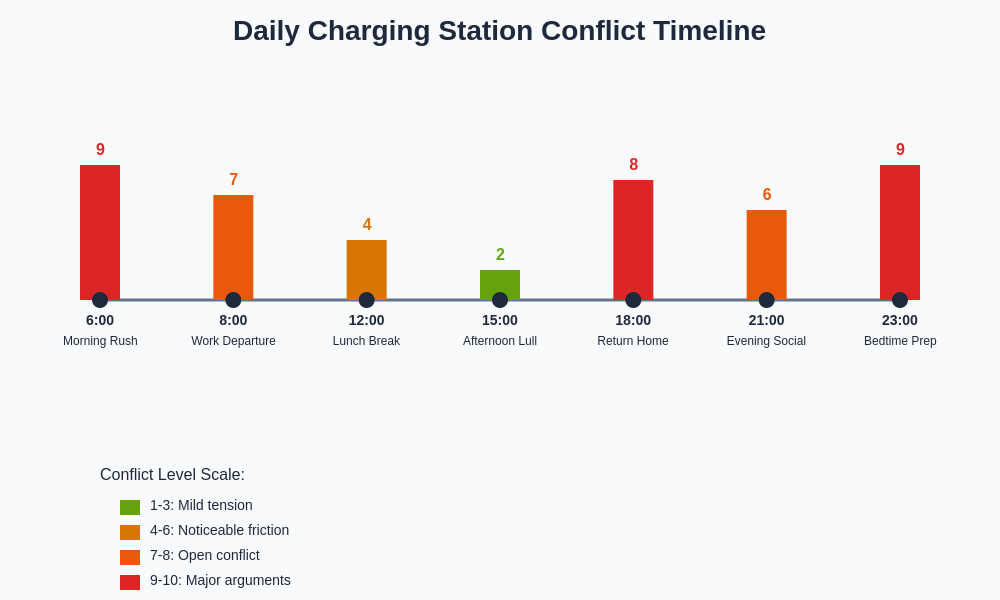
Weekend charging patterns differ significantly from weekday routines, with extended social activities, photography sessions, and leisure device usage creating unpredictable demand spikes that overwhelm even well-planned charging infrastructure. Dating while living in Tokyo sharehouses explores how social activities affect daily routines and resource usage, including the increased charging needs associated with extended outings and social documentation.
The concept of charging time ownership becomes particularly contentious when residents establish informal reservations or attempt to claim specific outlets as their personal charging territory. These arrangements often work temporarily but break down when new residents arrive or when changing schedules disrupt established patterns, leading to accusations of selfishness and territorial behavior.
Cable Wars and Equipment Disputes
The proliferation of different charging cable standards creates a complex ecosystem of compatibility issues that transform simple charging into elaborate negotiation processes. USB-C, Lightning, micro-USB, and various proprietary connectors require residents to maintain multiple cables or constantly borrow from others, creating dependency relationships that can strain friendships and create power imbalances within the sharehouse community.
High-quality charging cables become valuable commodities that residents guard jealously, particularly fast-charging cables that can significantly reduce charging time and increase access opportunities for others. How consumer electronics sharing works examines the informal economies that develop around electronic accessories and the tensions that arise when expensive equipment is damaged or goes missing.
Cable management becomes a daily source of frustration as residents untangle others’ charging cables, accidentally disconnect devices, or struggle to identify their own equipment in the chaos of a busy charging station. The lack of organization systems and personal responsibility for cable management creates environments where simple charging becomes time-consuming and stressful for everyone involved.
Portable chargers and power banks create additional complications as residents debate whether bringing personal charging solutions reduces their right to access communal charging infrastructure. The cost and inconvenience of maintaining personal charging equipment feels unfair to many residents who view adequate charging access as a basic amenity that should be provided by the sharehouse management.

Security and Trust Issues
Device security concerns create another layer of complexity in charging station conflicts, as residents must balance their need to charge devices with fears about theft, damage, or unauthorized access to personal information. How personal belongings disappear despite locks highlights the trust issues that pervade sharehouse living and affect decisions about leaving valuable electronics unattended in common areas.
The psychological stress of monitoring charging devices while trying to relax or socialize in common areas creates constant background anxiety that affects the overall atmosphere of shared spaces. Residents often find themselves unable to fully engage in house activities or conversations because they must maintain visual contact with their charging devices to prevent theft or accidental damage.
Overnight charging presents the greatest security challenges, as residents must choose between the convenience of charging while sleeping and the risk of device theft or damage during vulnerable nighttime hours. The development of informal watch systems and buddy arrangements for device monitoring creates additional social obligations and potential conflict points when these arrangements fail or are perceived as unfair.
Insurance and liability concerns about damaged or stolen devices during charging create unclear responsibility boundaries between individual residents and sharehouse management. The lack of clear policies about device security and damage compensation often means conflicts escalate into legal or financial disputes that affect entire house communities.
Power Dynamics and Social Hierarchies
Charging station conflicts often reveal and reinforce existing social hierarchies within sharehouse communities, with more assertive or established residents claiming priority access while newer or more introverted residents accept inconvenient charging arrangements to avoid confrontation. Why some residents become unofficial leaders explores how everyday conflicts contribute to power structure development in shared living environments.
The relationship between room rent levels and charging station access creates additional inequality, as residents paying higher rents may feel entitled to better charging access while those in budget rooms accept secondary status. These economic hierarchies become particularly problematic when they intersect with cultural or linguistic barriers that prevent effective advocacy for equal resource access.
Gender dynamics play a subtle but significant role in charging station conflicts, with different cultural expectations about assertiveness, resource claiming, and conflict resolution affecting how male and female residents navigate charging disputes. How gender policies are legally enforced provides context for understanding how gender considerations affect daily life in shared living situations.
Age differences create generational divides in charging station usage, with younger residents typically having higher device dependency and more sophisticated charging needs while older residents may not understand the urgency or complexity of modern charging requirements. These generational gaps often lead to misunderstandings about charging etiquette and priority systems.
Cultural Misunderstandings and Communication Barriers
Japanese concepts of harmony and indirect communication create unique challenges in addressing charging station conflicts, as residents from more direct cultures may inadvertently violate social norms by openly claiming charging space or expressing frustration about access issues. How cultural communication styles create misunderstandings examines how these differences affect daily conflict resolution in international sharehouses.
The concept of reading the atmosphere becomes particularly relevant in charging station etiquette, where residents are expected to sense others’ charging needs and voluntarily adjust their own usage patterns without explicit discussion. This indirect communication style often fails when residents from different cultural backgrounds interpret silence as agreement or lack of interest rather than polite restraint.
Language barriers prevent effective negotiation about charging schedules and equipment sharing, leading to misunderstandings about informal agreements and creating resentment when expectations are not met. The difficulty of explaining technical requirements or time constraints in a second language often results in oversimplified solutions that fail to address underlying needs.
Gift-giving cultures and reciprocity expectations create additional complexity when residents share charging equipment or access, as different cultural groups have varying expectations about obligation and gratitude that can lead to mismatched relationship expectations and eventual conflicts when these expectations are not fulfilled.
Management Responses and Infrastructure Solutions
Sharehouse management approaches to charging station conflicts vary dramatically, from completely hands-off policies that force residents to resolve disputes independently to micromanagement systems that attempt to regulate every aspect of charging access and usage. Japanese sharehouse rules every foreigner should know outlines typical management policies and their effectiveness in preventing conflicts.
The cost-benefit analysis of upgrading charging infrastructure often favors minimal investment, as management companies view charging stations as minor amenities rather than essential infrastructure that significantly affects resident satisfaction and retention. This shortsighted approach frequently results in chronic conflicts that contribute to resident turnover and negative reviews.
Technology solutions such as smart charging stations with time limits, reservation systems, or individual charging lockers represent emerging approaches to managing access conflicts, but their implementation costs and complexity often exceed what budget-conscious sharehouse operators are willing to invest. The resistance to technological solutions reflects broader attitudes about amenity investment and resident service quality.
Resident education and conflict resolution training could address many charging station disputes before they escalate, but most sharehouse operators lack the resources or expertise to implement effective mediation programs. The absence of proactive conflict management leaves residents to develop their own informal resolution systems that may or may not promote fairness and harmony.
Long-term Implications for House Harmony
Unresolved charging station conflicts often serve as catalysts for broader relationship breakdowns between residents, with charging disputes becoming symbols of deeper incompatibilities and communication failures. How to handle roommate conflicts without moving out provides strategies for addressing these underlying issues before they destroy house relationships.
The stress and anxiety associated with daily charging station navigation can significantly impact overall sharehouse satisfaction and mental health, particularly for residents who rely heavily on their devices for work or emotional support. The cumulative effect of chronic low-level conflict over basic amenities creates environments where residents feel unable to relax or feel at home in their living space.
Community cohesion suffers when residents begin avoiding common areas or social activities to maintain control over their charging access, defeating one of the primary benefits of sharehouse living. The transformation of shared spaces into territorial battlegrounds undermines the cultural exchange and friendship opportunities that attract many residents to communal living arrangements.
Property reputation and resident retention rates directly correlate with how effectively sharehouses manage charging station conflicts and other daily friction points. Real stories from Tokyo sharehouse residents reveals how these seemingly minor issues significantly influence resident recommendations and online reviews.
Practical Solutions and Prevention Strategies
Successful charging station management requires proactive planning that anticipates peak usage patterns and provides adequate infrastructure before conflicts develop. The investment in sufficient outlets, cable management systems, and secure charging areas pays dividends in resident satisfaction and reduced management time dealing with disputes.
Clear policies about charging station usage, including time limits, overnight charging protocols, and equipment sharing expectations, help establish community norms that prevent conflicts from arising. These policies must be communicated clearly to all residents and consistently enforced to maintain their effectiveness.
Community agreements developed collaboratively by residents often prove more effective than top-down management rules, as they reflect actual usage patterns and cultural preferences while creating buy-in from the people who must live with the arrangements. Making friends through Tokyo sharehouse communities demonstrates how collaborative problem-solving can strengthen rather than strain house relationships.
Technology integration such as charging timers, outlet availability indicators, or mobile apps for reserving charging time can eliminate many sources of conflict while providing residents with the predictability and control they need to manage their daily routines effectively.

Personal responsibility and cultural sensitivity training help residents understand how their charging habits affect others and develop more considerate usage patterns that reduce conflict potential. Education about different cultural approaches to resource sharing and conflict resolution can prevent misunderstandings before they escalate into serious disputes.
The phenomenon of phone charging station conflicts in Tokyo sharehouses reveals the intricate challenges of modern communal living, where technological dependency intersects with cultural diversity and resource scarcity to create unexpected sources of tension and community breakdown. Understanding these dynamics and implementing thoughtful solutions can transform charging stations from conflict zones into examples of successful collaboration and mutual respect in international living communities.
Disclaimer
This article is for informational purposes only and reflects general observations about sharehouse living dynamics. Individual experiences may vary significantly based on specific house rules, management policies, and resident communities. Readers should consider their own cultural backgrounds and communication styles when navigating shared living situations. The strategies mentioned may not be applicable to all sharehouses or cultural contexts.