The transition to sharehouse living fundamentally transforms the simple act of making and receiving phone calls, introducing layers of complexity that many residents never anticipate until they find themselves whispering into their phones or retreating to bathroom stalls for important conversations. This seemingly mundane aspect of daily communication becomes a significant source of stress and frustration for international residents who must navigate cultural expectations, physical limitations, and social dynamics that make private phone conversations increasingly challenging and sometimes nearly impossible.
The psychological impact of losing conversational privacy extends far beyond simple inconvenience, affecting relationships with family and friends back home, professional communications, and personal well-being in ways that compound over time. Understanding why phone conversations become problematic in shared living environments helps residents develop effective coping strategies while managing expectations about communication capabilities during their sharehouse experience.
The Physical Reality of Shared Acoustic Spaces
Japanese residential construction typically prioritizes space efficiency over sound isolation, creating buildings where conversations naturally carry through thin walls and shared ventilation systems that act as acoustic highways between rooms. Understanding utility bills in Japanese sharehouses reveals how cost-saving construction methods often sacrifice sound dampening materials that would provide better acoustic privacy for residents.
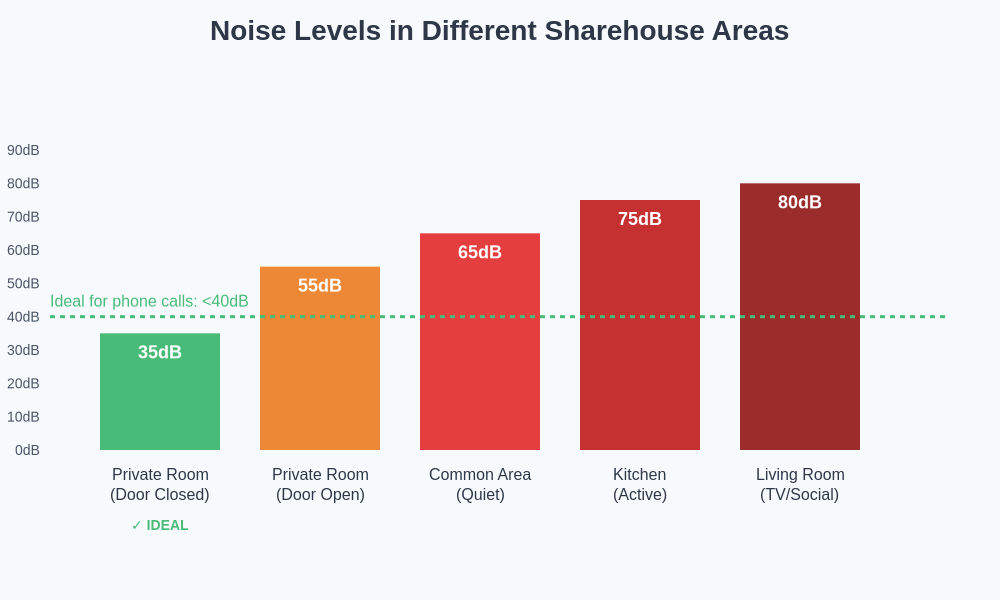
The open-plan design of many sharehouse common areas amplifies sound transmission, making it virtually impossible to conduct private phone conversations without disturbing other residents or being overheard by everyone in the vicinity. Kitchen areas, living rooms, and dining spaces become echo chambers where every word spoken at normal volume levels becomes public information for anyone present in these shared zones.
Room construction in older buildings converted to sharehouses often involves partitioning larger spaces with lightweight materials that provide minimal sound barrier properties. Conversations conducted at normal speaking volumes in private rooms frequently penetrate adjacent spaces, creating situations where residents must choose between speaking so quietly that phone conversations become strained and difficult for the other party to hear, or accepting that their personal conversations will be audible to nearby housemates.
The acoustic challenges extend beyond simple volume considerations to include timing conflicts when multiple residents attempt to use phones simultaneously, creating overlapping conversations that interfere with each other and make communication nearly impossible for everyone involved.
Cultural Communication Expectations and Phone Etiquette
Japanese cultural norms around phone usage in shared spaces create additional layers of complexity for international residents who may be unfamiliar with local expectations about appropriate communication behavior. Japanese sharehouse rules every foreigner should know includes guidance on communication etiquette that affects daily phone usage patterns and social acceptance of different conversation practices.
The cultural preference for maintaining harmony and avoiding disruption to others means that phone conversations perceived as too loud, too long, or too frequent can create social tension within the household community. International residents often struggle to calibrate appropriate volume levels and conversation durations that satisfy both their communication needs and cultural expectations for respectful shared living.
Professional phone calls present particular challenges when cultural expectations for formal business communication conflict with the practical limitations of shared living spaces. Important work conversations requiring concentration and professional presentation become nearly impossible when conducted in environments where background noise, interruptions, and acoustic limitations compromise call quality and professional image.
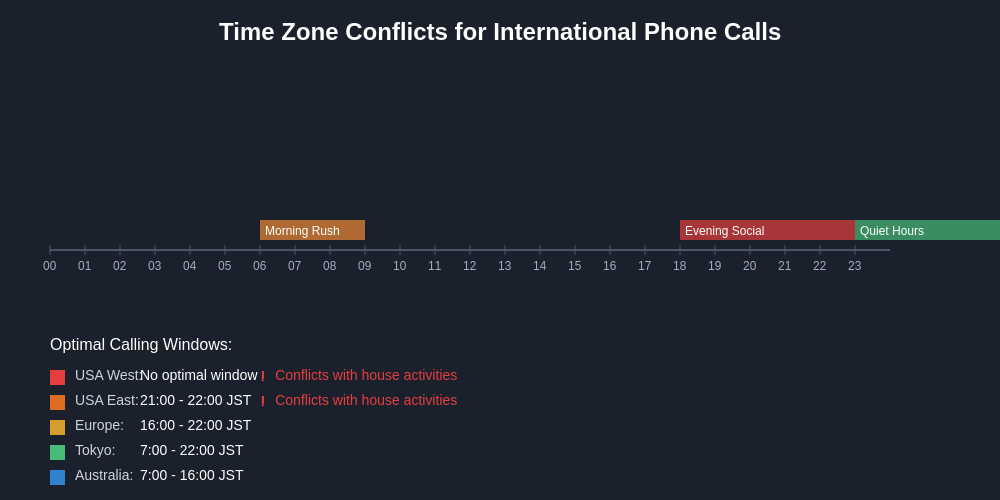
Family conversations with relatives in different time zones often occur during hours when shared spaces are most active, creating unavoidable conflicts between personal communication needs and community consideration that force residents to choose between maintaining relationships and respecting housemate comfort.
Language Barriers and Communication Complexity
International residents conducting phone conversations in their native languages face unique challenges in sharehouse environments where linguistic diversity creates additional social dynamics around privacy and inclusion. Living with Japanese roommates in Tokyo sharehouses explores how language differences affect daily interactions and communication patterns within shared living communities.
Speaking in foreign languages during phone conversations can create feelings of exclusion among housemates who cannot understand the content, leading to social tension even when conversations are conducted at appropriate volumes and durations. Some residents report feeling self-conscious about using their native languages for phone calls, leading to additional stress and communication difficulties.
The cognitive load of switching between languages throughout the day becomes more challenging when phone conversations require sudden transitions from Japanese interactions with housemates to native language conversations with family or friends. This mental switching creates fatigue and increases the likelihood of communication errors or misunderstandings during important phone calls.
Emergency situations become particularly problematic when language barriers prevent residents from quickly and effectively communicating urgent information via phone while navigating the social and practical constraints of shared living spaces.
Privacy Concerns and Relationship Management
The complete loss of conversational privacy fundamentally changes how residents manage personal relationships, professional communications, and sensitive conversations that require confidentiality. Dating while living in Tokyo sharehouses discusses how relationship conversations become complicated when private phone calls are impossible to conduct without being overheard by multiple housemates.
Romantic relationships suffer when intimate conversations must be conducted in whispers or postponed until residents can find truly private spaces, which may be rare or nonexistent in many sharehouse configurations. The inability to have spontaneous private conversations with partners creates relationship stress that compounds over time and affects emotional intimacy and communication quality.
Family conversations involving sensitive topics such as health issues, financial problems, or personal crises become sources of anxiety when residents cannot find appropriate spaces for private discussions. The knowledge that personal information may be overheard by relative strangers creates additional emotional burden during already difficult conversations.
Professional relationships and career advancement opportunities can suffer when important business calls cannot be conducted with appropriate privacy and professional presentation, potentially affecting job performance evaluations and career development prospects.
Time Zone Challenges and Communication Windows
International residents maintaining relationships across multiple time zones face compound difficulties when optimal calling times conflict with sharehouse activity periods and quiet hours. How to find perfect sharehouse tokyo includes considerations about communication needs that prospective residents should evaluate when selecting accommodation options.
Family calls to different continents often require communication during early morning or late evening hours when shared spaces may be most active with residents preparing for work or returning home, creating unavoidable conflicts between personal communication needs and community consideration. The stress of coordinating communication windows that satisfy both time zone requirements and sharehouse etiquette can strain family relationships over time.
Work calls with international colleagues or clients become logistical challenges when professional conversation requirements conflict with sharehouse noise levels and availability of appropriate spaces for business communication. Career advancement opportunities may be limited when residents cannot reliably participate in important conference calls or client meetings from their living accommodations.
Emergency communications become particularly problematic when urgent family situations occur during hours when shared spaces are occupied and private conversation is impossible, forcing residents to choose between privacy and immediate response to crisis situations.
Technology Limitations and Infrastructure Challenges
Shared internet connections often struggle to support multiple simultaneous voice and video calls, creating technical difficulties that compound the social and physical challenges of phone communication in sharehouses. Business district sharehouses near Tokyo Station discusses infrastructure considerations that affect communication quality and reliability for professional residents.
Bandwidth limitations during peak usage hours can cause call quality degradation, dropped connections, and audio delays that make professional communications difficult and frustrating. Video calls become nearly impossible when internet infrastructure cannot support the additional data requirements, limiting communication options with family and friends who prefer visual contact.
Mobile phone signal strength varies dramatically between different areas of sharehouse buildings, with some rooms experiencing poor reception that forces residents to move to common areas for reliable phone connections, negating any privacy benefits of conducting calls from private rooms. The need to find locations with adequate signal strength often conflicts with finding spaces with appropriate acoustic privacy.
Charging infrastructure limitations can create additional complications when residents must choose between maintaining phone battery levels and finding appropriate spaces for private conversations, particularly during extended family calls or important business communications that require reliable power supply throughout the conversation duration.
Social Dynamics and Housemate Relationships
The inability to conduct private phone conversations affects how residents build and maintain relationships within the sharehouse community, creating social dynamics that can either strengthen bonds through shared understanding or create tension through competing communication needs. Making friends through Tokyo sharehouse communities explores how communication challenges affect social integration and community building among residents.
Residents who require frequent phone conversations for work or family obligations may be perceived as inconsiderate by housemates who value quiet common spaces, creating social friction that affects overall community harmony and individual comfort levels. The cumulative effect of ongoing communication conflicts can lead to social isolation and reduced quality of life for residents with significant phone communication needs.
Cultural differences in communication styles and volume expectations create additional complexity when residents from different backgrounds have varying tolerance levels for phone conversation activity in shared spaces. Some residents may view frequent phone calls as normal social behavior while others consider it disruptive and inappropriate for shared living environments.
The development of informal house rules around phone usage often emerges organically through social pressure and conflict resolution, but these unwritten expectations may not be clearly communicated to new residents, creating ongoing sources of misunderstanding and social tension within the community.
Professional Impact and Career Considerations
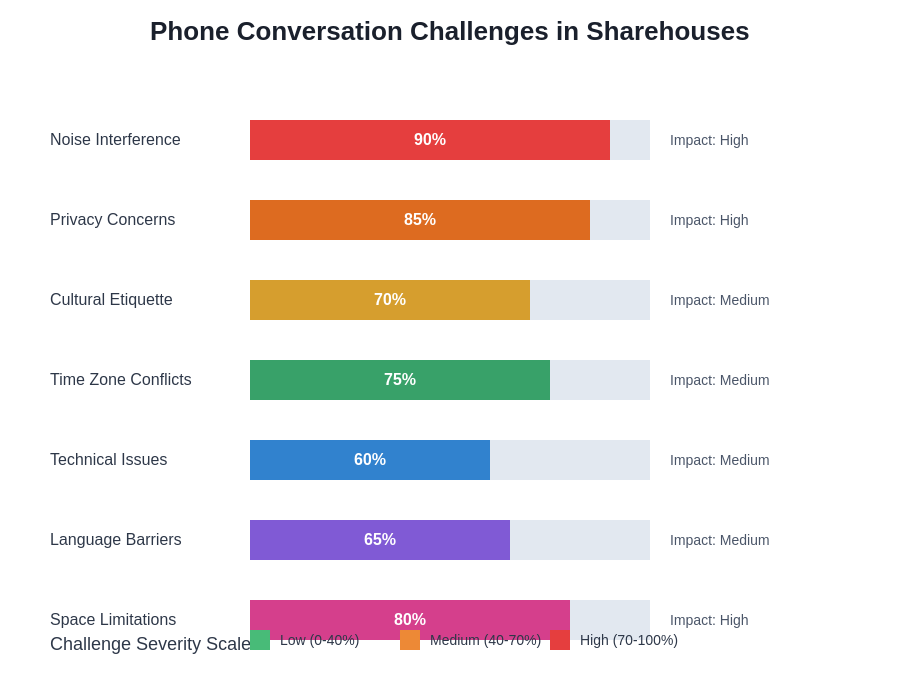
Career advancement opportunities can be significantly limited when residents cannot reliably conduct professional phone communications with appropriate privacy and presentation quality. Student sharehouses near top Tokyo universities discusses how communication limitations affect academic and professional development for residents pursuing education and career goals.
Important job interviews conducted via phone become sources of extreme stress when residents cannot guarantee private, quiet spaces for these critical career conversations. The professional image projected during phone interviews can suffer when background noise, interruptions, or acoustic limitations compromise call quality and candidate presentation.
Client relationships and business development activities may be compromised when professionals cannot conduct confidential business discussions or provide reliable communication accessibility for important commercial relationships. The inability to separate personal and professional communication spaces can affect career trajectory and business success over time.
Networking opportunities and professional relationship building become limited when phone communications necessary for maintaining industry contacts and exploring career opportunities cannot be conducted with appropriate privacy and professional standards.
Adaptive Strategies and Coping Mechanisms
Successful long-term sharehouse residents develop various adaptive strategies for managing phone communication challenges, though these solutions often require significant lifestyle adjustments and may not fully address all communication needs. How to handle roommate conflicts without moving out provides guidance on addressing communication-related conflicts through community discussion and compromise.
Some residents establish regular schedules for important phone calls during specific time periods when common areas are typically less occupied, though this approach requires coordination with family and professional contacts who may not be able to accommodate restricted communication windows. The need to schedule spontaneous conversations contradicts the natural flow of relationship maintenance and can strain personal connections over time.
Alternative communication methods such as messaging apps, email, and asynchronous communication platforms become increasingly important when real-time phone conversations are impractical, though these solutions cannot fully replace the immediacy and emotional connection of voice communication for important relationships and urgent situations.
The use of external spaces such as parks, cafes, or public areas for private phone conversations becomes a common workaround, though this solution requires additional time, transportation costs, and weather-dependent planning that adds complexity to routine communication activities.
Long-term Relationship and Well-being Effects
Extended periods of limited phone communication privacy can affect mental health and relationship quality in ways that compound over time, particularly for residents who rely heavily on voice communication for emotional support and relationship maintenance. Real stories from Tokyo sharehouse residents includes accounts of how communication challenges affect overall sharehouse satisfaction and personal well-being.
Family relationships may suffer when regular phone conversations become logistically difficult and emotionally unsatisfying due to privacy constraints and technical limitations, potentially affecting long-term family bonds and support systems that are crucial for international residents living far from home. The gradual erosion of communication quality can lead to relationship deterioration that becomes difficult to repair once residents transition to more private living arrangements.
Professional relationships and career development may be permanently affected when important communication opportunities are missed or poorly managed due to sharehouse communication constraints, potentially affecting long-term career trajectory and professional network development that extends beyond the sharehouse living period.
Mental health impacts include increased stress, social isolation, and communication anxiety that can affect overall quality of life and personal development during the sharehouse experience. The constant need to manage communication logistics and navigate social dynamics around phone usage creates ongoing mental load that contributes to general living stress and affects satisfaction with the shared living experience.
The challenge of maintaining meaningful phone conversations in sharehouse environments represents a significant but often underestimated aspect of shared living that affects residents’ ability to maintain important relationships, advance professionally, and manage personal well-being throughout their accommodation experience in Tokyo.
Disclaimer
This article is for informational purposes only and reflects common experiences reported by sharehouse residents. Individual experiences may vary depending on specific accommodation arrangements, housemate dynamics, and personal communication needs. Readers should consider their communication requirements when evaluating sharehouse options and develop strategies that work within their specific living situations and cultural contexts.