The phenomenon of podcast consumption reveals fascinating insights into human behavior, cultural adaptation, and the complex ways that living environments shape our media consumption patterns. In shared living spaces like Tokyo sharehouses, where people from diverse backgrounds converge, the variation in podcast listening habits becomes particularly pronounced, creating both opportunities for cultural exchange and potential sources of conflict over shared audio spaces and differing entertainment preferences.
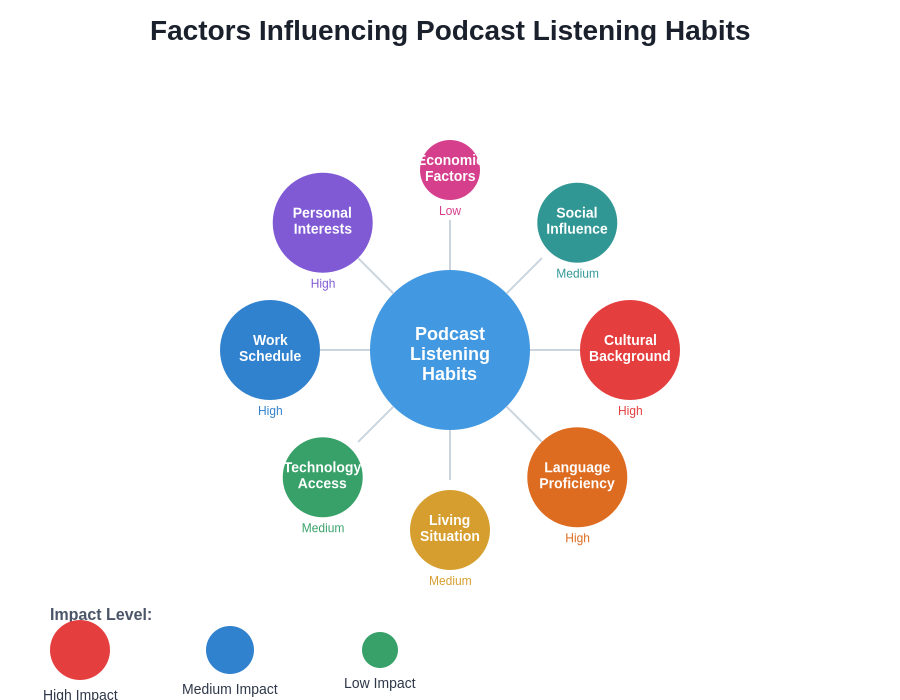
Understanding why podcast listening habits vary so dramatically among individuals requires examining multiple interconnected factors including cultural background, language proficiency, professional demands, personal interests, living situations, and technological access. These variables create unique listening profiles that influence not only what content people choose but also when, where, and how they consume audio entertainment, particularly in environments where multiple residents share common spaces and resources.
Cultural Background and Language Influence
Cultural origins play a fundamental role in shaping podcast preferences and listening behaviors, with different societies having distinct traditions around storytelling, news consumption, and educational content delivery. Living with Japanese roommates in Tokyo sharehouses often reveals how cultural expectations about appropriate times for audio consumption and volume levels can create significant differences in daily routines.
International residents frequently gravitate toward content in their native languages, seeking familiar voices and cultural references that provide comfort and connection to home during periods of cultural adjustment. This preference for native-language content can lead to dramatically different podcast ecosystems within the same living space, where residents consume entirely separate media universes despite sharing physical proximity.
Language learning objectives also heavily influence podcast selection patterns, with many international residents deliberately choosing content in Japanese or English to improve their language skills. This educational motivation creates listening habits that prioritize comprehension challenges over pure entertainment value, resulting in different consumption patterns compared to native speakers who can freely choose content based solely on interest or enjoyment factors.
The availability and quality of podcast content varies significantly across different languages and cultures, creating natural boundaries that influence what residents can easily access and enjoy. Some cultural backgrounds have rich podcast ecosystems with diverse content options, while others may have limited selections, forcing listeners to adapt their preferences to available alternatives or seek content in secondary languages.
Professional and Educational Context
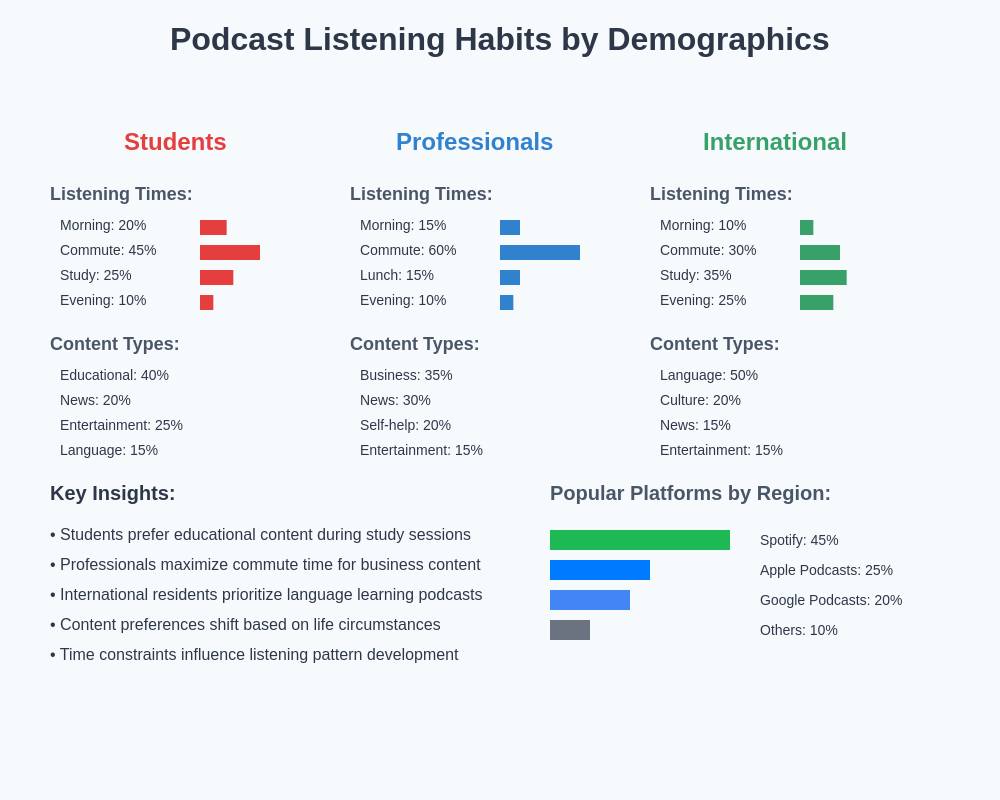
Career demands and educational pursuits create distinct podcast consumption patterns that reflect individual goals, schedules, and information needs. Student sharehouses near top Tokyo universities demonstrate how academic pressures influence listening habits, with students often prioritizing educational content, language learning materials, or subject-specific programming that supports their studies.
Professional backgrounds significantly impact both content preferences and listening schedules, with business professionals gravitating toward industry news, leadership development, and career advancement content during commute times or workout sessions. These utilitarian listening approaches contrast sharply with residents who use podcasts primarily for entertainment, relaxation, or escapism during leisure periods.
The flexibility of individual schedules creates vastly different consumption windows, with some residents having consistent daily routines that accommodate regular podcast listening while others maintain irregular patterns that require more sporadic and opportunistic consumption approaches. These timing differences can affect shared space usage and headphone etiquette within communal living environments.
Work-from-home arrangements and remote employment patterns have also transformed podcast consumption habits, with some residents using background audio to create ambient work environments while others require complete silence for concentration. Remote work equipment affects space usage in ways that can influence podcast listening opportunities and preferences.
Technology Access and Platform Preferences
Device availability and technological literacy create significant variations in how residents access and manage their podcast consumption, with some utilizing sophisticated playlist management and subscription systems while others rely on basic streaming or download approaches. The sophistication of individual technology setups often correlates with consumption volume and content diversity.
Internet connectivity quality and data limitations can dramatically influence listening habits, particularly for international residents managing mobile data costs or dealing with inconsistent WiFi access in shared living situations. Internet data limits affect your monthly usage in ways that force strategic decisions about streaming versus downloading content for offline consumption.
Platform loyalty and ecosystem integration also create distinct user experiences, with Apple users, Android users, and cross-platform users developing different interaction patterns and content discovery mechanisms. These technological divisions can limit content sharing recommendations and create barriers to communal listening experiences.
Audio equipment quality and personal investment in listening technology reveal different priorities and budgets, with some residents using basic earbuds while others invest in premium headphones or speakers. These hardware differences affect both content appreciation capabilities and social considerations regarding volume and shared space usage.
Living Situation and Space Considerations
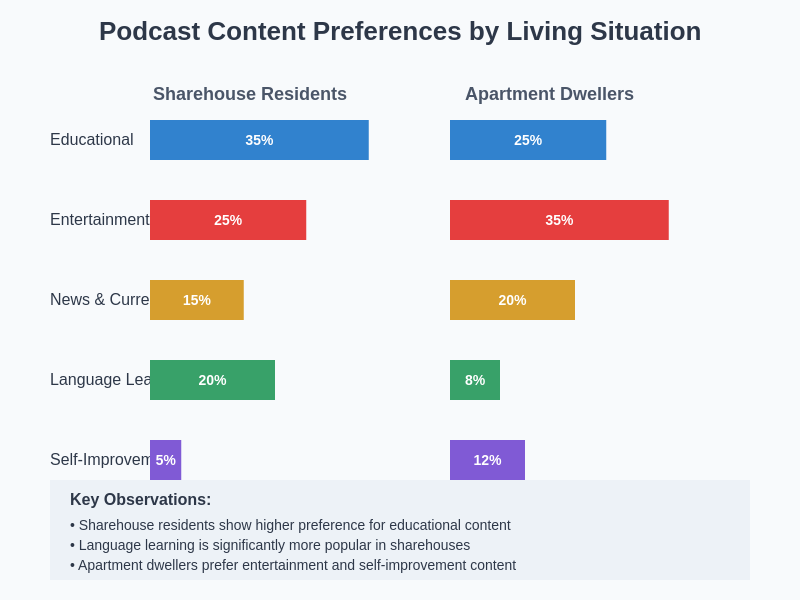
Shared living environments create unique constraints and opportunities that significantly influence podcast consumption patterns, particularly regarding timing, volume control, and content selection. Noise control becomes critical for career success when residents have conflicting audio preferences and schedules that require careful coordination.
Private room availability and soundproofing quality determine whether residents can enjoy content without headphones, influencing both comfort levels and listening duration. Residents with well-insulated private spaces often develop different consumption habits compared to those sharing rooms or living in buildings with thin walls that require constant volume consciousness.
Common area usage patterns and social dynamics affect when and where residents feel comfortable consuming audio content, with some preferring to retreat to private spaces while others enjoy background podcasts during communal activities. These preferences can create social divisions or opportunities for shared experiences depending on content compatibility and group dynamics.
Transportation routines and commute patterns create natural listening windows that vary dramatically among residents based on work locations, travel methods, and schedule flexibility. Commute times impact your quality of life in ways that determine available podcast consumption opportunities and preferred content lengths.
Content Preferences and Interest Diversity
Individual interests and curiosity levels create vastly different content consumption patterns, with some residents preferring deep, educational programming while others gravitate toward light entertainment or news briefings. These preference differences reflect personality traits, intellectual curiosity levels, and current life priorities that may shift over time.
Genre loyalty versus exploratory listening behaviors distinguish residents who develop strong preferences for specific content types from those who regularly sample diverse programming across multiple categories. These consumption patterns affect both listening time allocation and content discovery methods, creating different relationships with podcast platforms and recommendation systems.
Current events engagement and news consumption habits vary significantly based on political interest, cultural background, and personal investment in global affairs. Some residents use podcasts as primary news sources while others avoid news content entirely, preferring escapist or educational alternatives that provide relief from current events stress.
Attention span variations and concentration abilities influence content length preferences, with some residents favoring brief daily updates while others enjoy extended narrative series or in-depth interview formats. These preferences often correlate with lifestyle factors, stress levels, and available mental energy for content consumption.
Social and Community Factors
Recommendation networks and social influence patterns within sharehouse communities create both content discovery opportunities and pressure to conform to group preferences. Making friends through Tokyo sharehouse communities often involves sharing entertainment preferences, including podcast recommendations that can introduce residents to new content categories.
Generational differences in media consumption create distinct approaches to podcast discovery, subscription management, and social sharing behaviors. Younger residents often utilize social media integration and playlist sharing features more extensively, while older residents may prefer traditional recommendation methods or word-of-mouth suggestions.
Cultural exchange motivations influence content selection, with some residents deliberately seeking programming that educates them about Japanese culture, local customs, or international perspectives. This educational approach to entertainment creates learning opportunities but may also limit content variety or entertainment value compared to pure enjoyment-based selection criteria.
Community listening events and shared experiences can either enhance or inhibit individual podcast consumption, depending on content compatibility and social dynamics. Some houses develop traditions around group listening sessions while others maintain strict individual consumption patterns that prevent communal audio experiences.
Time Management and Lifestyle Integration
Daily routine structures and time management approaches create different windows for podcast consumption, with highly scheduled residents developing consistent listening habits while flexible schedules allow for more spontaneous content consumption. These patterns affect both content length preferences and platform usage behaviors.
Multitasking abilities and attention management skills influence when and how residents consume podcasts, with some successfully combining listening with other activities while others require dedicated focus time. These differences affect content retention, enjoyment levels, and overall consumption volume across different residents.
Sleep habits and evening routines create distinct consumption periods, with some residents using podcasts for relaxation or sleep assistance while others avoid audio content before bedtime. Sleep quality suffers in shared environments in ways that can affect evening podcast consumption patterns and headphone usage requirements.
Exercise and physical activity integration varies widely among residents, with some using podcasts as workout companions while others prefer music or silence during physical activities. These preferences affect content selection, consumption timing, and overall listening volume throughout weekly routines.
Economic Considerations and Value Perception
Subscription costs and premium content access create economic barriers that influence consumption patterns, with budget-conscious residents often limiting themselves to free content while others invest in multiple premium services. Student budgets require different strategies that often prioritize free entertainment options over paid subscriptions.
Data costs and mobile usage concerns particularly affect international residents managing communication budgets across multiple services and platforms. These economic pressures can force strategic decisions about download timing, streaming quality, and content selection that prioritize value over preference.
Investment in audio equipment and technology upgrades reflects different priorities and financial situations, creating varying levels of audio quality appreciation and consumption comfort. Residents with higher-quality equipment often develop more sophisticated listening habits and content preferences compared to those using basic audio solutions.
Time value perception and opportunity cost awareness influence how residents prioritize podcast consumption relative to other activities, with some viewing listening as productive learning time while others consider it pure entertainment. These philosophical differences affect consumption guilt, content selection criteria, and integration with daily responsibilities.
Mental Health and Emotional Factors
Stress management and emotional regulation needs create distinct podcast consumption patterns, with some residents using audio content for anxiety relief, mood improvement, or mental stimulation during difficult periods. Mental health support varies in sharehouses in ways that can influence both content preferences and consumption timing.
Homesickness and cultural adjustment challenges often drive preferences for familiar content or cultural connections that provide comfort during transition periods. These emotional needs can override typical entertainment preferences, creating temporary or permanent shifts in listening habits that reflect psychological adaptation processes.
Loneliness and social connection desires influence whether residents prefer solo consumption or seek opportunities to share content experiences with housemates. Some use podcasts as social isolation coping mechanisms while others actively seek communal listening opportunities that enhance relationship building.
Concentration levels and mental fatigue patterns affect content complexity preferences and listening duration capabilities. Residents experiencing high stress or demanding schedules often gravitate toward lighter, more accessible content compared to periods when they can handle challenging or educational programming.
The intricate web of factors influencing podcast listening habits demonstrates the complexity of human behavior and the importance of understanding individual differences within shared living environments. Recognition of these variations enables better accommodation of diverse needs while creating opportunities for positive cultural exchange and mutual learning experiences that enrich the sharehouse community experience.
Disclaimer
This article is for informational purposes only and reflects general observations about podcast consumption patterns in shared living environments. Individual preferences and habits may vary significantly based on personal circumstances, cultural background, and changing life situations. The effectiveness of accommodation strategies may depend on specific community dynamics and individual flexibility in adapting to shared living arrangements.