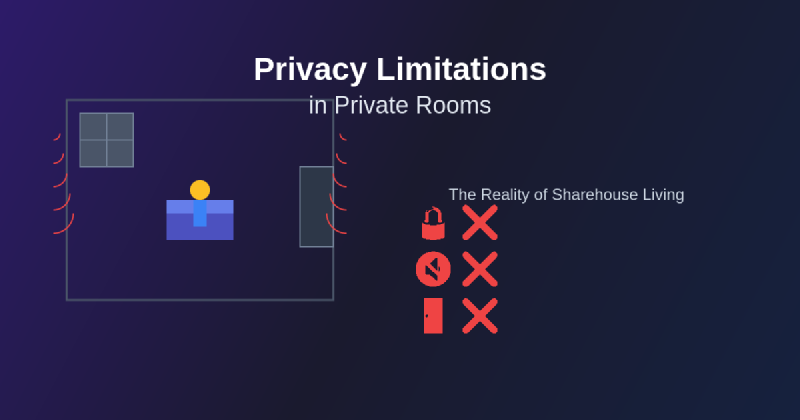
The promise of a private room in a Tokyo sharehouse creates expectations of personal sanctuary and uninterrupted solitude that often clash dramatically with the reality of shared living environments. While the term “private room” suggests complete autonomy and isolation when desired, the architectural constraints, cultural dynamics, and operational realities of sharehouse living create numerous limitations that can surprise and frustrate residents who assume their rented space provides the same privacy levels as independent apartments.
Understanding these privacy limitations before committing to sharehouse living helps set realistic expectations and enables better preparation for the social and logistical adjustments required to maintain personal boundaries and mental well-being within shared housing environments. The gap between advertised privacy and actual living conditions represents one of the most common sources of dissatisfaction among international residents who underestimate the pervasive nature of community living.
Architectural Constraints and Building Design
The fundamental architecture of most Tokyo sharehouses prioritizes space efficiency and cost optimization over privacy considerations, resulting in building designs that inherently limit the isolation and sound dampening that residents might expect from private accommodation. Many sharehouses occupy converted apartments, office buildings, or older residential structures that were never designed to accommodate multiple independent living units with adequate privacy barriers.
Wall thickness and sound insulation in typical sharehouse buildings often prove insufficient to block normal conversation, phone calls, music, or daily activities from adjacent rooms. Japanese sharehouse rules every foreigner should know includes noise guidelines, but architectural limitations mean that even respectful residents may inadvertently disturb neighbors through routine activities.
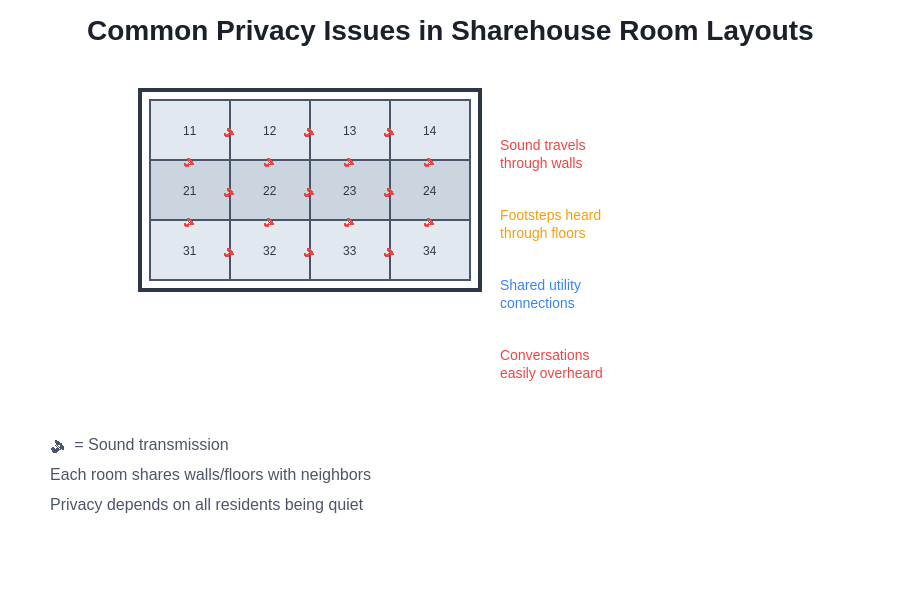
The positioning of private rooms within building layouts frequently creates situations where multiple residents share walls, floors, or ceilings, multiplying the potential sources of noise and disturbance. Corner rooms may offer slightly better isolation, but premium positioning often comes with higher rental costs that may not justify the marginal privacy improvements for budget-conscious residents.
Window placement and building orientation can create additional privacy challenges when rooms face common areas, neighboring buildings, or busy streets where activities inside private spaces become visible to others. Curtain quality and window treatments provided by sharehouse operators may not adequately address these visibility concerns, particularly in older buildings with large or poorly positioned windows.
Sound Transmission and Noise Control
The acoustic environment in sharehouses represents perhaps the most pervasive privacy limitation, as sound travels easily through walls, floors, and ceilings, making private conversations, phone calls, and personal activities audible to neighboring residents. Why noise control becomes critical for career success explores how these limitations affect professional activities and work-from-home arrangements.
Footsteps, closing doors, running water, and normal movement create constant audio reminders of nearby residents, making it impossible to forget the shared nature of the living environment even within private spaces. The cumulative effect of these sounds can create persistent stress and prevent the mental relaxation that private accommodation typically provides.
Different cultural backgrounds among residents create varying standards for acceptable noise levels and timing, leading to conflicts where some residents feel their privacy is violated while others believe they are operating within reasonable bounds. How cultural differences affect friendship building touches on these cross-cultural dynamics that impact privacy expectations.
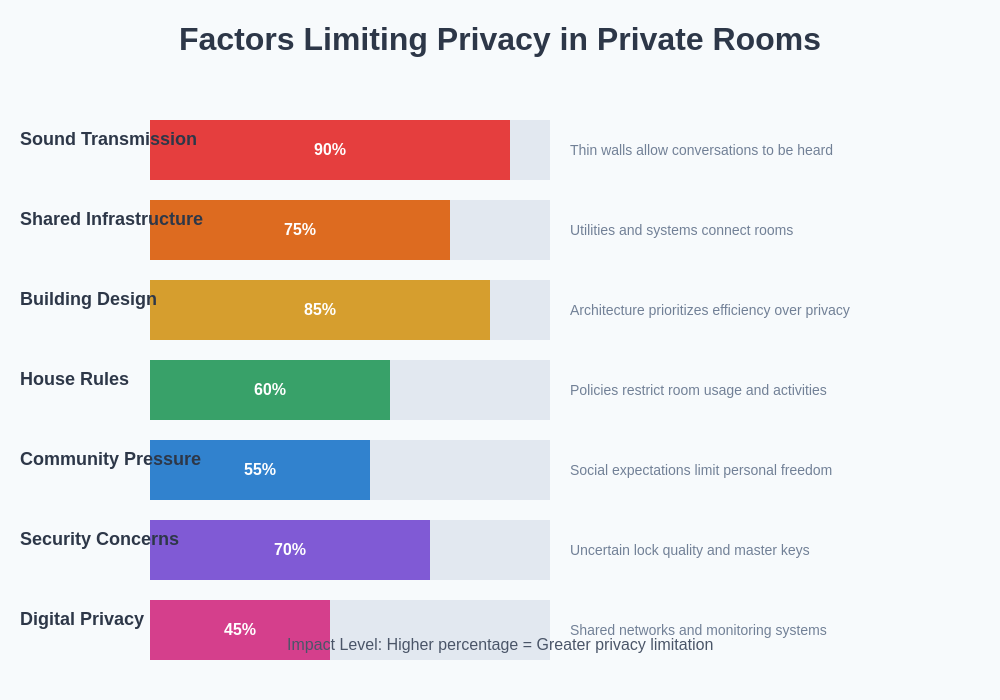
Late-night and early-morning activities become particularly problematic when sound transmission prevents residents from controlling their acoustic environment during critical rest and sleep periods. Even well-intentioned residents may create disturbances through normal activities like cooking, showering, or moving around their rooms during hours when neighbors are trying to sleep or concentrate.
Shared Infrastructure and Access Points
The integration of private rooms within shared building systems creates numerous situations where personal space boundaries become blurred through necessity and operational requirements. Utility systems, internet infrastructure, and building maintenance often require access to or through private rooms, compromising the autonomy that residents might expect from their personal spaces.
Electrical systems, plumbing, and HVAC infrastructure frequently serve multiple rooms through shared connections that can create interdependencies where one resident’s usage or problems affect neighboring units. Understanding utility bills in Japanese sharehouses explains these shared systems, but the privacy implications of interconnected infrastructure often surprise new residents.
Building maintenance, cleaning services, and management inspections may require periodic access to private rooms for legitimate operational reasons, but these intrusions can disrupt personal schedules and create anxiety about when and how private spaces might be accessed. Clear communication about access policies helps, but the fundamental reality remains that private rooms exist within managed properties with ongoing operational needs.
Emergency access requirements mean that management typically retains keys or access codes to all private rooms, creating theoretical privacy limitations even when actual intrusions are rare. How to actually get your deposit back includes information about room access policies that affect both privacy and security considerations.
House Rules and Community Policies
Sharehouse operational policies often include rules and restrictions that limit how residents can use their private spaces, creating boundaries around activities, timing, and modifications that would typically be unrestricted in independent housing. These limitations reflect the balance between individual autonomy and community harmony that defines sharehouse living.
Guest policies frequently restrict or regulate visitors to private rooms, affecting residents’ ability to host friends, romantic partners, or family members in their personal spaces. Dating while living in Tokyo sharehouses explores how these policies impact personal relationships and social life within shared housing environments.
Noise restrictions, quiet hours, and activity limitations may prohibit certain uses of private rooms during specific times, preventing residents from fully controlling their personal schedules and activities. These rules often exist for valid reasons but represent clear limitations on the autonomy typically associated with private accommodation.
Storage limitations and restrictions on personal belongings may prevent residents from fully personalizing their spaces or keeping certain items that would be normal in independent housing. Why limited storage forces you to live minimally details how these constraints affect daily life and personal expression within private rooms.
Social Dynamics and Community Expectations
The social environment of sharehouses creates informal pressure and expectations that can limit privacy even when formal rules don’t explicitly restrict certain activities or behaviors. Community dynamics often develop unwritten norms about appropriate behavior that may conflict with individual privacy preferences and personal lifestyle choices.
Residents may feel obligated to participate in house activities, maintain certain social relationships, or avoid behaviors that could create tension with housemates, effectively limiting their autonomy within private spaces. Making friends through Tokyo sharehouse communities discusses these social expectations and their impact on individual freedom.
The visibility of personal habits, schedules, and lifestyle choices through shared common areas means that maintaining complete privacy about personal life becomes impossible. Other residents inevitably observe patterns of behavior, visitor frequency, work schedules, and social activities that would remain private in independent housing situations.
Conflict avoidance and community harmony often require residents to modify their behavior, compromise on preferences, or suppress certain aspects of their lifestyle to maintain positive relationships with housemates. How to handle roommate conflicts without moving out provides strategies for managing these situations while preserving some personal autonomy.
Technology and Digital Privacy Concerns
Modern sharehouses increasingly incorporate technology systems that may impact digital privacy and create additional limitations on personal autonomy within private rooms. Internet networks, security systems, and smart home features can introduce monitoring capabilities and data collection that residents may not fully understand or consent to.
Shared internet networks often provide building operators with potential access to browsing data, bandwidth usage patterns, and connected device information that reveals personal information about residents’ digital activities and preferences. How internet data limits affect your monthly usage explains network restrictions, but privacy implications often receive less attention.
Security camera systems in common areas may capture audio or visual information about residents entering and leaving private rooms, creating records of personal schedules, visitor patterns, and daily routines. While these systems serve legitimate security purposes, they represent additional limitations on anonymity and privacy that don’t exist in independent housing.
Smart locks, digital access systems, and building automation may log entry and exit times, creating detailed records of residents’ movements and schedules that could be accessed by management or potentially compromised through data breaches. The convenience of these systems comes with privacy trade-offs that residents should understand and evaluate.
Personal Security and Belongings
The shared nature of sharehouse environments creates inherent limitations on personal security and protection of belongings that affect privacy through the constant awareness of potential theft, damage, or unwanted access to personal items. Why personal belongings disappear despite locks explores these security challenges and their impact on daily life.
Room locks and security measures in sharehouses often provide less protection than residents might expect, with master keys, shared access codes, or maintenance requirements creating multiple potential access points to private spaces. The psychological impact of uncertain security can prevent residents from feeling truly relaxed or private even within their designated rooms.
Storage limitations and shared spaces for personal belongings mean that valuable or sensitive items may need to be kept in private rooms, increasing anxiety about security and limiting the ability to fully relax about personal possessions. How to spot financial red flags in sharehouse contracts includes security considerations that affect privacy and peace of mind.
The transient nature of sharehouse populations means that residents regularly encounter new housemates whose backgrounds, intentions, and trustworthiness remain unknown, creating ongoing uncertainty about personal security and the safety of belongings left in private rooms or shared areas.
Work and Professional Privacy
The limitations of sharehouse privacy become particularly problematic for residents who need to conduct professional activities, confidential work, or sensitive communications from their private rooms. Why remote work isn’t always possible from sharehouses details how privacy limitations affect career development and professional responsibilities.
Conference calls, client meetings, and professional video communications can be disrupted or compromised by noise from adjacent rooms, shared walls, or building activities that residents cannot control. The inability to guarantee quiet, professional environments can damage career prospects and limit work-from-home opportunities.
Confidential business information, sensitive documents, and professional communications may be inadvertently exposed through thin walls, shared internet networks, or the general lack of security that characterizes shared living environments. These privacy limitations can create legal and professional liability issues for residents in certain careers or industries.
The unpredictable nature of noise, interruptions, and distractions in sharehouses makes it difficult to maintain consistent professional standards or meet client expectations for reliable communication and work quality, potentially limiting career advancement opportunities for ambitious residents.
Cultural and Personal Expression
Privacy limitations in sharehouses can restrict residents’ ability to express their cultural backgrounds, personal beliefs, or lifestyle preferences within their private spaces due to community dynamics, house rules, or practical constraints that don’t exist in independent housing situations.
Religious practices, cultural celebrations, or traditional activities may create noise, require specific timing, or involve elements that could disturb or concern other residents, leading to self-censorship or modification of important personal practices. How cultural festivals affect house activities explores these cultural accommodation challenges.
Personal hobbies, creative pursuits, or recreational activities may be restricted by noise limitations, space constraints, or community policies that prevent residents from fully enjoying their interests within their private rooms. Why some hobbies require significant space details how these limitations affect personal fulfillment and self-expression.
The constant awareness of other residents and community expectations can create pressure to maintain certain standards of behavior, appearance, or lifestyle that may conflict with authentic self-expression and personal comfort within supposedly private spaces.
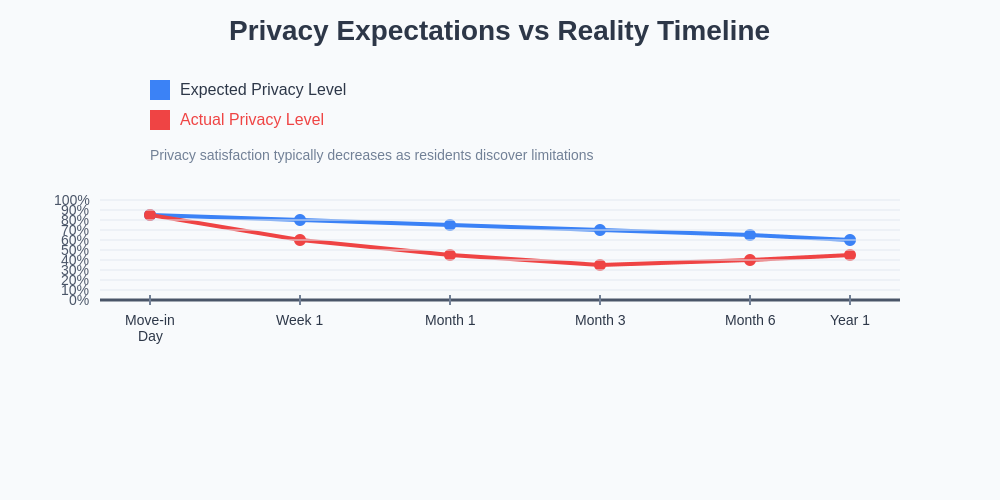
This timeline illustrates how privacy satisfaction typically declines as residents discover the various limitations that weren’t apparent during initial viewing or the first few days of residence.
Long-term Psychological Impact
The cumulative effect of limited privacy in sharehouse private rooms can create long-term stress, anxiety, and mental health challenges that residents may not initially anticipate or recognize as related to their housing situation. The constant awareness of others, inability to fully relax, and restrictions on personal autonomy can gradually erode mental well-being and life satisfaction.
Sleep quality often suffers due to noise transmission, unpredictable disturbances, and the psychological difficulty of fully relaxing in environments where complete privacy and control cannot be guaranteed. Why sleep quality suffers in shared environments explores these sleep-related privacy challenges and their health implications.
The inability to have completely private phone conversations, personal time, or intimate moments can strain relationships, increase stress levels, and create feelings of constant exposure that prevent the psychological restoration that private space typically provides. These effects may accumulate over time and affect overall life satisfaction and mental health.
Residents may develop hypervigilance about noise, behavior, and personal activities that can persist even after moving to more private accommodation, as the sharehouse experience creates lasting awareness of how personal activities might affect or be perceived by others in close proximity.
Coping Strategies and Adaptation
Successful sharehouse residents often develop sophisticated coping strategies and adaptation techniques that help manage privacy limitations while still benefiting from the community and cost advantages of shared living. Understanding and implementing these strategies can significantly improve the sharehouse experience and reduce privacy-related stress.
Noise management through headphones, white noise machines, and strategic timing of activities can help create psychological privacy even when acoustic isolation remains limited. Learning to work within noise patterns and community rhythms helps residents maintain some control over their personal environment and daily schedules.
Communication skills and boundary setting become essential tools for negotiating personal space needs while maintaining positive community relationships. Clear, respectful communication about privacy preferences and needs can help establish mutual understanding and cooperation among residents with different lifestyle preferences and cultural backgrounds.
Time management and schedule coordination can help residents identify and utilize periods of relative privacy for important activities, personal calls, or relaxation that require higher levels of solitude and quiet than the sharehouse environment typically provides throughout the day.
The reality of privacy limitations in sharehouse private rooms represents a fundamental aspect of shared living that prospective residents must understand and accept as part of the trade-offs involved in choosing community-oriented, cost-effective housing in Tokyo. While these limitations can be managed and adapted to, they remain inherent characteristics of the sharehouse experience that affect daily life, personal comfort, and long-term satisfaction with this housing choice.
Disclaimer
This article is for informational purposes only and reflects general experiences in Tokyo sharehouses. Privacy levels, house rules, and living conditions vary significantly between different properties and operators. Readers should carefully evaluate specific housing options and discuss privacy expectations with operators before making housing decisions. Individual experiences may vary based on building design, management policies, and community dynamics.