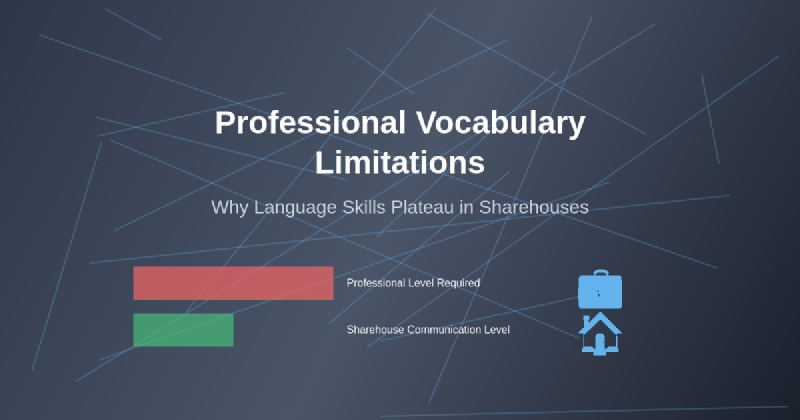
The journey of developing professional vocabulary in Japanese represents one of the most persistent challenges faced by international residents living in sharehouses throughout Tokyo and other major Japanese cities. Despite months or even years of immersion in Japanese living environments, many foreigners discover that their ability to communicate effectively in professional settings remains frustratingly limited, creating barriers to career advancement and meaningful workplace integration that extend far beyond simple language acquisition.
This vocabulary gap becomes particularly pronounced when sharehouse residents transition from casual daily conversations about household duties, social activities, and basic life necessities into complex workplace environments that demand sophisticated understanding of industry-specific terminology, formal business communication protocols, and nuanced cultural expressions that rarely surface in typical sharehouse interactions.
The Sharehouse Communication Bubble
Living in sharehouses creates an inadvertent linguistic comfort zone that, while beneficial for basic Japanese acquisition and social integration, inadvertently limits exposure to the specialized vocabulary and communication patterns essential for professional success. How language barriers prevent deep friendships demonstrates how even social interactions within sharehouses tend to gravitate toward simplified communication patterns that prioritize mutual understanding over linguistic sophistication.
The daily conversations that dominate sharehouse life typically revolve around immediate practical concerns such as cleaning schedules, grocery shopping coordination, utility bill discussions, and social event planning. These interactions, while valuable for developing conversational fluency and cultural understanding, rarely venture into the complex terminology and formal language structures that characterize professional Japanese communication in corporate, academic, or specialized industry contexts.
Most international residents find themselves trapped in a cycle where their Japanese language skills plateau at a level sufficient for managing daily life but inadequate for navigating the intricate demands of professional environments. Living with Japanese roommates in Tokyo sharehouses often involves Japanese speakers who unconsciously adjust their language complexity to accommodate foreign housemates, further reinforcing this limitation.
Workplace Vocabulary Complexity and Cultural Context
The professional Japanese language encompasses multiple layers of complexity that extend far beyond basic vocabulary acquisition, incorporating hierarchical speech patterns, industry-specific jargon, cultural references, and contextual nuances that require extensive exposure to professional environments to fully comprehend and appropriately utilize in workplace communications.
Technical terminology in fields such as finance, technology, healthcare, education, and government administration often derives from English loanwords that have been adapted into Japanese phonetic systems, creating false cognates that mislead foreign speakers into assuming comprehension while missing critical nuances in meaning, usage, and appropriate contextual application that can lead to significant professional misunderstandings.
The keigo system of honorific language presents additional challenges that rarely emerge in casual sharehouse conversations but become absolutely essential in professional settings, where inappropriate speech levels can undermine credibility, damage relationships, and limit career advancement opportunities regardless of technical competence or professional qualifications in other areas.
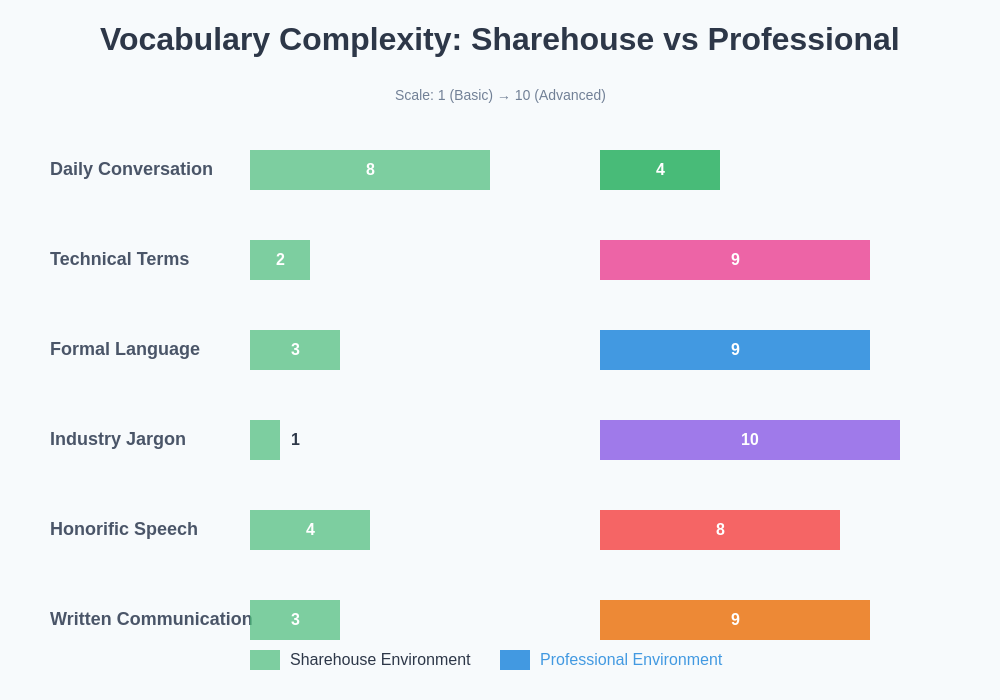
How cultural differences affect friendship building highlights how even well-intentioned Japanese colleagues and supervisors may avoid using complex professional vocabulary when communicating with foreign employees, inadvertently perpetuating the vocabulary gap while attempting to facilitate communication and workplace harmony.
Limited Professional Exposure in Sharehouse Environments
The demographic composition of most Tokyo sharehouses skews heavily toward students, language learners, short-term visitors, and entry-level professionals who themselves may lack extensive exposure to sophisticated professional vocabulary, creating an environment where advanced business communication rarely occurs naturally or receives adequate practice and refinement through daily interactions.
Even when sharehouses include established professionals among their residents, the social dynamics of shared living typically encourage casual, relaxed communication that deliberately avoids the formal structures and complex terminology associated with workplace interactions, as residents seek to maintain harmonious living relationships rather than replicate professional hierarchies and communication patterns.
The evening and weekend schedules that characterize most sharehouse social interactions occur during periods when residents are specifically seeking respite from professional demands, making conversations about work-related topics feel intrusive or inappropriate, further limiting opportunities for professional vocabulary development through organic social exchange and peer learning.
How professional development requires quiet study time becomes particularly challenging when sharehouses prioritize social interaction and community building over individual academic or professional advancement, creating environments that may inadvertently discourage the intensive study required for sophisticated vocabulary acquisition.
Educational and Media Consumption Patterns
The entertainment and educational content consumed by typical sharehouse residents tends toward popular culture, social media, casual news consumption, and entertainment programming that rarely exposes viewers to the sophisticated professional vocabulary encountered in business publications, academic journals, industry conferences, and specialized professional development materials.
Television dramas, anime, social media content, and casual news programming typically employ simplified vocabulary and colloquial expressions designed for general audiences, providing limited exposure to the technical terminology, formal language structures, and industry-specific concepts that characterize professional communication in specialized fields and advanced career positions.
How academic pressure varies by nationality influences the types of educational content and professional development resources that international residents prioritize, with many focusing on survival Japanese and social integration rather than advanced professional vocabulary acquisition that requires sustained commitment and specialized study materials.
The tendency to consume English-language professional content, attend international business events, and maintain professional networks primarily in English further reduces exposure to Japanese professional vocabulary while providing a convenient alternative that may seem more immediately practical for career advancement in international organizations or foreign companies operating in Japan.
Networking and Professional Development Limitations
Professional networking opportunities in Japan often require sophisticated understanding of business etiquette, formal communication protocols, and industry-specific vocabulary that international residents struggle to acquire through sharehouse living experiences alone, creating barriers to accessing the professional development opportunities essential for vocabulary expansion and career advancement.
Industry conferences, professional association meetings, business seminars, and workplace training programs typically assume participants possess fundamental professional vocabulary and communication skills that allow meaningful participation in discussions, presentations, and networking activities that could otherwise provide valuable learning opportunities and vocabulary development experiences.
How networking abilities improve through diverse contacts becomes significantly more challenging when language limitations prevent meaningful professional relationship building and limit participation in the conversations and activities that characterize successful professional networking in Japanese business environments.
The tendency for international professionals in Japan to gravitate toward English-speaking professional communities and international business networks, while providing immediate career benefits, further reduces opportunities for Japanese professional vocabulary development and limits long-term integration into domestic professional environments and career advancement opportunities.
Industry-Specific Terminology and Specialization
Different professional fields in Japan maintain distinct vocabularies, communication patterns, and cultural practices that require specialized knowledge and extended exposure to master effectively, making general Japanese language proficiency insufficient for achieving professional competence in specialized industries or advanced career positions.
The medical field, legal profession, academic institutions, government agencies, financial services, and technology companies each maintain unique terminologies, procedural language, and communication protocols that international residents rarely encounter in general language learning contexts or casual sharehouse conversations.
How career changes affect sharehouse eligibility often relates to professionals’ inability to demonstrate adequate language skills for advanced positions, creating cycles where career limitations perpetuate language limitations and prevent access to the professional experiences that could facilitate vocabulary development and career advancement.
Manufacturing industries, service sectors, creative fields, and entrepreneurial environments each present distinct vocabulary challenges that require targeted learning approaches and sustained exposure to industry-specific contexts that sharehouse living typically cannot provide without deliberate supplemental education and professional development efforts.
Digital Communication and Technology Barriers
Modern professional communication in Japan increasingly relies on digital platforms, specialized software applications, and technology-mediated interactions that require understanding of interface terminology, digital etiquette protocols, and online communication patterns that differ significantly from face-to-face conversation skills developed through sharehouse living experiences.
Email communication, video conferencing, project management software, digital documentation systems, and collaborative platforms each present unique vocabulary challenges and communication protocols that international professionals must master independently, often without adequate support or training from employers who may assume greater baseline competence than actually exists.
How remote work isn’t always possible from sharehouses further complicates professional vocabulary development by limiting exposure to digital workplace communication and reducing opportunities for observational learning from Japanese colleagues’ professional communication patterns and terminology usage.
Social media platforms, professional networking sites, and digital marketing channels require sophisticated understanding of online communication culture, platform-specific vocabulary, and digital content creation skills that extend far beyond conversational Japanese abilities and require specialized study and practice to develop effectively.
Time Constraints and Learning Prioritization
The demanding schedules maintained by most international professionals working in Japan leave limited time and energy for intensive vocabulary study and professional development activities, particularly when combined with the social obligations and community participation expectations associated with sharehouse living arrangements.
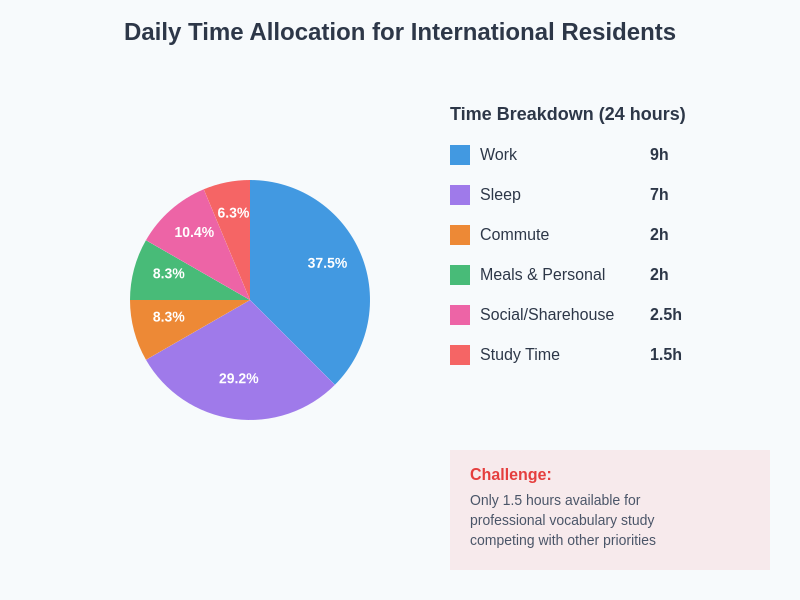
How work location should influence sharehouse choice becomes critical when commute times and workplace demands limit available time for language study and professional development activities that could address vocabulary limitations and support career advancement goals.
Evening and weekend hours that could potentially be devoted to professional vocabulary study often become consumed by sharehouse social activities, household responsibilities, personal relationships, and recreational pursuits that, while valuable for overall life satisfaction and cultural integration, compete directly with time needed for intensive language learning and professional development.
The immediate practical demands of daily work responsibilities often take precedence over long-term vocabulary development goals, creating cycles where professional limitations perpetuate themselves through inadequate investment in the sustained learning required for meaningful improvement in professional communication abilities and career advancement opportunities.
Cultural Integration Versus Professional Advancement
International residents frequently face difficult choices between prioritizing cultural integration and social harmony within their sharehouse communities versus pursuing intensive professional development activities that could enhance career prospects but might require reduced social participation and community involvement.
Making friends through Tokyo sharehouse communities provides valuable social support and cultural learning opportunities that contribute significantly to overall life satisfaction and psychological well-being but may inadvertently discourage the focused professional development activities necessary for advanced vocabulary acquisition and career advancement.
The social expectations and community dynamics within sharehouses often implicitly discourage behavior that appears antisocial, overly ambitious, or disconnected from group activities, making intensive study routines and professional development activities challenging to maintain without risking social isolation or community disapproval that could undermine overall living satisfaction and psychological health.
Balancing immediate social needs and community integration with long-term professional goals requires careful navigation of competing priorities and may necessitate difficult decisions about time allocation, social participation, and personal development activities that extend far beyond simple language learning considerations.
Strategies for Professional Vocabulary Development
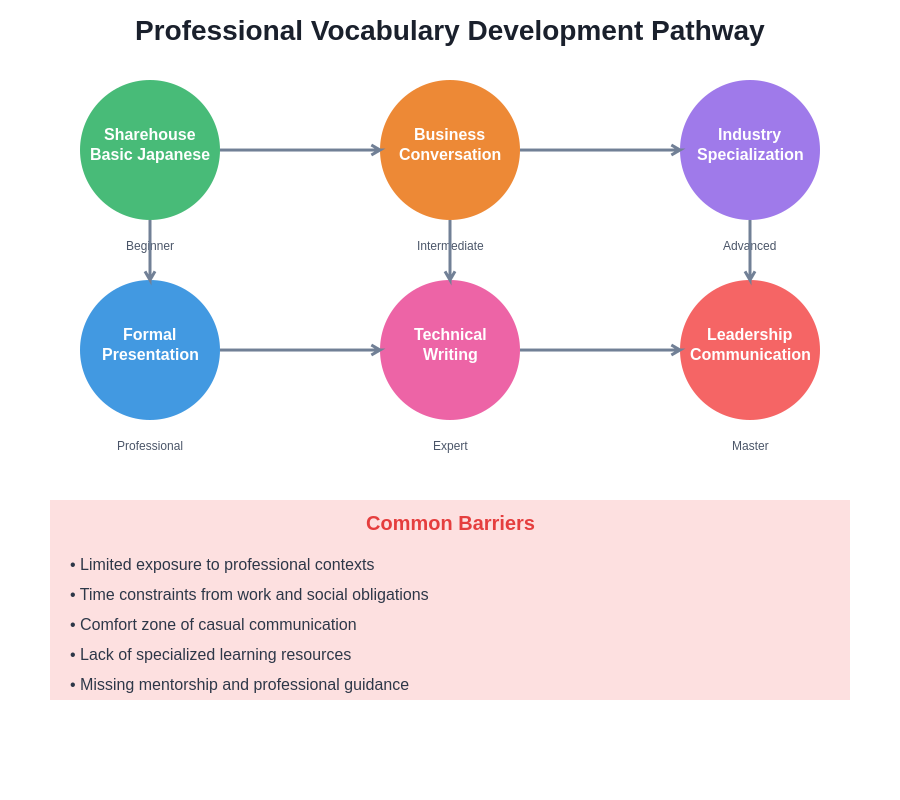
Overcoming professional vocabulary limitations while maintaining sharehouse living requires deliberate strategies that combine targeted learning approaches with practical workplace experience and systematic exposure to professional communication contexts that extend beyond typical sharehouse interactions and casual Japanese conversation practice.
Creating structured study routines that focus specifically on professional vocabulary, industry-specific terminology, and formal communication patterns helps address the gaps left by general conversation practice while providing systematic approaches to complex language acquisition that requires sustained effort and specialized learning resources.
How to budget realistically for sharehouse living should include allocation for professional development resources, language learning materials, industry publications, and networking event participation that support vocabulary development and career advancement goals alongside basic living expenses and social activities.
Seeking mentorship relationships with Japanese professionals, joining industry-specific study groups, attending professional development seminars, and actively pursuing workplace learning opportunities provides essential exposure to professional vocabulary and communication patterns while building the professional relationships necessary for career advancement and continued learning support.
Professional vocabulary limitations represent complex challenges that extend far beyond simple language learning difficulties, encompassing cultural integration, career development, time management, and lifestyle balance considerations that require sustained commitment and strategic approaches to overcome effectively while maintaining overall life satisfaction and community relationships in sharehouse environments.
Disclaimer
This article is for informational purposes only and does not constitute professional career or educational advice. Language learning experiences and professional development challenges vary significantly among individuals based on background, industry, learning style, and personal circumstances. Readers should consult with language learning professionals and career advisors when developing strategies for professional vocabulary development and career advancement in Japan.