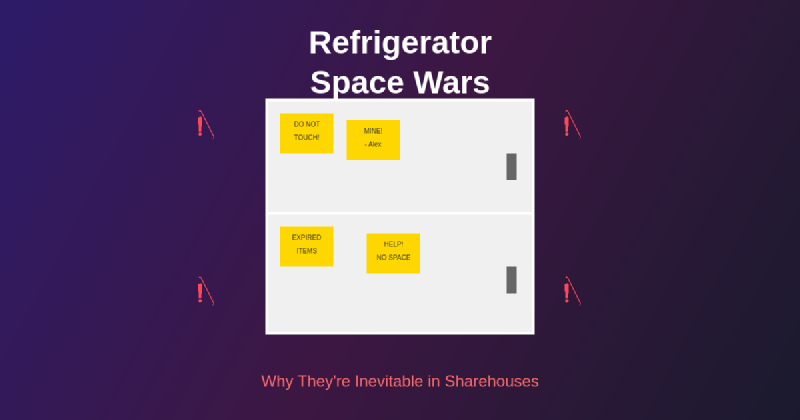
The refrigerator represents the epicenter of nearly every sharehouse conflict in Tokyo, transforming from a simple appliance into a battlefield where cultural expectations, personal habits, and territorial instincts collide with devastating regularity. This seemingly innocent white box becomes the source of passive-aggressive notes, heated arguments, and ultimately the reason many residents pack their bags and search for new accommodations. Understanding why these conflicts are not just common but mathematically inevitable reveals deep truths about human nature, cultural programming, and the fundamental incompatibility of different food cultures sharing limited space.
The universality of refrigerator wars across Tokyo sharehouses transcends nationality, age, and economic background, suggesting that the problem stems from fundamental design flaws in how shared living spaces handle food storage rather than individual character defects. Every sharehouse resident eventually faces the moment when they open the refrigerator door to find their carefully planned meal ingredients buried behind mysterious containers, expired condiments, and someone else’s week-old leftovers that nobody claims ownership of anymore.
The Mathematics of Inevitable Conflict
The mathematical reality of refrigerator sharing makes conflict absolutely unavoidable when you examine the basic spatial and temporal equations governing shared food storage. Understanding utility bills in Japanese sharehouses often overlooks the hidden costs of food waste generated by overcrowded refrigerators, but the real calculation involves space per person versus actual storage needs across different cultural eating patterns.
A standard Japanese apartment refrigerator provides approximately twelve cubic feet of storage space, which sounds adequate until you divide it among six residents with vastly different food preferences, shopping schedules, and cultural storage expectations. The reality becomes even more complicated when you factor in the different shelf-life expectations for various international cuisines, creating a complex storage ecosystem where someone’s three-day leftover curry conflicts with another person’s two-week supply of German sausages.
The temporal aspect adds another layer of complexity, as residents operate on completely different shopping and eating schedules that create predictable collision points throughout the week. Weekend grocery shoppers returning with bulk purchases encounter weekday convenience store buyers who treat the refrigerator as temporary storage, while meal preppers who cook once weekly clash with daily fresh food purchasers who expect immediate access to prime refrigerator real estate.
Cultural Food Storage Programming
The deepest conflicts arise from fundamentally different cultural programming about food storage, preservation, and consumption that residents carry from their home countries without conscious awareness of these ingrained patterns. Living with Japanese roommates in Tokyo sharehouses introduces additional complexity as Japanese residents often follow specific cultural protocols about food storage that seem arbitrary or wasteful to international residents unfamiliar with these traditions.
European residents frequently arrive with expectations of storing large quantities of dairy products, cured meats, and fermented foods that require specific temperature zones and extended storage periods. These storage patterns developed in countries with larger refrigerators and different shopping cycles, creating immediate friction when applied to compact Japanese appliances shared among multiple users with competing space requirements.
American residents often bring habits formed around processed convenience foods, bulk purchasing patterns encouraged by suburban shopping culture, and expectations of personal refrigerator sections that simply cannot translate to shared living environments. The collision between individual freezer expectations and communal storage reality creates particular tension around ice cream, frozen meals, and bulk protein storage that requires significant freezer dedication.
Asian residents from countries other than Japan may have food storage expectations that seem compatible with Japanese culture but actually create different conflicts around fermented foods, specialty sauces, and cooking ingredients that require specific storage conditions or generate strong odors that affect nearby items.
The Psychology of Food Territory
Food storage triggers primal territorial instincts that operate below conscious awareness, transforming rational adults into territorial creatures defending their assigned shelf space with the intensity of animals protecting their hunting grounds. How to handle roommate conflicts without moving out becomes essential knowledge when these territorial instincts escalate into full-scale refrigerator wars that poison house relationships and create lasting resentments.
The psychology of food security plays a crucial role in escalating refrigerator conflicts, particularly for international residents who may already feel uncertain about food availability, familiar ingredients, or cooking opportunities in their new environment. When someone’s carefully planned meals or expensive imported ingredients get displaced, contaminated, or accidentally discarded, the emotional response often exceeds the actual financial or practical impact because food represents comfort, control, and cultural connection.
Personal space invasion through food storage creates psychological stress that compounds daily living tensions in ways that affect sleep quality, social relationships, and overall life satisfaction. The refrigerator becomes a proxy battleground for larger issues around respect, consideration, and cultural accommodation that residents struggle to address directly, making food storage conflicts particularly resistant to rational resolution attempts.
The Odor Wars Dimension
Smell conflicts represent perhaps the most emotionally charged aspect of refrigerator space wars, as food odors trigger immediate visceral reactions that bypass rational thought and create lasting negative associations with specific residents or cultural cuisines. How cooking odors create cultural conflicts extends beyond cooking to storage issues that can make opening the refrigerator an unpleasant sensory experience for residents sensitive to unfamiliar food aromas.
Fermented foods, aged cheeses, pickled vegetables, and pungent sauces essential to various cultural cuisines create storage challenges that go beyond simple space allocation. These items often require sealed storage to prevent odor transfer, but many residents lack proper containers or understanding of how their food choices affect others sharing the same appliance.
Cross-contamination of flavors becomes a particular source of conflict when strong-smelling foods affect the taste of other stored items, leading to expensive food waste and frustrated residents who discover their milk tastes like kimchi or their fruit has absorbed curry aromas. These contamination incidents create lasting tensions because they feel like violations of personal property even when they result from innocent oversight rather than malicious intent.
The solution attempts often create additional problems, with residents resorting to excessive plastic wrapping, multiple containers, or aggressive labeling that makes the refrigerator look like a chemical storage facility rather than a food storage appliance. These defensive measures escalate the appearance of conflict even when residents are genuinely trying to be considerate.
Expiration Date Cultural Divides
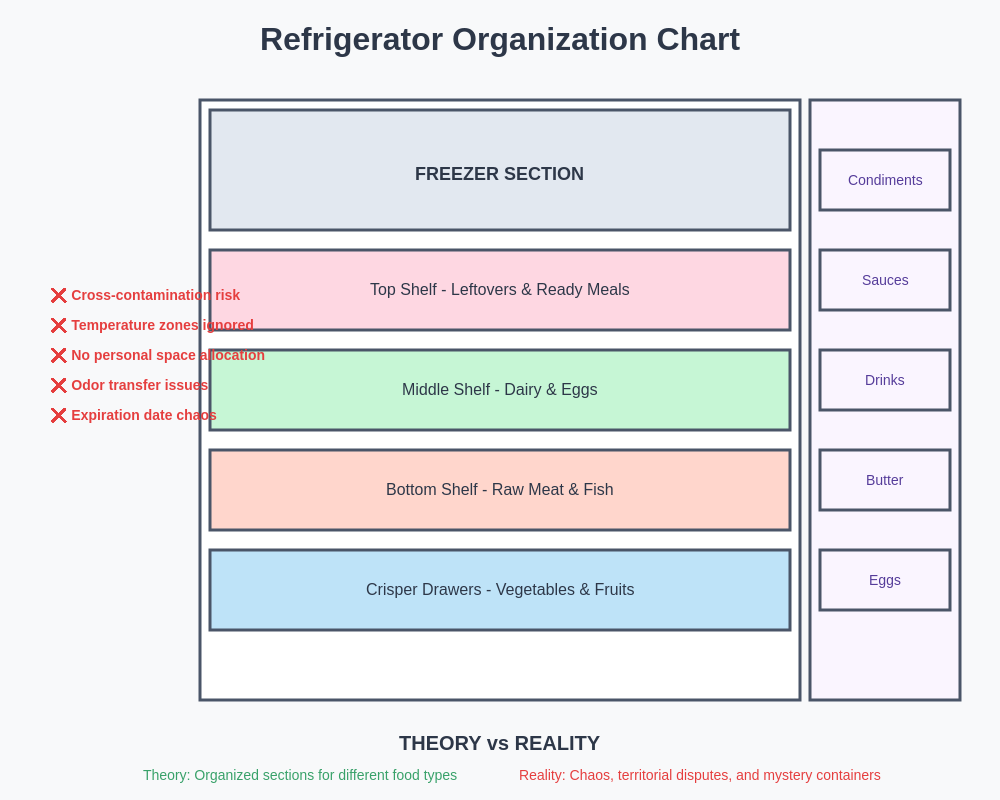
Different cultural attitudes toward food freshness, expiration dates, and leftover consumption create ongoing sources of tension that reflect deeper philosophical differences about waste, safety, and food quality standards. How expiration date monitoring becomes necessary reveals how residents from different backgrounds approach food safety with varying levels of conservatism that can seem wasteful or dangerous to housemates from different cultural traditions.
Some residents treat expiration dates as absolute deadlines that require immediate disposal, while others view these dates as cautious suggestions that allow for several additional days or weeks of safe consumption depending on the food type and storage conditions. These fundamental disagreements about food safety create impossible situations where one person’s expired food becomes another person’s perfectly acceptable meal ingredient.
The leftover lifecycle presents another cultural battleground, with some residents expecting leftovers to be consumed within twenty-four hours while others plan meal strategies around three to five-day leftover cycles that optimize cooking efficiency and minimize food waste. When these different timeline expectations collide in shared refrigerator space, the result is confusion about whether items are available for communal consumption, individual property, or expired waste awaiting disposal.
Food waste guilt operates differently across cultures, with some backgrounds emphasizing minimal waste at all costs while others prioritize food safety and freshness over waste reduction. These competing values create judgment and resentment when residents observe housemates throwing away food they consider perfectly edible or keeping food they consider dangerously expired.
The Container Wars Subplot
The secondary conflict around food storage containers adds another layer of complexity to refrigerator space wars, as different residents arrive with varying quantities and qualities of storage solutions that create subtle hierarchies and usage conflicts within the shared space. How shared shopping lists become complicated extends to container sharing arrangements that seem simple in theory but prove problematic in practice when residents have different cleanliness standards and usage patterns.
Container quality differences become sources of class and cultural tension when some residents invest in expensive glass storage systems while others rely on repurposed yogurt containers and plastic bags that take up more space and provide less protection for stored foods. The visual disparity creates unstated judgments about priorities, environmental consciousness, and respect for shared spaces that residents rarely address directly.
Container borrowing and return policies never get clearly established, leading to situations where residents find their storage containers missing during crucial meal preparation times or discover their expensive containers being used for projects they never agreed to support. The informal nature of container sharing makes these conflicts particularly difficult to resolve because establishing rules feels petty while ignoring problems creates ongoing frustration.
The washing and return timeline for borrowed containers creates additional friction points, particularly when residents have different cleanliness standards or dishwashing schedules that delay container availability for the original owner. These delays compound during busy periods when multiple residents need storage solutions simultaneously.
Shopping Schedule Collision Points
The convergence of different shopping schedules creates predictable refrigerator crisis points that turn routine grocery storage into competitive events where early arrivals claim prime space and late shoppers face impossible storage puzzles. How grocery shopping becomes more strategic becomes essential survival knowledge for residents navigating these weekly storage battles that determine meal possibilities for the coming days.
Weekend bulk shoppers returning from major grocery expeditions encounter refrigerators already packed with weekday purchases, creating space allocation problems that require complex negotiations or result in expensive food items getting stored in inappropriate conditions that affect quality and safety. The timing collision transforms storage from a simple logistical task into a strategic challenge requiring advance planning and coordination that most residents never master.
Seasonal shopping patterns add another layer of complexity, with residents adjusting their purchasing behaviors around holidays, sales cycles, and cultural food traditions that create temporary storage demands exceeding normal capacity. These periodic space crunches test house relationships and reveal underlying tensions about fairness, accommodation, and cultural sensitivity that remain hidden during normal usage periods.
Emergency shopping situations, such as unexpected guests, illness, or special occasions, disrupt established storage patterns and force residents to negotiate temporary space arrangements that expose the inadequacy of informal storage agreements and the need for more sophisticated sharing protocols.
The Enforcement Problem
Establishing and enforcing refrigerator usage rules proves nearly impossible in sharehouse environments because food storage involves such personal, cultural, and emotional elements that residents resist external regulation while simultaneously demanding that others follow unspoken standards they themselves cannot clearly articulate. Japanese sharehouse rules every foreigner should know rarely address refrigerator usage with sufficient specificity to prevent conflicts because the complexity of storage needs makes comprehensive rule-making impractical.
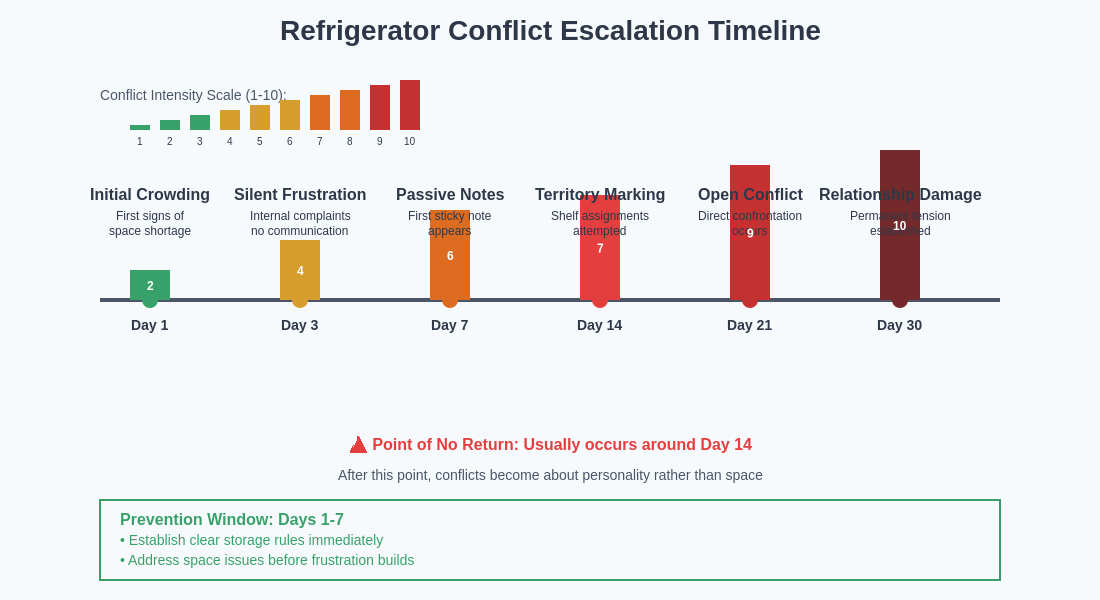
The passive-aggressive note escalation cycle begins when residents attempt to address storage problems through written communication that inevitably sounds accusatory regardless of the intended tone. These notes create defensive reactions that escalate conflicts rather than resolving them, transforming the refrigerator into a communication battleground where residents express frustrations about larger house issues through food storage complaints.
Attempting to assign specific shelves or sections to individual residents sounds logical but fails in practice because different foods require different storage zones, shopping schedules create variable storage needs, and the rigid division of space prevents efficient utilization of available refrigerator capacity. The assignment system creates additional conflicts about boundary violations and fair distribution that prove more complicated than the original space sharing problems.
Seasonal Amplification Effects
Tokyo’s distinct seasons create predictable amplification patterns for refrigerator conflicts as changing weather conditions affect food storage needs, shopping patterns, and cultural eating habits in ways that strain already inadequate storage capacity. How summer heat makes small rooms unbearable extends to food storage challenges as residents rely more heavily on refrigeration during hot periods while dealing with increased spoilage rates and greater demand for cold beverages and fresh foods.
Summer months intensify refrigerator wars as residents compete for freezer space for ice, cold drinks, and foods that require lower temperatures to remain safe in the heat. The increased electricity usage for cooling also affects utility bills, adding financial tension to the existing space allocation conflicts as residents debate the cost implications of keeping refrigerators colder or opening them more frequently.
Winter storage needs shift toward heartier foods, fermented items, and cultural comfort foods that often require more space and specific storage conditions. The seasonal dietary changes create different usage patterns that disrupt whatever fragile equilibrium residents achieved during other seasons, requiring constant readjustment of sharing arrangements and storage strategies.
Holiday seasons bring temporary but intense storage demands as residents prepare traditional foods, host guests, and participate in cultural celebrations that require ingredients and prepared foods beyond normal capacity. These periodic surges create storage crises that test house relationships and reveal the inadequacy of normal sharing arrangements for handling exceptional circumstances.
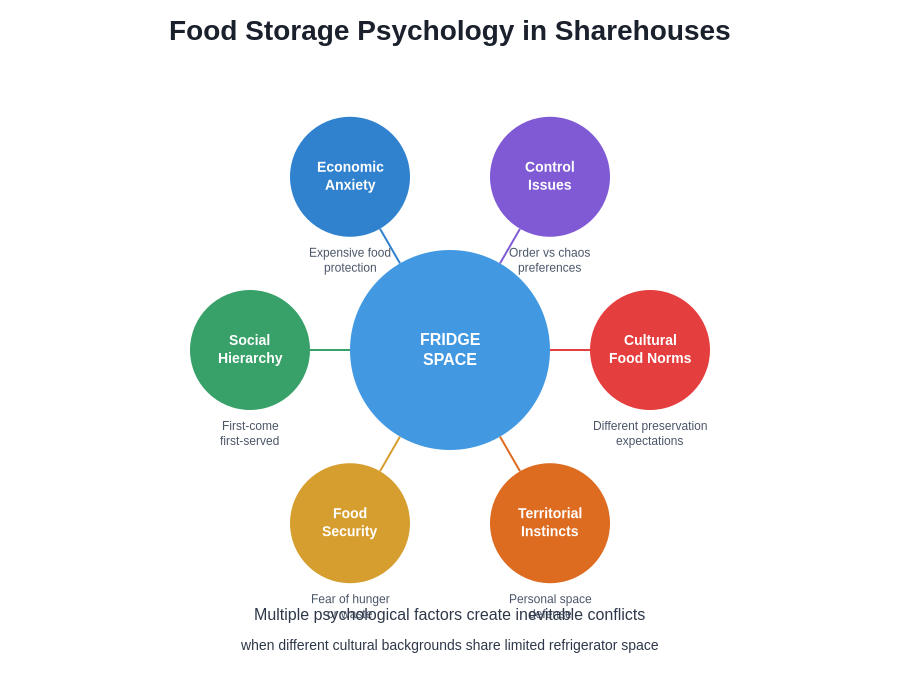
The psychological complexity of shared food storage reveals why simple organizational solutions consistently fail to address the deeper human needs and cultural programming that drive refrigerator conflicts in international sharehouse environments.
Technology Solutions That Fail
Modern technological solutions for shared food storage consistently fail to address the underlying psychological and cultural dynamics that drive refrigerator conflicts in sharehouses. Smart refrigerators, mobile apps for tracking food ownership, and digital labeling systems address symptoms rather than causes while introducing new complexity that often creates additional sources of tension between residents with different technological comfort levels.
QR code labeling systems and smartphone apps for tracking food ownership sound innovative but require universal adoption and consistent usage that proves impossible to maintain in environments where residents have varying technological sophistication, language abilities, and commitment levels to house management systems. The technology solution often becomes another source of division between early adopters and traditional residents.
Temperature monitoring and energy usage tracking provide data about refrigerator efficiency but do nothing to address the fundamental space allocation and cultural usage conflicts that create the majority of refrigerator-related tensions. The technological approach often appeals to residents who prefer mechanical solutions over interpersonal communication, creating additional resistance from residents who view the tech installation as avoiding necessary social negotiation.
Long-term Relationship Damage
Refrigerator conflicts create lasting damage to house relationships because food storage involves daily interactions that constantly reinforce negative associations and resentments even after specific incidents get resolved. Making friends through Tokyo sharehouse communities becomes significantly more challenging when residents associate housemates with food storage frustrations that color every subsequent interaction with suspicion and defensiveness.
The cumulative effect of small refrigerator irritations builds into major relationship problems that affect all aspects of shared living, from communication patterns to social event participation to willingness to accommodate housemates in other areas of house life. These refrigerator-based resentments often become the underlying reason residents choose to move out even when they cite other factors as their primary motivation.
Recovery from serious refrigerator conflicts requires acknowledging the deeper cultural and psychological elements involved rather than treating them as simple logistical problems with organizational solutions. The repair process often proves more difficult than finding new housing, which explains why refrigerator wars contribute significantly to the high turnover rates in many Tokyo sharehouses.
Prevention Through Design Recognition
Understanding that refrigerator space wars are inevitable helps residents and house managers develop more realistic expectations and proactive strategies rather than hoping that mature adults will somehow naturally coordinate complex food storage needs across cultural boundaries. How to find the perfect sharehouse in Tokyo should include refrigerator capacity and storage arrangements as primary evaluation criteria rather than afterthoughts in the decision process.
Accepting the mathematical inevitability of storage conflicts allows residents to focus on damage limitation and conflict resolution strategies rather than prevention efforts that consistently fail because they ignore the fundamental mismatch between storage capacity and actual usage needs. This realistic approach reduces the emotional intensity of conflicts by framing them as predictable challenges rather than personal failures or character defects.
The most successful sharehouses acknowledge refrigerator limitations upfront and develop house cultures that normalize storage discussions, accommodate different food cultures, and maintain flexibility around storage arrangements rather than pretending that informal coordination will somehow solve complex logistical and cultural challenges. These houses experience the same storage pressures but handle conflicts more constructively because residents expect difficulties rather than being shocked when problems arise.
Refrigerator space wars represent a microcosm of the broader challenges inherent in international shared living, where well-intentioned people with different cultural programming attempt to coordinate intimate daily activities without sufficient communication skills, cultural knowledge, or structural support systems. Understanding these conflicts as inevitable rather than avoidable helps residents develop resilience, empathy, and realistic expectations that can transform potentially house-destroying tensions into opportunities for cultural learning and creative problem-solving that strengthen rather than divide residential communities.
Disclaimer
This article is for informational purposes only and reflects common experiences in Tokyo sharehouses. Individual situations may vary, and residents should address storage conflicts through direct communication and house management when possible. The strategies mentioned may not apply to all cultural contexts or house arrangements, and readers should consider their specific circumstances when implementing conflict resolution approaches.