Religious considerations fundamentally shape the daily routines of countless individuals living in Tokyo sharehouses, creating complex intersections between personal faith practices and communal living arrangements. The multicultural nature of international sharehouse communities brings together residents from diverse religious backgrounds, each carrying distinct observances, dietary requirements, and spiritual practices that significantly influence their daily schedules, social interactions, and use of shared spaces. Understanding these religious dynamics becomes essential for creating harmonious living environments where all residents can practice their faith while respecting the beliefs and routines of others.
The intersection of religion and daily life in sharehouses extends far beyond personal prayer times and dietary choices, encompassing everything from weekly worship schedules that affect transportation needs to religious holidays that transform house dynamics for days or weeks at a time. Living with Japanese roommates in Tokyo sharehouses often introduces additional layers of cultural and religious complexity, as residents navigate between their own faith traditions and Japanese cultural norms that may influence house rules and social expectations.
Understanding Religious Diversity in Tokyo Sharehouses
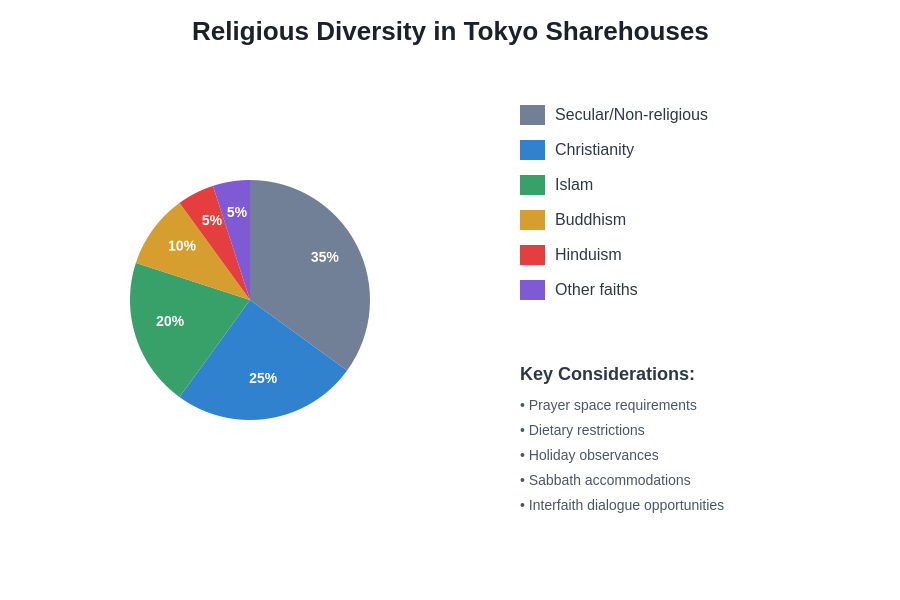
Tokyo’s international sharehouse communities represent remarkable religious diversity, bringing together Muslims, Christians, Buddhists, Hindus, Sikhs, Jews, and practitioners of various other faiths alongside secular residents who may have never encountered such religious variety in their daily lives. Each religious tradition carries specific requirements and preferences that affect virtually every aspect of daily living, from wake-up times for morning prayers to evening routines that accommodate different spiritual practices.
The concentration of international residents in certain Tokyo neighborhoods means that some sharehouses develop particular religious demographics based on proximity to mosques, churches, temples, or religious schools. Best Tokyo neighborhoods for sharehouse living often correlate with areas that offer religious infrastructure and services that support diverse faith communities, creating clusters of residents with similar spiritual needs and practices.
Religious observance levels vary dramatically even within the same faith tradition, with some residents maintaining strict adherence to traditional practices while others adopt more flexible approaches that accommodate the realities of international living and work schedules. This spectrum of religious commitment creates additional complexity in understanding how faith influences daily routines and house dynamics.
The seasonal nature of many religious observances means that sharehouse dynamics shift throughout the year as different communities celebrate major holidays, observe fasting periods, or participate in intensive spiritual practices that require modified daily schedules and increased use of common areas for religious activities.
Prayer Times and Daily Schedule Coordination
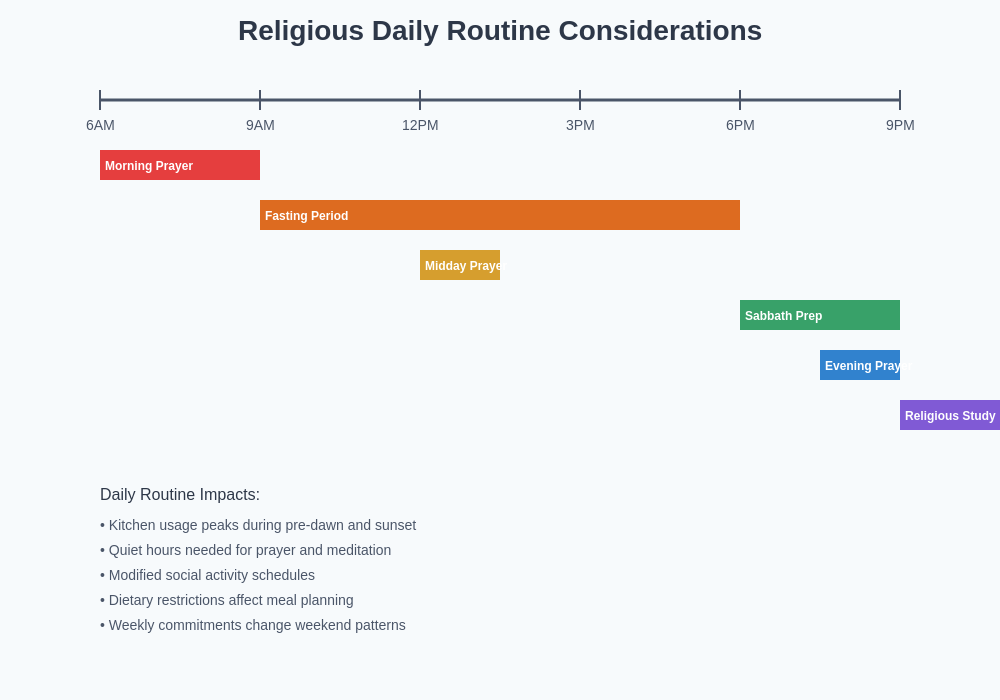
Religious prayer schedules represent one of the most visible ways that faith affects daily routines in sharehouses, with many residents organizing their entire day around specific prayer times that may conflict with typical work, study, or social schedules. Muslim residents following the five daily prayers face particularly complex scheduling challenges, especially during Ramadan when prayer times shift with the lunar calendar and fasting requirements alter meal timing throughout the house.
Early morning prayers often require residents to wake before dawn, potentially creating noise concerns in shared living spaces where thin walls and close quarters amplify even quiet movements and whispered prayers. How noise control becomes critical for career success extends beyond work considerations to include respectful accommodation of religious practices that may occur during traditionally quiet hours.
The need for clean, quiet spaces for prayer can strain sharehouse common areas during peak usage times, particularly when multiple residents require privacy for spiritual practices that coincide with busy kitchen periods or social gatherings. Some residents invest in prayer rugs and portable screens to create temporary sacred spaces in their private rooms, while others coordinate with housemates to reserve common areas during specific times.
Evening prayers and meditation practices often conflict with social activities, television viewing, or study groups that typically occur in common areas during after-work hours. Successful sharehouses develop informal protocols that balance religious needs with social activities, often through communication and scheduling coordination that respects both spiritual practices and community engagement.
Dietary Requirements and Kitchen Dynamics
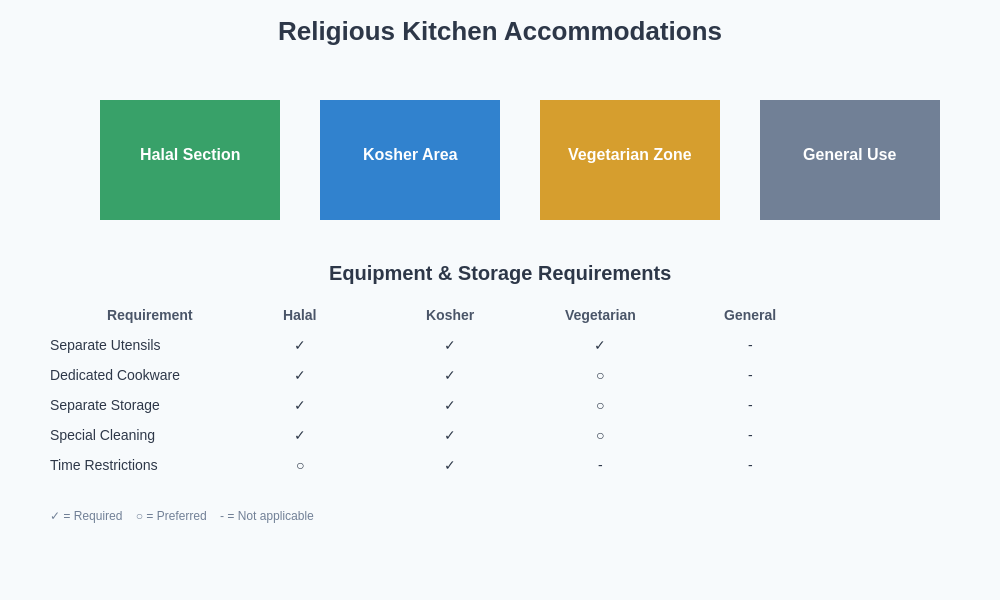
Religious dietary laws create some of the most complex and ongoing challenges in sharehouse living, affecting everything from grocery shopping coordination to cooking schedules and kitchen equipment usage. Kitchen politics actually work in Japanese sharehouses become significantly more complicated when residents maintain halal, kosher, vegetarian, or other religiously-mandated dietary restrictions that require separate cooking utensils, storage areas, and food preparation spaces.
Halal dietary requirements affect not only the types of food that Muslim residents can consume but also the preparation methods, cooking surfaces, and utensils that come into contact with their meals. Many sharehouses struggle to accommodate these needs without creating separate kitchen systems that effectively segregate cooking spaces and increase conflicts over access and cleanliness responsibilities.
Kosher observance presents additional complexity through requirements for separate meat and dairy preparation areas, specific supervision standards, and Sabbath restrictions that prevent cooking or cleaning activities during specific time periods. How food storage rules impact your eating habits become particularly important when residents need dedicated refrigerator and pantry space for religiously compliant foods that cannot be contaminated through contact with prohibited items.
Vegetarian and vegan diets maintained for religious reasons often require residents to ensure that their cooking surfaces and utensils remain free from animal products, creating ongoing vigilance around shared kitchen equipment and cleaning protocols. The cost implications of maintaining separate cooking equipment and specialty food items can strain individual budgets while creating pressure for group purchasing arrangements that may exclude residents with different dietary needs.
Religious Holidays and Community Dynamics
Religious holiday observances dramatically alter sharehouse routines and social dynamics, often for extended periods that require significant accommodation and understanding from residents of different faith backgrounds. How cultural festivals affect house activities demonstrates how religious celebrations can transform shared living spaces and create new opportunities for cultural exchange while also generating potential conflicts over noise, space usage, and participation expectations.
Ramadan creates month-long changes in Muslim residents’ daily schedules, with pre-dawn meals requiring early morning kitchen access and evening break-fast gatherings that may involve extended cooking periods and social activities during times when other residents prefer quiet study or relaxation. The fasting requirements mean that Muslim residents avoid food and drink during daylight hours, potentially creating awkwardness around shared meal times and social eating activities that form important bonding experiences in many sharehouses.
Christmas celebrations bring their own complexities, particularly in sharehouses with significant Christian populations who may want to decorate common areas, host gatherings, or play religious music during a season that holds no special significance for residents of other faiths. How cultural differences impact holiday celebrations explores how these seasonal changes affect house dynamics and require negotiation around shared space usage and cultural sensitivity.
Diwali, Chinese New Year, Eid celebrations, and other major religious holidays often involve specific food preparations, decorations, and social gatherings that require advance planning and consideration for residents who may not participate in or understand the significance of these observances. The frequency of religious holidays throughout the year means that sharehouses with diverse populations experience regular disruptions to normal routines that require ongoing flexibility and communication.
Sabbath Observances and Weekly Routine Adjustments
Weekly Sabbath observances create regular disruptions to standard sharehouse routines, particularly for Jewish residents who observe Saturday restrictions on work, electricity usage, and travel that can affect house cleaning schedules, social activities, and transportation coordination. How cleaning responsibilities create house drama becomes more complex when religious observances prevent some residents from participating in weekend cleaning activities or using certain equipment during Sabbath hours.
Christian residents who prioritize Sunday church attendance may require modified social activity schedules or transportation arrangements that accommodate their weekly worship commitments, particularly in areas of Tokyo where churches are not easily accessible through public transportation. The timing of religious services often conflicts with popular weekend activities or house events that bring residents together for social bonding and community building.
The preparation required for Sabbath observances often begins hours before the actual religious period, affecting Friday evening activities and requiring advance meal preparation that may increase kitchen usage during peak cooking times. Some residents invest in Sabbath timers, hot plates, and other equipment that allows them to maintain religious observances while minimizing impact on shared utilities and house systems.
The social isolation that can result from regular religious observances requires intentional community building efforts to ensure that observant residents remain integrated into house social activities and friendship networks despite their inability to participate in certain weekend activities or evening events that conflict with religious requirements.
Fasting Periods and Communal Eating Patterns
Religious fasting periods create significant changes in sharehouse meal patterns and social dynamics, affecting everything from grocery shopping schedules to social eating activities that often serve as important community bonding experiences. How meal timing affects kitchen access becomes particularly challenging during Ramadan, Lent, or other fasting periods when some residents maintain completely different eating schedules that may conflict with normal kitchen usage patterns.
The physical and emotional effects of fasting can influence residents’ participation in house activities, social interactions, and conflict resolution processes during religious observance periods. Understanding these temporary changes in behavior and energy levels helps prevent misunderstandings and supports community harmony during spiritually significant times.
Iftar meals during Ramadan often involve elaborate preparation and social gathering that require extended kitchen access and common area usage during evening hours when other residents may prefer quiet activities or study time. The timing of these meals shifts throughout the month based on sunset times, creating changing schedules that require ongoing accommodation and flexibility from all house residents.
Some fasting periods involve complete dietary changes that affect grocery shopping patterns, food storage needs, and cooking equipment requirements in ways that impact all house residents even if they do not participate in the religious observance themselves. The temporary nature of many fasting periods means that sharehouses must accommodate significant routine changes while maintaining normal operations for non-participating residents.
Religious Dress Codes and Shared Space Considerations
Religious dress requirements affect how residents use shared spaces, particularly bathrooms, common areas, and outdoor spaces where modesty requirements may conflict with typical casual living arrangements found in many sharehouses. How personal space boundaries are constantly tested becomes more complex when religious modesty requirements create specific needs for privacy and appropriate dress in areas where other residents may prefer more casual clothing standards.
Head covering requirements for some religious traditions create considerations around bathroom scheduling, hair care routines, and participation in activities like swimming or sports that may conflict with modesty requirements. The need for privacy during religious dress preparation can strain bathroom access during busy morning and evening periods when multiple residents compete for limited facilities.
Religious jewelry, symbols, and clothing items require appropriate storage and care that may affect closet space usage and laundry schedules, particularly for items that require special cleaning procedures or cannot be mixed with other clothing during washing cycles. How clothing storage changes with seasons becomes more complicated when religious requirements prevent sharing storage solutions or combining laundry loads.
The social aspects of religious dress can create both opportunities for cultural education and potential sources of misunderstanding when residents from secular backgrounds encounter unfamiliar religious practices or make assumptions about the motivations and restrictions associated with religious clothing requirements.
Religious Education and Study Requirements
Many religious traditions include ongoing education and study requirements that affect residents’ daily and weekly schedules, often requiring quiet spaces, specific times for learning activities, and participation in community study groups that may involve hosting activities in sharehouse common areas. How study materials take over shared spaces can become particularly relevant when religious study requires extensive books, materials, and group activities that compete with secular academic needs.
Religious language learning represents a significant time commitment for many residents who must maintain proficiency in Arabic, Hebrew, Sanskrit, or other liturgical languages that require regular practice and study time that may conflict with work, academic, or social schedules. The need for quiet, focused study time for religious texts often coincides with popular social hours in sharehouses, requiring coordination and compromise around common area usage.
Community religious education often involves hosting study groups, religious discussions, or preparation sessions for religious observances that require advance planning and consideration for residents who may not share the same faith traditions. How religious education requires quiet spaces affects house dynamics when these activities conflict with entertainment, social gatherings, or other community activities.
The commitment required for religious education can affect residents’ availability for house activities, social events, and shared responsibilities in ways that require understanding and accommodation from other community members who may not understand the importance of these spiritual learning requirements.
Interfaith Relationships and Social Dynamics
Religious diversity in sharehouses creates unique opportunities for interfaith dialogue and cultural exchange while also generating potential conflicts around differing beliefs, practices, and social expectations that can strain community relationships. How cultural differences affect friendship building becomes more complex when religious beliefs influence social activities, lifestyle choices, and moral perspectives that affect daily interactions and long-term compatibility.
Dating and romantic relationships between residents of different faith backgrounds can create house tension when religious requirements conflict with relationship practices, social activities, or family expectations that extend beyond individual resident preferences. Dating while living in Tokyo sharehouses involves additional complexity when religious considerations affect partner selection, social activities, and long-term relationship planning.
Religious conversion, spiritual exploration, and changing faith commitments can dramatically alter residents’ daily routines and house relationships in ways that require sensitivity and adaptation from long-term community members who may have established relationships based on previous religious practices or secular orientations.
The seasonal and cyclical nature of religious observances means that interfaith relationships in sharehouses must navigate periods of intensive religious activity alternating with more secular social periods, requiring ongoing communication and flexibility to maintain community harmony throughout various religious calendars and observance periods.
Financial Implications of Religious Observance
Religious observance often carries significant financial implications that affect residents’ ability to participate in shared expenses, social activities, and house maintenance responsibilities while also creating additional costs for specialty foods, religious materials, and transportation to religious services. How to budget realistically for sharehouse living must account for religious requirements that may increase living costs or limit earning opportunities during religious observance periods.
Charitable giving requirements in many religious traditions affect residents’ disposable income and ability to participate in house social activities, entertainment expenses, or optional house improvements that require financial contributions from all residents. The timing of religious charitable obligations often coincides with seasonal religious observances that may already strain residents’ budgets through special food requirements, gifts, or travel expenses.
Religious dietary requirements typically increase food costs significantly, particularly for halal, kosher, or specialty vegetarian products that may cost substantially more than conventional alternatives available in standard Japanese grocery stores. Group buying power reduces individual costs becomes more complex when religious requirements prevent residents from participating in bulk purchasing arrangements or sharing food costs.
Transportation costs to religious services, particularly for faiths with limited facilities in Tokyo, can represent significant monthly expenses that affect residents’ overall housing budgets and social activity participation. The frequency of religious service attendance, religious education classes, and community religious events creates ongoing transportation costs that may limit residents’ flexibility in other budget areas.
Long-term Community Building and Religious Integration
Successful integration of religious considerations into sharehouse communities requires intentional community building efforts that respect diverse spiritual needs while creating inclusive social environments where all residents can participate in community life regardless of their faith background or level of religious observance. Making friends through Tokyo sharehouse communities depends heavily on finding common ground and shared activities that transcend religious differences while respecting individual spiritual requirements.
The development of house policies and informal protocols around religious accommodation often evolves through trial and error as residents encounter new situations and learn to navigate the complex intersection of personal faith practices and communal living requirements. Successful sharehouses develop flexible approaches that accommodate religious needs while maintaining fairness and community cohesion for all residents regardless of their spiritual orientation.
Educational opportunities for residents to learn about different religious traditions can strengthen community bonds and prevent misunderstandings while creating appreciation for the diversity that enriches international sharehouse experiences. How cultural sensitivity develops through daily interaction demonstrates how religious diversity can enhance cross-cultural understanding when approached with openness and respect.
The long-term success of religiously diverse sharehouses depends on creating environments where spiritual practices are respected and accommodated while preventing any single religious tradition from dominating house culture or creating exclusive social dynamics that marginalize residents of different faith backgrounds or secular orientations.
Understanding how religious considerations affect daily routines in Tokyo sharehouses represents a crucial aspect of successful international living that requires ongoing patience, communication, and cultural sensitivity from all community members. The richness of religious diversity in these communities offers unprecedented opportunities for spiritual growth, cultural education, and interfaith understanding while creating practical challenges that require creative solutions and mutual respect. Success in navigating these religious dynamics ultimately depends on recognizing that spiritual practices represent fundamental aspects of many residents’ identities that deserve accommodation and respect within the broader framework of harmonious community living.
Disclaimer
This article is for informational purposes only and does not constitute religious advice or guidance. Religious practices and requirements vary significantly within traditions and among individuals. Readers should consult with appropriate religious authorities for specific guidance regarding religious observances. The information provided reflects general observations about religious diversity in international living situations and should not be considered comprehensive or applicable to all situations or religious traditions.