Rent increases in Tokyo sharehouses represent one of the most financially disruptive challenges that international residents face during their stay in Japan. The sudden announcement of higher monthly payments can devastate carefully planned budgets and force difficult decisions about housing stability, career choices, and long-term life plans. Understanding why these increases occur with little advance notice requires examining the complex interplay of Japanese real estate law, market dynamics, and sharehouse business models that prioritize operator flexibility over resident financial security.
The shock of unexpected rent increases affects thousands of sharehouse residents annually, particularly during economic uncertainty periods when operators seek to maintain profit margins through rapid cost adjustments. This systemic issue stems from legal frameworks that provide minimal protection for short-term residents, combined with business practices that treat housing as a flexible commodity rather than a stable necessity for international communities building lives in Japan.
The Legal Framework Behind Sudden Rent Changes
Japanese rental law creates a complex environment where sharehouse operators possess significantly more flexibility to adjust pricing compared to traditional apartment landlords, largely due to the classification differences between standard rental agreements and sharehouse licensing arrangements. Most sharehouses operate under business licenses rather than residential rental contracts, providing operators with enhanced pricing control that bypasses many tenant protection mechanisms designed for conventional housing arrangements.
The distinction between “teiki shakuya” (fixed-term tenancy) and regular rental contracts becomes crucial in understanding why rent increases can occur with minimal notice periods. Understanding utility bills in Japanese sharehouses often reveals how operators structure agreements to maintain maximum pricing flexibility while minimizing legal obligations to residents facing financial hardship from sudden changes.
Sharehouse agreements frequently include broad language allowing for rent adjustments based on “market conditions,” “operational costs,” or “facility improvements” without requiring specific justification or extensive advance notice. These contractual provisions create legal foundations for operators to implement rapid price changes that would be much more difficult to enforce in traditional apartment rental relationships.
The enforcement mechanisms for rent increase disputes in sharehouses remain limited compared to apartment tenant rights, with many residents lacking access to affordable legal representation or clear understanding of their protection options under Japanese housing law. This legal asymmetry creates environments where operators can implement pricing strategies that prioritize business flexibility over resident financial stability.
Market Dynamics and Economic Pressures
Tokyo’s sharehouse market operates within broader economic pressures that create incentives for operators to implement rapid rent adjustments as responses to changing costs, demand patterns, and competitive positioning within the international housing sector. Rising property values, increased maintenance costs, and fluctuating utility expenses create ongoing financial pressures that operators often transfer directly to residents through rent increases rather than absorbing into business operations.
The seasonal nature of international resident demand creates pricing opportunities that many operators exploit through strategic rent increases during peak periods when alternative housing options become scarce. How seasonal demand affects sharehouse prices demonstrates how operators time rent increases to coincide with periods of high demand and limited alternative housing availability.
Currency fluctuations and economic uncertainty periods often trigger rapid rent adjustment decisions as operators attempt to maintain profit margins in volatile economic environments. International residents become particularly vulnerable during these periods when currency exchange rates affect their effective purchasing power while simultaneously facing increased housing costs from nervous operators protecting business interests.
Competition between sharehouse operators sometimes leads to rent increase cascades where one operator’s pricing changes trigger similar adjustments across multiple properties as businesses attempt to maintain competitive positioning while maximizing revenue opportunities in tight housing markets.
Business Model Incentives and Profit Maximization
Sharehouse business models inherently prioritize occupancy rate optimization and revenue maximization over long-term resident relationships, creating structural incentives for operators to implement rent increases whenever market conditions or resident dependency levels suggest such changes will be accepted without significant vacancy increases. This profit-focused approach treats residents as interchangeable customers rather than community members deserving stable housing arrangements.
The high turnover nature of sharehouse living reduces operator concerns about resident retention during rent increase implementations, as new international arrivals consistently provide replacement tenants willing to pay higher rates for immediately available accommodation. Real stories from Tokyo sharehouse residents frequently include experiences of sudden rent increases that force residents to choose between accepting higher costs or facing costly relocation processes.
Many sharehouse operators structure their business models around quarterly or semi-annual rent adjustments that allow for rapid response to changing market conditions while maintaining cash flow optimization through pricing flexibility. This approach treats housing as a dynamic commodity rather than a stable service, creating ongoing uncertainty for residents attempting to maintain consistent budget planning.
The lack of long-term lease commitments in most sharehouse arrangements provides operators with enhanced flexibility to adjust pricing strategies without the constraints of multi-year rental agreements that characterize traditional housing markets. This flexibility becomes a competitive advantage for operators while creating financial uncertainty for residents seeking stable housing arrangements.
Communication Failures and Information Asymmetry
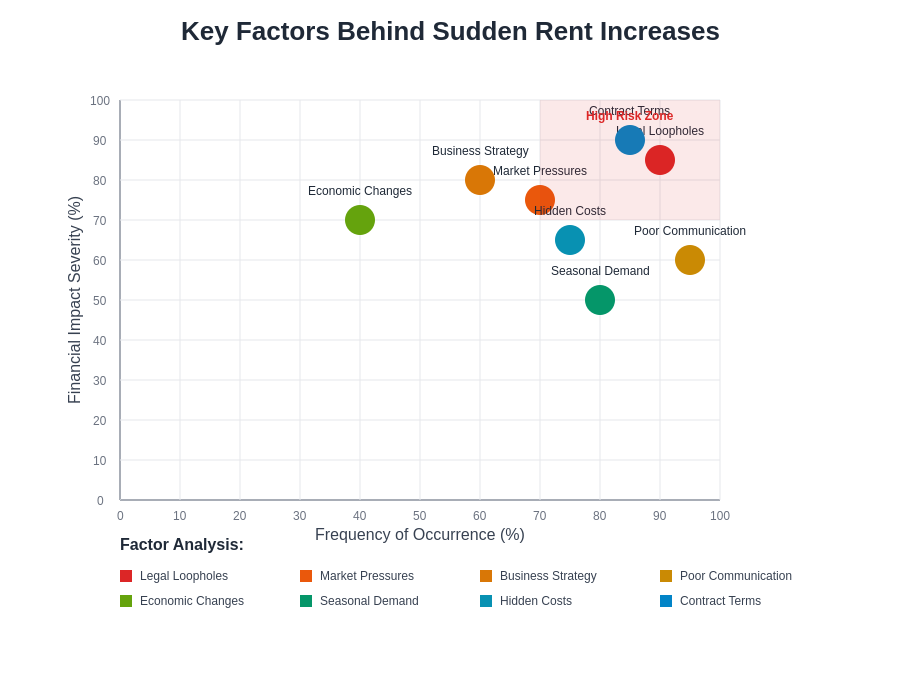
Poor communication practices represent a significant factor in why rent increases appear sudden to residents, with many operators providing minimal advance notice or inadequate explanation of the factors driving pricing changes. Language barriers, cultural communication differences, and deliberate information restriction create environments where residents remain unaware of developing cost pressures until rent increase announcements become unavoidable.
The information asymmetry between operators and residents regarding property costs, market conditions, and business financial pressures leaves residents unable to anticipate or prepare for rent increases that operators may have been planning for months. Japanese sharehouse rules every foreigner should know often excludes critical information about rent adjustment procedures and resident rights during pricing disputes.
Many operators deliberately maintain communication opacity around rent increase decision-making processes to prevent resident organization or negotiation attempts that could reduce the effectiveness of pricing changes. This strategic information control creates environments where rent increases appear sudden even when underlying cost pressures have been building for extended periods.
Cultural differences in communication styles between Japanese business practices and international resident expectations contribute to misunderstandings about rent increase timing and justification. What operators consider adequate notice periods may be insufficient for international residents to adjust budgets or explore alternative housing options.
Hidden Costs and Fee Restructuring
Rent increases often accompany broader fee restructuring that introduces new charges or increases existing fees in ways that compound the financial impact beyond the basic rent adjustment. Utility charges, cleaning fees, internet costs, and maintenance fees frequently increase simultaneously with rent, creating total cost increases significantly larger than the announced rent adjustment percentage.
The timing of multiple fee increases creates cumulative financial impacts that catch residents unprepared for the total cost changes affecting their monthly housing expenses. What additional fees really mean in practice reveals how operators structure fee increases to minimize apparent rent adjustment percentages while maximizing total revenue increases.
Administrative fees, key money increases, and deposit adjustments often accompany rent increases in ways that create both immediate and long-term financial impacts for residents attempting to maintain their housing arrangements. These additional costs can double or triple the effective financial impact of announced rent increases.
The complexity of fee structures makes it difficult for residents to accurately calculate total cost increases or compare the true financial impact of staying versus relocating to alternative housing options. This complexity serves operator interests by obscuring the full extent of cost increases while making resident decision-making more difficult.
Market Timing and Strategic Implementation
Rent increase timing often reflects strategic business decisions rather than immediate cost pressures, with operators implementing changes during periods when residents face maximum difficulty in finding alternative housing or have invested significant time and social connections in their current living situations. End-of-year timing, visa renewal periods, and school semester transitions create opportunities for operators to implement rent increases when resident departure costs are highest.
The coordination of rent increases across multiple properties or operators creates market-wide pricing pressure that reduces resident options for avoiding cost increases through relocation. Cheaper sharehouse options in Tokyo suburbs become less available when multiple operators implement simultaneous rent adjustments.
Peak demand periods such as spring housing seasons often trigger rent increases as operators capitalize on limited housing availability to implement pricing changes that would be rejected during periods of greater housing options. This timing maximizes operator leverage while minimizing resident negotiating power.
Strategic timing around resident life events such as job changes, relationship developments, or educational commitments creates situations where residents face difficult choices between accepting rent increases or disrupting major life plans through housing relocation.
Contract Loopholes and Legal Limitations
Sharehouse contracts frequently contain provisions that provide operators with broad authority to implement rent increases while limiting resident recourse options through dispute resolution mechanisms that favor business interests over tenant rights. These contractual structures create legal frameworks that support sudden rent increases while reducing resident ability to challenge pricing decisions.
The use of short-term contract renewals creates regular opportunities for operators to adjust pricing without requiring justification or providing extensive advance notice periods that would allow residents to prepare financially or explore alternatives. How contract terms are more important than advertised prices demonstrates how legal language creates vulnerabilities for residents facing unexpected cost increases.
Arbitration clauses and dispute resolution requirements often favor operators through processes that are expensive, time-consuming, or conducted in Japanese language settings that disadvantage international residents seeking to challenge rent increase decisions. These mechanisms discourage resident resistance while providing operators with enhanced pricing flexibility.
The enforcement limitations for international residents facing rent increase disputes create practical barriers to legal challenges that make acceptance of higher costs the path of least resistance, even when rent increases may violate contractual obligations or exceed legal limitations.
Economic Vulnerability and Resident Dependencies
International residents often develop financial and social dependencies on their sharehouse communities that operators exploit through strategic rent increase timing that maximizes resident acceptance rates while minimizing vacancy risks. Established social networks, location dependencies, and administrative complications of housing changes create environments where residents accept rent increases rather than face relocation disruptions.
Visa status dependencies and employment location requirements limit housing alternatives for international residents facing rent increases, creating captive customer situations that operators leverage for pricing advantage. Living costs in Tokyo sharehouses explained often underestimate the true financial vulnerability created by sudden rent increases for residents with limited housing alternatives.
The financial impact of relocation costs including deposits, key money, moving expenses, and administrative fees often exceeds the annual cost of accepting moderate rent increases, creating economic traps where residents accept higher costs rather than face immediate large expenses for housing changes.
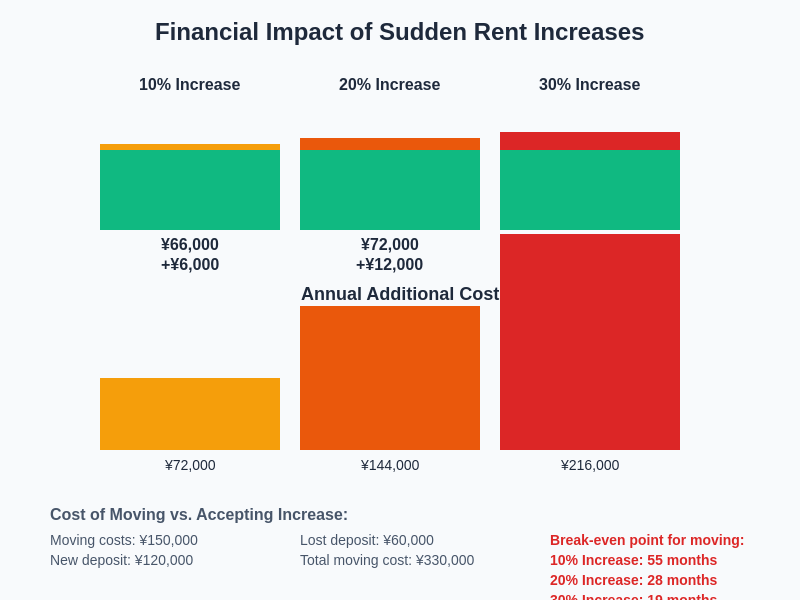
Language barriers and cultural unfamiliarity with Japanese housing markets reduce resident ability to quickly identify alternative housing options during rent increase notice periods, increasing the likelihood of accepting higher costs rather than navigating complex relocation processes under time pressure.
Prevention Strategies and Protective Measures
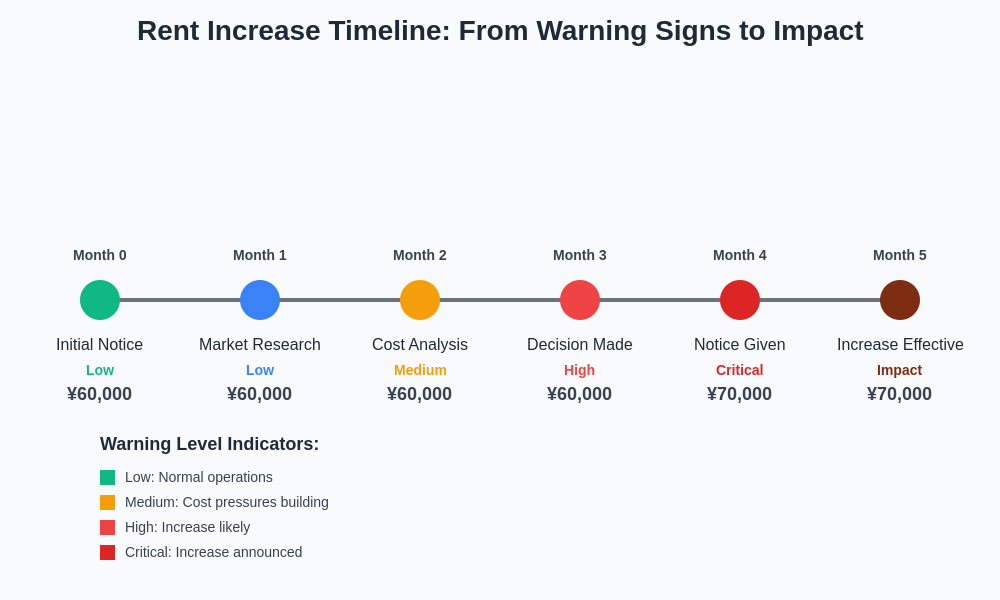
Understanding rent increase warning signs enables residents to prepare financially and explore alternatives before operators implement pricing changes that create financial emergencies. Monitoring market conditions, operator communication patterns, and property maintenance decisions can provide advance indicators of developing rent increase pressures.
Building financial reserves specifically for housing cost fluctuations helps residents maintain stability during unexpected rent increases while providing time to explore alternative housing options without making rushed decisions under financial pressure. How to budget realistically for sharehouse living should include contingency planning for sudden rent increases.
Developing relationships with multiple housing operators and maintaining awareness of alternative housing options creates flexibility for residents facing sudden rent increases to relocate quickly rather than accepting unaffordable cost increases. This preparation requires ongoing market research and relationship building before rent increase pressures develop.
Understanding contractual rights and dispute resolution options provides residents with knowledge necessary to challenge inappropriate rent increases or negotiate alternative arrangements that reduce financial impact while maintaining housing stability.
Long-term Market Implications and Future Trends
The prevalence of sudden rent increases in Tokyo sharehouses creates market instability that affects international resident communities through reduced housing security and increased financial stress that impacts career decisions, educational commitments, and social integration efforts. These practices undermine the sharehouse market’s value proposition as affordable housing for international residents.
Regulatory pressure and resident advocacy efforts may eventually create legal protections that limit operator ability to implement sudden rent increases, but current trends suggest continued vulnerability for international residents lacking political representation in Japanese housing policy decisions. How to handle roommate conflicts without moving out becomes more important when financial pressures from rent increases create household stress.
Market competition and reputation effects may gradually encourage operators to provide more stable pricing and better communication around rent adjustments as resident communities develop stronger networks for sharing experiences and operator evaluations. However, current market dynamics favor operators over resident interests.
The long-term sustainability of sharehouse markets depends on balancing operator business needs with resident housing security requirements through improved communication, fair pricing practices, and legal frameworks that protect vulnerable international resident communities from exploitative business practices.
Understanding why rent increases often come without warning empowers international residents to make informed housing decisions, prepare financially for potential cost increases, and advocate for better practices within the sharehouse market. While operators maintain significant advantages in rent increase implementation, educated residents can protect themselves through preparation, awareness, and strategic planning that reduces vulnerability to sudden housing cost increases that threaten financial stability and quality of life in Japan.
Disclaimer
This article is for informational purposes only and does not constitute professional legal or financial advice. Rent increase policies and legal protections may vary between operators and can change over time. Readers should consult with qualified legal professionals when facing rent increase disputes and conduct thorough research before signing sharehouse agreements. Individual experiences may vary depending on specific circumstances, operator policies, and local regulations.