The phenomenon of feeling perpetually excluded from sharehouse communities represents one of the most challenging and emotionally taxing aspects of shared living in Tokyo. Despite being surrounded by people and living in close quarters, certain residents find themselves trapped in a cycle of social isolation that can persist for months or even years, creating profound psychological distress and undermining the very benefits that sharehouse living is supposed to provide. Understanding the complex web of factors that contribute to these feelings of otherness reveals both systemic issues within sharehouse communities and individual challenges that affect integration success.
The experience of chronic outsider status in sharehouses transcends simple introversion or temporary adjustment difficulties, representing instead a persistent state of social disconnection that can affect mental health, career prospects, and overall life satisfaction in Japan. These feelings often develop gradually through accumulated micro-exclusions, communication breakdowns, and cultural misunderstandings that compound over time, creating seemingly insurmountable barriers to meaningful community participation and friendship formation.
The Architecture of Exclusion in Sharehouse Communities
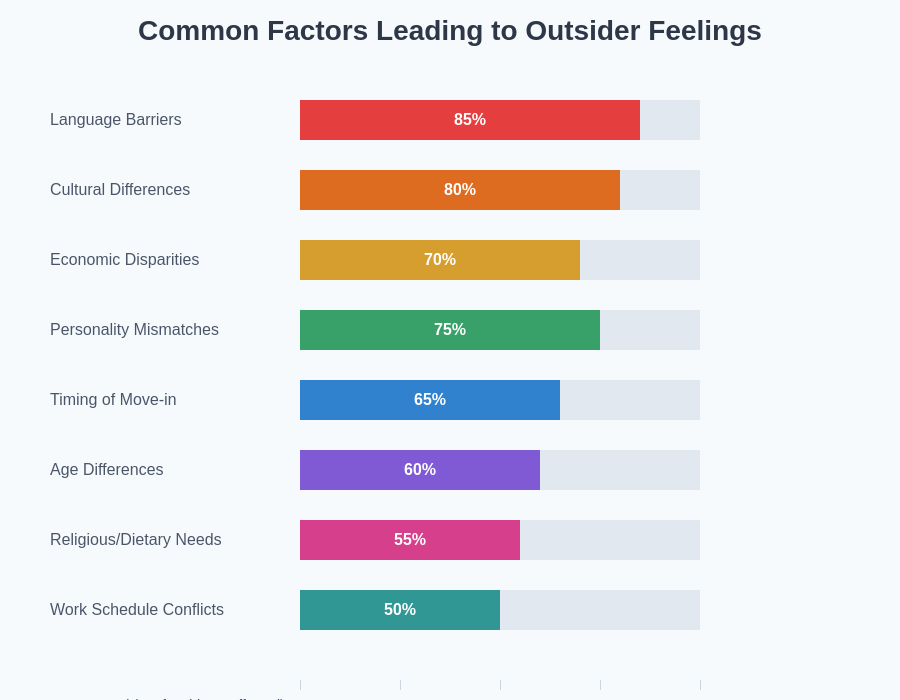
Social exclusion in sharehouses operates through subtle yet powerful mechanisms that often go unrecognized by both the excluded individuals and the excluding groups. The formation of insider circles typically occurs naturally through shared language preferences, cultural references, similar life experiences, and compatible social rhythms that create invisible boundaries around established friend groups. Understanding how cultural differences affect friendship building reveals how these seemingly innocent preferences can systematically exclude newcomers or culturally different residents.
The physical architecture of sharehouse spaces contributes to social stratification by creating natural gathering points and private zones that become associated with particular resident groups. Common areas often develop unofficial territorial claims where certain residents feel comfortable and welcomed while others experience subtle signals that they don’t belong. Kitchen usage patterns, entertainment system control, and seating arrangements during group activities all reflect and reinforce existing social hierarchies that can make integration extremely difficult for outsiders.
Language dynamics play a crucial role in creating insider versus outsider distinctions, particularly when residents switch between languages during conversations or rely heavily on cultural humor and references that exclude non-native speakers. How language barriers prevent deep friendships demonstrates how communication challenges extend beyond basic conversation abilities to encompass emotional expression, humor appreciation, and cultural understanding that form the foundation of meaningful relationships.
Cultural Integration Barriers and Identity Conflicts
The process of cultural adaptation in sharehouses creates internal conflicts for many international residents who struggle to balance authentic self-expression with the need to fit into established community norms. Residents from cultures that emphasize directness may find themselves labeled as aggressive or rude, while those from more reserved backgrounds might be perceived as unfriendly or uninterested in community participation. How cultural communication styles create misunderstandings explores how these fundamental differences in interaction styles can lead to persistent social friction and exclusion.
Religious practices, dietary restrictions, and lifestyle choices that differ from the majority can create daily reminders of otherness that accumulate into chronic feelings of not belonging. Residents who cannot participate in group drinking sessions, eat shared meals, or join popular entertainment activities may gradually find themselves excluded from the informal social networks that form the heart of sharehouse community life. The pressure to conform to majority preferences often conflicts with personal values and authentic identity expression, creating psychological stress and resentment.
Generational differences compound cultural barriers when age gaps coincide with different cultural backgrounds, creating double layers of exclusion that can be particularly challenging to overcome. How age differences impact sharehouse compatibility examines how life stage differences affect social integration and community participation in ways that go beyond simple age preferences.
Economic Disparities and Social Stratification
Financial differences among residents create subtle but persistent social divisions that can exclude those who cannot afford to participate in group activities, dining experiences, or entertainment options. The assumption that everyone can contribute equally to shared expenses, spontaneous outings, or gift exchanges creates pressure that can force lower-income residents to withdraw from social opportunities rather than reveal their financial limitations. Understanding how living costs impact social participation reveals how economic factors influence community integration beyond basic housing affordability.
Career status and professional achievement levels can create informal hierarchies within sharehouses that affect how residents are perceived and treated by their peers. Students, part-time workers, and career changers may find themselves marginalized in conversations dominated by established professionals, while those in prestigious positions might inadvertently exclude others through discussions of expensive hobbies, exclusive networking events, or luxury lifestyle choices that highlight economic differences.
The intersection of visa status and economic stability creates additional layers of exclusion for residents whose legal status in Japan affects their long-term housing security and social confidence. Temporary residents may be excluded from longer-term planning discussions, relationship building investments, or community improvement initiatives based on assumptions about their commitment levels and future availability.
Personality Mismatches and Social Chemistry
Individual personality differences that might be manageable in other contexts become magnified in the close quarters of sharehouse living, where incompatible social needs and interaction styles can create persistent tension and exclusion. Introverted residents in extroverted-dominated houses may find their need for quiet time and small group interactions consistently overridden by loud group activities and constant social stimulation. How personality conflicts escalate in shared living demonstrates how minor compatibility issues can develop into major social divisions.
Communication preferences regarding directness, conflict resolution, and emotional expression vary significantly among individuals and cultures, creating opportunities for misunderstanding and social rejection. Residents who prefer written communication may be excluded from verbal decision-making processes, while those who express disagreement openly might be labeled as troublemakers by harmony-focused housemates.
Social energy levels and participation expectations create additional barriers for residents whose natural interaction patterns don’t align with house norms. Those who prefer meaningful one-on-one conversations may be excluded from large group activities, while residents who enjoy spontaneous interactions might be rejected by those who prefer planned social engagements. The lack of diverse social opportunities within houses often forces residents to choose between authentic self-expression and community acceptance.
Timing and Lifecycle Factors in Integration
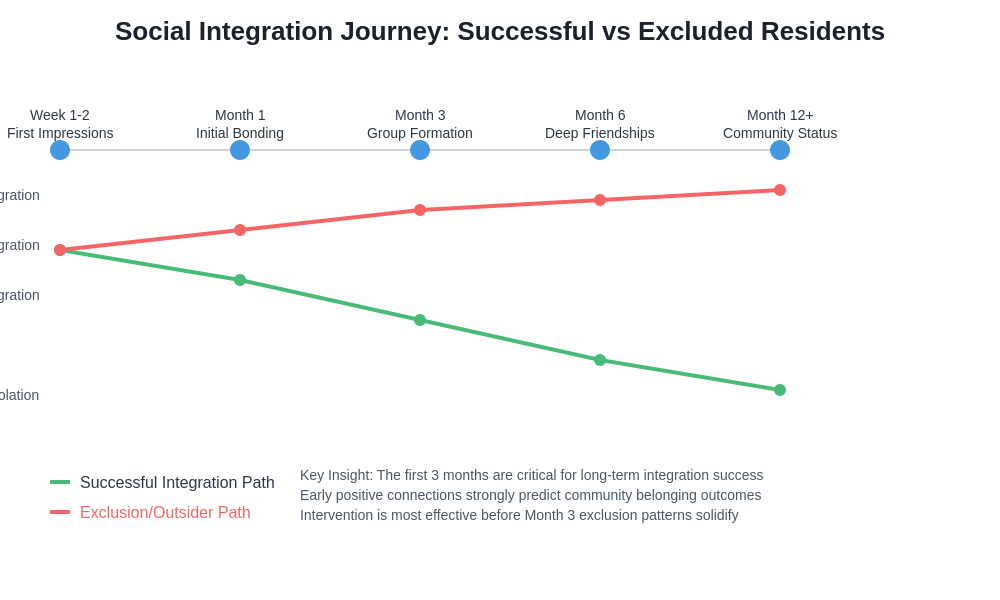
The timing of move-in relative to established community formation significantly affects integration success, with residents who join well-established houses facing much greater challenges than those who enter during community formation periods. Existing friend groups often resist disruption to their established dynamics, creating resistance to new member integration that can persist for months or years. Understanding how resident turnover affects community building reveals how timing factors influence social acceptance and integration opportunities.
Personal life transitions such as job changes, relationship developments, or family obligations can temporarily or permanently alter residents’ availability for community participation, leading to gradual exclusion from social networks that require consistent engagement. Residents dealing with personal challenges may withdraw from community activities precisely when they most need social support, creating cycles of isolation that become increasingly difficult to break.
Academic and professional seasonal demands create predictable patterns of social availability that can exclude residents whose busy periods don’t align with house social rhythms. Students during exam periods, professionals during busy seasons, or freelancers with irregular schedules may find themselves systematically excluded from relationship building opportunities that occur during their unavailable periods.
Mental Health Impact and Psychological Consequences
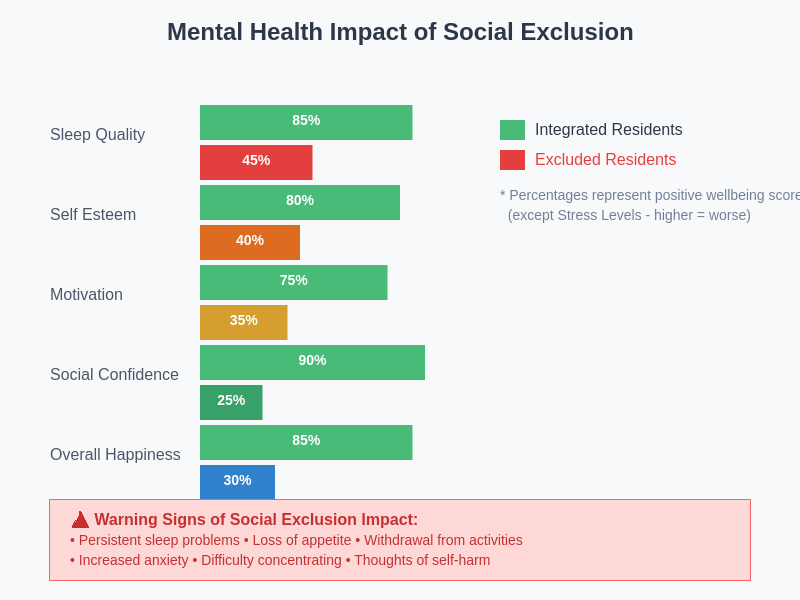
Chronic feelings of exclusion in sharehouses can trigger or exacerbate mental health challenges including depression, anxiety, and social withdrawal that create self-reinforcing cycles of isolation. The contradiction between being surrounded by people while feeling profoundly alone can be particularly psychologically damaging, leading to questioning of personal worth, social abilities, and belonging in Japanese society more broadly. How isolation affects mental health in shared living explores the psychological toll of persistent social exclusion.
The inability to form meaningful connections despite continuous proximity to potential friends can create learned helplessness and social anxiety that extends beyond the sharehouse environment to affect work relationships, romantic prospects, and overall quality of life in Tokyo. Residents may begin to internalize exclusion as personal failure rather than recognizing systemic barriers and compatibility mismatches that contribute to their social difficulties.
Sleep disruption, appetite changes, and concentration problems commonly develop among residents experiencing chronic social stress, creating additional barriers to the personal and professional success that might help improve their social standing within the house community. The physical manifestations of social isolation can create visible signs of distress that further stigmatize excluded residents and justify their continued marginalization.
Intervention Strategies and Community Solutions
Successful intervention in exclusion patterns requires both individual advocacy and community-wide cultural change that actively promotes inclusion and diversity appreciation. House meetings that explicitly address social dynamics, inclusion practices, and conflict resolution can create frameworks for addressing exclusion before it becomes entrenched. Strategies for handling roommate conflicts constructively provides approaches for addressing social problems through structured communication and mediation.
Creating diverse social opportunities that accommodate different personality types, cultural preferences, and participation levels can reduce the dominance of single social models that exclude residents with different needs. Regular cultural exchange events, quiet social hours, interest-based small groups, and rotating leadership responsibilities can provide multiple pathways for community engagement and relationship building.
Management intervention through resident orientation programs, cultural sensitivity training, and ongoing community facilitation can help prevent exclusion patterns from developing while providing resources for residents experiencing social difficulties. Professional mediation services and mental health support connections can address serious exclusion situations before they cause permanent psychological damage or force residents to relocate.
Long-term Consequences and Recovery Pathways
The long-term impact of chronic exclusion extends far beyond the sharehouse experience to affect residents’ confidence in social situations, willingness to engage with Japanese society, and overall mental health outcomes during their time in Japan. Residents who experience persistent rejection may develop avoidant behavior patterns that limit their personal and professional growth opportunities, while those who successfully overcome exclusion often develop enhanced cross-cultural competency and resilience skills.
Recovery from exclusion experiences requires both practical social skills development and psychological healing that addresses the trauma of sustained rejection and isolation. Professional counseling, peer support groups, and gradual re-engagement with social activities can help residents rebuild confidence and develop strategies for successful community integration in future living situations.
The development of emotional intelligence, cultural adaptation skills, and conflict resolution abilities through exclusion experiences can ultimately contribute to personal growth and improved relationship success, though the psychological costs of acquiring these skills through painful social rejection should not be minimized or romanticized as necessary character building experiences.
Understanding the complex factors that contribute to outsider feelings in sharehouses enables both residents and communities to recognize warning signs, implement preventive measures, and develop intervention strategies that promote inclusive communities where diverse residents can thrive. The goal is not to eliminate all social differences or force artificial friendships, but rather to create environments where natural social selection occurs without systematic exclusion based on cultural background, economic status, or personality differences that enrich rather than threaten community diversity.
Disclaimer
This article is for informational purposes only and does not constitute professional mental health advice. Readers experiencing persistent social isolation, depression, or anxiety should consult qualified mental health professionals. The experiences described reflect common patterns but may not apply to all individual situations. Cultural adaptation challenges are normal parts of international living that can be successfully addressed with appropriate support and strategies.