Tokyo’s rush hour phenomenon represents one of the most significant daily challenges that shapes the working lives of millions of residents, particularly those living in sharehouses who must navigate complex transportation decisions that directly impact their professional schedules and career advancement opportunities. The intricate relationship between peak commuting periods and workplace flexibility has evolved into a critical factor that influences everything from job selection and residential location choices to daily productivity levels and long-term career trajectory planning.
The notorious intensity of Tokyo’s rush hour extends far beyond simple inconvenience, creating cascading effects that fundamentally alter how professionals structure their entire daily routines, negotiate workplace arrangements, and make strategic decisions about career development within Japan’s unique business culture. Understanding these dynamics becomes essential for sharehouse residents who must balance cost-effective housing choices with professional obligations while maintaining competitive performance standards in demanding work environments.
The Reality of Tokyo’s Rush Hour Intensity
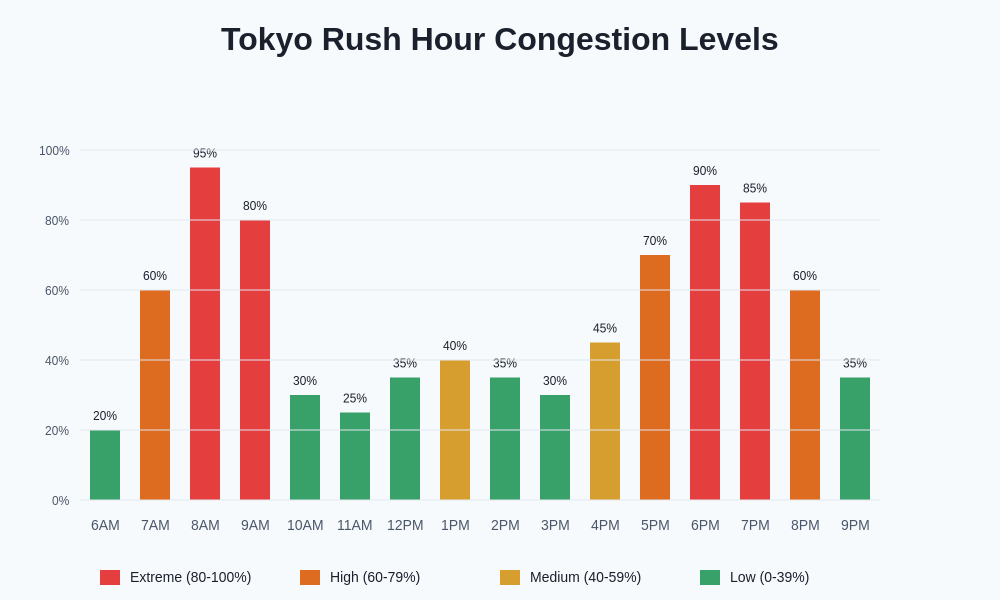
Tokyo’s transportation system experiences some of the world’s most extreme congestion patterns, with morning rush hour typically spanning from 7:00 to 9:30 AM and evening rush hour extending from 5:30 to 8:00 PM during weekdays. The sheer volume of commuters during these periods creates conditions where train cars regularly exceed 200% capacity, resulting in physical discomfort and psychological stress that can significantly impact work performance and professional relationships throughout the day.
The economic implications of this congestion extend beyond individual inconvenience to affect entire business districts and industry sectors that have adapted their operational schedules around these predictable transportation bottlenecks. Understanding commute times that impact your quality of life reveals how daily transportation decisions create ripple effects that influence every aspect of professional and personal life in Tokyo.
Major train lines serving business districts experience the most severe overcrowding, with popular routes such as the Yamanote Line, Chuo Line, and Keihin-Tohoku Line becoming virtually impassable during peak periods. The resulting delays, cancellations, and extended travel times force commuters to build substantial buffer time into their schedules, effectively extending the workday by hours rather than minutes for many professionals.
The psychological toll of enduring these conditions daily cannot be underestimated, as the stress of overcrowded transportation directly translates into workplace fatigue, reduced creativity, and diminished collaborative effectiveness that employers increasingly recognize as significant productivity barriers requiring systematic solutions.
Impact on Morning Routines and Departure Timing
The necessity of avoiding peak rush hour congestion forces many Tokyo professionals to dramatically restructure their morning routines, often requiring departure times that begin well before traditional business hours to ensure punctual arrival at workplaces. This timing constraint creates particular challenges for sharehouse residents who must coordinate bathroom usage, kitchen access, and common area activities with multiple housemates operating under similar schedule pressures.
Early departure requirements often conflict with healthy sleep patterns and social activities that typically occur during evening hours, creating a cycle where professionals sacrifice personal well-being and community engagement to meet professional obligations. How work location should influence sharehouse choice demonstrates how transportation considerations should factor prominently into housing decisions to minimize these daily conflicts.
The competition for bathroom facilities and kitchen resources during narrow morning time windows can create significant tension within sharehouses, particularly when residents work in different industries with varying schedule flexibility. Properties with inadequate facilities relative to resident numbers often experience heightened morning stress that affects overall house harmony and individual professional preparation quality.
Morning routine efficiency becomes a critical skill that directly impacts professional success, requiring residents to develop streamlined systems for personal grooming, meal preparation, and departure logistics that can be executed consistently under time pressure while maintaining professional appearance standards expected in Japanese business culture.
Workplace Schedule Flexibility and Negotiation
The rigid structure of traditional Japanese business culture historically offered limited flexibility for schedule adjustments, but increasing recognition of rush hour impacts has prompted many forward-thinking companies to implement flexible start times, remote work options, and staggered schedule systems that benefit both employee well-being and operational efficiency.
Professionals who can successfully negotiate alternative work arrangements often experience dramatic improvements in quality of life, stress levels, and overall job satisfaction that translate into enhanced performance and career advancement opportunities. However, these arrangements typically require demonstrated value creation, strong professional relationships, and careful navigation of cultural expectations around workplace presence and team collaboration.
How commute times impact work performance explores the measurable effects of transportation stress on professional productivity and the business case for schedule flexibility that benefits both employees and employers. Companies that embrace these arrangements often report improved retention rates, reduced sick leave usage, and enhanced employee engagement metrics.
The negotiation process for schedule flexibility requires understanding of company culture, industry norms, and individual manager preferences that can vary significantly even within the same organization. Building relationships, demonstrating reliability, and presenting clear proposals that address potential concerns helps establish credibility for ongoing schedule discussions.
Industry-Specific Schedule Variations and Opportunities
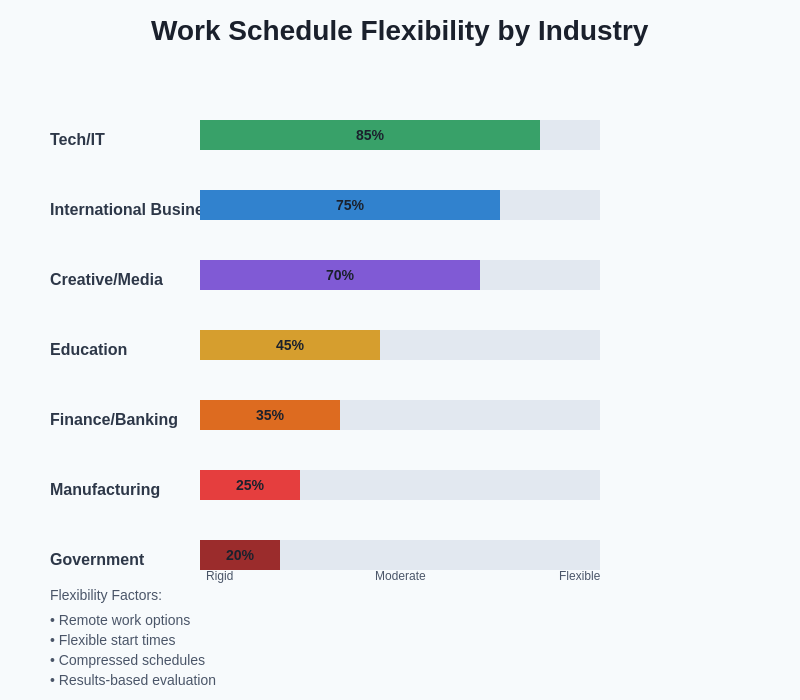
Different industries within Tokyo’s business ecosystem operate under varying schedule constraints and flexibility levels that create distinct opportunities and challenges for managing rush hour impacts. Technology companies, international firms, and creative industries often offer more progressive schedule policies compared to traditional manufacturing, finance, and government sectors that maintain rigid timing expectations.
Understanding industry-specific patterns becomes crucial for career planning and job selection decisions that align with personal lifestyle preferences and transportation realities. Why some industries view sharehouse living negatively reveals how professional image considerations can influence both housing choices and career advancement opportunities within conservative business environments.
Freelance and consulting professionals often enjoy maximum schedule flexibility but must balance this freedom with client expectations, project deadlines, and income stability that can create different types of stress compared to traditional employment arrangements. The ability to avoid rush hour entirely represents a significant quality of life advantage that can offset some financial uncertainties associated with independent work.
International companies with global operations frequently accommodate diverse scheduling needs and cultural preferences that can provide more options for rush hour avoidance while maintaining professional advancement opportunities. These environments often value results over presence, creating opportunities for strategic schedule optimization that benefits both productivity and personal well-being.
Transportation Cost Implications and Budget Planning
Rush hour avoidance strategies often involve financial trade-offs between transportation costs, housing location premiums, and alternative commuting methods that can significantly impact monthly budgets for sharehouse residents operating under tight financial constraints. Off-peak transportation typically offers limited cost savings compared to the substantial expenses associated with closer housing or alternative transportation methods.
The economic calculation becomes particularly complex when considering the opportunity costs of extended commute times versus higher housing costs in central locations that reduce transportation requirements. Living costs in Tokyo sharehouses explained provides frameworks for evaluating these trade-offs within comprehensive budget planning strategies.
Premium transportation options such as Green Car reservations, express services, and alternative routes often command significant cost premiums that may be worthwhile for professionals whose time value justifies the additional expense. However, these options require careful budget allocation and may not be sustainable for entry-level professionals or students operating under strict financial constraints.
Long-term career planning should include consideration of transportation cost escalation, potential salary growth, and changing lifestyle requirements that may alter the optimal balance between housing location and transportation expenses throughout different career phases.
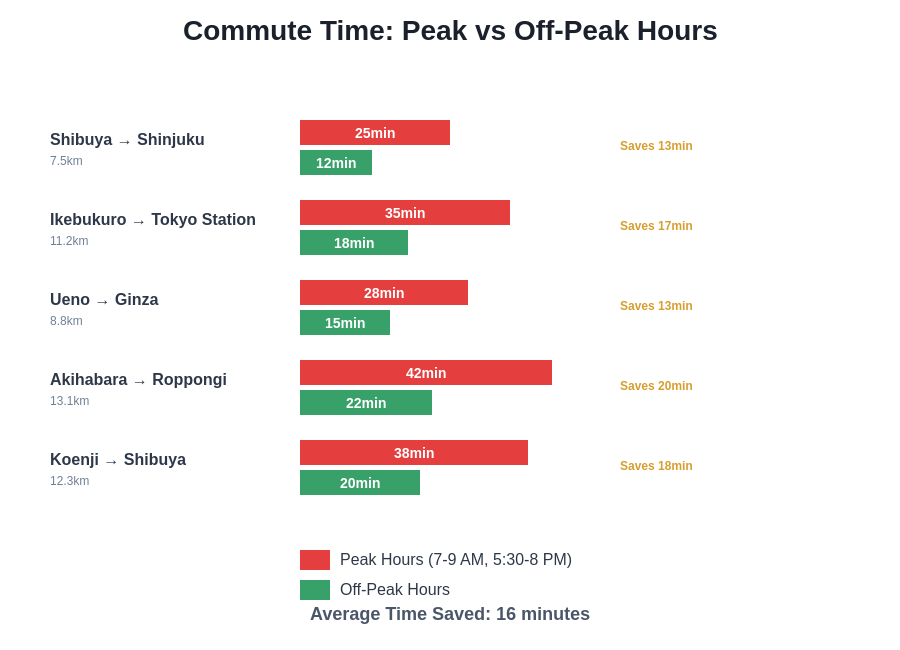
The time savings achieved through strategic schedule planning can accumulate into significant productivity gains and quality of life improvements that justify the effort required to negotiate flexible arrangements or pursue alternative career opportunities.
Health and Wellness Consequences
The physical and mental health impacts of navigating Tokyo’s rush hour system extend far beyond temporary discomfort, creating cumulative stress effects that can influence long-term wellness, professional performance, and overall life satisfaction for individuals who experience these conditions daily over extended periods.
Chronic exposure to overcrowded conditions, extended standing periods, and high-stress environments contributes to fatigue, immune system suppression, and psychological stress that manifests in workplace performance, interpersonal relationships, and general life enjoyment. How stress management techniques become necessary addresses coping strategies for managing these unavoidable environmental stressors.
Sleep pattern disruption caused by early departure requirements often creates cascading health effects that impact cognitive function, emotional regulation, and physical recovery processes essential for maintaining professional performance standards. The cumulative impact of sleep debt can significantly affect career advancement opportunities and long-term health outcomes.
Physical discomfort from prolonged crowding and irregular positioning during commutes can contribute to musculoskeletal problems, circulation issues, and general physical deterioration that affects both immediate comfort and long-term wellness. Regular exercise, stretching routines, and ergonomic awareness become essential components of health maintenance for frequent rush hour commuters.
Social Life and Relationship Impacts
Rush hour timing constraints significantly influence social activity scheduling, dating opportunities, and relationship maintenance for professionals whose work schedules must accommodate transportation realities rather than personal preferences or social obligations. Evening plans become complicated by unpredictable return journey timing and energy depletion from stressful commuting experiences.
The narrow windows available for social activities often conflict with popular meeting times, restaurant schedules, and entertainment venue operations that cater to more flexible schedules. Dating while living in Tokyo sharehouses explores how transportation limitations affect romantic relationships and social connections within the international community.
Professional networking events, after-work gatherings, and career development activities frequently occur during times that conflict with optimal commuting schedules, forcing professionals to choose between career advancement opportunities and personal convenience. These decisions can have long-term implications for professional relationship building and career trajectory development.
Weekend social recovery becomes essential for maintaining relationships and personal well-being, but the energy depletion from weekday stress often limits weekend activity engagement and social participation that would otherwise contribute to life satisfaction and professional network development.
Technology Solutions and Adaptation Strategies
Modern smartphone applications and digital tools provide increasingly sophisticated solutions for optimizing commute timing, route selection, and real-time navigation decisions that can minimize rush hour impacts through intelligent planning and adaptive routing strategies.
Popular applications such as Hyperdia, Google Maps, and Yahoo Transit offer detailed timing information, alternative route suggestions, and delay notifications that enable more informed decision-making about departure timing and route selection. However, the effectiveness of these tools depends on consistent usage patterns and willingness to adapt plans based on real-time information.
Wearable technology and health monitoring devices can provide valuable insights into stress levels, sleep quality, and physical impact measurements that help individuals understand the true cost of their commuting patterns and make informed decisions about lifestyle adjustments or career changes that prioritize well-being.
Remote work technology and digital collaboration tools have expanded opportunities for schedule flexibility and location independence that can dramatically reduce rush hour exposure while maintaining professional productivity and career advancement opportunities within progressive organizations.
Long-term Career and Lifestyle Planning
The cumulative impact of daily rush hour exposure should factor prominently into long-term career planning, residential decisions, and lifestyle goal setting that balances professional ambitions with quality of life considerations and sustainable wellness practices throughout different career phases.
Career advancement strategies should include evaluation of potential positions based on schedule flexibility, location accessibility, and company culture around work-life balance rather than focusing solely on compensation and advancement opportunities. How career changes affect sharehouse eligibility demonstrates how professional decisions impact housing options and lifestyle choices.
Strategic planning for residential transitions should consider the long-term sustainability of commuting patterns, potential changes in work location or schedule requirements, and evolving personal priorities that may alter the optimal balance between housing costs and transportation convenience over time.
Financial planning should account for the true cost of transportation time, stress-related health expenses, and opportunity costs associated with extended commuting that may justify higher housing costs or career changes that reduce these hidden expenses while improving overall life satisfaction.
Adaptation Strategies for Sharehouse Residents
Successful navigation of rush hour challenges requires developing comprehensive strategies that address timing optimization, stress management, and community coordination within sharehouse environments while maintaining professional performance standards and personal well-being throughout the adaptation process.
Coordinating morning routines with housemates requires communication, flexibility, and consideration for shared resources that can minimize conflicts while ensuring everyone meets their professional obligations. Making friends through Tokyo sharehouse communities shows how these daily interactions can strengthen relationships when managed thoughtfully.
Creating contingency plans for transportation disruptions, delayed departures, and unexpected schedule changes helps maintain professional reliability while reducing stress levels when circumstances beyond individual control affect commuting plans. Backup routes, alternative timing options, and emergency communication procedures become essential components of professional preparedness.
Building supportive relationships with colleagues who understand transportation challenges can create opportunities for schedule coordination, information sharing, and mutual assistance during particularly challenging commuting periods that affect workplace arrival timing or energy levels.
The intersection of Tokyo’s rush hour reality with professional obligations creates complex challenges that require strategic thinking, adaptive planning, and realistic acceptance of trade-offs between various lifestyle factors. Successfully managing these dynamics enables professionals to thrive in Tokyo’s demanding environment while maintaining sustainable wellness practices and meaningful personal relationships that contribute to long-term success and satisfaction in Japan’s unique urban ecosystem.
Disclaimer
This article is for informational purposes only and does not constitute professional career or health advice. Rush hour patterns and transportation conditions in Tokyo can vary significantly based on seasonal factors, construction projects, and system disruptions. Individual experiences may differ based on specific routes, work schedules, and personal circumstances. Readers should consult with relevant professionals and conduct their own research when making career and housing decisions.