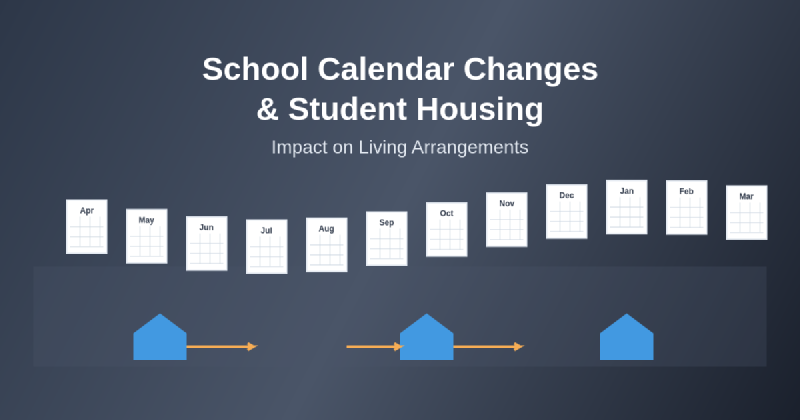
The intricate relationship between academic calendars and student housing markets in Japan creates complex dynamics that significantly influence availability, pricing structures, and living arrangements for thousands of students across the country. School calendar changes, whether driven by pandemic responses, educational reforms, or institutional policy adjustments, send ripple effects throughout the entire student accommodation ecosystem, affecting everything from sharehouse occupancy rates to rental contract negotiations and community formation within residential facilities.
Understanding these interconnected systems becomes crucial for students planning their accommodation strategies, as well as for housing providers who must adapt their business models to accommodate fluctuating demand patterns and changing student needs. The timing of semester breaks, orientation periods, and examination schedules directly correlates with housing market activity, creating predictable yet challenging cycles that experienced students and housing operators have learned to navigate strategically.
The Foundation of Academic Calendar Systems in Japan
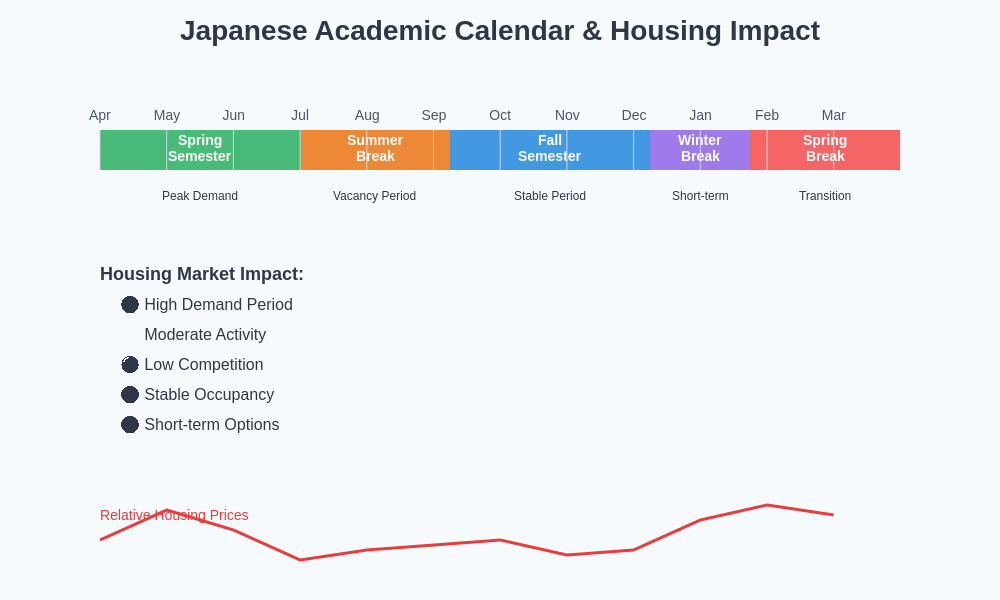
Japanese educational institutions operate on distinctive calendar structures that differ significantly from Western academic systems, creating unique housing demand patterns that don’t align with traditional rental market cycles. The academic year typically begins in April and concludes in March, with major breaks occurring during summer months, winter holidays, and spring transitions that coincide with graduation and new student enrollment periods.
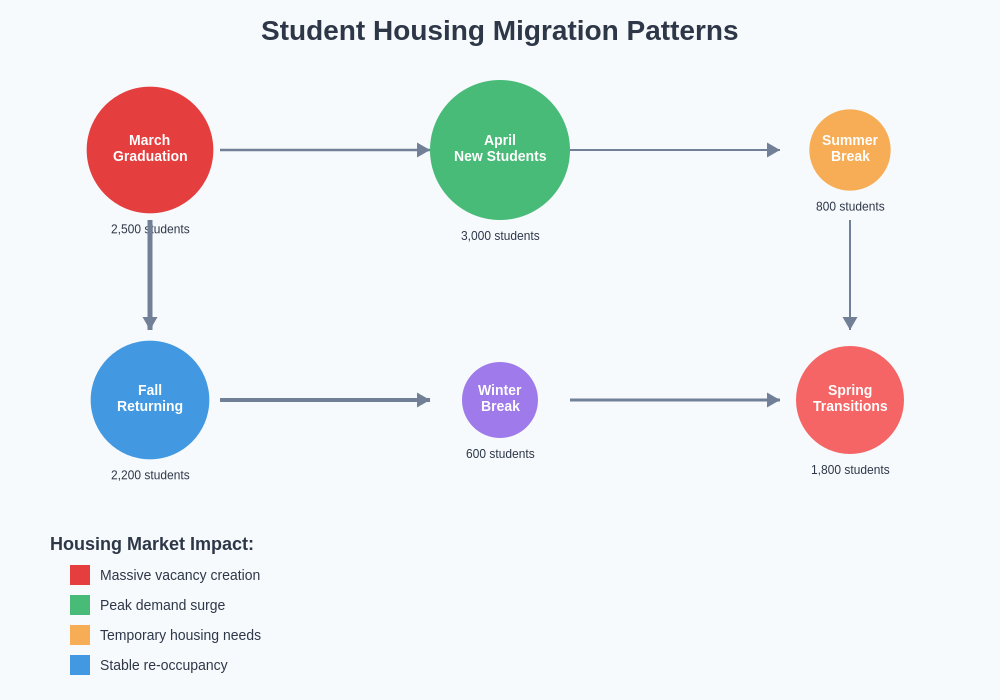
Student sharehouses near top Tokyo universities experience particularly pronounced fluctuations during these transitional periods, as housing providers must accommodate massive turnover events that can see entire student populations relocating within concentrated timeframes. The coordination between multiple universities across metropolitan areas amplifies these effects, creating synchronized housing market pressures that affect pricing and availability across entire regions.
Recent years have witnessed increased flexibility in academic scheduling, with some institutions adopting semester systems, modified quarter arrangements, or hybrid calendar structures that attempt to better align with international exchange programs and global academic partnerships. These modifications, while beneficial for educational outcomes, create additional complexity in housing market predictions and student accommodation planning processes.
Housing Market Dynamics During Academic Transitions
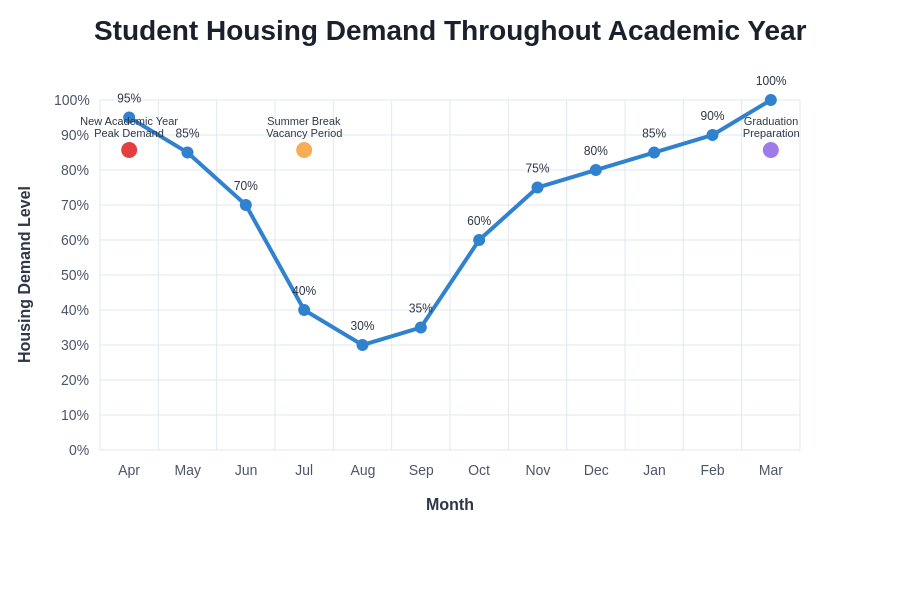
The concentrated nature of academic calendar transitions creates intense competition periods where housing demand dramatically exceeds available supply, leading to significant price fluctuations and reduced negotiating power for individual students. Living costs in Tokyo sharehouses explained becomes particularly relevant during these peak periods when standard pricing structures may not reflect actual market conditions and additional fees often emerge.
Spring housing rushes coinciding with new academic year beginnings represent the most challenging period for student accommodation seekers, as thousands of incoming students simultaneously search for housing while current residents finalize their continuation or departure decisions. This creates cascading effects where housing decisions made by graduating students directly impact availability for incoming cohorts, often with minimal advance notice periods.
Housing providers respond to these predictable demand cycles by implementing dynamic pricing strategies, seasonal contract terms, and waitlist systems that attempt to balance occupancy optimization with resident satisfaction. However, when academic calendars shift unexpectedly due to external factors such as health emergencies or natural disasters, these established systems can become inadequate, leading to housing shortages or unexpected vacancy periods that affect both students and property operators.
The timing of housing application processes relative to academic calendar announcements creates additional complexity, as students must often commit to accommodation arrangements before academic schedules are finalized, leading to potential misalignments between housing contracts and actual educational timelines that can create financial and logistical complications.
Impact on Sharehouse Community Dynamics
Academic calendar changes profoundly affect the social fabric and community development within student-focused sharehouses, as resident turnover patterns directly influence relationship building, house culture establishment, and the continuity of shared living arrangements. Making friends through Tokyo sharehouse communities becomes significantly more challenging when calendar modifications disrupt established social cycles and community integration processes.
Synchronized departures and arrivals create periods of community instability where established house dynamics must rapidly adapt to new resident compositions, often without adequate transition periods for knowledge transfer or relationship development. Long-term residents may find themselves repeatedly serving as community anchors during turnover periods, creating additional social responsibilities and potential burnout from constant adaptation requirements.
The overlap between academic calendar changes and housing contract terms can create mismatched residency periods where students are forced to maintain housing commitments during academic breaks or must relocate during intensive study periods. These timing conflicts affect not only individual students but entire house communities that must accommodate irregular occupancy patterns and modified shared responsibility arrangements.
Cultural integration processes within international sharehouses become particularly complex when different educational institutions operate on varying calendar systems, creating staggered arrival and departure patterns that can fragment community development and limit cross-cultural interaction opportunities that represent primary benefits of shared living arrangements.
Financial Implications and Budget Planning Challenges
Calendar changes create significant financial planning challenges for students who must navigate modified payment schedules, potential gap periods between academic terms, and housing contracts that may not align with revised academic timelines. How to budget realistically for sharehouse living becomes more complex when students must account for potential calendar modifications and their associated housing cost implications.
Unexpected calendar adjustments can force students into situations where they must maintain housing payments during extended academic breaks, seek temporary accommodation during compressed academic periods, or negotiate contract modifications with housing providers who may not have policies established for such contingencies. These financial pressures disproportionately affect international students and those with limited family financial support systems.
The timing of financial aid disbursements, scholarship payments, and part-time employment opportunities often correlates with standard academic calendar expectations, creating cash flow challenges when calendar modifications disrupt these synchronized financial support systems. Students may find themselves facing housing payment obligations before receiving expected income, requiring emergency funding solutions or family financial assistance.
Housing providers must also navigate financial implications of calendar changes, including potential vacancy losses, modified cleaning and maintenance schedules, and the costs associated with accelerated resident turnover processes that may require additional staffing or service modifications to accommodate compressed transition timelines.
Administrative and Legal Considerations
Academic calendar modifications create complex administrative challenges that affect housing contract terms, resident registration requirements, and the legal obligations of both students and housing providers. Japanese sharehouse rules every foreigner should know become more critical when calendar changes create potential conflicts between housing regulations and academic requirements.
Visa status implications represent particularly significant concerns for international students, as calendar changes can affect enrollment verification requirements, residence card validity periods, and the timing of visa renewal processes that must align with both academic and housing commitments. Students may find themselves navigating complex bureaucratic requirements when calendar modifications create gaps between academic enrollment periods and housing contract obligations.
Housing contract flexibility becomes essential when calendar changes occur, yet many standard rental agreements lack provisions for academic schedule modifications, creating potential legal conflicts between student needs and contractual obligations. The development of academic calendar contingency clauses in housing contracts represents an evolving area of student accommodation law that affects both resident rights and provider responsibilities.
Municipal registration requirements, tax obligations, and other legal considerations tied to residence duration and timing can be significantly complicated by calendar changes that modify expected residence periods or create gaps in continuous occupancy that may affect legal status or benefit eligibility for student residents.
Long-term Housing Market Adaptations
The increasing frequency of academic calendar modifications has prompted structural changes in how student housing markets operate, with providers developing more flexible contract terms, pricing structures, and occupancy management systems that can accommodate schedule variations. Understanding utility bills in Japanese sharehouses has evolved to include more sophisticated pro-rating systems and flexible billing arrangements that respond to irregular occupancy patterns.
Technology integration in housing management systems has become essential for tracking complex calendar variations across multiple educational institutions, managing waitlists during peak demand periods, and coordinating resident transitions that must accommodate diverse academic schedules. These technological solutions help housing providers optimize occupancy while providing students with more responsive accommodation services.
Partnership development between educational institutions and housing providers has emerged as a strategic response to calendar uncertainty, with some universities establishing preferred housing relationships that include calendar coordination agreements and resident transition support services that benefit both students and accommodation providers.
The evolution of housing contract structures toward greater flexibility represents a significant market adaptation, with options including academic year contracts, semester-based arrangements, and hybrid agreements that provide students with options that better align with their educational timelines while offering providers more sophisticated occupancy management tools.
Strategic Planning for Students and Providers
Successful navigation of calendar-related housing challenges requires proactive planning strategies that anticipate potential schedule modifications and build flexibility into accommodation arrangements. How to find the perfect sharehouse in Tokyo must include considerations for calendar variability and contingency planning for schedule changes that may affect housing needs and availability.
Students benefit from developing relationships with multiple housing providers, maintaining awareness of alternative accommodation options, and building financial reserves that can accommodate unexpected calendar-related expenses or housing transitions. Early communication with housing providers about potential calendar concerns can facilitate better outcomes when modifications become necessary.
Housing providers increasingly recognize the value of academic calendar monitoring systems, flexible pricing structures, and resident retention strategies that can maintain community stability despite schedule variations. The development of calendar contingency policies and resident transition support services represents competitive advantages in student housing markets.
Collaborative planning between students, housing providers, and educational institutions creates optimal outcomes when calendar changes occur, with advance communication, flexible policy implementation, and coordinated transition support helping minimize disruptions to both individual students and housing communities.
Regional Variations and Institutional Differences
Different regions across Japan exhibit varying patterns of calendar-related housing market impacts, with metropolitan areas experiencing more intense fluctuations due to higher student concentrations and more diverse institutional calendar systems. Best Tokyo neighborhoods for sharehouse living demonstrates how location-specific factors interact with calendar changes to create unique housing market conditions in different areas.
Private universities, public institutions, and specialized schools often operate on different calendar systems, creating overlapping but distinct housing demand cycles that affect regional market dynamics. Areas with diverse institutional types experience more complex housing market patterns that require sophisticated management strategies from accommodation providers.
International education programs and exchange student populations add additional calendar complexity, as these programs often operate on different schedule systems that may not align with domestic academic calendars, creating year-round housing demand variations that affect community composition and pricing structures in internationally-focused housing facilities.
Regional economic factors, transportation infrastructure, and local housing supply characteristics interact with calendar changes to create location-specific impacts that students must consider when selecting both educational institutions and accommodation strategies that will provide stability throughout their academic careers.
Future Trends and Emerging Considerations
The ongoing evolution of educational delivery methods, including hybrid learning models, intensive program structures, and flexible scheduling options, continues to reshape the relationship between academic calendars and student housing needs. Dating while living in Tokyo sharehouses and other lifestyle considerations become more complex as calendar flexibility increases and traditional academic rhythms evolve.
Climate change impacts on academic scheduling, including extreme weather event responses and seasonal adjustment requirements, represent emerging factors that may influence future calendar modifications and their associated housing market effects. Students and housing providers must consider these environmental factors when developing long-term accommodation strategies.
Technological advances in educational delivery and housing management continue to create new possibilities for calendar-housing coordination, with potential developments including predictive modeling systems, automated contract adjustment mechanisms, and integrated academic-housing planning platforms that could significantly improve student experience and market efficiency.
The internationalization of higher education and increasing mobility of student populations suggests that calendar-housing coordination challenges will become more complex, requiring innovative solutions that accommodate diverse educational systems, cultural expectations, and regulatory requirements across multiple jurisdictions and institutional types.
Understanding and adapting to the complex relationships between academic calendar changes and student housing represents an essential skill for successful navigation of Japanese educational and accommodation systems. As these systems continue evolving, students who develop strategic approaches to calendar-housing coordination will be better positioned to optimize their educational experiences while maintaining stable, affordable, and socially enriching living arrangements throughout their academic journeys.
Disclaimer
This article is for informational purposes only and does not constitute professional advice regarding housing contracts, visa requirements, or academic planning. Academic calendar and housing market conditions vary significantly by institution, region, and individual circumstances. Readers should consult with relevant educational institutions, housing providers, and legal professionals when making decisions affected by calendar changes. Information provided reflects general trends and may not apply to specific situations or institutions.