The housing landscape in Tokyo presents international residents with a fundamental choice between traditional apartment living and the increasingly popular sharehouse model, each offering distinct advantages and challenges that can dramatically shape your entire Japanese experience. While apartments have long been considered the standard accommodation option, sharehouses have emerged as a superior alternative that addresses many of the practical, financial, and social challenges that foreigners face when establishing themselves in Japan’s complex urban environment.
The transformation of Tokyo’s housing market over the past decade has elevated sharehouses from a niche accommodation option to a mainstream solution that consistently outperforms traditional apartments across multiple critical factors including affordability, community integration, cultural learning opportunities, and overall quality of life for international residents seeking meaningful experiences in Japan’s capital city.
Financial Advantages That Make Real Difference
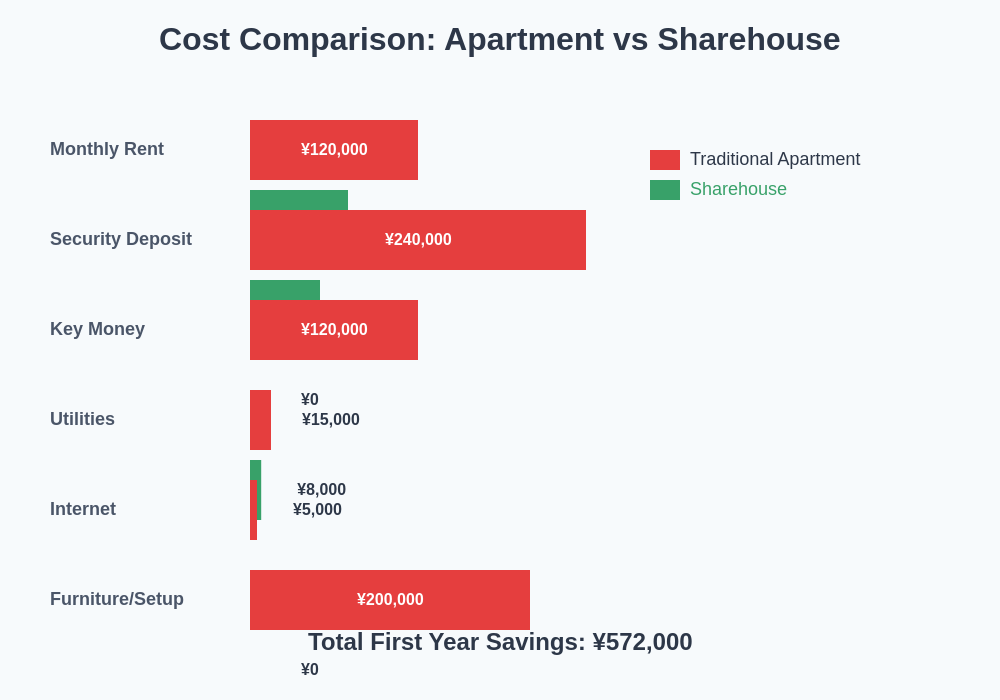
The economic benefits of sharehouse living in Tokyo extend far beyond simple rent comparisons, encompassing a comprehensive ecosystem of cost savings that can dramatically reduce your monthly expenses while providing superior value and amenities compared to equivalent apartment options. Understanding how much Tokyo sharehouses really cost per month reveals the true scope of financial advantages that make sharehouses particularly attractive for budget-conscious international residents.
Traditional Tokyo apartments require substantial upfront investments including security deposits often equivalent to six months of rent, key money payments, realtor fees, and guarantor arrangements that can easily exceed 500,000 yen before you even move in. Sharehouses typically eliminate or significantly reduce these barriers, requiring only modest security deposits and simple application processes that make immediate occupancy possible without crushing financial commitments.
Monthly operational costs in sharehouses include utilities, internet, and often cleaning services within a single transparent payment structure, eliminating the complexity and unpredictability of separate utility bills that can fluctuate dramatically based on seasonal usage patterns. Living costs in Tokyo sharehouses explained demonstrates how this bundled approach provides both convenience and significant cost savings compared to managing multiple service providers independently.
The shared nature of common facilities means residents access premium amenities including fully equipped kitchens, laundry facilities, entertainment systems, and recreational spaces that would be prohibitively expensive to maintain in private apartments. This resource sharing model extends to household supplies, cooking equipment, and even transportation options that further reduce individual monthly expenses while providing superior living standards.
Community Integration and Social Benefits
The social advantages of sharehouse living address one of the most significant challenges faced by international residents in Tokyo: building meaningful relationships and establishing community connections in a culture known for its social complexity and reserved interpersonal dynamics. Making friends through Tokyo sharehouse communities explores how shared living environments naturally facilitate relationship building and cultural exchange opportunities.
Traditional apartment living often results in social isolation, particularly for newcomers who lack existing social networks and struggle with language barriers that make spontaneous community integration difficult. Sharehouses provide immediate access to diverse international communities where residents share common experiences, challenges, and goals while offering mutual support and friendship opportunities that can last well beyond your initial housing arrangement.
The multicultural environment within sharehouses creates natural language exchange opportunities where residents practice Japanese with native speakers while sharing their own languages and cultural perspectives with others. This organic learning environment proves far more effective than formal language classes for developing practical communication skills and cultural understanding that enhance both personal and professional opportunities in Japan.
House activities, cultural celebrations, and shared experiences create strong bonds between residents while providing insights into various cultural traditions and perspectives that broaden personal understanding and global awareness. Living with Japanese roommates in Tokyo sharehouses highlights how these interactions accelerate cultural adaptation and integration into Japanese society.
Cultural Learning and Language Development
Sharehouses provide unparalleled opportunities for authentic cultural immersion that cannot be replicated through apartment living, where interactions with neighbors remain minimal and cultural learning depends entirely on external activities and formal programs. The daily exposure to Japanese customs, social etiquette, and communication styles within sharehouse environments accelerates cultural understanding and adaptation in ways that dramatically enhance your overall Japanese experience.
Living alongside Japanese residents offers constant opportunities to observe and practice proper social behaviors, seasonal customs, and cultural nuances that are difficult to learn through books or classes alone. These authentic interactions help develop cultural sensitivity and understanding that prove invaluable for professional success, social integration, and personal growth throughout your time in Japan.
The informal language practice opportunities within sharehouses surpass any formal education program, providing natural conversation practice, slang learning, and cultural context that enhance communication abilities far beyond basic Japanese language skills. Japanese sharehouse rules every foreigner should know explains how these cultural learning opportunities extend to practical life skills and social understanding.
Regular exposure to Japanese media, entertainment, and daily routines through housemate interactions provides cultural context and understanding that accelerates integration while making the learning process enjoyable and sustainable. This immersive environment helps residents develop cultural competency that enhances both personal relationships and professional opportunities within Japanese society.
Flexibility and Convenience Advantages
The operational flexibility offered by sharehouses addresses many practical challenges that make traditional apartment living cumbersome and restrictive for international residents, particularly those with uncertain long-term plans or changing circumstances that require housing adaptability. Short-term sharehouse options in Japan demonstrates how sharehouses accommodate various residency timeframes and changing needs.
Traditional apartment leases typically require two-year commitments with significant penalties for early termination, creating financial risks for residents whose visa status, employment situation, or personal circumstances may change unexpectedly. Sharehouses offer month-to-month arrangements and flexible departure options that provide security and adaptability for residents navigating uncertain or evolving situations.
The furnished nature of sharehouse accommodations eliminates the substantial expense and logistical complexity of purchasing, transporting, and eventually disposing of furniture and household items that can cost hundreds of thousands of yen and require complex arrangements for international residents with limited transportation resources and uncertain long-term plans.
Maintenance and repair responsibilities fall to property management rather than individual residents, eliminating the stress and expense of dealing with appliance failures, utility issues, or building maintenance problems that can be particularly challenging for foreigners unfamiliar with Japanese service systems and communication requirements.
Access to Premium Amenities and Services
Sharehouses consistently provide access to amenities and services that would be financially prohibitive or logistically impossible to maintain in traditional apartment settings, offering residents lifestyle enhancements that dramatically improve daily comfort and convenience while reducing individual costs and responsibilities.
Modern sharehouses often include premium features such as rooftop terraces, fitness facilities, co-working spaces, entertainment rooms, and guest accommodation areas that create resort-like living environments accessible at a fraction of the cost required to access similar amenities through private apartment living or external facility memberships.
Professional cleaning services, maintenance staff, and property management support provide hotel-like convenience without the associated costs, ensuring that common areas remain clean and functional while addressing issues promptly and professionally. Understanding utility bills in Japanese sharehouses explains how these services are integrated into transparent pricing structures.
Technology amenities including high-speed internet, smart home features, and modern appliances are typically included and maintained professionally, providing residents with cutting-edge technology access without the expense and complexity of individual installation and maintenance arrangements that can be particularly challenging for temporary residents.
Location and Transportation Benefits
Strategic sharehouse locations typically prioritize accessibility to transportation networks and urban amenities, providing residents with superior access to Tokyo’s diverse neighborhoods and opportunities compared to apartment options that may offer larger spaces but compromise on location convenience and connectivity.
Best Tokyo neighborhoods for sharehouse living reveals how sharehouse operators strategically select locations that optimize access to business districts, educational institutions, and cultural attractions while maintaining reasonable pricing that makes premium locations accessible to international residents.
The concentration of sharehouses in well-connected areas means residents typically enjoy shorter commute times, reduced transportation costs, and greater flexibility for both professional and recreational activities compared to apartment dwellers who may accept longer commutes in exchange for larger living spaces or lower rents.
Proximity to international communities and services within popular sharehouse neighborhoods creates supportive environments where residents can easily access familiar foods, services, and social opportunities while still experiencing authentic Japanese culture and lifestyle.
Support Systems and Professional Services
Sharehouse operators typically provide comprehensive support services specifically designed to address the unique challenges faced by international residents, offering assistance with bureaucratic procedures, local navigation, and cultural integration that is rarely available through traditional apartment arrangements.
What documents you need for Tokyo sharehouse applications illustrates how sharehouse companies streamline documentation and application processes while providing English-language support that eliminates many barriers that complicate traditional apartment hunting for foreigners.
Emergency support, translation assistance, and cultural guidance provided by professional sharehouse staff create safety nets that help residents navigate unexpected challenges and complex situations that can be overwhelming for newcomers unfamiliar with Japanese systems and procedures.
Career support services, networking opportunities, and professional development resources offered by some sharehouse operators provide additional value that extends beyond accommodation to encompass comprehensive lifestyle support that enhances both personal and professional success in Japan.
Health and Safety Considerations
The safety and security features inherent in professionally managed sharehouses often exceed those available in traditional apartment buildings, providing residents with enhanced protection and peace of mind through comprehensive security systems, emergency procedures, and community monitoring that creates safer living environments.
Building access controls, surveillance systems, and professional management oversight provide multiple layers of security that protect residents and their belongings while creating accountable communities where inappropriate behavior is quickly identified and addressed through established procedures and protocols.
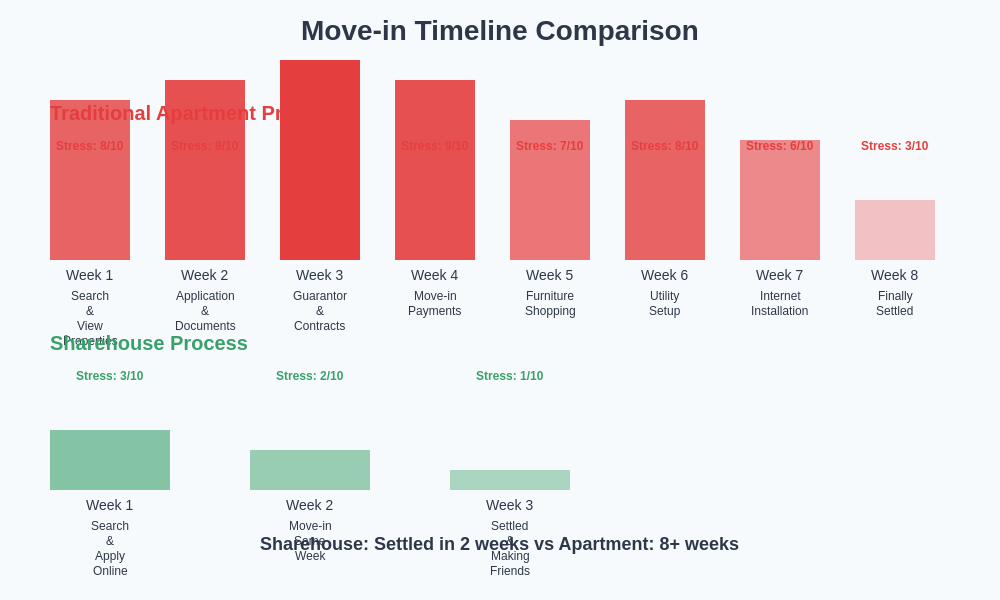
The streamlined move-in process for sharehouses dramatically reduces the stress and time investment required compared to traditional apartment hunting, allowing residents to focus on settling in and building relationships rather than navigating complex bureaucratic procedures.
Emergency response procedures, first aid resources, and community support systems within sharehouses create safety networks that help residents handle medical emergencies, natural disasters, and unexpected situations with greater confidence and support than isolated apartment living typically provides.
Health and wellness amenities including air purification systems, regular cleaning services, and maintained common areas contribute to healthier living environments while reducing individual responsibility for maintenance tasks that can be overwhelming for busy international residents.
Environmental and Sustainability Benefits
The shared resource model inherent in sharehouse living creates significant environmental benefits through reduced individual consumption, shared utilities, and optimized space utilization that supports sustainable living practices while reducing both environmental impact and individual costs.
Shared appliances, utilities, and transportation options reduce per-person resource consumption while maintaining or improving quality of life through access to premium amenities and services that would require substantially higher individual environmental impact if accessed independently through apartment living.
How sustainable living practices clash with convenience explores how sharehouse communities can implement environmental initiatives more effectively than individual apartment dwellers while creating social accountability that encourages sustainable behaviors and practices.
The reduced need for individual furnishing, appliance purchases, and household supplies significantly decreases waste generation and resource consumption while providing residents with access to higher-quality items that are maintained professionally and replaced strategically rather than individually.
Long-term Value and Personal Growth
The personal development opportunities available through sharehouse living consistently deliver long-term value that extends far beyond accommodation costs, providing residents with cultural competency, language skills, international networks, and personal growth experiences that enhance both immediate quality of life and future opportunities.
The problem-solving skills, cultural sensitivity, and adaptability developed through sharehouse living create valuable personal and professional capabilities that prove beneficial throughout residents’ careers and personal lives, offering returns on investment that far exceed simple cost comparisons between housing options.
How to handle roommate conflicts without moving out demonstrates how shared living experiences develop conflict resolution skills, communication abilities, and emotional intelligence that prove valuable in both personal and professional contexts throughout life.
The international networks and friendships developed through sharehouse communities often provide ongoing personal and professional benefits including business opportunities, travel connections, and lifelong relationships that create value far exceeding any housing cost considerations.
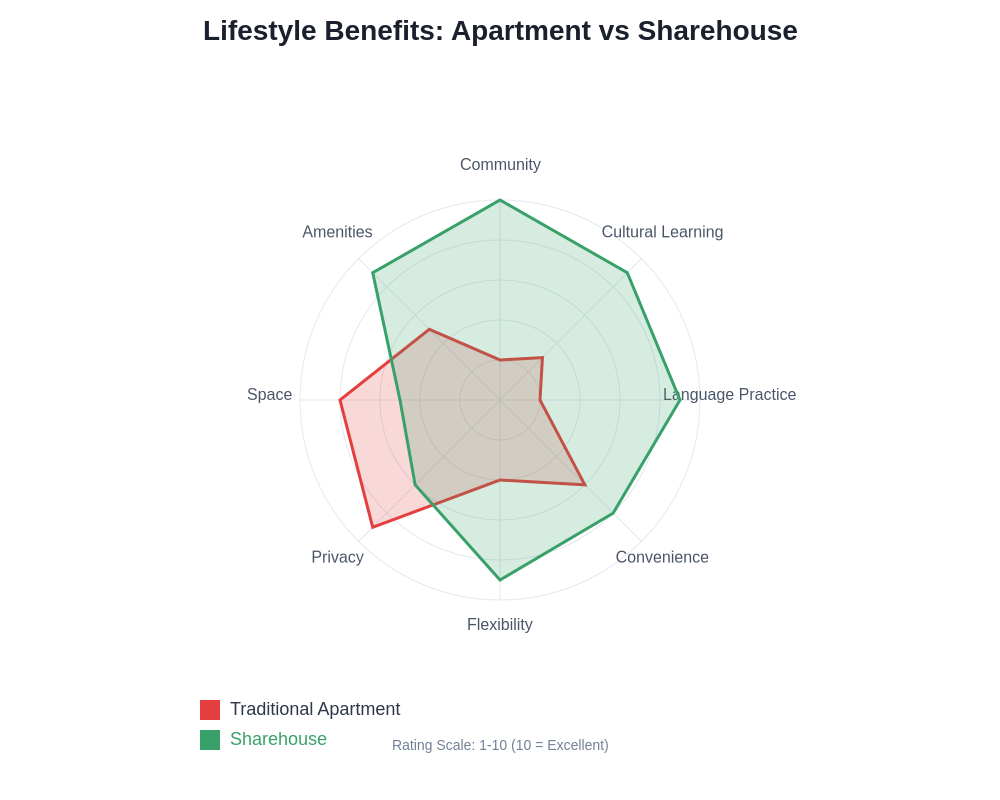
The comprehensive advantages of sharehouse living in Tokyo create compelling reasons for international residents to choose shared accommodation over traditional apartments, particularly when considering the full spectrum of financial, social, cultural, and personal benefits that enhance both immediate quality of life and long-term success in Japan. The evolution of Tokyo’s sharehouse market continues to improve these advantages while addressing traditional concerns, making sharehouses increasingly attractive options for discerning international residents seeking optimal living experiences in Japan’s dynamic capital city.
Disclaimer
This article is for informational purposes only and does not constitute professional housing or financial advice. Individual experiences with sharehouses and apartments may vary based on specific properties, management companies, and personal preferences. Readers should conduct thorough research and consider their individual circumstances when making housing decisions. The comparative advantages discussed may not apply to all properties or situations in the Tokyo housing market.