
Living in a Tokyo sharehouse transforms the simple act of grocery shopping into a complex logistical challenge that requires careful coordination among residents to maximize efficiency, minimize costs, and maintain harmony within the shared living environment. The necessity of coordinated shopping trips emerges from a combination of practical constraints, economic pressures, and social dynamics that are unique to shared living situations in one of the world’s most expensive cities.
The evolution from individual shopping habits to coordinated group purchasing represents a fundamental shift in how residents approach daily necessities and household management. This transformation affects everything from storage space allocation to meal planning coordination, creating ripple effects throughout the entire sharehouse ecosystem that extend far beyond simple cost savings.
The Economics of Bulk Purchasing Power
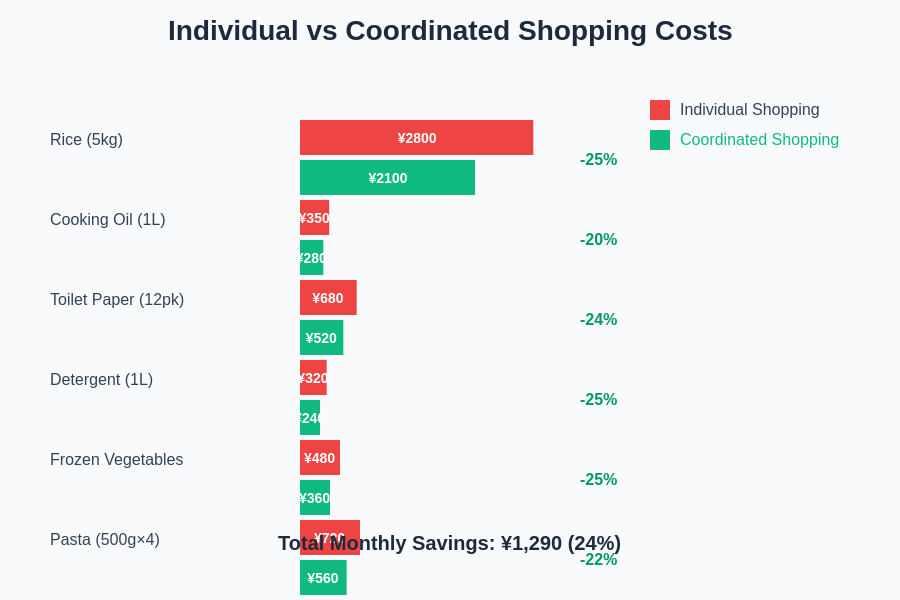
The financial mathematics of coordinated shopping becomes compelling when residents realize the substantial savings available through bulk purchasing strategies that individual shoppers cannot access. Tokyo’s retail landscape offers significant price advantages for larger quantities across categories ranging from household supplies to fresh ingredients, making group coordination an economic necessity rather than merely a convenience.
Understanding how much Tokyo sharehouses really cost per month reveals that grocery expenses often represent the largest controllable variable in monthly budgets, creating strong incentives for residents to collaborate on purchasing decisions. The price differential between individual portions and family-sized packages can range from twenty to forty percent, translating into substantial monthly savings for coordinated households.
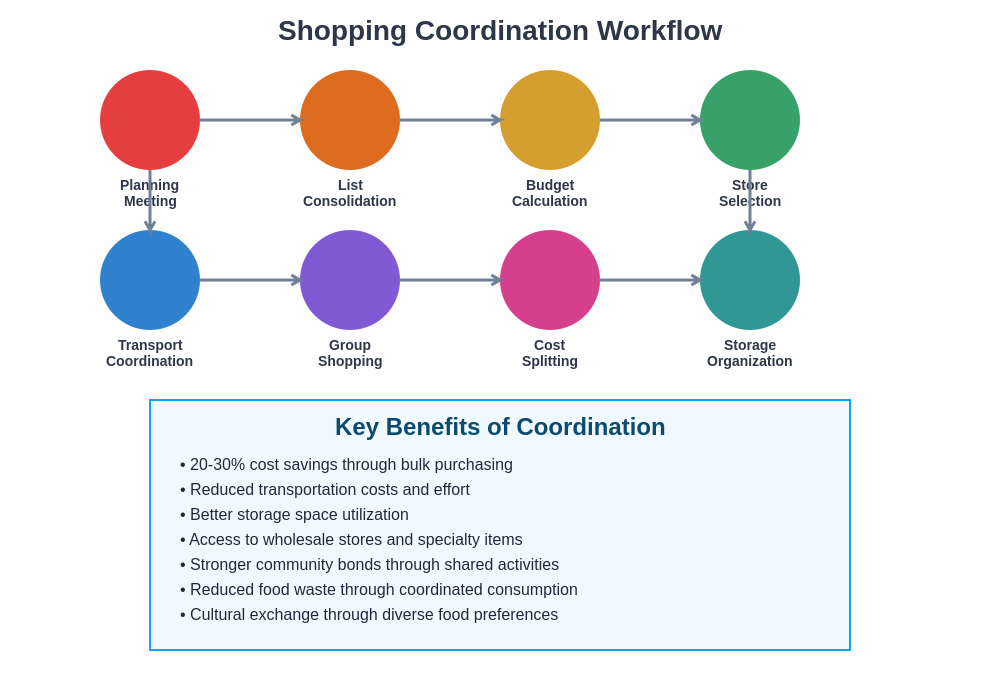
Wholesale stores and membership-based retailers like Costco provide access to international brands and specialty items that individual residents might otherwise forgo due to cost considerations. The membership fees and minimum purchase requirements that make these venues impractical for solo shoppers become reasonable when distributed across multiple residents, opening up entirely new shopping possibilities for the household.
The cumulative effect of coordinated bulk purchasing extends beyond immediate savings to influence long-term budgeting patterns and lifestyle choices. Residents often discover that the money saved through group coordination can be redirected toward other priorities such as travel, entertainment, or skill development opportunities that enhance their overall Tokyo experience.
Storage Space Optimization and Logistics
The physical constraints of sharehouse living create compelling reasons for shopping coordination that extend beyond simple cost considerations to encompass efficient utilization of limited storage resources. Living costs in Tokyo sharehouses explained highlights how storage limitations affect purchasing decisions and household dynamics in ways that individual apartment dwellers rarely encounter.
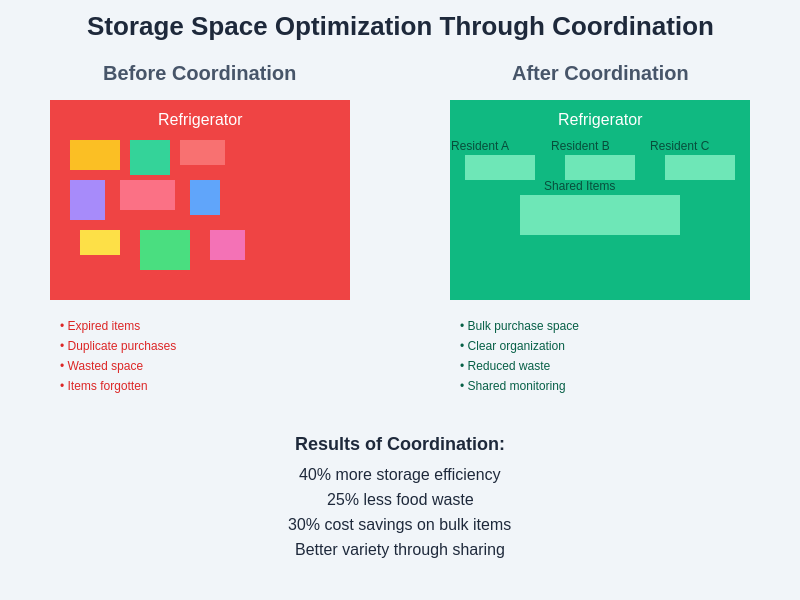
Refrigerator space allocation becomes a complex negotiation process that requires advance planning and clear communication protocols to prevent conflicts over territory and food safety. The challenge intensifies during bulk purchasing trips when large quantities of perishable items must be efficiently distributed and stored according to individual preferences and dietary restrictions.
Pantry organization systems must accommodate multiple residents’ purchases while maintaining clear ownership boundaries and preventing accidental consumption of others’ items. The development of labeling systems, storage rotation protocols, and inventory tracking methods becomes essential for maintaining household harmony and preventing waste from misplaced or forgotten items.
The logistics of transporting bulk purchases from store to sharehouse present additional coordination challenges, particularly for residents without personal vehicles who must rely on public transportation or delivery services. The weight limits and size constraints of Tokyo’s train system make it impractical for individuals to transport large quantities of purchases, necessitating group coordination for efficient distribution of carrying responsibilities.
Meal Planning and Dietary Coordination
The intersection of shopping coordination with meal planning creates opportunities for enhanced community building while simultaneously addressing practical challenges related to kitchen access, cooking schedules, and ingredient sharing. Japanese sharehouse rules every foreigner should know often include guidelines for shared cooking arrangements that make coordinated shopping particularly valuable.
Shared meal planning reduces individual cooking burdens while creating opportunities for cultural exchange through food preparation and recipe sharing. The coordination required for planning group meals naturally leads to more efficient shopping trips that account for multiple dietary preferences and cooking skill levels, resulting in more diverse and interesting meal options for all residents.
Ingredient sharing arrangements allow residents to access higher-quality products and specialty items that would be prohibitively expensive for individual purchase. The ability to split costs on premium ingredients enables experimentation with new cuisines and cooking techniques that contribute to the cultural learning experience that many residents seek in sharehouse living.
The development of cooking rotation schedules and responsibility-sharing systems creates natural opportunities for shopping coordination as residents plan their assigned cooking days and coordinate ingredient needs with others’ meal plans. This systematic approach to meal coordination often becomes one of the most valued aspects of sharehouse community life.
Reducing Food Waste Through Strategic Purchasing
Coordinated shopping strategies significantly reduce food waste by enabling more accurate quantity planning and efficient consumption of perishable items before spoilage occurs. How to budget realistically for sharehouse living emphasizes how waste reduction contributes to overall financial efficiency in shared living situations.
The challenge of estimating appropriate quantities for individual consumption becomes more manageable when multiple residents coordinate their purchases and consumption patterns. Shared purchasing of perishable items allows for more accurate quantity planning while providing flexibility for residents with varying appetites and eating schedules.
The implementation of shared consumption agreements for items with short shelf lives creates natural incentives for communication about meal timing and ingredient usage. These arrangements often evolve into informal cooking partnerships and meal sharing that enhance community bonds while ensuring optimal utilization of purchased food items.
Leftover management systems become more sophisticated in coordinated households, with residents developing protocols for sharing excess food and repurposing ingredients across multiple meals. The collaborative approach to waste reduction often leads to creative cooking solutions and recipe development that benefit the entire household community.
Transportation and Convenience Factors
The practical challenges of navigating Tokyo’s transportation system with shopping loads make coordination essential for residents who rely on trains and buses for their mobility needs. How commute times impact your quality of life explores how transportation limitations affect daily activities and decision-making processes for sharehouse residents.
Coordinated shopping trips allow residents to share transportation costs and logistics, making it feasible to access stores that would be impractical for individual visits. The ability to split taxi fares or coordinate delivery services enables access to wholesale markets, specialty stores, and distant shopping venues that offer better selection or pricing than neighborhood options.
The timing coordination required for group shopping trips often leads to more efficient overall time management as residents align their schedules and combine multiple errands into single outings. This systematic approach to errand coordination frequently extends beyond shopping to include other activities such as administrative tasks, medical appointments, and recreational activities.
Delivery service coordination becomes particularly valuable for heavy items, bulk purchases, and specialty products that are difficult to transport via public transportation. How to find the perfect sharehouse in Tokyo discusses how location considerations should include access to delivery services and shopping convenience.
Building Community Through Shared Activities
Shopping coordination creates natural opportunities for community building and relationship development among residents who might otherwise have limited interaction due to different schedules and lifestyle patterns. Making friends through Tokyo sharehouse communities highlights how shared activities contribute to meaningful relationship formation in diverse living environments.
The planning and execution of coordinated shopping trips require communication, compromise, and collaboration that help residents develop better understanding of each other’s preferences, constraints, and personalities. These interactions often serve as foundation for deeper friendships and cultural exchange opportunities that enhance the overall sharehouse experience.
Decision-making processes around shopping coordination provide practice in cross-cultural communication and conflict resolution skills that prove valuable in other aspects of shared living. The necessity of accommodating different cultural approaches to shopping, budgeting, and household management creates learning opportunities that contribute to personal growth and cultural competency.
The celebration of successful coordination efforts and the sharing of discovered products or stores create positive reinforcement cycles that strengthen community bonds and encourage continued collaboration. These shared victories contribute to the development of household traditions and customs that define the unique character of each sharehouse community.
Seasonal and Cultural Shopping Considerations
Tokyo’s distinct seasonal patterns create specific coordination needs related to seasonal food items, holiday celebrations, and climate-appropriate products that require advance planning and group coordination. Living with Japanese roommates in Tokyo sharehouses explores how cultural differences affect seasonal shopping patterns and household coordination.
The coordination of special occasion shopping for festivals, holidays, and cultural celebrations requires understanding and accommodation of different cultural traditions and dietary requirements. Group planning for these events often leads to interesting fusion celebrations that incorporate elements from multiple cultural backgrounds represented in the household.
Seasonal bulk purchasing for items such as winter clothing, heating supplies, or summer cooling products becomes more feasible through group coordination, allowing residents to access better prices and selection through collective purchasing power. The shared storage and potential sharing of seasonal items creates additional opportunities for cost savings and resource efficiency.
The introduction of residents to Japanese seasonal shopping customs and specialty items creates cultural learning opportunities while building appreciation for local traditions and products. These educational aspects of coordinated shopping often become highlight experiences that residents remember long after their sharehouse tenure ends.
Technology and Communication Tools
Modern coordination efforts benefit significantly from digital tools and communication platforms that streamline planning, purchasing, and expense tracking processes. How shared expense apps create new problems examines both the benefits and potential complications of technology-assisted coordination systems.
Shared shopping list applications allow residents to coordinate needs in real-time while preventing duplicate purchases and ensuring that all required items are included in shopping trips. The ability to add items throughout the week and coordinate preferences before shopping trips reduces the time required for planning and increases the efficiency of actual shopping activities.
Expense tracking and splitting applications simplify the financial coordination aspects of group shopping while providing transparency and accountability that helps prevent conflicts over money and fairness. The automated calculation and tracking features reduce the administrative burden of coordination while ensuring accurate cost distribution among participating residents.
Communication platforms dedicated to household coordination help residents stay informed about shopping plans, schedule changes, and special requirements without overwhelming their primary communication channels. The development of effective communication protocols becomes essential for successful long-term coordination efforts.
Challenges and Conflict Resolution
Despite the numerous benefits of shopping coordination, the process inevitably creates challenges and potential conflict points that require proactive management and clear resolution protocols. How to handle roommate conflicts without moving out provides strategies for addressing coordination-related disputes before they escalate into serious problems.
Differences in quality preferences, brand loyalties, and spending priorities can create tension during group decision-making processes, particularly when residents have significantly different financial situations or cultural backgrounds. The development of fair compromise strategies and rotation systems helps address these differences while maintaining group cohesion.
Schedule coordination challenges arise when residents have conflicting availability or different urgency levels for shopping needs, requiring flexibility and backup planning to ensure that essential purchases can be completed even when ideal coordination is not possible. The establishment of emergency protocols and individual backup options helps prevent coordination failures from creating household crises.
Responsibility distribution and accountability systems must address situations where some residents consistently contribute less effort, time, or financial resources to coordinated activities, creating resentment and potential breakdown of cooperation. Clear agreements about expectations and consequences help maintain fairness and sustained participation.
The complexity of coordinated shopping systems can become overwhelming for new residents or during periods of high turnover, requiring documentation, training, and mentorship systems to maintain effectiveness. Best Tokyo neighborhoods for sharehouse living discusses how neighborhood characteristics affect the complexity of coordination needs.
Long-term Benefits and Sustainability
The development of effective shopping coordination systems creates lasting value that extends beyond immediate cost savings and convenience to encompass skill development, relationship building, and preparation for future shared living or family situations. Real stories from Tokyo sharehouse residents includes testimonials about how coordination skills learned in sharehouses proved valuable in subsequent life situations.
Financial literacy and budgeting skills developed through group coordination often represent significant personal development outcomes that benefit residents throughout their lives. The practical experience with expense tracking, cost comparison, and resource optimization provides valuable life skills that many residents had not previously developed through individual living situations.
The communication and collaboration skills required for successful coordination translate directly to professional and personal relationship contexts, making the coordination experience valuable preparation for career advancement and future relationship building. The multicultural context of most Tokyo sharehouses adds additional value through cross-cultural competency development.
Environmental consciousness often develops naturally through coordination efforts as residents become more aware of packaging waste, transportation impacts, and consumption patterns through the group planning process. How sustainability values affect household consumption patterns explores how environmental awareness influences sharehouse coordination decisions.
The mastery of coordination systems and the positive community outcomes they generate often become sources of pride and accomplishment that contribute to residents’ overall satisfaction with their sharehouse experience and their confidence in their ability to navigate complex social and logistical challenges in cross-cultural environments.
Shopping trip coordination emerges as a necessity in Tokyo sharehouses not merely due to economic pressures or logistical constraints, but because it represents an essential mechanism for building community, developing life skills, and creating sustainable approaches to shared living that benefit all residents both during their sharehouse tenure and beyond.
Disclaimer
This article is for informational purposes only and reflects general experiences in Tokyo sharehouse living. Individual sharehouse policies, local shopping options, and coordination needs may vary significantly. Readers should communicate with current residents and house management to understand specific coordination systems and expectations before implementing group shopping strategies. The effectiveness of coordination approaches depends on resident participation, cultural dynamics, and local shopping infrastructure.