Winter in Tokyo brings unique challenges that transform the dynamics of sharehouse living, with snow removal emerging as one of the most significant shared responsibilities that residents must navigate together. The seemingly simple task of clearing snow becomes a complex web of legal obligations, community cooperation, safety concerns, and cultural expectations that can make or break the harmony within a shared living environment during Japan’s challenging winter months.
The transition from individual apartment living to sharehouse community life becomes particularly pronounced during winter weather events, when the collective well-being of all residents depends on coordinated efforts to maintain safe and accessible living conditions. Understanding why snow removal becomes a shared responsibility requires examining the intersection of Japanese property law, municipal regulations, insurance requirements, and the practical realities of managing multi-resident buildings during severe weather conditions.
Legal Framework and Property Management Obligations
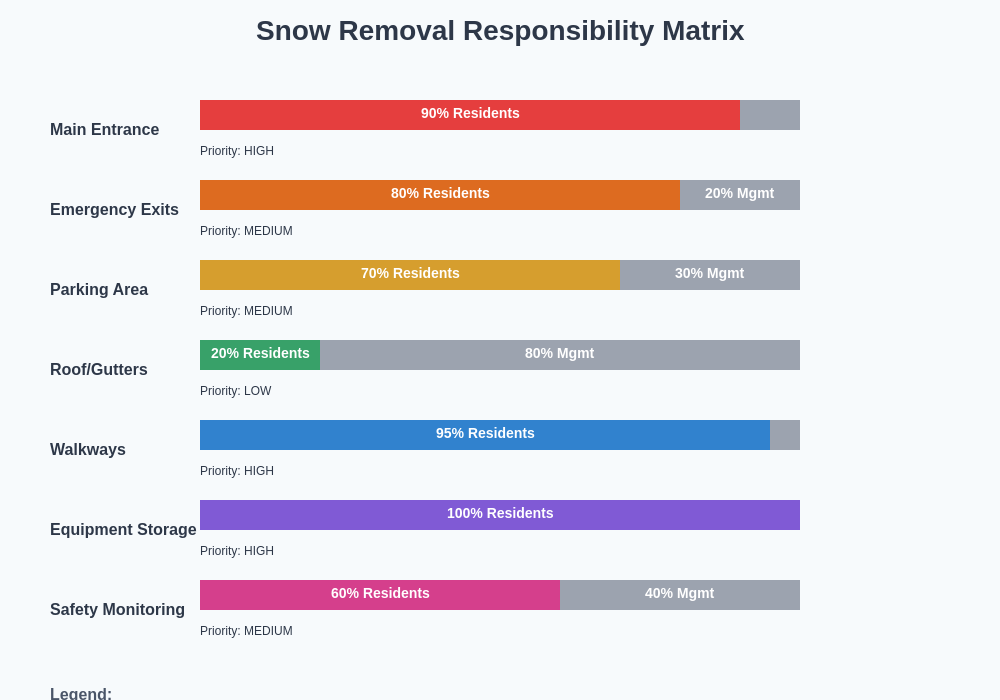
Japanese property law establishes clear hierarchies of responsibility for building maintenance and safety, with snow removal falling into a complex category that affects both property owners and tenants in sharehouse arrangements. Japanese sharehouse rules every foreigner should know provides essential context for understanding how these legal frameworks apply to daily sharehouse operations and resident obligations.
Property management companies typically retain ultimate legal responsibility for ensuring safe access to buildings, but the practical implementation of snow removal often requires immediate action that cannot wait for professional services during heavy snowfall periods. This creates a practical necessity for resident participation that goes beyond simple courtesy and becomes essential for maintaining basic safety standards and legal compliance with municipal accessibility requirements.
Municipal regulations in Tokyo and surrounding areas often mandate that property owners maintain clear pedestrian access within specific timeframes following snowfall events, creating time pressure that makes resident cooperation not just helpful but legally necessary. Living costs in Tokyo sharehouses explained explores how these maintenance requirements factor into overall living expenses and management fee structures that residents ultimately support through their monthly payments.
Insurance considerations further complicate the responsibility matrix, as slip-and-fall accidents on uncleared snow can create significant liability issues that affect both individual residents and property management companies. Understanding these legal frameworks helps residents appreciate why snow removal cooperation becomes a mandatory rather than voluntary aspect of sharehouse community living during winter months.
Practical Challenges of Professional Snow Removal Services
The logistics of coordinating professional snow removal services for residential sharehouses presents numerous challenges that make resident participation essential for maintaining safe living conditions during winter weather events. Professional snow removal companies in Tokyo operate with limited capacity during major snowfall events, often prioritizing commercial properties and major residential complexes over smaller sharehouse buildings that house fewer residents.
Cost considerations make professional snow removal services prohibitively expensive for many sharehouse operators, particularly when multiple clearing sessions may be required during extended snowfall periods or when temperatures remain below freezing for several consecutive days. The financial burden of hiring professional services multiple times per winter season would significantly increase operational costs that would ultimately be passed on to residents through higher monthly fees or special assessments.
Timing constraints create additional complications, as professional services cannot guarantee immediate response times during peak demand periods when multiple properties require simultaneous attention throughout the metropolitan area. Heavy snowfall events often occur during nighttime or early morning hours when professional services may not be immediately available, creating safety hazards that require immediate resident action to prevent accidents and maintain building accessibility.
How to find the perfect sharehouse in Tokyo discusses how winter maintenance capabilities should factor into property selection decisions, as buildings without adequate resident cooperation systems for snow removal may experience significant accessibility and safety issues during winter weather events.
The geographical distribution of professional snow removal services also creates challenges, as companies may not service all areas of Tokyo equally, leaving some neighborhoods with limited options during emergency situations when rapid snow clearing becomes essential for emergency vehicle access and resident safety.
Community Cooperation and Social Dynamics
Snow removal responsibilities create unique opportunities for building community bonds while simultaneously testing the social fabric of sharehouse relationships through shared physical labor and coordinated effort requirements. The collaborative nature of snow clearing activities often reveals underlying personality traits and community commitment levels that may not be apparent during normal daily interactions among residents.
Cultural differences in work ethic, physical capability expectations, and collective responsibility concepts can create tension when some residents enthusiastically participate in snow removal while others avoid or minimize their contributions to shared labor requirements. Living with Japanese roommates in Tokyo sharehouses provides insights into how cultural expectations around group responsibility can influence winter maintenance participation and community harmony.
The physical demands of snow removal create natural divisions based on age, health status, and physical capability, requiring communities to develop equitable systems that account for varying ability levels while ensuring adequate participation from all residents who are capable of contributing to snow clearing efforts. Successful sharehouse communities often develop rotation systems or alternative contribution methods that allow less physically capable residents to support snow removal efforts through equipment provision, coordination activities, or post-clearing cleanup tasks.
Communication challenges emerge when snow removal needs arise suddenly during nighttime or early morning hours, requiring communities to establish efficient notification systems and response protocols that can mobilize adequate numbers of residents quickly enough to prevent safety hazards from developing. Making friends through Tokyo sharehouse communities explores how shared challenges like winter maintenance can strengthen community bonds when handled cooperatively.
Leadership dynamics often emerge organically during snow removal activities, as residents with experience, physical capability, or natural organizational skills tend to coordinate efforts and direct less experienced community members in efficient snow clearing techniques and safety protocols.
Safety Considerations and Risk Management
Winter weather safety extends far beyond simple convenience, creating genuine health and emergency access concerns that make prompt snow removal a critical safety requirement rather than merely an aesthetic preference for maintaining tidy building appearances. Uncleared snow and ice create significant slip-and-fall hazards that can result in serious injuries, particularly for elderly residents or those with mobility challenges who may have difficulty navigating icy surfaces even with careful movement.
Emergency vehicle access becomes compromised when snow accumulation blocks driveways, walkways, or street access points, potentially creating life-threatening situations if ambulances, fire trucks, or other emergency services cannot reach the building quickly during medical emergencies or other urgent situations requiring immediate professional response.
Structural safety concerns arise when heavy snow accumulation on building roofs, balconies, or other architectural features exceeds design load limits, creating potential collapse hazards that require monitoring and removal beyond simple walkway clearing activities. Best sharehouses in Tokyo discusses how building design and maintenance capabilities should influence housing selection decisions for residents concerned about winter safety issues.
Carbon monoxide risks increase during winter months when heating systems operate continuously and ventilation may be restricted, making it essential to maintain clear exhaust vents and ensuring that snow accumulation does not block crucial building ventilation systems that prevent dangerous gas buildup in living spaces.
Personal safety during snow removal activities presents its own risks, as residents may injure themselves through overexertion, improper lifting techniques, or accidents with snow removal tools, requiring communities to establish safety protocols and ensure that participation remains voluntary for residents with health conditions that make physical labor inadvisable.
Equipment Management and Resource Allocation
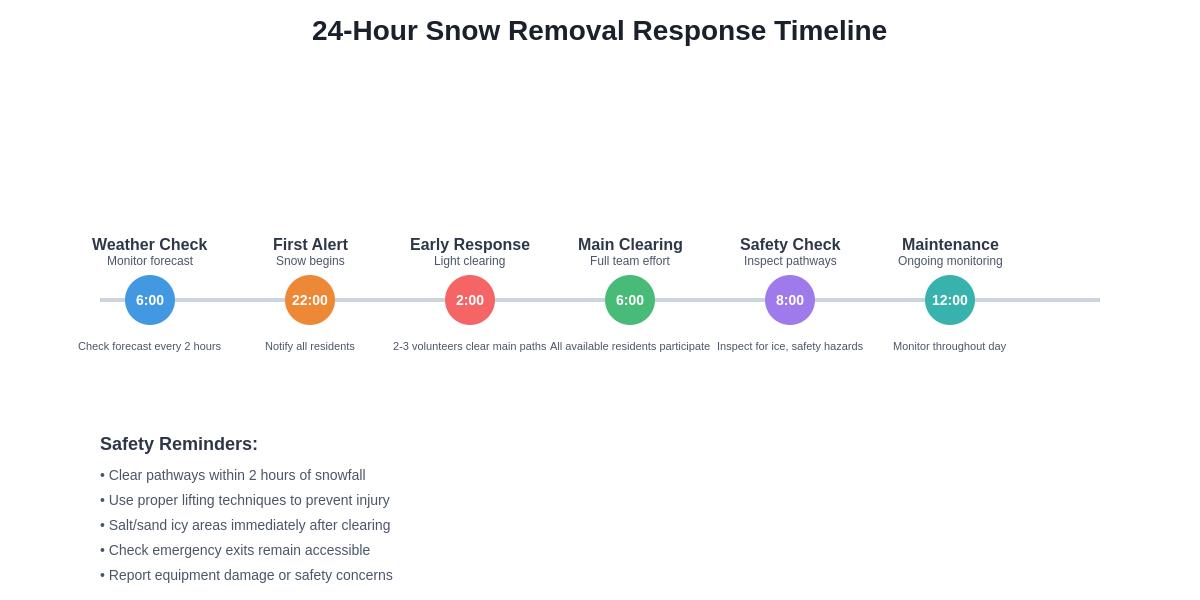
Effective snow removal requires proper tools and equipment that must be acquired, maintained, and stored throughout the year, creating ongoing logistical and financial considerations for sharehouse communities that extend well beyond the actual snow clearing activities themselves. Understanding utility bills in Japanese sharehouses explains how equipment costs and storage considerations factor into overall living expenses and space allocation decisions within shared living environments.
Tool procurement involves decisions about quality, quantity, and types of equipment needed to handle various snow conditions, from light powder snow to heavy wet snow and ice formation, requiring investment in different types of shovels, scrapers, and potentially mechanical equipment for larger properties or areas with heavy snowfall patterns.
Storage solutions present ongoing challenges in space-constrained sharehouse environments where individual residents already compete for limited storage areas, making it necessary to designate specific areas for community snow removal equipment that remain accessible during emergency situations while not interfering with daily living space requirements.
Maintenance responsibilities for community snow removal equipment require regular inspection, repair, and replacement schedules that must be coordinated among residents and potentially funded through community resources or special assessments when equipment reaches the end of its useful life or becomes damaged through regular use.
Equipment sharing protocols become essential when multiple residents need access to limited tools simultaneously during major snowfall events, requiring coordination systems and usage schedules that ensure fair access while maximizing the efficiency of snow clearing efforts across all necessary areas of the property.
Scheduling and Coordination Systems
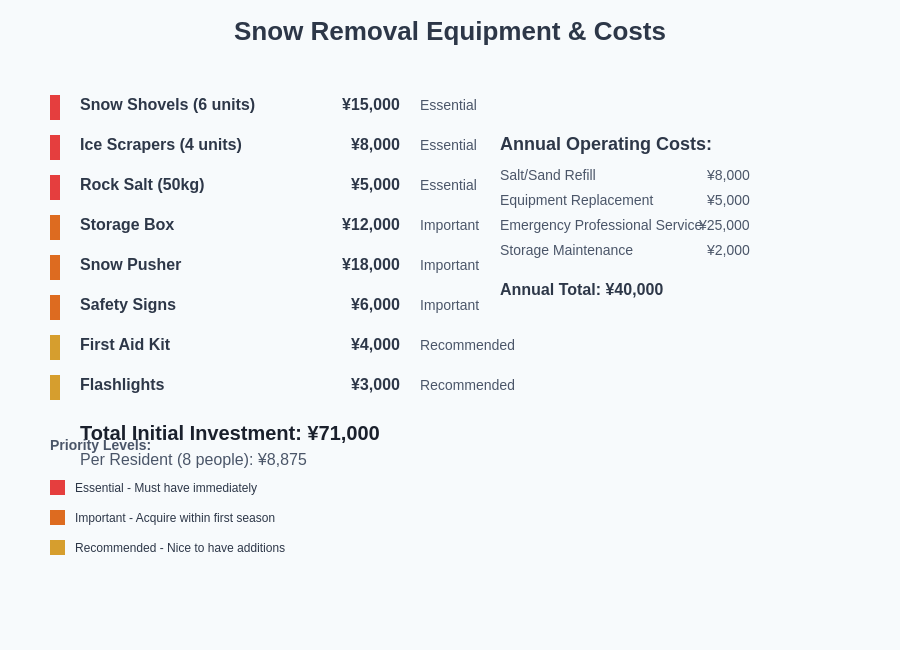
Effective snow removal requires sophisticated coordination systems that can mobilize residents quickly during unpredictable weather events while accounting for varying work schedules, physical capabilities, and availability levels that change throughout the winter season. Student sharehouses near top Tokyo universities discusses how academic schedules and exam periods can affect resident availability for community maintenance activities during winter months.
Weather monitoring and alert systems become essential for communities that need to prepare for snowfall events and coordinate response efforts before snow accumulation creates safety hazards or becomes too deep for efficient removal with basic hand tools and resident labor alone. Early warning systems allow communities to prepare equipment, notify residents, and potentially begin snow removal activities during lighter snowfall periods before conditions worsen.
Work schedule coordination requires understanding resident employment patterns, shift work requirements, and availability limitations that may prevent some residents from participating in snow removal activities during traditional morning or evening timeframes when snow clearing typically occurs following overnight snowfall events.
Communication protocols must function effectively during early morning hours or adverse weather conditions when normal social interaction patterns may be disrupted, requiring reliable notification methods that can reach all residents quickly and coordinate response efforts without creating excessive disturbance for those not participating in immediate snow removal activities.
Backup planning becomes crucial when primary snow removal participants are unavailable due to illness, travel, or other commitments, requiring communities to maintain roster systems and alternative coordination methods that ensure adequate response capability even when key community members are temporarily unavailable.
Financial Implications and Cost Distribution
Snow removal responsibilities create both direct and indirect financial impacts that affect all sharehouse residents regardless of their personal participation levels in physical snow clearing activities. How much Tokyo sharehouses really cost per month provides context for understanding how winter maintenance costs integrate into overall living expenses and community financial planning considerations.
Equipment costs require upfront investment and ongoing replacement expenses that must be allocated among residents through direct contribution systems or integrated into monthly fee structures that account for seasonal maintenance requirements and community resource needs throughout the year.
Professional service backup costs may be necessary during severe weather events when resident efforts prove insufficient or when emergency clearing becomes necessary for safety reasons, creating potential special assessment situations that require advance planning and financial reserve management by sharehouse communities.
Insurance cost implications may arise when communities fail to maintain adequate snow removal practices, potentially affecting liability coverage rates or creating situations where insurance claims become more likely due to preventable slip-and-fall accidents or emergency access limitations during severe weather events.
Property value considerations connect snow removal practices to long-term building maintenance and community reputation factors that can affect future rental demand and property desirability among potential residents evaluating winter living conditions during housing selection processes.
Long-term Community Impact and Relationship Building
Shared snow removal responsibilities often serve as defining experiences that shape long-term community dynamics and establish patterns of cooperation that extend throughout the year into other areas of sharehouse management and resident interaction. Real stories from Tokyo sharehouse residents includes numerous accounts of how winter challenges strengthen or strain community relationships depending on how effectively residents navigate shared responsibility systems.
Trust building occurs naturally when residents demonstrate reliability and commitment during physically demanding and time-sensitive snow removal activities, creating foundations for cooperation in other areas of community life and establishing social credit that enhances overall living experience quality for all participants.
Conflict resolution skills develop through the necessity of working through disagreements about participation levels, technique preferences, and resource allocation decisions that arise during high-stress situations when immediate action becomes necessary for safety and accessibility maintenance.
Leadership emergence often occurs organically during snow removal activities as residents with relevant experience, organizational skills, or natural authority take initiative in coordinating community efforts and establishing systems that improve efficiency and fairness in shared responsibility distribution.
Cultural exchange opportunities arise when residents from different climatic backgrounds share knowledge about snow removal techniques, winter safety practices, and community cooperation strategies that reflect diverse approaches to collective responsibility and seasonal adaptation.
The experience of successfully managing shared snow removal responsibilities creates templates for addressing other community challenges throughout the year, establishing precedents for communication, coordination, and resource sharing that improve overall sharehouse functionality and resident satisfaction across multiple areas of shared living management.
Snow removal as shared responsibility represents far more than simple winter maintenance, serving as a microcosm of community cooperation that tests and strengthens the social bonds essential for successful sharehouse living throughout the year. Understanding these dynamics helps residents appreciate the broader significance of winter weather cooperation while preparing them to contribute effectively to community safety and harmony during Japan’s challenging winter months.
Disclaimer
This article is for informational purposes only and does not constitute legal or safety advice. Snow removal requirements and responsibilities may vary by location, building type, and lease agreement terms. Readers should consult with property management companies and local authorities regarding specific obligations and safety protocols. Weather conditions and individual physical capabilities vary significantly, and readers should prioritize personal safety when participating in snow removal activities.