Understanding why certain areas experience higher crime rates than others represents a crucial consideration for anyone choosing where to live in Tokyo, particularly international residents who may be unfamiliar with local safety patterns and risk factors. The distribution of criminal activity across Tokyo’s vast metropolitan area follows complex patterns influenced by demographic, economic, social, and urban planning factors that create distinct safety profiles for different neighborhoods and districts.
For sharehouse residents, comprehending these crime patterns becomes especially important since shared living arrangements may present unique security challenges and opportunities compared to traditional apartment living. The intersection of location choice, building security, and community dynamics significantly influences personal safety and overall quality of life, making informed neighborhood selection a fundamental aspect of successful Tokyo living.
Economic Disparities and Crime Correlation
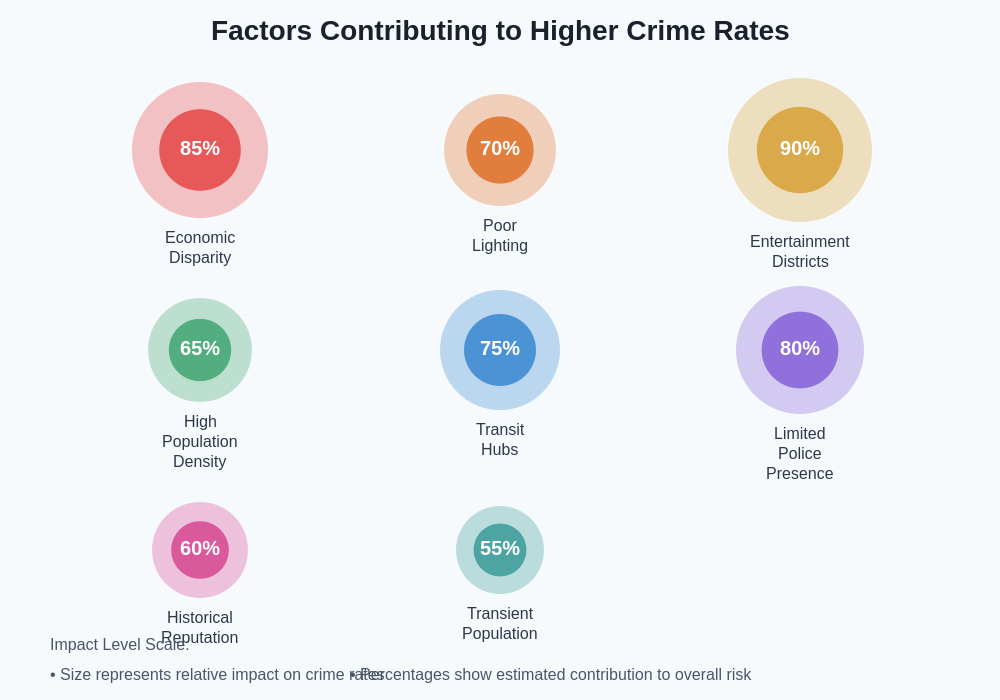
Economic inequality serves as one of the most significant predictors of crime rates across urban environments, and Tokyo demonstrates clear patterns where areas with lower average incomes and limited economic opportunities tend to experience higher levels of certain types of criminal activity. Living costs in Tokyo sharehouses explained reveals how economic pressures affect different neighborhoods, influencing both crime rates and housing affordability for international residents.
Areas with high concentrations of day laborers, temporary workers, and economically marginalized populations often exhibit elevated rates of petty crime, substance abuse issues, and social disorder that can impact overall neighborhood safety and livability. These economic pressures create environments where illegal activities may seem more attractive or necessary for survival, leading to sustained patterns of criminal behavior that persist across generations.
The relationship between economic development and crime prevention becomes particularly evident in Tokyo’s ongoing urban renewal projects, where investment in infrastructure, commercial development, and community services consistently correlates with reduced crime rates and improved social conditions. How to find the perfect sharehouse in Tokyo emphasizes the importance of evaluating neighborhood economic indicators when selecting housing locations.
Understanding these economic factors helps sharehouse residents make informed decisions about location trade-offs between affordability and safety, recognizing that cheaper housing options may come with increased security risks that require additional precautionary measures and awareness.
Urban Design and Environmental Crime Prevention
The physical layout and design characteristics of neighborhoods play crucial roles in either facilitating or preventing criminal activity through principles of environmental criminology and crime prevention through environmental design. Areas with poor lighting, inadequate surveillance, multiple escape routes, and limited natural observation opportunities create conditions that encourage criminal behavior while deterring law-abiding activities.
Tokyo’s older districts often feature narrow streets, limited lighting, and complex building layouts that can create blind spots and isolated areas where criminal activity may occur with reduced risk of detection or intervention. Why neighborhood safety changes after dark demonstrates how environmental factors significantly impact personal security during evening and nighttime hours.
Conversely, neighborhoods with open sight lines, adequate street lighting, busy pedestrian traffic, and active commercial areas benefit from natural surveillance and increased social presence that deters most types of criminal activity. Modern urban planning principles increasingly incorporate these design elements to create inherently safer public spaces and residential environments.
Transportation infrastructure also influences crime patterns, with areas near major train stations often experiencing higher rates of certain crimes due to increased foot traffic, anonymity, and transient populations, while remote areas may suffer from isolation-related security vulnerabilities. Best Tokyo neighborhoods for sharehouse living considers these environmental factors when evaluating residential desirability.
Demographic Composition and Social Dynamics
The demographic makeup of neighborhoods significantly influences crime rates through various social mechanisms including community cohesion, informal social control, collective efficacy, and cultural norms regarding acceptable behavior. Areas with stable, long-term resident populations tend to develop stronger social networks and community oversight that naturally discourages criminal activity.
High-turnover neighborhoods, including areas with concentrations of temporary workers, students, or transient populations, may lack the social cohesion necessary for effective informal crime prevention, leading to increased opportunities for criminal behavior and reduced community response to security concerns. Making friends through Tokyo sharehouse communities explores how social connections contribute to neighborhood safety and security.
Age demographics also play important roles, with areas having large concentrations of young adults often experiencing different crime patterns compared to family-oriented or elderly-dominated neighborhoods. Young adult populations may generate more noise complaints, alcohol-related incidents, and late-night disturbances, while also providing increased street-level activity that can deter more serious crimes.
Cultural and linguistic diversity can create both challenges and opportunities for crime prevention, with communication barriers potentially hindering community cooperation while cultural exchange and international awareness may reduce xenophobia-related incidents and discrimination. Living with Japanese roommates in Tokyo sharehouses addresses cross-cultural dynamics that affect community safety.
Commercial Activity and Entertainment Districts
Areas with high concentrations of bars, nightclubs, pachinko parlors, and adult entertainment establishments consistently demonstrate elevated crime rates due to the combination of alcohol consumption, large cash transactions, late-night activity, and the presence of organized crime elements that often influence these industries in Japan.
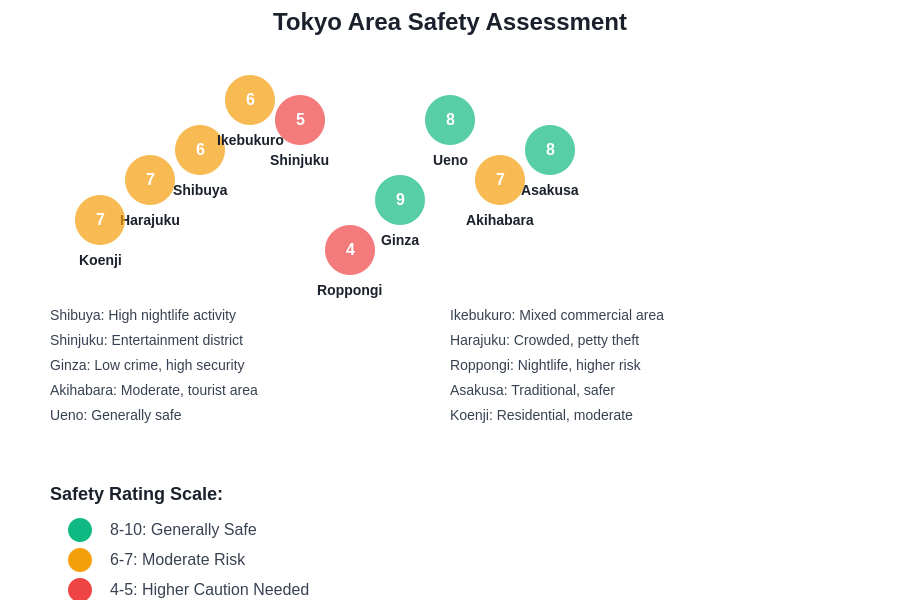
Entertainment districts such as Kabukicho in Shinjuku, parts of Shibuya, and various red-light areas throughout Tokyo experience significantly higher rates of assault, theft, fraud, and drug-related offenses compared to residential or business districts. Business district sharehouses near Tokyo Station contrasts the safety profiles of commercial versus entertainment-focused areas.
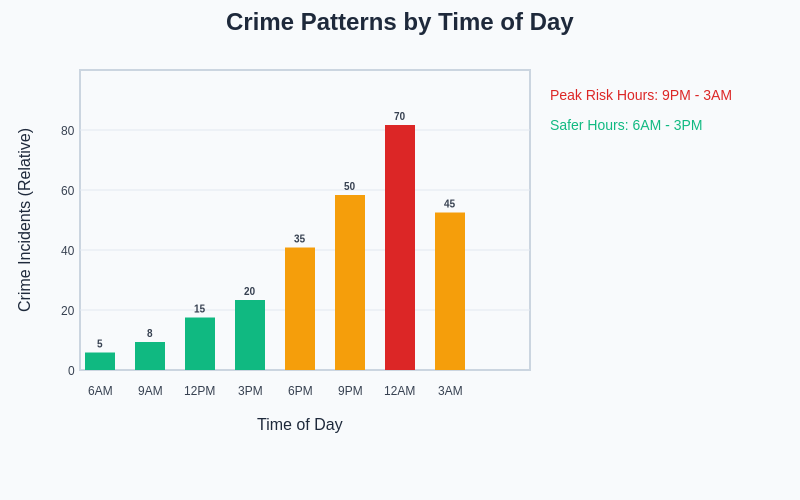
The temporal nature of crime in these areas creates distinct risk patterns, with most incidents occurring during late evening and early morning hours when alcohol consumption peaks and legitimate businesses close, leaving streets to entertainment venues and their associated activities. Understanding these patterns helps residents navigate these areas safely while recognizing when elevated caution becomes necessary.
Commercial areas also attract property crimes such as bicycle theft, purse snatching, and fraud schemes that target both locals and tourists who may be carrying larger amounts of cash or valuable items while shopping and dining.
Transportation Hubs and Transit Crime
Major transportation centers including train stations, subway stops, and bus terminals serve as focal points for various types of criminal activity due to the convergence of large numbers of people, anonymity provided by crowds, and the transient nature of these environments that complicates law enforcement and victim identification.
Pickpocketing, groping incidents, and fraud schemes frequently occur in crowded transportation areas where perpetrators can blend into crowds and quickly escape via multiple transit routes. Commute times impact your quality of life discusses how transportation choices affect daily exposure to these security risks.
Areas immediately surrounding major stations often experience spillover effects from transportation-related crime, with parking areas, surrounding streets, and nearby businesses facing increased risks of theft, vandalism, and other opportunistic crimes committed by individuals using public transit for quick escape routes.
The concentration of valuable targets around transportation hubs, including commuters with expensive electronics, business travelers with luggage, and tourists with cameras and cash, creates attractive opportunities for various types of theft and fraud that contribute to elevated crime statistics in these areas.
Police Presence and Law Enforcement Resources
The distribution of police resources across Tokyo’s various districts creates significant disparities in response times, patrol frequency, and overall law enforcement visibility that directly impact crime rates and community safety perceptions. Areas with higher police presence typically experience deterrent effects that reduce both actual crime rates and fear of crime among residents.
Koban (police boxes) placement and staffing levels vary considerably across neighborhoods, with some areas benefiting from multiple nearby facilities while others may have limited immediate police access during emergencies or routine security concerns. Japanese sharehouse rules every foreigner should know includes information about interacting with local law enforcement and reporting procedures.
Police patrol patterns and community policing initiatives also vary by district, with some areas receiving proactive crime prevention programs while others rely primarily on reactive response to reported incidents. These differences significantly influence both crime prevention effectiveness and community confidence in law enforcement protection.
Resource allocation decisions often prioritize areas with higher property values, greater political influence, or more severe existing crime problems, potentially creating cycles where under-resourced areas continue to experience elevated crime rates due to insufficient prevention and enforcement efforts.
Historical Factors and Neighborhood Reputation
Long-standing historical factors continue to influence crime patterns in certain Tokyo areas, with neighborhoods that historically housed marginalized populations, illegal activities, or social problems often maintaining elevated crime rates despite decades of urban development and demographic changes. Real stories from Tokyo sharehouse residents provides insights into how historical neighborhood reputations affect current living experiences.
Areas with historical connections to organized crime, illegal gambling, or prostitution may continue to experience residual criminal activity even after official cleanup efforts, as established networks and territorial claims can persist across generations of law enforcement intervention attempts.
Neighborhood reputation effects create self-reinforcing cycles where areas perceived as dangerous may experience reduced investment, lower property values, and continued social problems that sustain actual crime rates matching public perceptions, regardless of current security conditions.
Understanding these historical contexts helps explain why certain areas maintain problematic safety profiles despite surface-level improvements, and why residents should research neighborhood histories when making housing decisions rather than relying solely on current appearances or marketing materials.
Seasonal and Temporal Crime Variations
Crime rates fluctuate significantly across different times of year, days of the week, and hours of the day, with patterns that vary by neighborhood characteristics and local activity schedules. Summer months typically see increased street crime due to longer daylight hours, more outdoor activity, and elevated social interactions, while winter periods may experience more property crimes as reduced street activity provides increased opportunities for break-ins and theft.
Holiday periods, festival seasons, and major events can dramatically alter local crime patterns, with some areas experiencing temporary increases in pickpocketing and fraud during tourist seasons, while other neighborhoods may see reduced crime during periods when regular residents travel or social venues close. How seasonal demand affects sharehouse prices explores how these temporal variations impact housing markets.
Weekend versus weekday crime patterns differ significantly between entertainment districts that see elevated weekend activity and business districts where weekday crimes may be more common. Understanding these temporal variations helps residents adjust their personal security practices based on location and timing of activities.
Late-night and early morning hours consistently represent higher-risk periods across most Tokyo areas, with reduced street lighting, fewer witnesses, and increased alcohol consumption creating conditions that facilitate various types of criminal behavior.
Building Security and Sharehouse-Specific Risks
Sharehouses present unique security considerations that differ from traditional apartment living, with factors such as multiple residents sharing access codes, frequent turnover creating unfamiliar faces, and shared common areas potentially reducing individual security control. How to spot financial red flags in sharehouse contracts includes security-related contract considerations.
Areas with high concentrations of sharehouses may experience different crime patterns compared to family-oriented residential neighborhoods, potentially including more transient criminal activity, noise-related disputes, and complications in establishing community security cooperation among constantly changing resident populations.
Building security features such as auto-locking doors, security cameras, and intercom systems vary significantly between sharehouses and can substantially impact resident safety regardless of neighborhood crime rates. Properties with inadequate security measures may experience internal theft, unauthorized access, and other security breaches that don’t appear in neighborhood crime statistics.
The social dynamics within sharehouses can either enhance or compromise security, with cohesive communities providing mutual protection and crime reporting, while dysfunctional house environments may create internal conflicts or security vulnerabilities that increase resident risk exposure.
Economic Development and Gentrification Effects
Ongoing urban development and gentrification processes significantly alter neighborhood crime patterns over time, with areas undergoing rapid economic change often experiencing transitional periods of increased criminal activity before stabilizing at lower crime rates. Cheaper sharehouse options in Tokyo suburbs discusses how development patterns affect housing affordability and safety.
Gentrification can displace existing criminal networks while simultaneously creating tensions between long-term residents and newcomers that may manifest in various forms of conflict and antisocial behavior. The process of neighborhood transformation often includes temporary increases in property crimes as economic displacement creates desperation among affected populations.
Investment in commercial development, improved infrastructure, and enhanced public services typically correlates with reduced crime rates over the long term, but the transition periods can create unpredictable security situations as established social patterns change and new community dynamics develop.
Areas experiencing rapid property value increases may attract both legitimate residents and criminal elements seeking to exploit newcomers unfamiliar with local conditions, creating mixed security environments during development phases.
Understanding these complex factors that contribute to varying crime rates across Tokyo’s diverse neighborhoods enables sharehouse residents to make informed location decisions, implement appropriate security measures, and adjust their personal safety strategies based on local risk profiles. While no area is completely crime-free, awareness of these underlying patterns helps residents navigate the city safely while enjoying the many benefits of Tokyo living.
The relationship between location choice and personal security represents just one consideration among many factors that influence sharehouse selection, but understanding why certain areas experience higher crime rates provides essential context for evaluating neighborhood safety and implementing effective personal security strategies throughout your Tokyo residence experience.
Disclaimer
This article is for informational purposes only and does not constitute professional security advice. Crime statistics and neighborhood conditions change over time, and individual experiences may vary significantly. Readers should conduct their own research, consult local authorities, and consider multiple sources of information when making housing and safety decisions. The effectiveness of security measures and crime prevention strategies may vary depending on specific circumstances and local conditions.