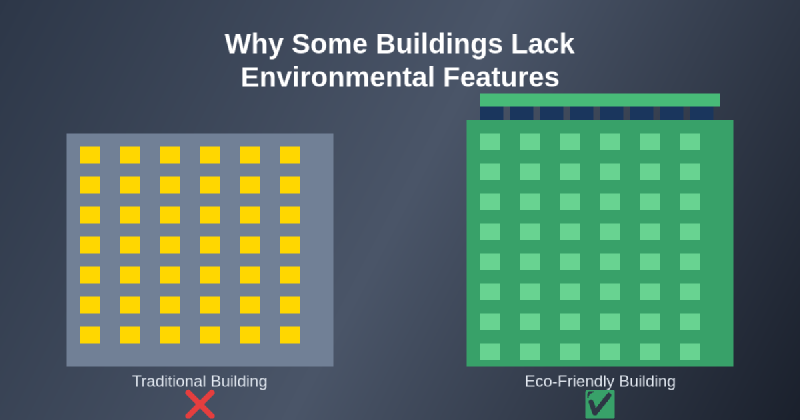
The absence of environmental features in many Tokyo sharehouse buildings represents a complex intersection of economic pressures, regulatory frameworks, and cultural priorities that directly impacts residents’ daily living experiences and long-term sustainability goals. Understanding why certain buildings continue to operate without modern environmental amenities provides crucial insights for prospective residents who prioritize eco-friendly living and helps explain the significant variations in environmental standards across Tokyo’s diverse housing market.
The environmental feature gap in Tokyo’s sharehouse market affects everything from monthly utility costs to indoor air quality, creating substantial differences in living experiences that extend far beyond simple comfort considerations. Why some buildings lack proper ventilation often correlates with broader environmental infrastructure deficiencies that compound resident challenges throughout different seasons and weather conditions.
Economic Constraints and Investment Priorities
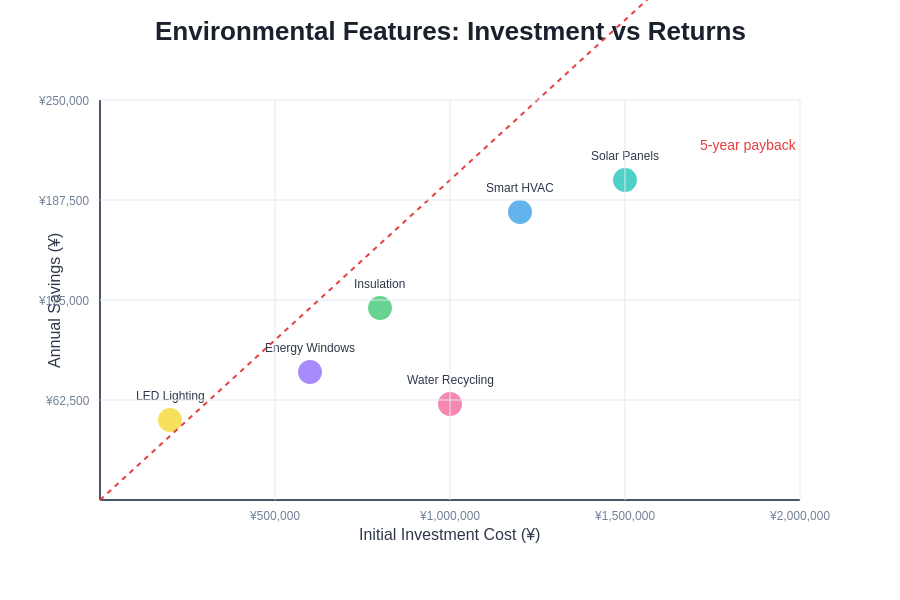
Building owners and property management companies frequently face competing financial priorities that influence their willingness to invest in comprehensive environmental upgrades and modern sustainability features. The substantial upfront costs associated with installing energy-efficient systems, improved insulation, renewable energy sources, and advanced air filtration systems often clash with immediate profit maximization strategies that prioritize occupancy rates over long-term environmental benefits.
Retrofitting older buildings with modern environmental features requires significant capital investments that may not generate immediate returns through higher rental income, particularly in Tokyo’s competitive sharehouse market where price sensitivity among international residents often outweighs environmental considerations. Why heating bills create monthly budget chaos demonstrates how inadequate environmental features translate into higher operational costs that ultimately burden residents rather than property owners.
The amortization period for environmental investments typically extends beyond the average tenancy duration of sharehouse residents, creating misaligned incentives where property owners bear the installation costs while residents receive the primary benefits through reduced utility expenses and improved living conditions. This economic disconnect particularly affects smaller property operators who lack the capital reserves necessary for comprehensive environmental upgrades.
Market dynamics in Tokyo’s sharehouse sector often reward properties that offer competitive pricing rather than environmental excellence, creating pressure for operators to minimize capital expenditures that could affect their ability to maintain attractive rental rates for cost-conscious international residents.
Regulatory Framework Limitations
Japan’s building codes and environmental regulations establish minimum standards that many older sharehouse buildings can legally meet without incorporating modern environmental features or advanced sustainability measures. Why green building standards affect comfort reveals how existing regulatory frameworks often lag behind contemporary environmental technology and international best practices for sustainable construction.
The grandfathering provisions in Japanese building regulations allow structures built under previous codes to continue operating without mandatory upgrades to current environmental standards, creating a two-tier system where newer buildings incorporate advanced features while older properties maintain basic compliance levels. This regulatory approach protects existing property investments but can leave residents in older buildings without access to modern environmental amenities.
Local municipal regulations vary significantly across Tokyo’s different wards and districts, creating inconsistent environmental requirements that result in substantial variations in building standards even within relatively small geographic areas. Some districts actively promote environmental building features through incentive programs, while others maintain minimal requirements that allow continued operation of buildings with limited environmental infrastructure.
The enforcement mechanisms for existing environmental regulations often focus on major violations rather than proactive improvements, allowing buildings to continue operating with substandard environmental features as long as they meet basic safety and habitability requirements rather than encouraging continuous improvement toward higher environmental standards.
Age and Design Legacy Challenges
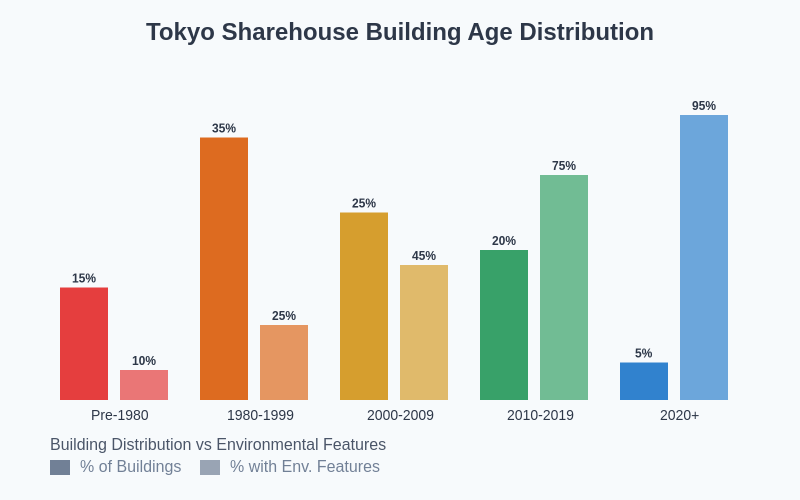
Many Tokyo sharehouse buildings originated as single-family homes, small apartment buildings, or commercial structures that were subsequently converted for shared living without comprehensive environmental upgrades. Why some areas have poor public transit access often correlates with building age and development patterns that predate modern environmental consciousness and sustainable design principles.
The architectural constraints of older building designs frequently make environmental retrofitting technically challenging or prohibitively expensive, particularly for features like advanced HVAC systems, comprehensive insulation, or renewable energy infrastructure that require substantial structural modifications. Building layouts designed for different purposes often lack the ductwork, electrical capacity, or spatial configurations necessary for modern environmental systems.
Foundation and structural limitations in older buildings can prevent the installation of certain environmental features such as geothermal heating systems, advanced ventilation networks, or heavy solar panel installations that require specific load-bearing capabilities and structural support systems that may not exist in converted residential properties.
Historical building materials and construction methods used in older Tokyo structures often lack the thermal efficiency and environmental performance characteristics of contemporary building materials, creating ongoing challenges for achieving modern environmental standards without complete reconstruction.
Maintenance and Operational Complexity
Environmental building features typically require specialized maintenance protocols, technical expertise, and ongoing operational management that many sharehouse operators lack the resources or knowledge to implement effectively. Why pest control becomes a shared responsibility illustrates how complex building systems create additional management challenges that can discourage adoption of advanced environmental features.
The technical complexity of modern environmental systems often exceeds the capabilities of small-scale property management operations that focus primarily on basic accommodation services rather than sophisticated building system management. Advanced HVAC controls, energy management systems, and automated environmental monitoring require technical expertise that many traditional property managers have not developed.
Maintenance costs for environmental features can be substantially higher than basic building systems, particularly when specialized technicians, replacement parts, or software updates are required for optimal performance. These ongoing operational expenses can accumulate over time and may not be adequately factored into initial investment decisions or rental pricing structures.
Resident education and cooperation requirements for optimal environmental system performance add another layer of operational complexity that some property managers prefer to avoid, particularly in high-turnover sharehouse environments where continuous resident training and compliance monitoring become necessary for system effectiveness.
Cultural and Market Preferences
Japanese cultural attitudes toward environmental responsibility and sustainability continue to evolve, with significant generational and regional differences in environmental priority levels that influence both resident demand and property owner investment decisions. Why environmental consciousness varies by generation explains how different demographic groups prioritize environmental features differently when making housing decisions.
The international resident population in Tokyo sharehouses often comes from countries with varying environmental standards and expectations, creating diverse and sometimes conflicting preferences regarding the importance of environmental features versus other amenities like location convenience or social facilities. This demand diversity can make it difficult for property operators to justify environmental investments that may not appeal to all resident demographics.
Market research indicates that while environmental awareness is increasing among Tokyo residents, price sensitivity often outweighs environmental considerations when making sharehouse selection decisions, particularly among younger international residents with limited budgets who prioritize affordability over sustainability features.
Traditional Japanese concepts of resource conservation and environmental harmony sometimes conflict with modern technological approaches to environmental building features, creating cultural tensions between traditional practices and contemporary sustainability systems that can influence adoption decisions.
Supply Chain and Technology Limitations
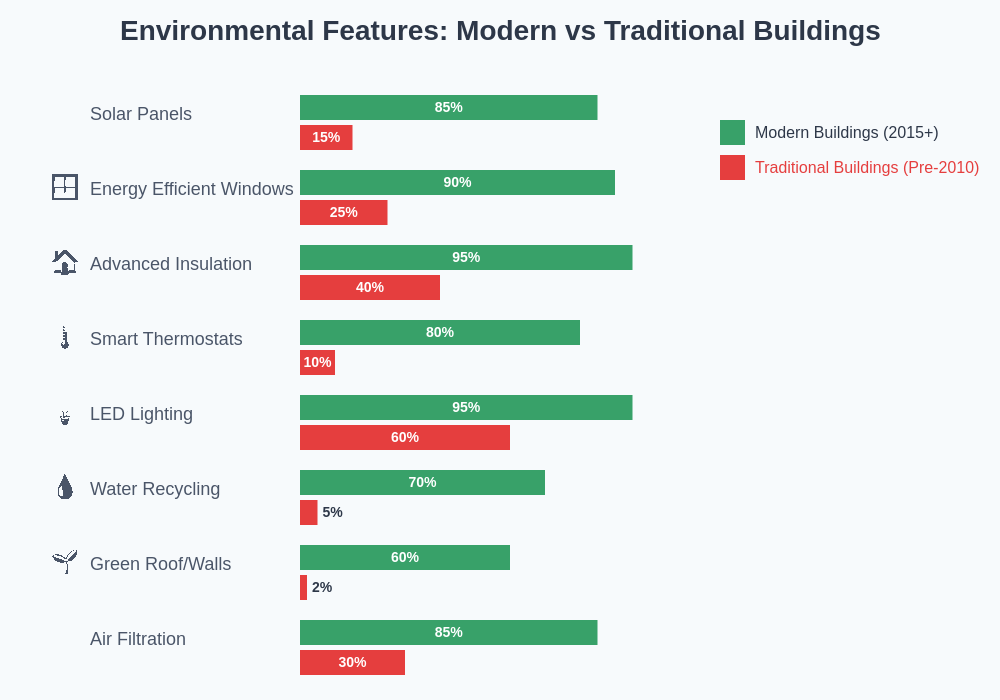
The availability and cost of environmental building technologies in Japan can create barriers to adoption, particularly for innovative systems that require specialized components, installation expertise, or ongoing technical support that may not be readily available in the local market. Why some eco-friendly products cost more demonstrates how supply chain factors affect the accessibility of environmental building solutions.
Import dependencies for certain environmental technologies can create cost pressures and availability constraints that make implementation challenging for property operators working within tight budget constraints or specific timeline requirements for building improvements or renovations.
Technical compatibility issues between international environmental systems and Japanese building standards, electrical systems, or local infrastructure requirements can complicate installation processes and increase costs beyond initial equipment expenses.
The specialized workforce required for environmental feature installation and maintenance may not be readily available in all Tokyo areas, creating regional variations in implementation feasibility and ongoing operational support for advanced environmental systems.
Resident Behavior and Usage Patterns
The transient nature of sharehouse living, with frequent resident turnover and varying lengths of stay, can discourage property investment in environmental features that require consistent resident cooperation and behavioral adaptation for optimal effectiveness. Why some residents ignore environmental policies reveals how resident behavior patterns can undermine the effectiveness of environmental building features.
Cultural differences in environmental awareness and conservation practices among international residents can create challenges for implementing environmental systems that depend on consistent user behavior, proper operation procedures, or collective responsibility for system maintenance and optimization.
The shared nature of sharehouse living can complicate individual accountability for environmental system usage, making it difficult to incentivize responsible behavior or allocate costs fairly based on individual environmental impact and system utilization patterns.
Educational barriers regarding proper environmental system operation can lead to misuse, reduced effectiveness, or increased maintenance requirements that diminish the benefits of environmental investments and potentially discourage continued operation of advanced systems.
Utility Infrastructure Constraints
Tokyo’s existing utility infrastructure in certain neighborhoods may not support advanced environmental building features such as grid-tied solar systems, high-efficiency electrical heating, or smart grid integration that requires specific utility company cooperation and infrastructure compatibility. Why some areas require resident registration first often reflects broader infrastructure limitations that affect environmental feature implementation.
Electrical grid capacity limitations in older Tokyo neighborhoods can prevent the installation of high-demand environmental systems or may require expensive utility upgrades that extend beyond individual building improvement projects and require coordination with utility companies and municipal authorities.
Water and sewage system constraints can limit the implementation of certain environmental features such as greywater recycling systems, rainwater collection infrastructure, or advanced water treatment systems that require specific municipal utility support and approval processes.
The timing and coordination requirements for utility infrastructure upgrades often extend project timelines and increase costs beyond what many sharehouse operators can accommodate within their typical business planning and investment cycles.
Financial Incentive Misalignment
The financial benefits of environmental building features often accrue to residents through reduced utility costs while property owners bear the installation and maintenance expenses, creating a fundamental misalignment of incentives that discourages environmental investment in rental properties. Understanding utility bills in Japanese sharehouses demonstrates how current billing structures can perpetuate this misalignment.
Utility cost structures in Tokyo may not provide sufficient savings to justify environmental investments, particularly when utility rates remain relatively low compared to the capital costs of advanced environmental systems or when utility companies do not offer substantial incentives for renewable energy adoption or energy efficiency improvements.
The difficulty of accurately measuring and attributing environmental benefits to individual building improvements can make it challenging for property operators to quantify return on investment or demonstrate value to potential residents who may not fully appreciate the long-term benefits of environmental features.
Insurance and financing limitations for environmental building improvements can create additional barriers to implementation, particularly when lenders or insurance companies have limited experience evaluating the risks and benefits of innovative environmental technologies in residential rental properties.
Future Implications and Market Evolution
The growing awareness of climate change impacts and environmental responsibility among younger international residents is gradually creating market pressure for improved environmental features in Tokyo sharehouses, suggesting that properties without these amenities may face competitive disadvantages in attracting environmentally conscious tenants. Why environmental policies change frequently indicates the dynamic nature of environmental expectations and regulations.
Government initiatives and incentive programs aimed at promoting building energy efficiency and environmental performance are beginning to create new opportunities for property operators to invest in environmental upgrades with financial support that can help overcome traditional economic barriers to implementation.
Technology cost reductions and performance improvements in environmental building systems continue to make these features more accessible and economically viable for sharehouse operators, particularly as mass adoption drives down equipment costs and installation expertise becomes more widely available.
The increasing integration of environmental performance data into property valuation and investment decisions suggests that buildings lacking environmental features may face longer-term financial challenges in terms of property values, rental competitiveness, and operational efficiency compared to environmentally upgraded properties.
Understanding why some buildings lack environmental features empowers prospective sharehouse residents to make informed decisions about their accommodation choices while recognizing the complex factors that influence environmental building standards. As market forces, regulations, and social expectations continue to evolve, the gap between environmentally advanced and basic buildings is likely to become more pronounced, making environmental features an increasingly important consideration in Tokyo’s sharehouse selection process.
Disclaimer
This article is for informational purposes only and does not constitute professional advice regarding building construction, environmental systems, or property investment decisions. Environmental building standards and regulations are subject to change, and specific requirements may vary by location and building type. Readers should consult with qualified professionals when evaluating environmental features or considering building improvements. The effectiveness and availability of environmental technologies may vary depending on specific circumstances and local conditions.