The issue of inadequate ventilation in Japanese sharehouses represents one of the most overlooked yet critical factors affecting resident health, comfort, and overall living satisfaction. Many international residents discover too late that their chosen accommodation suffers from poor air circulation, leading to problems ranging from persistent humidity and mold growth to compromised indoor air quality that can significantly impact daily life and long-term wellbeing.
Understanding why ventilation problems persist in certain buildings requires examining a complex interplay of construction practices, economic considerations, regulatory frameworks, and cultural attitudes toward indoor air quality. The consequences of inadequate ventilation extend far beyond simple discomfort, creating environments where health issues flourish and living conditions deteriorate rapidly during Japan’s challenging seasonal weather patterns.
The Historical Context of Japanese Building Ventilation
Traditional Japanese architecture prioritized natural ventilation through design elements such as elevated floors, sliding panels, and strategic window placement that encouraged cross-breezes and moisture management. However, the rapid urbanization and modernization of Tokyo’s housing stock fundamentally altered these approaches, often sacrificing traditional ventilation wisdom for space efficiency and construction cost reduction.
The post-war construction boom prioritized quantity over quality, resulting in countless buildings designed with minimal consideration for proper air circulation systems. How to find the perfect sharehouse in Tokyo becomes particularly challenging when ventilation quality varies so dramatically between properties, making thorough evaluation essential for avoiding problematic buildings.
Modern sharehouse conversions often compound these historical issues by subdividing spaces originally designed for different purposes, creating rooms and common areas that lack adequate access to natural ventilation sources. The conversion process frequently involves sealing off original ventilation pathways while failing to install adequate mechanical systems to compensate for the lost natural airflow.
Economic Factors Driving Ventilation Compromises
The competitive nature of Tokyo’s rental market creates significant economic pressure on property owners to maximize occupancy while minimizing operational costs, leading to ventilation systems being viewed as optional expenses rather than essential infrastructure. Living costs in Tokyo sharehouses explained often fails to account for the hidden health and comfort costs associated with poor ventilation that residents eventually bear.
Installation of proper mechanical ventilation systems requires substantial upfront investment and ongoing maintenance expenses that many property operators choose to avoid, particularly in budget-focused market segments where profit margins remain tight. The lack of immediate visible consequences means that ventilation deficiencies often go unaddressed until serious problems develop, by which time remediation becomes significantly more expensive and disruptive.
Energy efficiency concerns further complicate ventilation decisions, as increased air exchange typically results in higher heating and cooling costs that property managers seek to minimize. This creates a false economy where short-term utility savings result in long-term problems including structural damage, health issues, and resident turnover that ultimately prove more costly than proper ventilation installation.
Cheaper sharehouse options in Tokyo suburbs frequently exhibit the most severe ventilation problems, as budget constraints in these markets make comprehensive building improvements financially challenging for operators competing primarily on price rather than quality.
Regulatory Framework Limitations and Enforcement Gaps
Japanese building codes establish minimum ventilation requirements, but enforcement mechanisms often prove inadequate for ensuring compliance, particularly in older buildings that may have been grandfathered under less stringent historical standards. The complexity of ventilation regulations and the technical expertise required for proper assessment create situations where violations persist undetected for extended periods.
Conversion of existing buildings into sharehouses frequently occurs under regulatory frameworks that may not fully address the unique ventilation challenges created by increased occupancy density and altered space usage patterns. Japanese sharehouse rules every foreigner should know rarely covers ventilation standards because these technical aspects remain largely invisible to residents until problems become severe.
Local building inspection processes may focus primarily on structural safety and fire prevention rather than comprehensive indoor air quality assessment, allowing ventilation deficiencies to persist in properties that technically meet basic regulatory requirements. The periodic nature of official inspections creates opportunities for temporary compliance measures that may not reflect actual daily operating conditions.
International residents often lack familiarity with Japanese ventilation standards and regulatory processes, making it difficult to identify substandard conditions or pursue appropriate remedies when problems arise. The language barriers and cultural differences in approaching building quality issues further complicate efforts to address ventilation problems through official channels.
Climate-Specific Challenges in Japanese Buildings
Japan’s humid subtropical climate creates particularly demanding ventilation requirements that many buildings struggle to address effectively, especially during the rainy season when humidity levels can exceed healthy indoor thresholds for extended periods. How air quality concerns affect daily decisions becomes increasingly relevant as residents adapt their routines to cope with inadequate environmental controls.
The extreme seasonal variations in temperature and humidity place additional stress on ventilation systems that may be designed for average rather than peak conditions, resulting in inadequate performance during the most challenging weather periods when proper air circulation becomes most critical. Summer heat and winter cold create conflicting demands for air exchange versus energy conservation that poorly designed systems cannot effectively balance.
Typhoon season and heavy rainfall periods can overwhelm inadequate ventilation systems, leading to rapid humidity buildup and condensation problems that create ideal conditions for mold growth and structural deterioration. How moisture control prevents mold growth explains why proper ventilation becomes essential for maintaining healthy indoor environments during Japan’s challenging weather patterns.
Urban heat island effects in Tokyo create additional challenges by raising ambient temperatures and reducing the effectiveness of natural ventilation strategies that rely on temperature differentials to drive air movement. The density of surrounding buildings can also block natural wind patterns and create stagnant air pockets that exacerbate ventilation problems in affected structures.
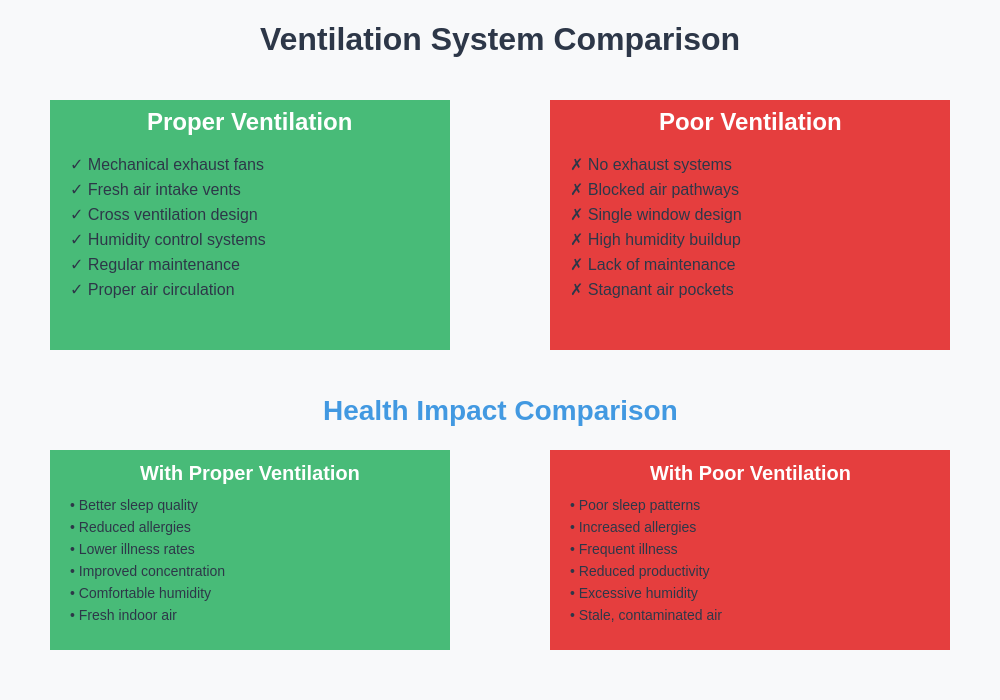
The stark differences between properly designed ventilation systems and inadequate installations become apparent through systematic comparison of building features, health outcomes, and resident satisfaction levels across different property types.
Construction and Design Limitations
Modern construction techniques prioritizing energy efficiency often create highly sealed building envelopes that require mechanical ventilation systems to maintain adequate air quality, but many sharehouses lack the sophisticated HVAC infrastructure necessary to support proper air circulation in tightly sealed structures. The emphasis on insulation and air sealing without corresponding ventilation improvements creates indoor environments that trap pollutants and moisture.
Space constraints in urban Tokyo properties frequently force designers to compromise on ventilation equipment placement and ductwork routing, resulting in systems that cannot deliver adequate air exchange rates to all areas of the building. How to spot financial red flags in sharehouse contracts should include questions about ventilation adequacy, as remediation costs often fall unexpectedly on residents.
The conversion of commercial or industrial buildings into residential sharehouses may inherit ventilation systems designed for different occupancy patterns and usage requirements, creating mismatches between installed capacity and actual residential needs. These conversions often fail to account for the continuous occupancy and moisture generation associated with residential living compared to commercial use patterns.
Structural limitations in older buildings can prevent installation of adequate ventilation systems even when property owners recognize the need for improvements, as retrofitting proper ductwork and equipment may require extensive and costly building modifications that prove economically unfeasible.
Health and Comfort Implications
Poor ventilation creates indoor environments where airborne contaminants, allergens, and pathogens accumulate to levels that can trigger respiratory problems, allergic reactions, and other health issues that particularly affect sensitive individuals or those with pre-existing conditions. How illness spreads faster in sharehouses becomes more relevant when inadequate air circulation facilitates disease transmission between residents.
Elevated humidity levels resulting from poor ventilation create conditions conducive to dust mite proliferation, mold growth, and bacterial development that can severely impact indoor air quality and resident health outcomes. The combination of high occupancy density and inadequate air exchange rates compounds these problems by increasing moisture generation while failing to remove contaminated air effectively.
Sleep quality suffers significantly in poorly ventilated spaces where oxygen levels may decrease and carbon dioxide concentrations build up overnight, leading to morning fatigue, headaches, and reduced cognitive performance that affects both academic and professional activities. How sleep quality suffers in shared environments often overlooks ventilation as a critical factor in nighttime comfort and rest quality.
The psychological impact of consistently poor indoor air quality can contribute to stress, irritability, and general dissatisfaction with living conditions that affects social relationships and overall life satisfaction during the sharehouse experience. Residents may develop coping strategies such as spending excessive time outside the property or using multiple personal air purification devices that indicate underlying systemic ventilation failures.
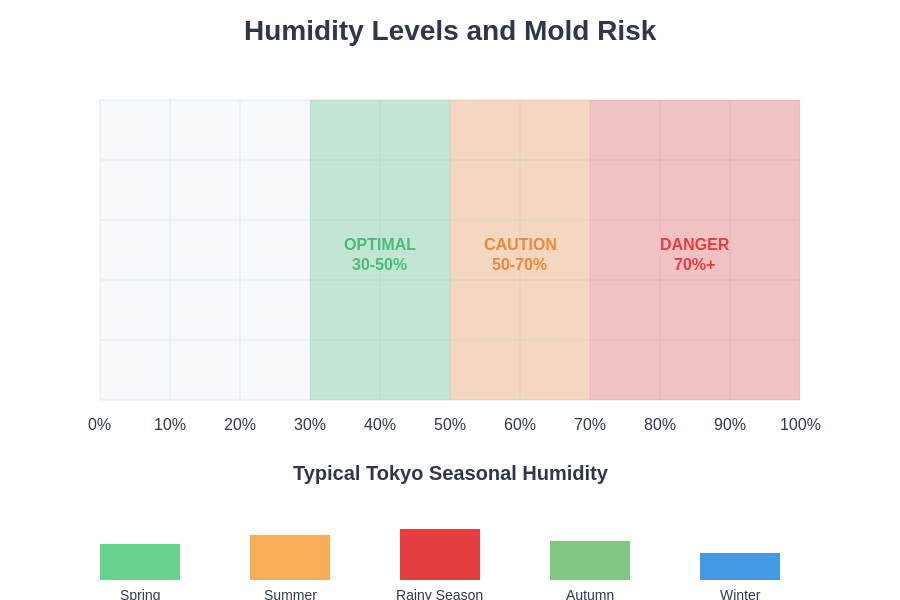
Tokyo’s seasonal humidity variations create particularly challenging conditions for buildings with inadequate ventilation systems, with rainy season humidity levels frequently exceeding safe thresholds for extended periods.
Identifying Ventilation Problems During Property Evaluation
Recognizing ventilation deficiencies requires systematic assessment of both mechanical systems and building design features that affect air circulation, including examination of exhaust fans, air intake locations, and natural ventilation pathways that may be blocked or inadequate for the space requirements. Understanding utility bills in Japanese sharehouses can reveal hidden costs associated with residents attempting to compensate for poor ventilation through personal devices.
Visual indicators of ventilation problems include persistent condensation on windows and surfaces, musty odors that linger despite cleaning efforts, visible mold growth in corners and poorly ventilated areas, and excessive dust accumulation that suggests inadequate air filtration and circulation. These warning signs often become apparent only after residing in the property for several weeks or months.
Seasonal variations in ventilation performance mean that problems may not be immediately apparent during property viewings, particularly if inspections occur during mild weather periods when natural ventilation may temporarily mask underlying system inadequacies. Testing air circulation by observing smoke or tissue paper movement near ventilation outlets can provide immediate feedback about system functionality.
The absence of mechanical ventilation equipment in bathrooms, kitchens, and other high-humidity areas represents a significant red flag that indicates probable moisture and air quality problems, especially in properties with multiple residents generating substantial amounts of water vapor through daily activities.
Economic Impact on Residents and Operators
Residents in poorly ventilated sharehouses often face unexpected expenses related to purchasing personal air purification equipment, dehumidifiers, and enhanced cleaning supplies necessary to maintain acceptable living conditions in substandard indoor environments. These costs can significantly impact monthly budgets and reduce the economic advantages that initially made sharehouse living attractive.
Property damage from humidity-related problems including mold remediation, surface refinishing, and replacement of damaged furnishings creates substantial costs that may be passed on to residents through security deposit deductions or additional fees. How to actually get your deposit back becomes more challenging when ventilation problems cause extensive property damage during residency periods.
Higher resident turnover rates in poorly ventilated properties create recruitment and administrative costs for operators while reducing occupancy stability and community development that enhance the overall sharehouse experience. The reputation damage associated with ventilation problems can also affect long-term property viability and marketability.
Medical expenses resulting from ventilation-related health problems represent hidden costs that residents may face, particularly for respiratory treatments, allergy management, and general health impacts from prolonged exposure to poor indoor air quality conditions.
Solutions and Mitigation Strategies
Mechanical ventilation improvements including installation of exhaust fans, air circulation systems, and humidity control equipment can address many ventilation deficiencies, though implementation requires significant investment and technical expertise to ensure proper sizing and installation for specific building requirements. What moving out really costs in Tokyo sharehouses may include early termination penalties when ventilation problems make continued residence untenable.
Natural ventilation enhancement through strategic window placement, door positioning, and removal of airflow obstructions can provide partial improvements in buildings with adequate structural features, though these solutions may prove insufficient during extreme weather periods when mechanical assistance becomes necessary.
Resident education about ventilation management including proper window operation, exhaust fan usage, and moisture control practices can help optimize existing systems and reduce problems, though individual actions cannot compensate for fundamentally inadequate building infrastructure.
Regular maintenance and system monitoring ensure that existing ventilation equipment operates at design capacity and identify developing problems before they become severe, though many sharehouse operators lack the technical knowledge or financial commitment necessary for proper system upkeep.
Prevention Through Informed Selection
Prospective residents can protect themselves by prioritizing ventilation quality during property evaluation, asking specific questions about air circulation systems, and testing airflow in multiple areas of potential accommodations before making commitments. Real stories from Tokyo sharehouse residents often highlight ventilation problems as significant factors in resident dissatisfaction and early departures.
Understanding building age, construction type, and conversion history provides valuable insights into likely ventilation adequacy, as newer purpose-built properties typically feature superior air circulation systems compared to converted structures or older buildings operating under outdated standards.
Seasonal timing of property searches can reveal ventilation problems that may not be apparent during mild weather periods, with summer humidity and winter condensation issues providing clear indicators of system adequacy under challenging conditions.
Professional consultation with building engineers or indoor air quality specialists can provide objective assessment of ventilation systems for residents with particular health concerns or sensitivity to air quality issues, though such services represent additional expenses that many sharehouse seekers prefer to avoid.
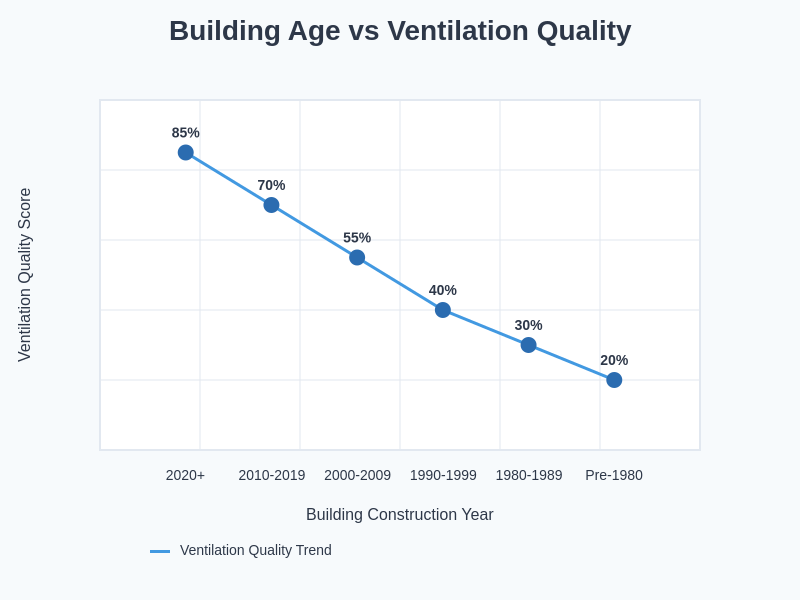
The correlation between building construction periods and ventilation quality reflects evolving building codes, construction practices, and awareness of indoor air quality importance across different decades of Tokyo’s development.
The prevalence of ventilation problems in Tokyo’s sharehouse market reflects broader challenges in balancing economic pressures with building quality requirements, creating situations where resident health and comfort become secondary considerations to cost minimization. Understanding these underlying factors empowers prospective residents to make informed decisions and avoid properties where inadequate ventilation will compromise their living experience and potentially their health.
Disclaimer
This article is for informational purposes only and does not constitute professional medical, legal, or building inspection advice. Ventilation requirements and building codes may vary by location and building type. Readers should consult with qualified professionals when evaluating property conditions or addressing ventilation concerns. The health impacts of poor ventilation can vary significantly between individuals, and anyone experiencing persistent health issues should seek appropriate medical attention.