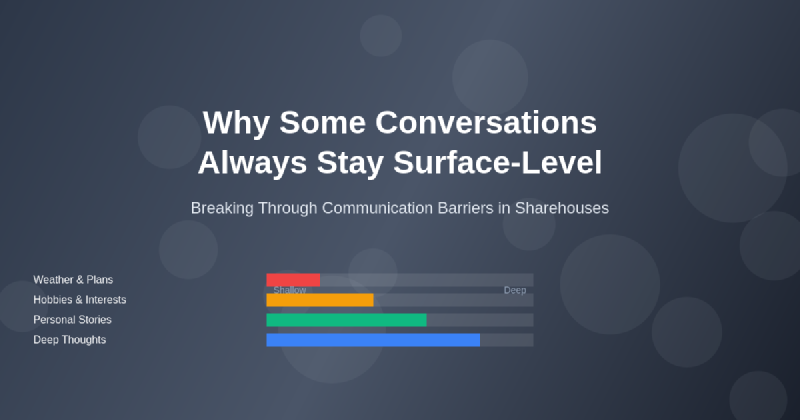
Living in a Tokyo sharehouse presents countless opportunities for meaningful human connection and cross-cultural friendship, yet many residents find themselves trapped in endless cycles of superficial small talk that never evolves into genuine, deeper relationships. This phenomenon affects thousands of international residents who arrive in Japan with hopes of building authentic connections but discover that breaking through surface-level interactions requires understanding complex layers of cultural expectations, personal insecurities, and communication barriers that extend far beyond simple language differences.
The persistence of shallow conversations in shared living environments represents one of the most frustrating aspects of international communal living, leaving residents feeling isolated despite being constantly surrounded by potential friends and confidants. Understanding the multifaceted reasons behind this communication pattern empowers residents to recognize these barriers and develop strategies for fostering more meaningful interactions that can transform their sharehouse experience from mere cohabitation into genuine community building.
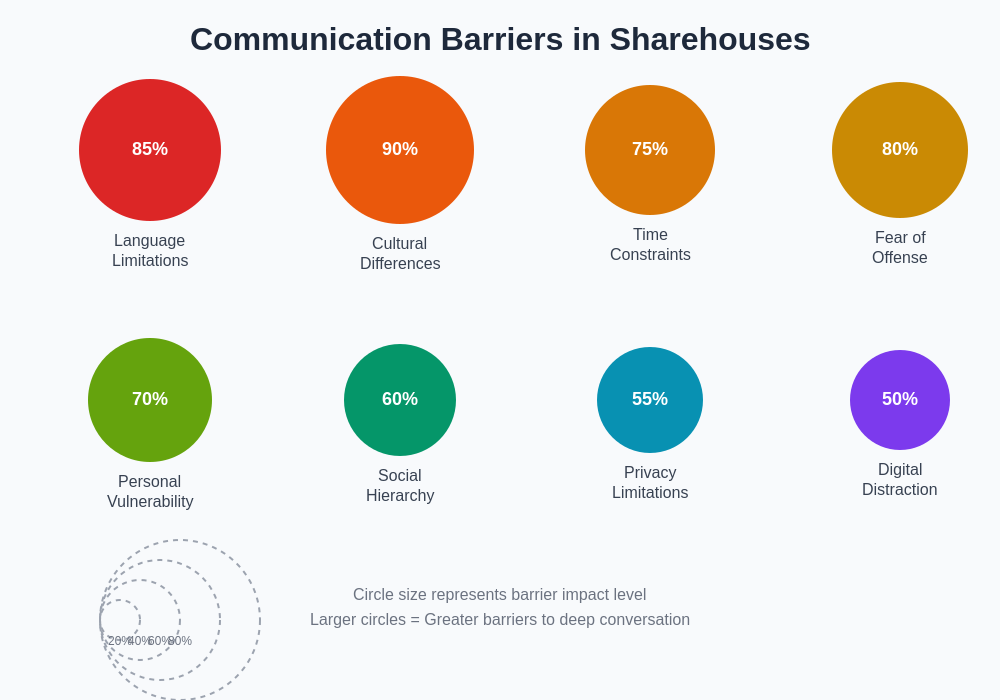
Cultural Programming and Communication Expectations
The foundation of surface-level conversations often lies in deeply ingrained cultural programming that shapes how individuals approach interpersonal communication and relationship building. Japanese cultural norms emphasize maintaining harmony through indirect communication, reading between the lines, and avoiding potentially uncomfortable topics that might disturb group equilibrium. Living with Japanese roommates in Tokyo sharehouses highlights how these cultural differences manifest in daily interactions.
International residents bring their own cultural expectations about friendship formation, conversation depth, and appropriate sharing timelines that may clash dramatically with local norms or the expectations of housemates from other cultural backgrounds. Western cultures often encourage more direct communication and faster progression toward personal disclosure, while many Asian cultures prioritize gradual relationship building through consistent, respectful interaction over extended periods.
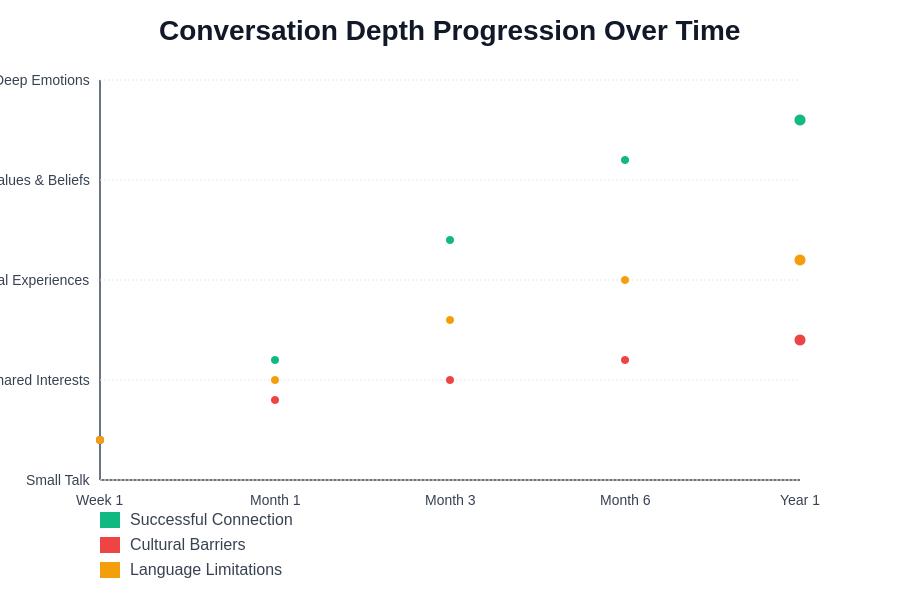
The collision of these different communication styles creates an environment where everyone defaults to the safest common denominator, which inevitably becomes weather discussions, weekend plans, and other topics that require minimal emotional investment or cultural sensitivity. How cultural differences affect friendship building explores how these dynamics influence long-term relationship formation in international living environments.
Language Limitations and Confidence Barriers
Language proficiency limitations extend far beyond basic vocabulary and grammar knowledge to encompass emotional expression, humor translation, and the subtle nuances that characterize genuine human connection. Many sharehouse residents possess sufficient language skills for practical daily communication but struggle to articulate complex thoughts, personal experiences, or emotional states in their second or third language, leading to frustration and eventual retreat into safer conversational territory.
The fear of making linguistic mistakes in front of peers creates additional psychological pressure that inhibits spontaneous, authentic expression. Residents often rehearse conversations mentally, stick to familiar phrases, and avoid topics that require sophisticated vocabulary or cultural knowledge, resulting in repetitive interaction patterns that never develop beyond basic information exchange.
Language barriers prevent deep friendships examines how these communication limitations affect relationship quality and personal satisfaction within international living communities. The cognitive load required for constant translation and interpretation leaves many residents mentally exhausted after social interactions, making them less likely to initiate or engage in extended conversations that might lead to deeper connections.
Pronunciation anxieties, grammar insecurities, and vocabulary limitations combine to create a perfect storm of communication avoidance that keeps conversations firmly planted in comfortable, predictable territory where everyone can participate without fear of embarrassment or misunderstanding.
Time Constraints and Lifestyle Pressures
Modern sharehouse living often occurs within the context of demanding work schedules, academic pressures, and personal commitments that leave residents with limited time and energy for developing meaningful relationships. How commute times impact work performance illustrates how Tokyo’s demanding lifestyle affects residents’ availability for social interaction and community building.
The brief encounters that characterize most sharehouse interactions occur during rushed morning preparations, tired evening returns, or weekend periods when residents prefer solitude and personal activities rather than extended social engagement. These compressed timeframes naturally favor quick exchanges over lengthy conversations that might explore personal histories, cultural differences, or individual aspirations and challenges.
Professional obligations, language school schedules, and personal errands create fragmented daily routines that rarely align between different residents, making it difficult to find extended periods for unhurried conversation that allows relationships to develop naturally. The pressure to accomplish daily tasks efficiently often takes precedence over social investment, particularly for residents who view their sharehouse stay as temporary or transitional.
Career development pressures, academic deadlines, and financial constraints create additional stress factors that consume mental and emotional energy, leaving residents with reduced capacity for the vulnerability and emotional investment required for deeper relationship building.
Fear of Cultural Misunderstandings and Offense
The anxiety surrounding potential cultural misunderstandings creates a powerful inhibiting force that keeps conversations safely anchored in universally acceptable topics. Residents develop acute awareness of cultural sensitivities around religion, politics, family structures, gender relations, and social hierarchies that vary dramatically between different cultural backgrounds represented in international sharehouses.
How cultural misunderstandings happen daily provides insight into the common situations that create tension and discomfort in multicultural living environments. The fear of inadvertently offending housemates or revealing ignorance about cultural norms encourages residents to stick with neutral subjects that minimize the risk of causing embarrassment or conflict.
Previous negative experiences with cultural miscommunication, whether personal or observed, create lasting impressions that influence future interaction choices. Residents who have witnessed or experienced awkward cultural moments often become hyper-cautious about topics that might lead to similar uncomfortable situations, preferring predictable small talk over potentially enriching but risky cultural exchanges.
The mental energy required to constantly monitor cultural appropriateness, interpret non-verbal cues, and navigate unfamiliar social expectations exhausts many residents and makes deeper conversation feel like a minefield rather than an opportunity for connection and learning.
Personal Vulnerability and Emotional Protection
Sharing personal experiences, opinions, and emotions requires significant vulnerability that many sharehouse residents are reluctant to display in environments where they already feel exposed and potentially judged. Making friends through Tokyo sharehouse communities explores how residents can overcome these emotional barriers to build genuine connections.
Living in close quarters with strangers creates an inherent tension between the desire for privacy and the opportunity for connection. Many residents develop protective mechanisms that include emotional distance, conversational boundaries, and carefully curated self-presentation that prevents authentic relationship building while maintaining personal psychological safety.
The temporary nature of many sharehouse arrangements discourages emotional investment in relationships that may be short-lived due to visa limitations, career changes, or housing transitions. Residents often consciously or unconsciously calculate the cost-benefit ratio of emotional vulnerability against the likelihood of long-term friendship continuation.
Past experiences with failed friendships, cultural rejection, or social exclusion in international settings create additional layers of self-protection that manifest as conversational guardedness and reluctance to share personal information that might be used against them or misunderstood by culturally different housemates.
Social Hierarchy and Power Dynamics
Unspoken social hierarchies based on nationality, economic status, language proficiency, professional achievement, and cultural capital create invisible barriers that influence conversation depth and relationship formation within sharehouse communities. How social hierarchies develop naturally examines how these dynamics affect daily interactions and community building.
Residents often perceive or experience differential treatment based on perceived status markers, leading to careful conversation management that avoids topics that might highlight inequalities or challenge existing social arrangements. Those who feel lower in the perceived hierarchy may self-censor to avoid appearing presumptuous, while those in higher positions may limit sharing to maintain their status.
Educational backgrounds, visa types, and professional roles create additional complexity in relationship dynamics, with residents carefully navigating conversations to avoid highlighting differences that might create discomfort or resentment among housemates with varying opportunities and circumstances.
The presence of established residents versus newcomers creates another layer of social stratification that affects conversation patterns, with newer residents often deferring to longer-term residents and avoiding topics that might challenge established house dynamics or reveal their unfamiliarity with local customs and expectations.
Practical Space and Privacy Limitations
The physical constraints of sharehouse living significantly impact conversation depth and relationship development opportunities. Common areas designed for brief interactions rather than extended personal discussions naturally favor surface-level exchanges over intimate conversations that require privacy and comfort.
Personal space needs vary dramatically explores how spatial limitations affect residents’ willingness to engage in meaningful conversations and relationship building activities. The lack of appropriate venues for private, extended conversations forces residents to conduct personal discussions in semi-public spaces where interruptions and eavesdropping concerns limit openness and authenticity.
Noise considerations, respect for other residents’ space usage, and the constant potential for interruption create an environment that favors quick, efficient communication over leisurely, exploratory conversations that allow relationships to develop organically through unhurried sharing and discovery.
The absence of comfortable, designated conversation spaces means that deeper discussions often require leaving the house entirely, adding logistical complexity and expense that many residents prefer to avoid, particularly when relationships are still in early development stages.
Technology and Social Media Substitution
Digital communication platforms provide alternative outlets for social connection that many residents find easier and less risky than face-to-face interaction with housemates. Social media, messaging apps, and online communities offer controlled environments where residents can share personal information, seek advice, and build relationships without the immediate vulnerability and cultural navigation required for in-person conversations.
How social media impacts real-life relationships examines how digital communication affects the quality and depth of in-person interactions in shared living environments. The convenience and safety of online interaction can reduce motivation for investing in potentially complicated face-to-face relationship building with immediate housemates.
The habit of documenting and sharing experiences online rather than discussing them directly with present companions creates additional distance between residents who may be physically proximate but emotionally disconnected due to their focus on digital rather than immediate social connections.
Entertainment consumption, online gaming, and digital content creation provide solitary or externally connected activities that compete with local community building for residents’ time and attention, reducing opportunities for the repeated interactions necessary for relationship development.
Breaking Through Surface-Level Barriers
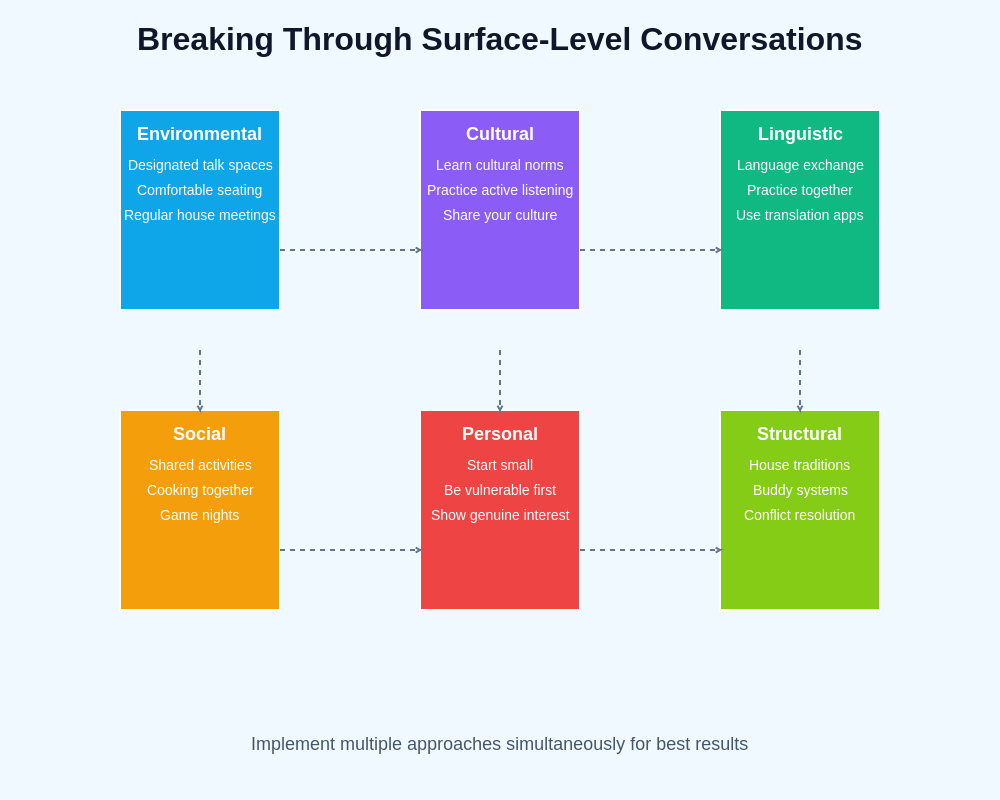
Overcoming conversational superficiality requires deliberate effort, cultural sensitivity, and strategic approaches that address the multiple barriers preventing deeper connection. Creating structured opportunities for extended interaction, such as cooking projects, cultural exchange sessions, or collaborative activities, provides frameworks for meaningful engagement that transcend casual small talk.
How to handle roommate conflicts without moving out offers strategies for building communication skills that support deeper relationship formation and conflict resolution. Developing cultural competency through research, observation, and respectful inquiry helps residents navigate sensitive topics while building mutual understanding and trust.
Language exchange partnerships, shared learning experiences, and collaborative problem-solving activities create natural contexts for deeper conversation that feels purposeful rather than forced or artificial. These structured interactions provide safe frameworks for gradually increasing personal disclosure and emotional investment.
Establishing regular, low-pressure social traditions such as weekly dinners, movie nights, or cultural celebration events creates consistent opportunities for relationship building that extend beyond brief daily encounters and allow trust and familiarity to develop over time.
Environmental and Contextual Solutions
Creating physical and social environments that support deeper conversation requires intentional design and community agreement about space usage, noise considerations, and social expectations. Designating specific areas and times for extended social interaction helps residents plan for and prioritize relationship building activities.
Best Tokyo neighborhoods for sharehouse living highlights how location choices can influence community dynamics and social interaction opportunities. Environmental factors such as lighting, seating arrangements, and acoustic considerations significantly impact residents’ comfort levels and willingness to engage in personal conversations.
Establishing house guidelines that encourage and protect personal sharing while maintaining respect for privacy and cultural differences creates frameworks for safe vulnerability and authentic connection. These agreements help residents understand boundaries while providing permission for deeper engagement when appropriate.
Regular house meetings, feedback sessions, and community building activities provide structured opportunities for residents to address relationship dynamics, express needs and preferences, and work collaboratively toward creating more satisfying social environments that support both individual privacy and community connection.
The journey from surface-level pleasantries to meaningful relationships in sharehouse environments requires patience, cultural sensitivity, and recognition that deep connections develop gradually through consistent, respectful interaction rather than forced intimacy or artificial conversation deepening techniques. Understanding the complex barriers that maintain conversational superficiality empowers residents to address these challenges strategically while respecting the legitimate needs and preferences of all community members.
Success in building deeper relationships depends on creating environments that balance individual comfort with community connection, providing multiple pathways for relationship development that accommodate different personality types, cultural backgrounds, and communication preferences while maintaining the respect and consideration essential for harmonious shared living.
Disclaimer
This article is for informational purposes only and reflects general observations about international sharehouse living dynamics. Individual experiences may vary significantly based on personal circumstances, cultural backgrounds, and specific house communities. The strategies mentioned should be adapted to individual situations and cultural contexts. Building meaningful relationships requires mutual respect, patience, and understanding that not all residents may desire or be comfortable with deeper personal connections.