Living in a Tokyo sharehouse with residents from diverse cultural backgrounds reveals fascinating patterns in how entertainment preferences, humor, social activities, and recreational choices are deeply intertwined with cultural context and shared experiences. The challenge of creating inclusive entertainment environments in multicultural living spaces highlights the complex relationship between cultural identity and recreational enjoyment, often leaving some residents feeling excluded while others find profound connection through familiar cultural references.
Understanding these cultural entertainment dynamics becomes essential for building harmonious sharehouse communities where all residents can participate meaningfully in social activities while respecting the diverse backgrounds and preferences that each person brings to the shared living environment. The ability to navigate these differences successfully often determines the quality of relationships and overall satisfaction within the sharehouse community.
The Foundation of Cultural Entertainment Understanding
Entertainment preferences develop through years of exposure to specific cultural narratives, historical references, social norms, and linguistic nuances that shape how individuals interpret humor, drama, music, and interactive activities. Making friends through Tokyo sharehouse communities often requires navigating these entertainment preferences to build meaningful connections across cultural boundaries.
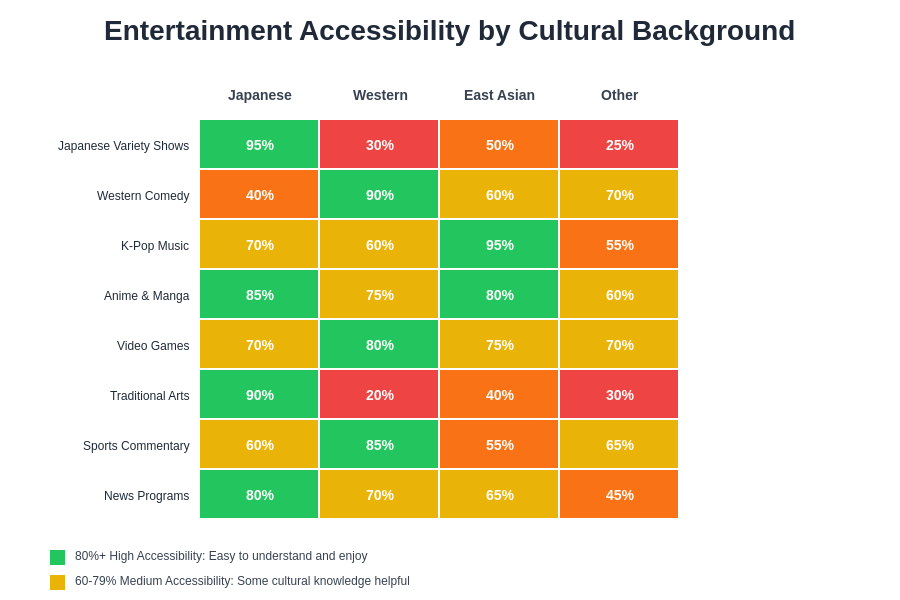
Japanese entertainment, from traditional rakugo storytelling to modern variety shows, relies heavily on cultural knowledge about social hierarchies, seasonal celebrations, historical events, and linguistic wordplay that can be completely inaccessible to international residents without extensive cultural background. Similarly, Western comedy often depends on cultural references, political contexts, and social assumptions that may not translate effectively across different cultural frameworks.
The impact of cultural context on entertainment appreciation extends beyond simple language barriers to encompass deeply ingrained social values, humor styles, storytelling traditions, and interactive communication patterns that influence how individuals engage with recreational activities and social bonding experiences within the sharehouse environment.
Language-Dependent Entertainment Challenges
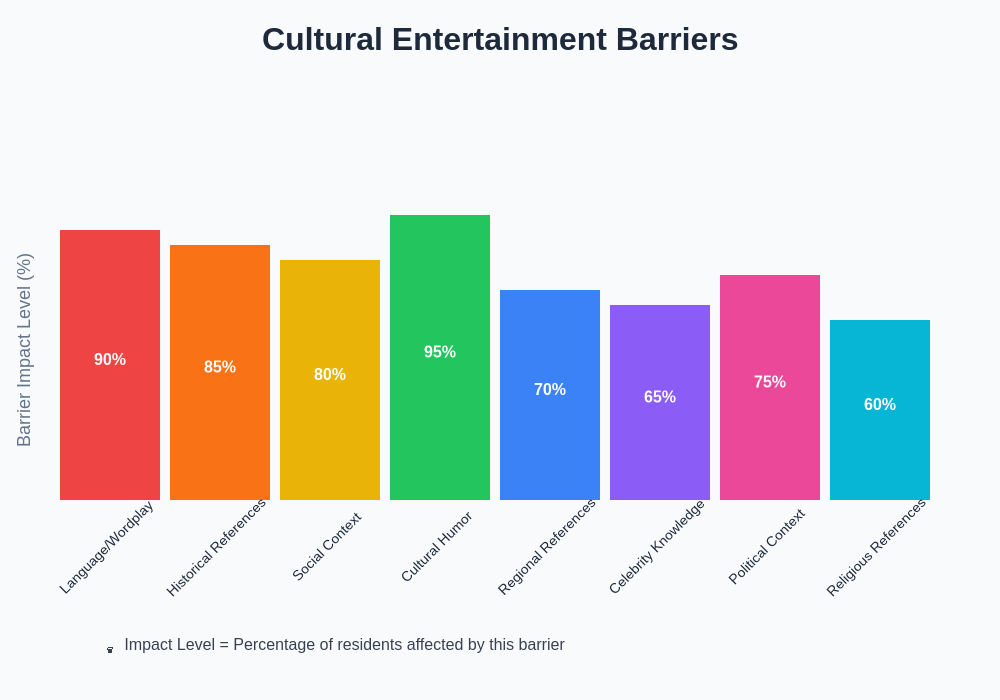
Language serves as the most obvious barrier to entertainment accessibility, but the challenge extends far beyond simple vocabulary limitations to include cultural idioms, historical references, comedic timing, and social context that native speakers take for granted. Living with Japanese roommates in Tokyo sharehouses often involves navigating these linguistic entertainment challenges during daily social interactions.
Japanese variety shows frequently employ rapid-fire wordplay, cultural puns, and reference humor that requires intimate knowledge of current events, celebrity personalities, and social phenomena that international residents may find completely incomprehensible despite having functional Japanese language abilities. The frustration of sitting through entertainment that others find hilarious while feeling completely excluded can create significant social isolation within the sharehouse community.
Conversely, international entertainment often relies on cultural assumptions, political references, and social contexts from specific countries that may be equally inaccessible to residents from different cultural backgrounds, creating a complex web of inclusion and exclusion that varies depending on the specific entertainment choices made by the group.
The rapid pace of modern entertainment, combined with cultural references that require extensive background knowledge, means that even residents with strong language skills may struggle to fully appreciate entertainment that relies heavily on cultural context and shared cultural experiences.
Music and Artistic Expression Across Cultures
Musical preferences reveal profound cultural divides that extend beyond language to encompass historical experiences, emotional associations, religious backgrounds, and generational influences that shape individual responses to different artistic expressions. Cultural differences that affect friendship building often become apparent through music sharing and artistic appreciation in common areas.
Traditional Japanese music, from enka to shamisen performances, carries emotional and historical weight that may be completely lost on international listeners, while contemporary J-pop often references cultural phenomena, fashion trends, and social movements that require cultural insider knowledge to fully appreciate. The same applies to music from other cultures, where historical context, linguistic wordplay, and cultural symbolism create barriers to cross-cultural appreciation.
The challenge becomes particularly acute during communal entertainment sessions where music selection can inadvertently exclude certain residents while creating strong bonding experiences for others who share cultural backgrounds and musical references. Finding musical common ground that allows all residents to participate meaningfully requires careful consideration of cultural accessibility and inclusive selection strategies.
Live music events, karaoke sessions, and artistic performances often require cultural knowledge to participate effectively, creating situations where some residents become active participants while others remain passive observers unable to engage fully with the entertainment experience.
Gaming and Interactive Entertainment Barriers
Video games, board games, and interactive entertainment often contain cultural references, storytelling elements, and social interaction patterns that can create significant barriers to participation for residents from different cultural backgrounds. Why some residents prefer solo entertainment often stems from these cultural accessibility challenges in group gaming activities.
Japanese video games frequently incorporate cultural mythology, historical references, and social hierarchies that may be unfamiliar to international players, while Western games often assume knowledge of specific cultural contexts, historical events, and social norms that may not translate across different cultural backgrounds. The learning curve for understanding game mechanics becomes exponentially more difficult when cultural context is required for full engagement.
Traditional games from different cultures, whether Japanese mahjong, Western card games, or regional board games, carry rule systems and social etiquette requirements that reflect cultural values and interaction patterns, making it challenging for newcomers to participate comfortably without extensive cultural education and practice.
The social dynamics of competitive gaming often reflect cultural attitudes toward competition, cooperation, individual achievement, and group harmony that can create uncomfortable situations when residents from different cultural backgrounds have conflicting approaches to game participation and social interaction during recreational activities.
Television and Media Consumption Patterns
Television programming and media consumption habits reveal deep cultural programming that influences how individuals process information, interpret social situations, and engage with narrative structures that may be completely foreign to residents from different cultural backgrounds. How cultural communication styles create misunderstandings often become apparent during group television viewing sessions.
Japanese television programming, particularly variety shows and comedy programs, relies on established celebrity personalities, ongoing cultural narratives, and reference humor that builds upon years of shared cultural experiences that international residents cannot access without extensive background knowledge. The rapid pace and cultural density of many Japanese programs can leave international viewers feeling completely excluded from the entertainment experience.
International programming often assumes cultural knowledge about political systems, historical events, social issues, and cultural references that may be equally inaccessible to residents from different countries, creating a complex matrix of inclusion and exclusion that varies depending on the specific programming choices made by the group.
The challenge of finding television content that provides entertainment value for residents from diverse cultural backgrounds while avoiding exclusion requires careful consideration of cultural accessibility, language requirements, and shared cultural references that can bridge different background experiences.
Social Event Planning and Cultural Sensitivity
Organizing inclusive social events and entertainment activities in multicultural sharehouse environments requires sophisticated understanding of how cultural backgrounds influence participation preferences, comfort levels, and entertainment expectations. Making friends through Tokyo sharehouse communities depends heavily on creating culturally inclusive entertainment opportunities.
Traditional holiday celebrations, cultural festivals, and social gatherings often carry religious, historical, or cultural significance that may make participation uncomfortable or meaningful for residents from different backgrounds, requiring careful navigation of inclusion strategies that respect diverse perspectives while building community connections.
Event planning must consider dietary restrictions, religious observances, cultural taboos, and social interaction preferences that vary significantly across different cultural backgrounds, making it challenging to create entertainment experiences that feel welcoming and accessible to all residents regardless of their cultural origins.
The timing, format, and content of social events can inadvertently exclude residents who have different cultural expectations for social interaction, entertainment preferences, and community participation, requiring ongoing adjustment and cultural sensitivity to maintain inclusive community dynamics.
Building Bridges Through Cultural Education
Creating successful multicultural entertainment experiences requires active effort to educate residents about different cultural contexts, provide background information for culturally specific entertainment, and develop appreciation for diverse artistic expressions and recreational preferences. Why some conversations always stay surface level often results from lack of cultural context sharing during entertainment activities.
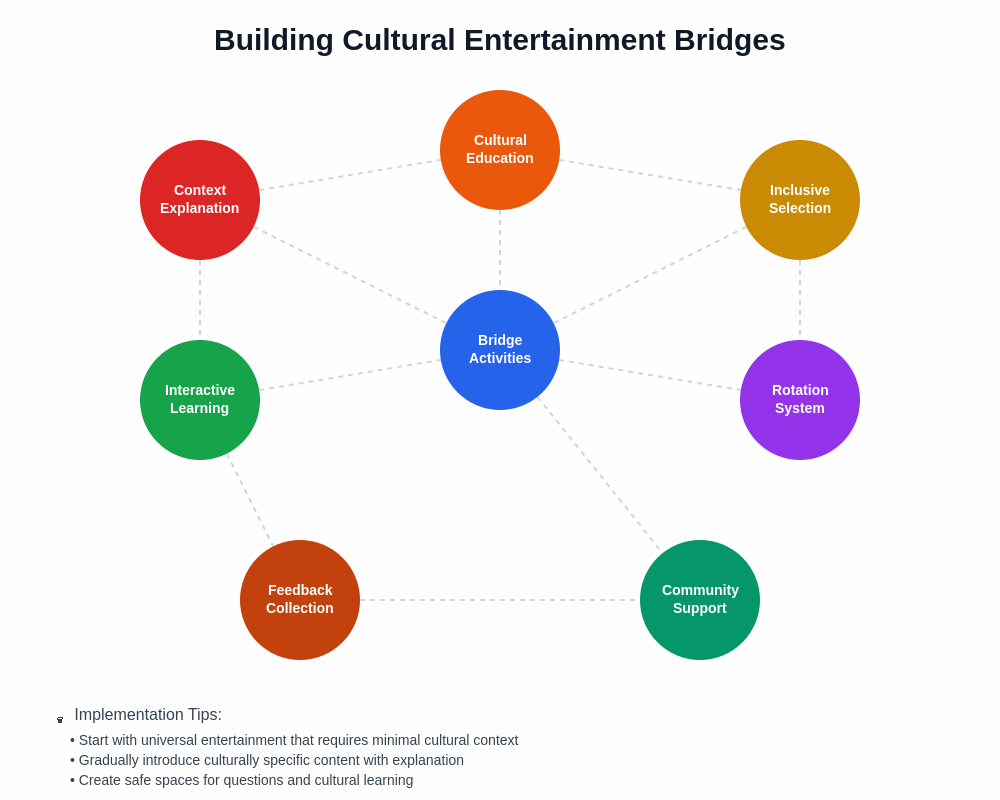
Successful sharehouse communities develop systems for cultural education that help residents understand entertainment choices, provide context for cultural references, and create opportunities for cultural exchange that enhance rather than exclude participation in recreational activities. This educational approach transforms potential barriers into opportunities for cross-cultural learning and deeper community connection.
Interactive cultural sharing sessions where residents explain entertainment from their backgrounds, provide cultural context, and teach others about cultural references can transform exclusionary entertainment into inclusive educational experiences that build stronger community bonds and cultural appreciation.
The development of cultural competency within the sharehouse community requires ongoing commitment to learning, patience with cultural differences, and active effort to create entertainment experiences that celebrate diversity while ensuring accessibility for all residents.
Developing Inclusive Entertainment Strategies
Successful multicultural sharehouses develop sophisticated strategies for entertainment selection that balance cultural representation, accessibility requirements, and community participation goals while avoiding the exclusion that can result from culturally specific entertainment choices. Why some entertainment choices exclude others requires active management to maintain community harmony.
Rotation systems that ensure cultural representation in entertainment choices, combined with educational components that provide cultural context, can help create more inclusive recreational experiences that allow all residents to participate meaningfully while learning about different cultural perspectives and artistic expressions.
The development of cultural bridge activities that require minimal cultural background knowledge while still providing entertainment value can serve as foundation experiences that build community connections before introducing more culturally specific entertainment options that may require additional context or education.
Creating entertainment experiences that celebrate cultural diversity while maintaining accessibility requires ongoing community discussion, feedback collection, and adjustment strategies that respond to changing resident demographics and evolving cultural dynamics within the sharehouse environment.
Technology and Cultural Entertainment Access
Digital entertainment platforms, streaming services, and online content present both opportunities and challenges for creating culturally inclusive entertainment experiences in multicultural sharehouse environments. How digital entertainment replaces social interaction can either bridge cultural gaps or create deeper divisions depending on implementation approaches.
Streaming platforms often provide access to international content with subtitles and cultural context information that can help bridge cultural entertainment gaps, while recommendation algorithms may reinforce cultural bubbles that limit exposure to diverse entertainment options and maintain existing cultural divisions within the community.
Language learning applications, cultural education platforms, and interactive cultural exchange tools can supplement traditional entertainment options by providing context, background information, and cultural education that enhances appreciation for diverse entertainment choices and builds cultural competency among residents.
The integration of technology tools for cultural explanation, context provision, and educational support can transform culturally specific entertainment from exclusionary experiences into inclusive learning opportunities that build stronger community connections and cultural understanding.
Long-term Cultural Integration Through Entertainment
Sustained exposure to diverse entertainment options with appropriate cultural context and community support can gradually build cultural competency and appreciation that transforms initial barriers into opportunities for deeper cultural understanding and community connection. How cultural sensitivity develops through daily interaction often occurs through shared entertainment experiences.
The development of cultural entertainment appreciation requires time, patience, and community support that helps residents navigate unfamiliar cultural contexts while building confidence and competency in cross-cultural entertainment participation. This gradual integration process can create lasting cultural appreciation that extends beyond the sharehouse experience.
Successful cultural integration through entertainment creates residents who become cultural bridges themselves, capable of explaining entertainment choices to newcomers, providing cultural context, and facilitating inclusive entertainment experiences that welcome residents from diverse backgrounds into meaningful recreational participation.
The long-term benefits of culturally inclusive entertainment strategies extend beyond immediate community harmony to include enhanced cultural competency, expanded entertainment appreciation, and improved cross-cultural communication skills that benefit residents throughout their international living experiences and beyond.
Understanding why some entertainment requires cultural context represents a crucial component of successful multicultural sharehouse living that can either create barriers to community integration or serve as powerful tools for building cross-cultural understanding, appreciation, and lasting friendships that transcend cultural boundaries through shared recreational experiences and mutual cultural education.
Disclaimer
This article is for informational purposes only and reflects general observations about cultural entertainment dynamics in multicultural living environments. Individual experiences may vary significantly based on personal backgrounds, cultural openness, and specific community dynamics. Readers should approach cultural entertainment differences with patience, respect, and willingness to learn while recognizing that building inclusive recreational experiences requires ongoing effort and cultural sensitivity from all community members.