Living in a Tokyo sharehouse introduces residents to a fascinating paradox of entertainment culture where certain activities fundamentally require collective participation to achieve their intended purpose and enjoyment. This requirement for group involvement creates complex social dynamics that can simultaneously strengthen community bonds and generate tension among residents with varying participation preferences and cultural backgrounds. Understanding these entertainment patterns becomes crucial for anyone seeking to navigate sharehouse social life successfully while maintaining personal boundaries and individual preferences.
The phenomenon of group-dependent entertainment in sharehouses reflects deeper cultural and practical realities that extend beyond simple recreational preferences. These activities often serve multiple functions including language practice, cultural exchange, relationship building, and stress relief that cannot be replicated through solitary engagement. Making friends through Tokyo sharehouse communities becomes significantly easier when residents understand and participate in these collective entertainment traditions that form the backbone of sharehouse social structure.
The Cultural Foundation of Group Entertainment
Japanese society’s emphasis on collective harmony and group cohesion naturally extends into residential entertainment patterns, creating expectations for participation that may feel unfamiliar or overwhelming to residents from more individualistic cultural backgrounds. Traditional Japanese entertainment forms such as karaoke sessions, group cooking experiences, and collaborative game nights are designed specifically to foster social bonding through shared vulnerability, mutual support, and collective achievement that cannot be experienced alone.
The architectural design of most Tokyo sharehouses reinforces these group entertainment patterns through common areas that prioritize collective gathering spaces over individual recreation zones. Living with Japanese roommates in Tokyo sharehouses often involves adapting to entertainment schedules and participation expectations that reflect these cultural values and spatial limitations.
International residents frequently discover that their previous entertainment preferences and habits must evolve to accommodate the group-oriented nature of sharehouse social life. Activities that were once purely individual pursuits in their home countries transform into collaborative experiences that require negotiation, compromise, and active participation to maintain household harmony and social integration.
The temporal aspects of group entertainment also create unique challenges as these activities often require synchronized schedules and extended time commitments that can conflict with individual preferences, work obligations, or personal energy levels. Understanding when and how to participate while maintaining authentic engagement becomes a delicate balance that significantly impacts both personal satisfaction and community relationships.
Practical Limitations That Necessitate Group Participation
Many entertainment options in Tokyo sharehouses exist specifically because they become economically viable or practically feasible only when costs and resources are shared among multiple participants. Streaming service subscriptions, gaming console purchases, cooking elaborate meals, and organizing cultural excursions often exceed individual budgets but become accessible through collective investment and participation.
Space constraints in typical Tokyo accommodations make certain entertainment forms impossible without group coordination and shared usage agreements. How gaming communities form in tech-savvy houses demonstrates how residents must collaborate to establish gaming schedules, equipment sharing protocols, and noise management strategies that allow everyone to enjoy these activities without creating conflicts.
The complexity of organizing group activities requires active participation from multiple residents to handle logistics such as scheduling coordination, resource procurement, rule establishment, and conflict resolution. These organizational demands mean that entertainment success depends heavily on collective engagement rather than individual initiative or preference.
Equipment sharing arrangements for entertainment technology, sports gear, cooking appliances, and recreational materials create interdependencies that necessitate group participation for fair usage distribution and maintenance responsibility. How consumer electronics sharing works illustrates the intricate social agreements required to make shared entertainment resources function effectively.
Social Dynamics and Inclusion Pressures
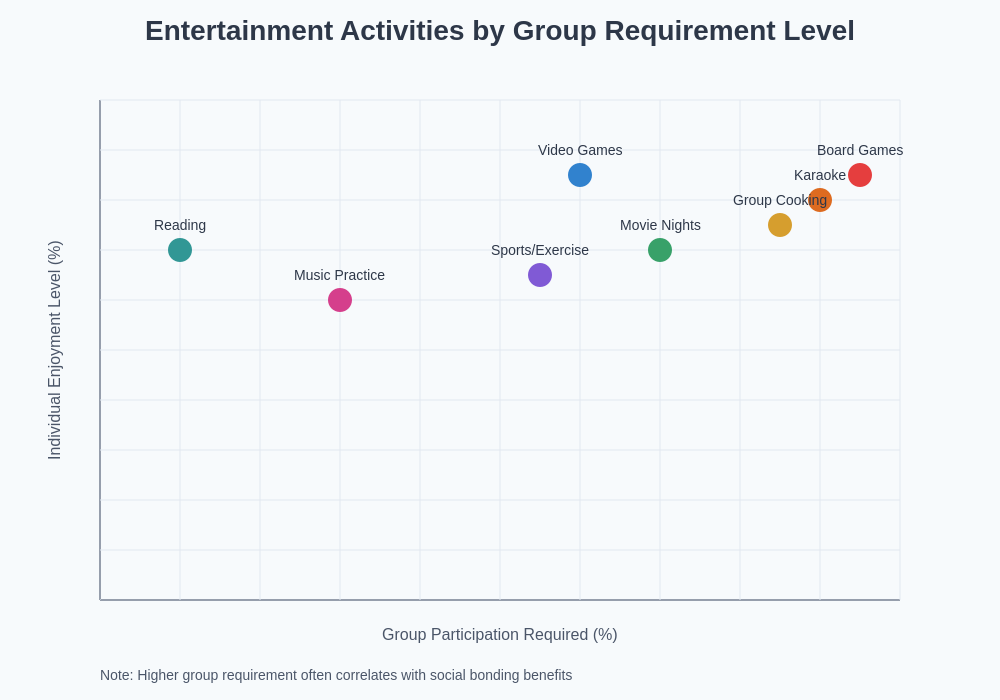
Group entertainment activities in sharehouses often serve as informal social barometers that indicate resident integration levels, relationship status, and community standing within the household hierarchy. Participation or non-participation in these activities sends powerful social signals that can affect everything from roommate relationships to access to shared resources and inclusion in future house decisions.
The pressure to participate in group entertainment can create significant stress for residents who prefer solitary activities, have different energy levels, work unusual schedules, or come from cultural backgrounds where individual entertainment choices are more respected. How cultural differences affect friendship building explores how these participation expectations can sometimes conflict with personal preferences and cultural norms.
Residents who consistently opt out of group entertainment often find themselves gradually excluded from important household communications, decision-making processes, and social support networks that naturally develop through these shared experiences. This exclusion can create isolation and resentment that affects overall living satisfaction and community harmony.
The flip side involves residents who participate reluctantly or inauthentically in group entertainment, which can create tension, reduce activity enjoyment for everyone involved, and generate long-term community friction. Finding the balance between authentic participation and social integration requires ongoing negotiation and clear communication about boundaries and preferences.
Language Learning and Cultural Exchange Benefits
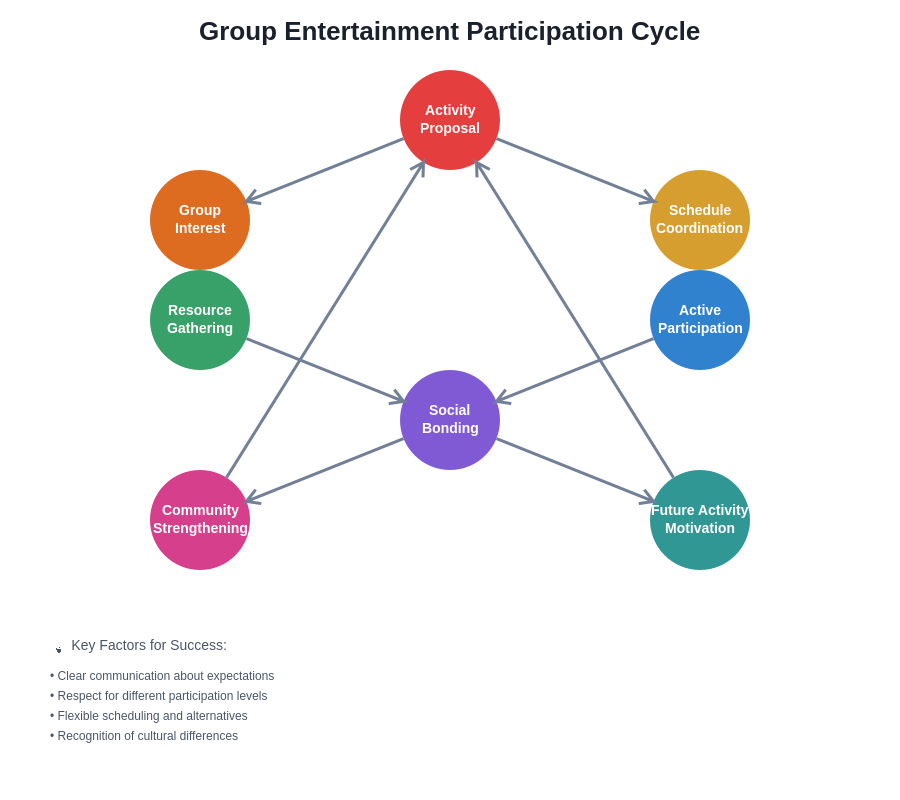
Group entertainment activities provide irreplaceable opportunities for language practice and cultural learning that cannot be replicated through individual study or solitary engagement with Japanese media. Language exchange programs work in sharehouses often emerge naturally through group entertainment sessions where residents teach each other games, explain cultural references, and practice conversation skills in relaxed, supportive environments.
The informal nature of entertainment-based language learning allows residents to acquire colloquial expressions, cultural nuances, and communication patterns that formal language classes rarely address. Gaming sessions, movie nights, and cooking activities create natural contexts for vocabulary acquisition and cultural understanding that accelerate integration and relationship building.
Multiple language combinations within international sharehouses create unique opportunities for polyglingual entertainment experiences where residents can practice different languages simultaneously while engaging in collaborative activities. These multilingual entertainment sessions often become highlights of sharehouse living that residents remember fondly long after moving out.
The cultural exchange aspects of group entertainment extend beyond language learning to include sharing traditions, explaining customs, celebrating festivals, and introducing foods from different countries. These exchanges require active participation from multiple residents to create meaningful learning experiences and cross-cultural understanding.
Economic Factors and Resource Optimization
The financial realities of Tokyo living make group entertainment not just socially beneficial but economically necessary for many sharehouse residents operating on limited budgets. How to budget realistically for sharehouse living must account for entertainment expenses that can be significantly reduced through collective participation and resource sharing.
Subscription services for streaming platforms, gaming networks, and digital entertainment become much more affordable when costs are divided among multiple users, but this arrangement requires ongoing group participation to justify and maintain these shared expenses. Residents who stop participating while continuing to benefit from shared subscriptions can create equity issues and community tension.
Group cooking activities and shared meal planning reduce individual food costs while providing entertainment value, but these arrangements require consistent participation and contribution from multiple residents to function effectively. How group buying power reduces individual costs demonstrates how entertainment and practical needs often intersect in sharehouse living.
The investment in group entertainment equipment such as gaming consoles, board game collections, sports equipment, and kitchen appliances requires collective financial contribution and ongoing participation to justify these purchases and ensure fair usage among all contributors.
Technology and Digital Entertainment Challenges
Modern digital entertainment often includes features specifically designed for group interaction, from multiplayer gaming systems to streaming party features that lose their primary appeal when used individually. How shared streaming accounts work in practice involves technical coordination and usage agreements that require group participation to implement successfully.
Internet bandwidth limitations in many Tokyo sharehouses create situations where high-quality digital entertainment requires coordination among residents to avoid connection issues that affect everyone’s experience. Gaming sessions, video streaming, and video calling often require scheduled usage agreements that necessitate group participation in planning and implementation.
The social features built into modern entertainment platforms assume group engagement and lose much of their functionality and appeal when used in isolation. Social gaming, shared playlists, collaborative streaming, and interactive entertainment apps are designed specifically for collective participation and provide limited value for solitary users.
Technical support and troubleshooting for shared entertainment technology often requires collective problem-solving and resource pooling to maintain systems that everyone depends on for their entertainment needs. Individual technical expertise must be shared for the benefit of the entire group to keep entertainment systems functional.
Conflict Resolution and Boundary Setting
Group entertainment activities often become sources of conflict when participation expectations clash with individual preferences, cultural differences, or personal boundaries. How to handle roommate conflicts without moving out frequently involves navigating entertainment-related disagreements about participation levels, activity choices, and resource usage.
Establishing clear boundaries around entertainment participation while maintaining community relationships requires diplomatic communication and mutual respect that can be challenging to achieve when social pressure and cultural expectations conflict with personal preferences. Some residents develop strategies for partial participation that satisfy social expectations while protecting their individual needs.
Time management conflicts arise when group entertainment schedules clash with work obligations, personal routines, or other commitments that cannot be easily adjusted. Residents must negotiate ways to participate meaningfully without compromising their other responsibilities or personal well-being.
The establishment of house rules around entertainment activities, noise levels, participation expectations, and resource sharing requires group discussion and consensus-building that itself requires collective participation to create fair and sustainable agreements.
Individual Adaptation Strategies
Successful sharehouse residents develop personalized approaches to group entertainment that allow them to participate authentically while maintaining their individual preferences and boundaries. These strategies often evolve over time as residents better understand house dynamics and develop stronger relationships with their roommates.
Some residents find success in selective participation where they engage fully in certain group activities that align with their interests while politely declining others, creating a pattern of engagement that satisfies social expectations without overwhelming their personal preferences. How personal values get challenged and refined often occurs through these careful navigation processes.
Alternative contribution methods allow residents to support group entertainment without direct participation through activities such as organizing logistics, providing refreshments, documenting events, or offering technical support that enables group activities while accommodating different participation styles.
Communication strategies that explain personal preferences, cultural backgrounds, or individual constraints help roommates understand participation limitations while maintaining positive relationships and community integration. Honest dialogue about entertainment preferences often leads to creative solutions that accommodate everyone’s needs.
Long-term Community Building Through Shared Entertainment
The entertainment activities that initially require group participation often evolve into treasured community traditions that define the character and culture of specific sharehouses. How sharehouse living prepares you for future challenges includes learning to balance individual needs with collective participation in ways that strengthen rather than strain community relationships.
Residents who invest in group entertainment activities often develop deeper friendships, stronger support networks, and more satisfying living experiences that extend beyond their sharehouse tenure. These relationships frequently continue long after residents move out and often influence their future housing choices and social patterns.
The skills developed through navigating group entertainment requirements translate into valuable life competencies including negotiation, compromise, cultural sensitivity, and collaborative problem-solving that benefit residents in their professional and personal relationships beyond sharehouse living.
Understanding why some entertainment requires group participation helps residents approach these activities with realistic expectations and strategic thinking that maximizes benefits while minimizing stress. The key lies not in avoiding group entertainment but in finding authentic ways to engage that honor both individual needs and community harmony.
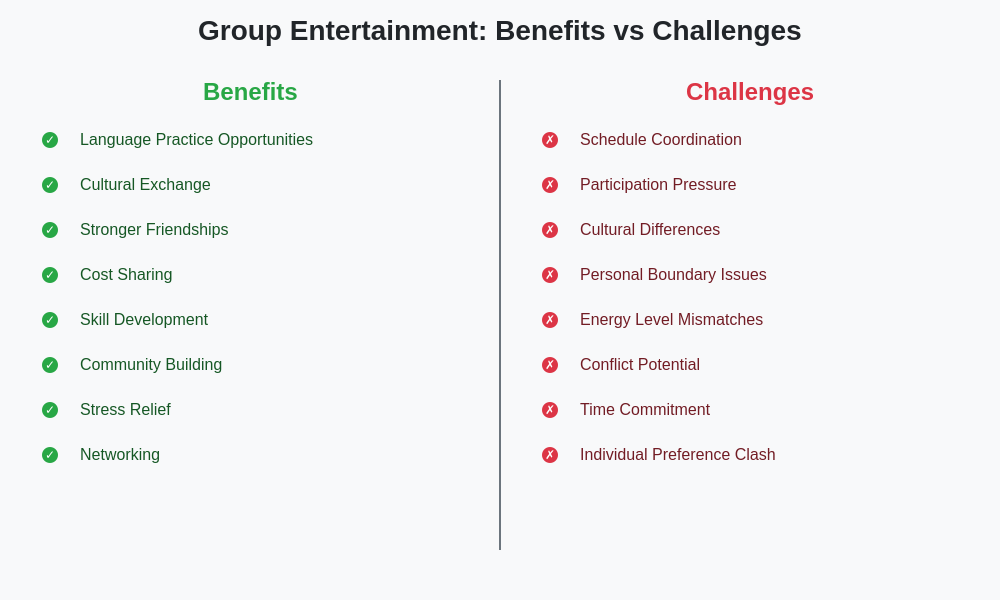
The entertainment landscape of Tokyo sharehouses reflects broader cultural patterns of collective engagement that can initially feel challenging but ultimately provide rich opportunities for personal growth, relationship building, and cultural learning. By understanding the underlying reasons for group entertainment requirements, residents can navigate these activities more successfully while contributing positively to their sharehouse communities and personal development.
Disclaimer
This article is for informational purposes only and reflects general observations about sharehouse entertainment dynamics. Individual experiences may vary significantly based on specific house cultures, resident personalities, and cultural backgrounds. Readers should communicate directly with potential housemates and property managers about entertainment expectations and participation requirements before committing to any living arrangement.