
The phenomenon of mysteriously disappearing ingredients represents one of the most persistent and frustrating challenges faced by sharehouse residents across Tokyo, creating tension that can transform harmonious living situations into sources of daily stress and interpersonal conflict. This seemingly simple issue touches upon complex dynamics of trust, cultural differences, communication barriers, and the fundamental challenges of sharing resources among diverse groups of people who may have vastly different backgrounds, financial situations, and food-related expectations.
Understanding why ingredients vanish from shared refrigerators and pantries requires examining the multifaceted nature of communal living, where individual needs and collective responsibility often clash in ways that create misunderstandings, resentment, and ongoing disputes that can affect the entire house atmosphere and resident satisfaction levels.
The Psychology Behind Shared Resource Conflicts
The disappearance of ingredients in sharehouses stems from fundamental psychological and social dynamics that occur when individuals with different upbringings, cultural backgrounds, and personal values attempt to coexist in shared spaces. Japanese sharehouse rules every foreigner should know often address food sharing expectations, but many residents struggle to understand or implement these guidelines effectively in practice.
Human behavior around shared resources follows predictable patterns that social psychologists have studied extensively, revealing that even well-intentioned individuals can rationalize taking items that belong to others when they perceive the situation as temporary, emergency-related, or when they believe they will replace the items later. The anonymous nature of many sharehouse living situations, where residents may not know each other well or feel accountable to specific individuals, can exacerbate these tendencies.
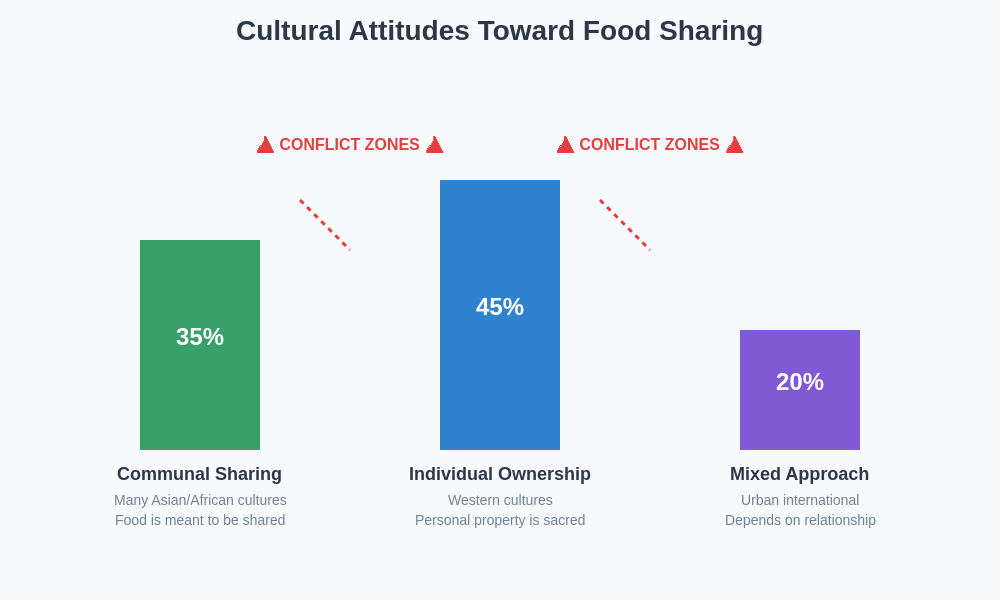
Cultural differences in food sharing traditions create additional layers of complexity, as some cultures emphasize communal eating and resource sharing while others prioritize individual ownership and personal responsibility. Living with Japanese roommates in Tokyo sharehouses highlights how these cultural variations can lead to misunderstandings about what constitutes acceptable behavior regarding shared kitchen resources.
The stress and time pressures of daily life in Tokyo can cause individuals to make impulsive decisions about food resources, particularly when they are hungry, running late, or facing financial constraints that make purchasing ingredients feel like an overwhelming burden. These situational factors often override normal social boundaries and consideration for others.
Common Categories of Disappearing Items
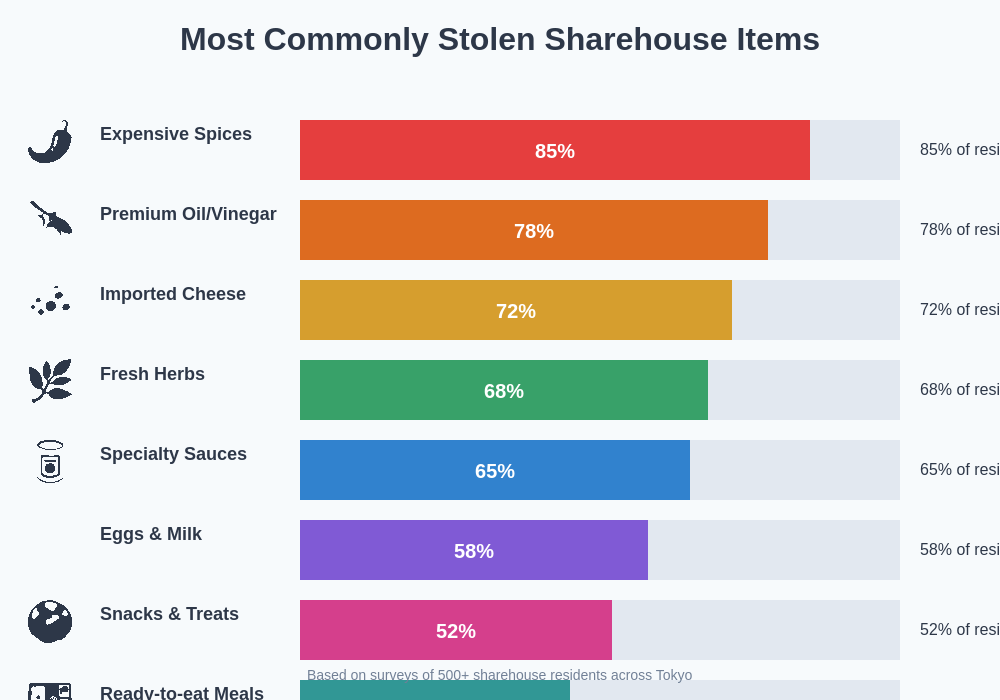
Certain types of ingredients and food items vanish from sharehouse kitchens with remarkable consistency, following patterns that reflect both practical considerations and psychological factors that influence resident behavior in shared living environments. Expensive specialty items such as imported cheeses, high-quality oils, organic produce, and international spices represent particularly attractive targets because their cost makes them feel like luxury items that residents might not normally purchase for themselves.
Convenience items that require minimal preparation often disappear because they provide immediate gratification for hungry residents who may not have time or energy to prepare meals from scratch. Ready-to-eat snacks, pre-cooked proteins, beverages, and prepared sauces fall into this category because they offer instant solutions to hunger or meal preparation challenges.
Basic staples like eggs, milk, bread, and common vegetables frequently vanish because they are versatile ingredients that many residents assume others will understand as temporary borrowing rather than stealing. The ubiquitous nature of these items can create a false sense that taking small quantities will go unnoticed or that the original owner will not miss them significantly.
Condiments and seasonings disappear regularly because residents often underestimate how much these items cost and overestimate how willing others might be to share them. Soy sauce, high-quality vinegars, specialty salts, and international spice blends represent significant investments that can enhance any meal, making them attractive targets for residents looking to improve their cooking without bearing the full cost.
Perishable items with short expiration dates sometimes vanish because residents rationalize that they are preventing food waste by consuming items that might otherwise spoil. This justification becomes particularly common with expensive fresh ingredients like seafood, premium produce, or artisanal dairy products that might represent significant financial losses if they expire unused.
Cultural and Communication Barriers
The international nature of many Tokyo sharehouses creates complex communication challenges that contribute significantly to ingredient disappearance problems, as residents from different cultural backgrounds may have vastly different expectations, assumptions, and communication styles regarding food sharing and personal property boundaries. How cultural differences affect friendship building explores how these variations impact daily interactions and community harmony.
Language barriers prevent many residents from asking permission to borrow ingredients, clarifying ownership of items, or discussing food-related expectations with their housemates. The embarrassment or anxiety associated with trying to communicate in a non-native language can lead residents to make assumptions about shared resources rather than engaging in potentially awkward conversations about food boundaries and etiquette.
Indirect communication styles, particularly common in Japanese culture, can create situations where residents hint at problems or express dissatisfaction in ways that international residents might not recognize or understand. This communication gap can allow ingredient disappearance issues to persist and escalate without proper resolution or acknowledgment from all parties involved.
Different cultural attitudes toward communal property and individual ownership create fundamental misunderstandings about what constitutes acceptable behavior in shared living spaces. Some cultures emphasize community sharing and collective resources, while others prioritize individual ownership and explicit permission-seeking, leading to conflicts when these approaches clash in practical daily situations.
Power dynamics related to language proficiency, cultural familiarity, and social confidence can prevent some residents from advocating for themselves or addressing ingredient theft directly. Less assertive residents or those who feel culturally or linguistically disadvantaged may allow problems to continue rather than confronting the issues directly.
Economic Pressures and Financial Disparities
The diverse economic backgrounds represented in most Tokyo sharehouses create situations where financial pressures significantly influence residents’ behavior around shared food resources, as individuals with limited budgets may view expensive ingredients belonging to others as temporary solutions to their own financial constraints. Living costs in Tokyo sharehouses explained demonstrates how varying financial situations can create tension around shared expenses and resources.
Students living on tight budgets may rationalize taking ingredients as temporary borrowing that they intend to replace when their financial situation improves, but this replacement often fails to occur due to continued financial pressures or simple forgetfulness. The stress of managing limited resources can overwhelm normal social considerations and lead to decisions that residents might not make under different circumstances.
Part-time workers or individuals between jobs may experience irregular income that creates periods of financial desperation where the temptation to use others’ ingredients becomes overwhelming. These situations can lead to patterns of taking items during difficult periods with genuine intentions to compensate later, but practical limitations often prevent proper restitution.
International residents dealing with currency exchange issues, unexpected expenses, or delays in receiving money from home may find themselves in temporary financial crises that make expensive ingredients belonging to others seem like reasonable solutions to immediate hunger or meal preparation needs.
The cost of quality ingredients in Tokyo can be significantly higher than many international residents expect, creating sticker shock that makes sharing or borrowing seem more reasonable than paying full price for items they might use only occasionally. This economic reality can shift perceptions about the significance of taking small quantities of expensive items.
Storage and Organization Challenges
Poor kitchen organization and inadequate storage solutions in many sharehouses contribute significantly to ingredient disappearance by creating environments where ownership boundaries become unclear and items can vanish without clear accountability or tracking systems. How limited storage forces you to live minimally explores how space constraints affect resident behavior and resource management.
Overcrowded refrigerators and pantries make it difficult for residents to track their own items or identify what belongs to others, creating situations where ingredients can disappear through genuine confusion rather than intentional theft. When storage areas become chaotic and disorganized, the lines between personal and shared items can blur significantly.
Lack of clear labeling systems allows residents to claim ignorance about ownership when confronted about missing items, as unlabeled containers and packages provide plausible deniability for those who choose to take items that do not belong to them. This ambiguity can enable ongoing problems while protecting perpetrators from direct confrontation.
Inadequate refrigerator and freezer space forces residents to store items in creative ways that may not clearly indicate ownership, such as using shared containers, storing items in unusual locations, or mixing personal items with communal resources in ways that create confusion about boundaries and expectations.
Temperature control issues in shared refrigerators can cause expensive ingredients to spoil more quickly than expected, leading some residents to consume items that might otherwise waste rather than allowing them to expire unused. This utilitarian approach can be rationalized as preventing waste even when it involves taking items that belong to others.
The Role of House Dynamics and Social Hierarchies
Sharehouse social hierarchies and group dynamics significantly influence patterns of ingredient disappearance, as established residents, popular individuals, or those perceived as having authority may feel entitled to share resources more freely, while newer or less integrated residents may feel unable to object or address problems directly. How social hierarchies develop naturally examines how these power structures affect daily interactions and resource access.
Long-term residents sometimes develop a sense of ownership over shared spaces and resources that can lead them to treat newer residents’ ingredients as part of the general household supplies available for common use. This entitlement can be reinforced by familiarity with the space and established relationships with other long-term residents.
Popular residents or those who contribute significantly to household social activities may receive informal permission or tolerance for taking ingredients that would not be acceptable from other residents. This double standard can create resentment and confusion about house rules and expectations regarding food sharing.
Residents who struggle with social integration or feel excluded from house activities may rationalize taking ingredients as compensation for their social isolation or as a way to participate in the community indirectly. These behaviors can reflect deeper issues with belonging and acceptance within the house social structure.
Fear of confrontation or social rejection can prevent residents from addressing ingredient theft directly, allowing problems to persist and potentially escalate as perpetrators become bolder when they face no consequences for their actions. This avoidance can enable patterns of behavior that undermine trust and community harmony.
Practical Prevention and Resolution Strategies
Implementing effective systems for preventing ingredient disappearance requires proactive approaches that address both the practical and social aspects of shared living, including clear communication protocols, organized storage solutions, and community agreements that establish expectations and consequences for resource sharing violations. How to handle roommate conflicts without moving out provides strategies for addressing these issues constructively.
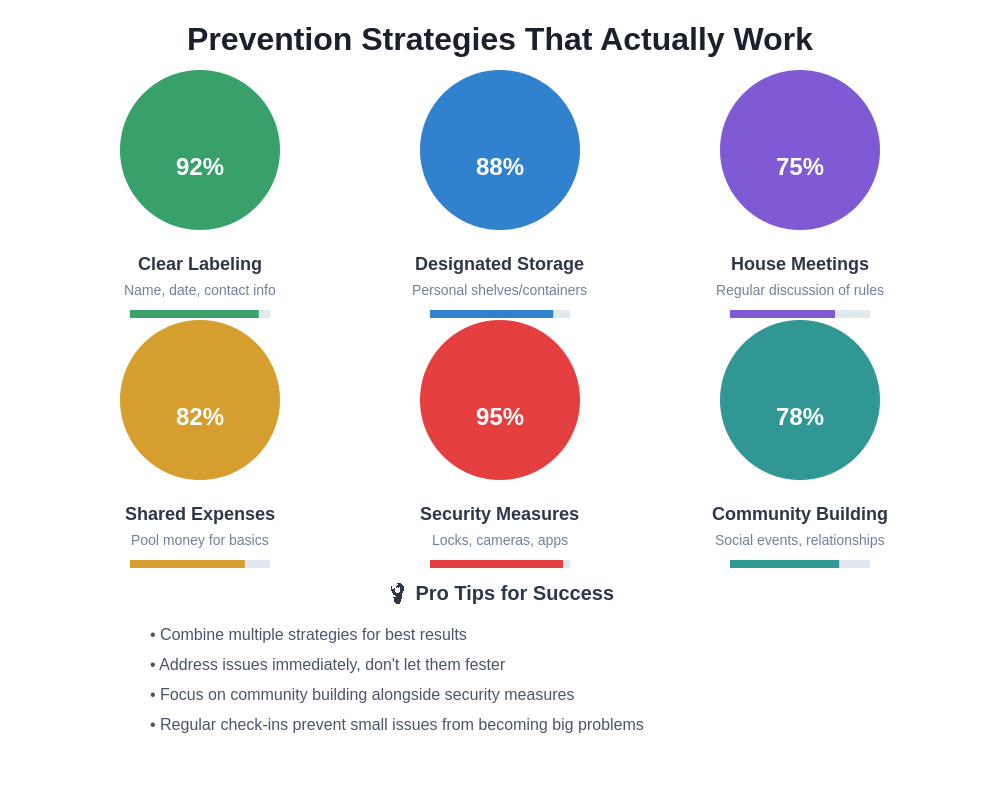
Clear labeling systems using names, dates, and contact information help establish ownership boundaries while making it difficult for residents to claim ignorance about item ownership. Waterproof labels, permanent markers, and consistent labeling practices create accountability systems that can deter casual theft while providing evidence for addressing violations.
Designated storage areas for each resident, including specific refrigerator shelves, pantry sections, and freezer spaces, eliminate ambiguity about ownership while giving residents control over their food security. These systems work best when combined with locks, designated containers, or other security measures that prevent unauthorized access.
House meetings focused on food sharing expectations, kitchen etiquette, and conflict resolution procedures help establish community standards while providing forums for addressing problems before they escalate into serious conflicts. Regular check-ins about kitchen concerns allow residents to voice frustrations and work together on solutions.
Shared expense systems for common ingredients, cleaning supplies, and basic staples can reduce individual financial pressures while ensuring that everyone has access to essential items. These pooled resource approaches require careful management and equal contribution from all residents but can eliminate many sources of ingredient-related conflict.
Technology Solutions and Modern Approaches
Digital tools and modern technology offer innovative solutions for tracking shared resources and preventing ingredient disappearance, as smartphone apps, digital labeling systems, and communication platforms can provide accountability and transparency that traditional approaches may lack in diverse international living situations.
Shared expense tracking apps allow residents to monitor contributions to communal purchases, track individual usage of shared items, and maintain transparent records of who owes what for collective resources. These digital solutions can eliminate disputes about fair contribution while encouraging responsible usage of shared items.
Camera systems in common areas, while potentially controversial, can provide accountability and evidence when ingredient theft becomes a persistent problem that threatens house harmony. The presence of cameras alone may deter casual theft while providing protection for residents who invest in expensive ingredients.
Digital communication platforms such as house group chats, shared calendars, and announcement systems enable residents to communicate about food sharing, announce when they are contributing items for general use, and request permission to borrow ingredients in real-time rather than making assumptions about availability.
Smart locks on refrigerators or storage containers provide physical security for expensive or sensitive ingredients while allowing authorized access through codes or digital keys. These solutions can be particularly valuable in houses with high resident turnover or persistent theft problems.
Long-term Community Building and Trust Development
Addressing ingredient disappearance issues successfully requires building genuine community trust and establishing shared values around respect, communication, and mutual consideration that extend beyond simple rule enforcement to create environments where residents feel invested in each other’s well-being and success. Making friends through Tokyo sharehouse communities explores how positive relationships can prevent many common living conflicts.
Regular community activities such as shared meals, cooking classes, and cultural exchange events help residents develop personal relationships that make them less likely to take advantage of each other’s resources while creating opportunities for natural food sharing and collaboration that can satisfy social and practical needs.
Mentorship programs pairing experienced residents with newcomers can help establish proper kitchen etiquette and house expectations while providing support systems that reduce the isolation and financial stress that often contribute to ingredient theft problems. These relationships can prevent problems before they develop while creating accountability partnerships.
Conflict resolution training and communication skill development help residents address problems directly and constructively rather than allowing resentment to build or resorting to passive-aggressive behaviors that can escalate conflicts and damage community harmony over time.
Recognition and appreciation systems for residents who contribute positively to house community and follow established guidelines can reinforce good behavior while creating social incentives for respectful resource sharing and community participation. These positive reinforcement approaches often prove more effective than purely punitive measures.
The mystery of disappearing ingredients ultimately reflects broader challenges of communal living in diverse international environments, where success depends on developing empathy, communication skills, and shared commitment to creating harmonious living spaces that benefit everyone involved. Through proactive prevention strategies, clear communication, and genuine community building efforts, sharehouses can transform these common conflicts into opportunities for cultural learning and personal growth that enhance rather than detract from the international living experience.
Disclaimer
This article is for informational purposes only and does not constitute legal advice regarding tenant rights or dispute resolution. Individual sharehouses may have specific policies and procedures for addressing food-related conflicts. Readers should consult their lease agreements and house rules for guidance on proper procedures. The strategies mentioned may not be suitable for all living situations or cultural contexts.