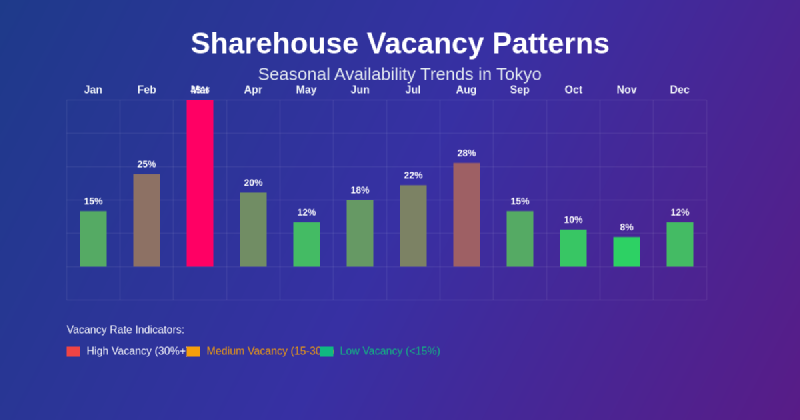
Understanding the cyclical nature of vacancy rates in Tokyo sharehouses reveals a complex interplay of cultural, academic, and economic factors that dramatically influence housing availability throughout the year. These patterns create distinct opportunities and challenges for prospective residents, making timing a crucial element in successful sharehouse hunting strategies that can significantly impact both availability options and rental costs.
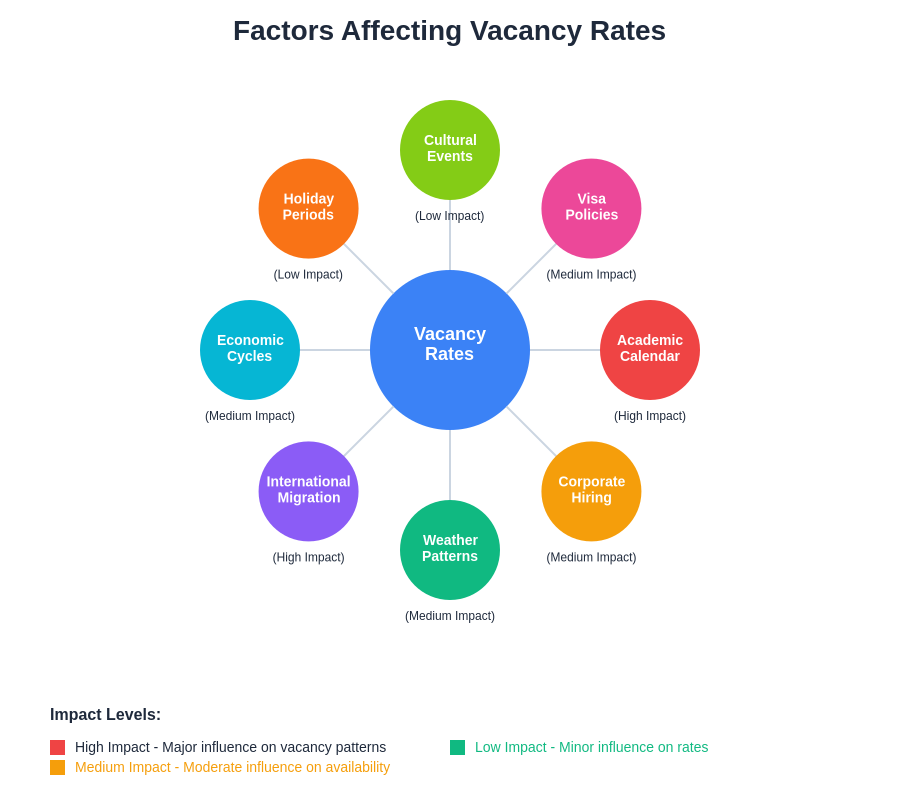
The phenomenon of fluctuating vacancy rates extends far beyond simple supply and demand mechanics, encompassing deep-rooted Japanese cultural practices, academic calendar cycles, corporate hiring patterns, and international migration trends that collectively shape the rhythm of Tokyo’s shared living market. Recognizing these patterns empowers prospective residents to strategically time their housing searches, potentially securing better accommodations at more favorable terms while avoiding the intense competition that characterizes peak periods.
The Academic Calendar’s Profound Impact
Japan’s academic year structure creates the most significant driver of vacancy rate fluctuations in Tokyo sharehouses, with university and language school schedules generating predictable waves of resident turnover that ripple through the entire shared housing market. The spring semester system, beginning in April, triggers massive population movements as students graduate, transfer, or begin new academic programs across the metropolitan area.
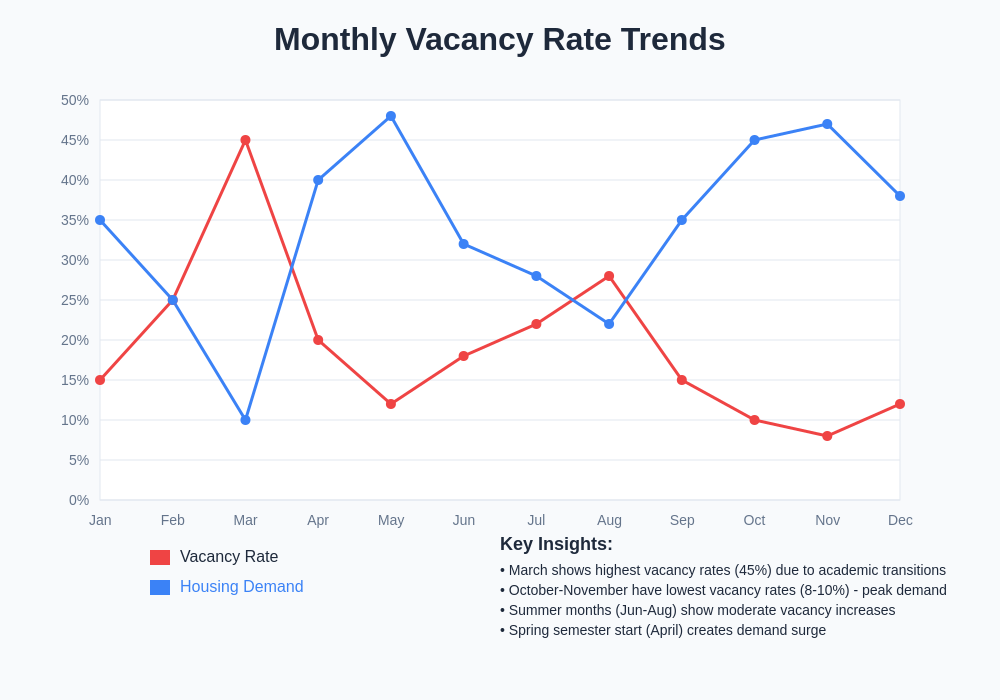
March consistently represents the peak departure month as graduating students conclude their studies and either return to their home regions or transition to full-time employment that often necessitates different housing arrangements. Student sharehouses near top Tokyo universities experience particularly dramatic vacancy spikes during this period, creating temporary oversupply conditions that can benefit incoming residents seeking premium locations at reduced rates.
The period from late February through early April witnesses the highest vacancy rates of the entire year, with some sharehouses reporting turnover rates exceeding sixty percent as academic cycles conclude and new educational journeys begin. This massive population shift creates unprecedented opportunities for housing seekers willing to navigate the transitional chaos that characterizes Tokyo’s spring housing market.
Conversely, the September enrollment period for international programs and graduate studies creates a secondary wave of housing demand that temporarily reduces vacancy rates in properties catering to foreign students and researchers. English-speaking sharehouses in Tokyo for foreigners often experience full occupancy during autumn months as new international residents seek accommodation before winter arrives.
Corporate Employment Cycles and Professional Migration
Japan’s distinctive corporate culture and hiring practices generate additional vacancy rate fluctuations that align with fiscal year transitions and career advancement cycles throughout the business calendar. The traditional April start date for new graduates entering the workforce creates substantial housing demand as young professionals seek accommodations near major business districts and corporate headquarters.
However, this corporate influx occurs simultaneously with student departures, creating complex market dynamics where different sharehouse types experience opposing trends during the same time periods. Properties located near major business centers may see reduced vacancy rates in spring, while student-oriented sharehouses in university districts simultaneously experience peak availability periods.
The bonus payment cycles in June and December influence resident mobility patterns as improved financial situations enable housing upgrades or relocations to more desirable neighborhoods. Business district sharehouses near Tokyo Station often experience increased turnover following bonus periods as residents leverage improved financial positions to secure better accommodations.
Mid-career professionals frequently time housing changes to coincide with fiscal year conclusions in March, creating additional vacancy fluctuations in premium sharehouses catering to experienced international workers and domestic professionals seeking upgraded living situations.
Seasonal Weather Patterns and Living Preferences
Tokyo’s distinct seasonal climate variations significantly influence housing preferences and moving decisions, with weather-related factors creating predictable patterns in vacancy rates that savvy housing seekers can exploit for strategic advantage. The oppressive summer heat and humidity make June through August particularly challenging periods for apartment hunting and moving activities.
The rainy season from early June through mid-July traditionally sees reduced housing market activity as both landlords and tenants avoid the complications associated with moving belongings during frequent downpours and high humidity conditions. How summer heat makes small rooms unbearable explains why many residents postpone housing changes until more comfortable weather arrives, creating temporary vacancy increases in less climate-controlled properties.
Autumn months from September through November represent optimal moving conditions with pleasant temperatures and minimal precipitation, leading to increased housing market activity and correspondingly reduced vacancy rates across most sharehouse categories. The comfortable weather coincides with new academic enrollment periods and post-summer job market activity, creating peak demand conditions.
Winter months traditionally show moderate vacancy rates as cold temperatures discourage non-essential moving activities, though international residents often prefer winter apartment hunting to avoid summer heat and rainy season complications. How heating bills create monthly budget chaos influences winter housing decisions as residents evaluate utility costs against accommodation preferences.
International Resident Migration Patterns
The global nature of Tokyo’s sharehouse market creates additional complexity through international migration patterns that vary significantly based on visa types, academic programs, and global economic conditions affecting foreign resident populations. Working holiday visa holders typically arrive in spring and autumn, creating predictable demand surges in properties catering to short-term international residents.
Language school enrollment patterns generate substantial housing demand during April and October start dates, with corresponding vacancy increases in January and July as program completions occur. How language schools impact daily schedules demonstrates how educational timing influences housing choices and availability patterns throughout the year.
Tourist visa restrictions and international travel patterns affect short-term housing demand, particularly in sharehouses offering flexible lease terms for digital nomads and extended travelers. How digital nomads change sharehouse dynamics explores how this population segment creates unique demand fluctuations based on global travel seasons and visa policy changes.
Economic conditions in major source countries for international residents directly impact Tokyo housing demand, with currency fluctuations and economic uncertainties creating unpredictable vacancy rate variations that can override seasonal patterns during periods of global economic instability.
Holiday and Festival Impact on Housing Markets
Japanese cultural celebrations and international holiday periods create distinctive housing market disruptions that temporarily affect vacancy rates through reduced market activity rather than actual population changes. Golden Week in late April and early May virtually halts housing market activity as Japan experiences its longest consecutive holiday period.
Why golden week creates housing market changes explains how this extended vacation period delays housing decisions and creates artificial vacancy rate increases as market activity stagnates rather than actual housing supply changes occurring.
The Obon period in mid-August generates similar market disruptions as domestic population temporarily relocates to family homes, creating apparent vacancy increases that reflect reduced housing search activity rather than genuine availability improvements. International residents often find reduced competition during these culturally significant periods, though property management responsiveness may also decrease.
New Year celebrations from late December through early January create the year’s most significant housing market pause, with both Japanese and international residents avoiding major life changes during this culturally sacred transition period. The resulting vacancy rate patterns reflect market inactivity rather than genuine supply increases, though patient housing seekers may encounter reduced competition.
Economic Cycles and Market Fluctuations
Broader economic conditions create underlying trends that influence vacancy rate patterns beyond predictable seasonal cycles, with employment market fluctuations, currency exchange rates, and cost of living changes affecting housing demand across different resident demographics. Economic uncertainty typically increases vacancy rates as residents delay housing changes and potential newcomers postpone relocation decisions.
Interest rate changes affect rental market dynamics by influencing property investment decisions and management company financial strategies, with monetary policy shifts creating delayed impacts on vacancy rates through altered supply and pricing mechanisms. How inflation affects long-term rental contracts examines how economic conditions influence housing market stability.
Global economic events create unpredictable demand fluctuations as international resident populations respond to changing employment opportunities and financial security concerns. Pandemic-related travel restrictions, economic sanctions, and international trade disputes can override seasonal patterns by fundamentally altering the composition and size of Tokyo’s international resident population.
Local economic development projects and infrastructure improvements affect neighborhood-specific vacancy rates by altering area attractiveness and accessibility. Major transportation projects, commercial developments, and urban planning initiatives create localized demand changes that can counteract broader seasonal trends in affected areas.
Strategic Timing for Housing Searches
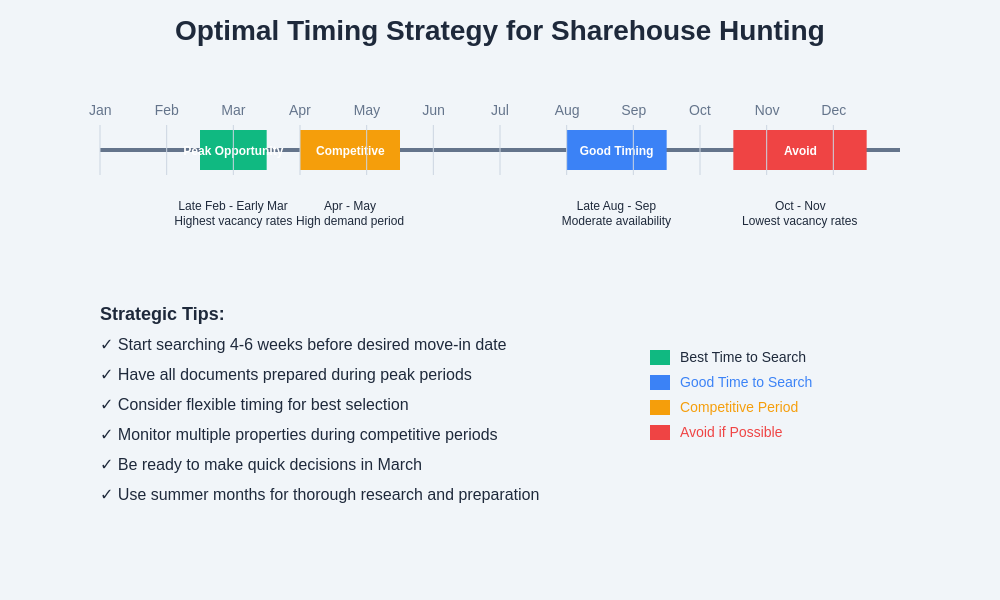
Understanding vacancy rate patterns enables strategic housing search timing that maximizes available options while minimizing competition and potentially securing more favorable rental terms. The optimal search periods typically occur during shoulder seasons when vacancy rates peak but weather conditions remain manageable for viewing properties and relocating belongings.
Late February through early March represents the peak opportunity period as academic departures accelerate but spring demand has not yet materialized, creating maximum selection with minimal competition. How to find the perfect sharehouse in Tokyo provides comprehensive guidance for capitalizing on these optimal timing windows.
Mid-January often provides excellent opportunities as New Year market inactivity concludes but spring moving season has not yet begun, allowing thorough property evaluation without pressure from competing applicants. Properties that struggled to maintain full occupancy during autumn and winter may offer reduced rates or improved terms to secure reliable tenants before spring demand arrives.
Late August through early September creates secondary opportunities as summer heat subsides and autumn market activity begins, though vacancy rates during this period typically remain lower than spring peaks. The combination of improved weather conditions and moderate availability often provides optimal balance between selection and competition levels.
Regional and Neighborhood Variations
Vacancy rate patterns vary significantly across Tokyo’s diverse neighborhoods, with different areas experiencing peak availability periods based on their primary resident demographics and local economic characteristics. University-adjacent neighborhoods follow academic calendar patterns most closely, while business district properties align more closely with corporate employment cycles.
Best tokyo neighborhoods for sharehouse living experience varying vacancy patterns based on their unique demographic compositions and local amenities. Central Tokyo locations with diverse resident populations tend to have more stable occupancy rates with smaller seasonal fluctuations compared to specialized areas serving particular demographics.
Suburban locations often experience different vacancy patterns as residents balance commute convenience against housing costs, with transportation accessibility changes affecting demand independently of broader seasonal trends. Cheaper sharehouse options in Tokyo suburbs may show increased availability during expensive periods when residents seek cost savings through location compromises.
Emerging neighborhoods experiencing development or gentrification may display vacancy patterns that contradict broader market trends as changing area characteristics attract new resident demographics while displacing existing populations.
Property Type and Pricing Considerations
Different sharehouse categories experience distinct vacancy rate patterns based on their target demographics and pricing strategies, with budget properties showing different seasonal trends compared to premium accommodations. Luxury sharehouses catering to professionals may maintain relatively stable occupancy with minor seasonal variations, while student-oriented budget properties experience dramatic fluctuations.
Living costs in tokyo sharehouses explained demonstrates how pricing strategies interact with seasonal demand to create complex availability patterns. Properties offering flexible lease terms may show reduced seasonal variation as they accommodate residents with varying duration requirements.
Furnished versus unfurnished options display different vacancy patterns as international residents with varying commitment levels seek accommodations matching their expected residence duration. Short-term oriented properties often experience higher turnover rates with correspondingly frequent vacancy opportunities throughout the year.
Age-restricted and gender-specific sharehouses may experience unique vacancy patterns based on their specialized demographic focus, with demand fluctuations reflecting the specific life cycle and migration patterns of their target resident populations.
Market Intelligence and Competitive Advantages
Successful navigation of vacancy rate patterns requires ongoing market monitoring and flexible search strategies that can adapt to changing conditions and capitalize on emerging opportunities. Real stories from tokyo sharehouse residents provide insights into actual experiences with seasonal housing market dynamics.
Building relationships with property management companies and maintaining awareness of multiple potential options enables rapid response when favorable vacancy conditions emerge. The most desirable properties may become available and fill quickly during peak vacancy periods, requiring immediate decision-making capabilities and prepared application materials.
Understanding the lag between vacancy announcements and actual availability allows strategic timing of application submissions and viewing schedules. Properties may announce availability weeks before actual move-in dates, creating opportunities for advance planning and competitive positioning.
Seasonal vacancy patterns create opportunities for negotiating favorable lease terms, particularly during periods when properties struggle to maintain full occupancy. Understanding when landlords face pressure to fill vacant rooms enables strategic negotiations for reduced rates, waived fees, or improved lease conditions.
The cyclical nature of Tokyo’s sharehouse vacancy rates reflects the complex interplay of cultural, economic, and social factors that define life in Japan’s capital city. By understanding these patterns and timing housing searches strategically, prospective residents can significantly improve their chances of securing ideal accommodations while potentially benefiting from reduced competition and more favorable rental terms that align with their budget and lifestyle requirements.
Disclaimer
This article provides general information about housing market patterns and should not be considered as professional real estate or financial advice. Vacancy rates and market conditions can vary significantly based on specific properties, neighborhoods, and economic circumstances. Readers should conduct thorough research and consider current market conditions when making housing decisions. The patterns described may change due to unforeseen circumstances or policy changes affecting the housing market.