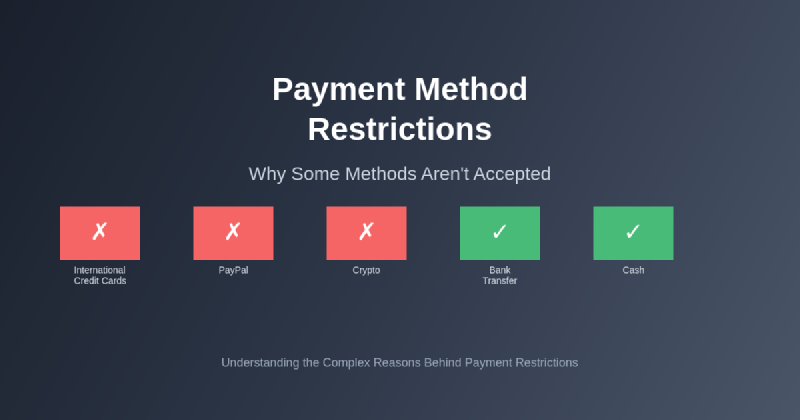
The frustration of discovering that your preferred payment method isn’t accepted for sharehouse rent represents one of the most common and bewildering challenges faced by international residents in Japan. This seemingly simple transaction barrier reveals a complex web of financial regulations, cultural practices, technological limitations, and business risk management strategies that have evolved over decades within Japan’s unique economic ecosystem. Understanding these underlying factors becomes essential for successfully navigating the sharehouse rental market and avoiding costly delays or application rejections.
The payment method restrictions in Japanese sharehouses often catch newcomers off guard because their home countries typically accept a wide variety of payment options without significant barriers. However, Japan’s financial system operates under different principles, regulations, and risk assessment criteria that create legitimate business reasons for these limitations. Recognizing that these restrictions aren’t arbitrary discrimination but rather systematic responses to practical challenges helps international residents develop more effective strategies for meeting payment requirements.
The Foundation of Japan’s Payment Culture
Japan’s approach to financial transactions has been shaped by decades of economic stability, low crime rates, and cultural preferences for cash-based transactions that prioritize security and personal accountability over convenience. This historical foundation has created a business environment where traditional payment methods remain dominant, and newer financial technologies face significant adoption barriers despite their global popularity and convenience.
The cultural emphasis on face-to-face transactions and personal relationships in business dealings has reinforced the preference for payment methods that provide clear accountability trails and direct human oversight. Understanding utility bills in Japanese sharehouses illustrates how these cultural preferences extend throughout the entire rental ecosystem, affecting not just primary rent payments but all associated housing costs and procedures.
Cash transactions continue to dominate daily commerce in Japan far more than in most developed economies, with many businesses still preferring or exclusively accepting cash payments. This preference extends into the real estate sector, where property managers and landlords often view cash-based payment systems as more reliable and less prone to technical failures or processing delays that could disrupt monthly revenue streams.
The regulatory environment surrounding financial transactions in Japan includes stringent anti-money laundering requirements, foreign exchange controls, and banking oversight mechanisms that create additional compliance burdens for businesses accepting international payment methods. These regulatory challenges often make it more cost-effective for sharehouse operators to limit payment options rather than invest in the infrastructure and compliance systems required for broader payment acceptance.
Banking System Limitations and International Barriers
The Japanese banking system’s architecture reflects domestic priorities and historical development patterns that didn’t anticipate the current levels of international resident integration and global payment method diversity. Traditional Japanese banks developed their systems around domestic account holders with established credit histories, employment verification, and cultural familiarity with Japanese financial practices and documentation requirements.
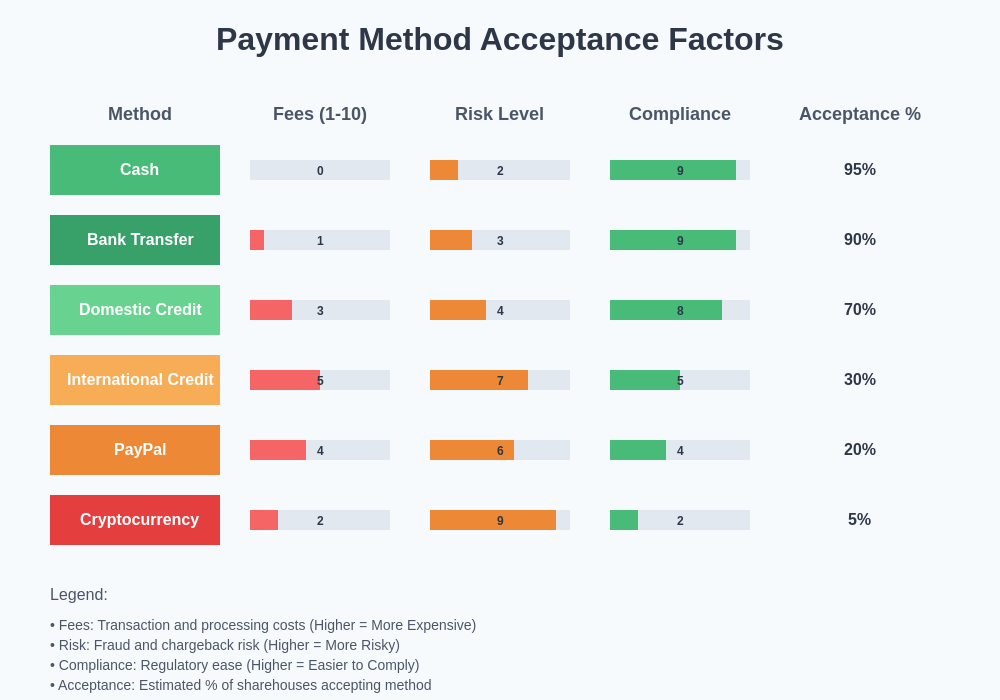
International credit cards face acceptance challenges due to higher transaction fees, currency conversion complexities, and increased fraud risk assessments that make them less attractive to cost-conscious property managers. How to calculate your true living costs becomes particularly important when these payment method restrictions create additional fees or require expensive workarounds that significantly impact monthly budgets.
Foreign bank transfers encounter obstacles including high international wire transfer fees, extended processing times that can disrupt monthly payment schedules, and complex documentation requirements that create administrative burdens for both residents and property managers. These practical challenges often outweigh the theoretical benefits of accepting international payment methods, leading many operators to simply exclude them entirely.
The lack of integration between Japanese and international banking networks means that many globally common payment platforms and services simply don’t function within Japan’s financial ecosystem. Digital payment services that work seamlessly across multiple countries often encounter technical barriers, regulatory restrictions, or partnership limitations that prevent their operation in the Japanese market.
Risk Management and Financial Security Concerns
Sharehouse operators face legitimate financial risks when accepting certain payment methods, particularly those that offer easy reversibility, dispute mechanisms, or limited fraud protection for merchants. Credit card chargebacks, disputed transactions, and payment reversals can create significant financial losses and administrative headaches that small property management companies are ill-equipped to handle effectively.
The international nature of many payment methods introduces additional risk factors including currency fluctuation exposure, foreign regulatory compliance requirements, and limited legal recourse in case of payment disputes or fraud. How to spot financial red flags in sharehouse contracts helps residents understand these risk factors from the property manager’s perspective while protecting their own interests.
Fraud prevention measures implemented by international payment processors sometimes trigger false positive alerts that block legitimate transactions from Japanese merchants, creating reliability concerns that can disrupt essential monthly rent collection processes. These technical issues often occur at critical payment deadlines, causing stress and potential late fees for residents despite their good faith payment attempts.
The administrative burden of managing multiple payment systems, each with its own reconciliation processes, reporting requirements, and technical support needs, can overwhelm smaller sharehouse operators who lack dedicated financial management staff. Simplifying payment options to a few reliable, well-understood methods often represents the most practical business decision for these operators.
Regulatory Compliance and Legal Requirements
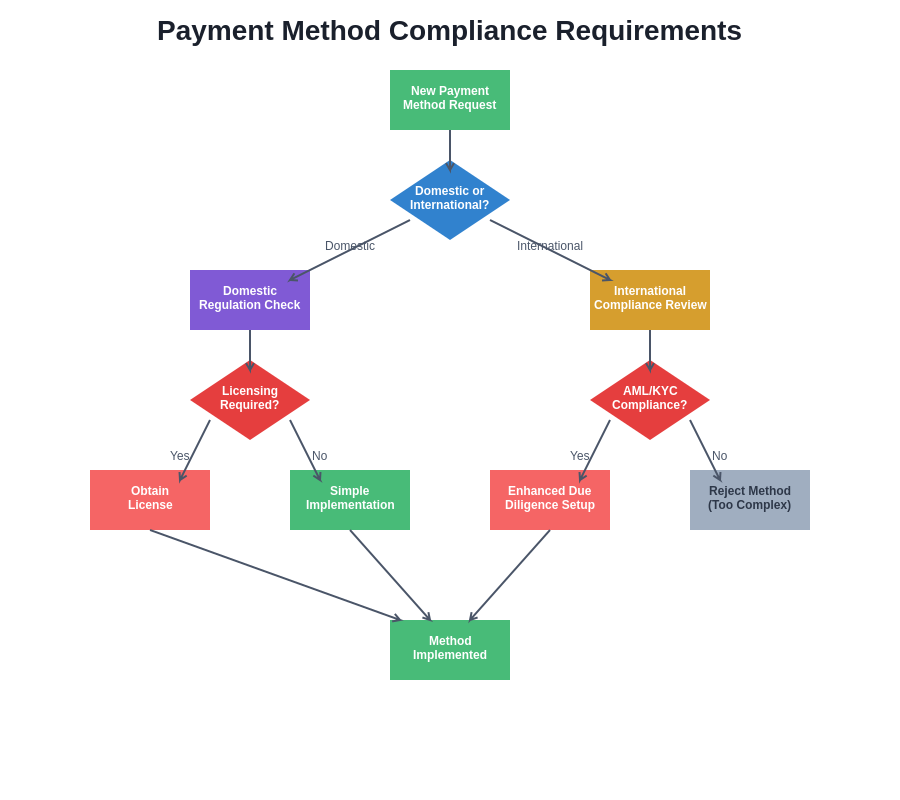
Japanese financial regulations impose specific documentation, reporting, and compliance requirements for different types of payment processing that create varying levels of administrative complexity and cost for businesses. Some payment methods require additional licensing, registration, or ongoing compliance monitoring that many sharehouse operators find prohibitively expensive or complex to maintain.
Anti-money laundering regulations require enhanced due diligence for certain types of international transactions, creating additional verification requirements and documentation burdens that can slow down application processes and create privacy concerns for international residents. These regulatory requirements often make it simpler for property managers to avoid international payment methods entirely rather than invest in compliance infrastructure.
Tax reporting requirements for different payment methods vary significantly, with some requiring detailed transaction reporting, currency conversion documentation, or special accounting treatment that increases administrative costs and complexity. Living costs in Tokyo sharehouses explained includes consideration of how these regulatory requirements can affect overall housing costs through administrative fees and processing charges.
Foreign exchange regulations can restrict or complicate certain types of international payment processing, requiring special permissions, reporting procedures, or partnership arrangements with licensed financial institutions that many small property managers find impractical to establish and maintain.
Technology Infrastructure and Integration Challenges
The technological infrastructure required to accept diverse payment methods involves significant upfront investments in payment processing systems, security measures, and ongoing technical support that many smaller sharehouse operators cannot justify based on their transaction volumes and profit margins. Legacy accounting and property management systems often lack integration capabilities with modern payment processing platforms.
Payment processing fees vary dramatically between different methods, with some international options carrying transaction costs that can reach 3-5% of payment amounts, significantly impacting the already thin profit margins typical in the sharehouse rental market. These cost considerations often drive operators toward payment methods with lower processing fees, even if they’re less convenient for residents.
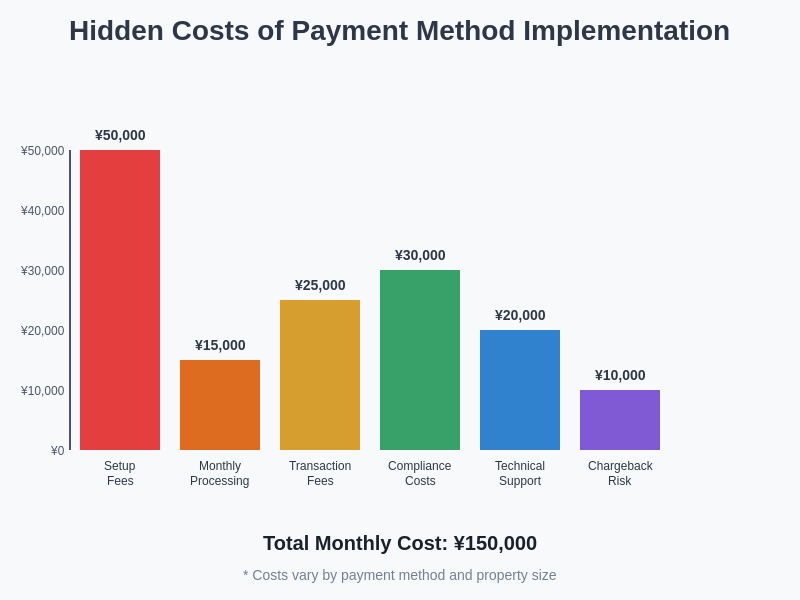
Technical support requirements for diverse payment systems can overwhelm small property management teams, particularly when language barriers complicate troubleshooting efforts and customer service interactions. Japanese sharehouse rules every foreigner should know often includes payment procedures specifically designed to minimize technical complications and support requirements.
Integration challenges between payment processors and Japanese accounting software, tax reporting systems, and banking platforms can create data synchronization problems, reporting errors, and reconciliation difficulties that increase administrative workload and error risk for property managers.
Cultural Expectations and Business Relationships
Japanese business culture places high value on reliability, predictability, and long-term relationship building, factors that influence payment method preferences toward options with established track records and clear accountability mechanisms. The cultural emphasis on personal responsibility and direct accountability often favors payment methods that require active resident engagement rather than automated systems that remove human oversight.
The concept of trust in Japanese business relationships extends to payment methods, with established domestic systems carrying cultural credibility that newer or foreign payment options lack. Living with Japanese roommates in Tokyo sharehouses explores how these cultural factors affect daily interactions and expectations within sharehouse communities.
Generational differences in payment preferences among property managers and residents can create conflicts, with older operators preferring traditional methods they understand while younger international residents expect modern digital payment options. These cultural and generational gaps often result in compromise solutions that satisfy neither party completely.
The importance of maintaining harmony and avoiding conflict in Japanese business relationships sometimes leads to payment policies designed to minimize disputes, chargebacks, and disagreements, even if these policies create inconvenience for some residents. The cultural preference for avoiding confrontation can result in inflexible payment policies rather than individualized solutions.
Economic Factors and Market Dynamics
The competitive sharehouse market in Tokyo creates pressure for operators to minimize operational costs and administrative complexity, often leading to standardized payment methods that serve the majority of residents while excluding minority preferences. How much Tokyo sharehouses really cost per month reflects how these operational efficiencies affect overall pricing strategies and cost structures.
Economic incentives from financial institutions sometimes favor certain payment methods through reduced processing fees, promotional rates, or partnership agreements that make specific options more attractive to property managers. These behind-the-scenes financial arrangements can significantly influence which payment methods are accepted or promoted.
The cash flow implications of different payment methods vary significantly, with some offering immediate fund availability while others involve holding periods, processing delays, or staged fund releases that can impact property managers’ ability to meet their own financial obligations and operating expenses.
Market segmentation within the sharehouse industry has led to specialization, with some operators focusing on international residents and accepting diverse payment methods while others serve primarily domestic residents and maintain traditional payment policies. Best tokyo neighborhoods for sharehouse living often correlates with operator specialization and payment method acceptance patterns.
Practical Workarounds and Alternative Solutions
Despite payment method restrictions, creative residents and property managers have developed various workaround solutions that address the underlying business concerns while providing more flexibility for international residents. These solutions often involve third-party services, prepaid arrangements, or hybrid payment systems that bridge the gap between resident preferences and operator requirements.
Bank account requirements represent one of the most common alternative approaches, with many sharehouses requiring residents to establish Japanese bank accounts that enable domestic transfer payments. What documents you need for tokyo sharehouse applications includes guidance on navigating bank account establishment requirements and documentation needs.
Prepaid payment arrangements allow residents to make large advance payments using their preferred payment methods, with these funds then drawn down monthly using the operator’s preferred domestic payment system. This approach addresses cash flow concerns while providing flexibility for residents with limited Japanese banking options.
Third-party payment processing services have emerged to bridge the gap between international payment methods and Japanese property management requirements. These services accept international payments and convert them to domestic transfers, though they typically charge additional fees for this conversion service.
Negotiated payment arrangements sometimes allow residents to use alternative methods in exchange for additional deposits, processing fees, or other considerations that compensate property managers for the additional risk and administrative burden involved in accepting non-standard payment methods.
Long-term Trends and Future Developments
The gradual digitization of Japanese financial services and increasing international resident populations are slowly driving changes in payment method acceptance, though these changes occur more slowly than in many other countries due to regulatory and cultural factors. How to find perfect sharehouse tokyo increasingly includes payment method flexibility as a selection criterion for international residents.
Regulatory reforms aimed at promoting cashless payments and improving financial inclusion are beginning to create incentives for businesses to accept broader ranges of payment methods, though implementation remains uneven across different industry sectors and business sizes.
Technological improvements in payment processing, fraud detection, and regulatory compliance are gradually reducing the technical barriers and cost considerations that have historically limited payment method acceptance in the sharehouse market. However, cultural and relationship factors continue to influence adoption rates and acceptance policies.
The growing competition for international residents among sharehouse operators is creating market pressure to offer more flexible payment options, with some operators viewing payment method diversity as a competitive advantage that justifies the additional operational complexity and costs involved.
Understanding why certain payment methods aren’t accepted in Japanese sharehouses requires recognizing the complex interplay of cultural, regulatory, economic, and practical factors that shape these policies. While these restrictions can create frustration and inconvenience for international residents, they typically reflect legitimate business considerations rather than arbitrary discrimination. Success in navigating these limitations often depends on understanding the underlying concerns and working within existing systems while advocating for gradual improvements that benefit both residents and property managers.
Disclaimer
This article is for informational purposes only and does not constitute professional financial or legal advice. Payment method policies vary significantly between different sharehouse operators and can change based on regulatory updates, business circumstances, or market conditions. Readers should verify current payment requirements directly with property managers and consult with financial professionals regarding banking and payment method decisions. The information provided reflects general market conditions and may not apply to specific properties or situations.