The phenomenon of residents consistently forgetting their shopping duties represents one of the most persistent and frustrating challenges in sharehouse communities across Tokyo and Japan. This seemingly simple oversight creates ripple effects that extend far beyond empty toilet paper holders or missing cleaning supplies, fundamentally disrupting the delicate balance of shared responsibility that makes communal living successful. Understanding the complex psychological, cultural, and practical factors behind these lapses reveals deeper insights into human behavior within shared living environments.
The issue transcends simple forgetfulness, encompassing cultural differences in responsibility concepts, varying levels of domestic experience, and fundamental misunderstandings about community living expectations. Living with Japanese roommates in Tokyo sharehouses often involves navigating different cultural approaches to shared responsibilities, while international residents bring their own preconceptions about household management and community obligations.
The Psychology of Selective Memory in Shared Spaces
Human memory operates selectively, particularly when it comes to tasks perceived as mundane or unpleasant, and shopping duties often fall into this category for many sharehouse residents. The psychological concept of motivated forgetting explains how individuals unconsciously suppress memories of responsibilities they find burdensome or inconvenient, leading to genuinely surprised reactions when confronted about missed shopping assignments.
The phenomenon becomes more pronounced in shared living environments where individual accountability becomes diffused across multiple residents. Social psychology research demonstrates that people are more likely to forget or avoid responsibilities when they perceive others as equally capable of fulfilling those duties, creating what researchers term “diffusion of responsibility” that affects everything from shopping duties to cleaning schedules.
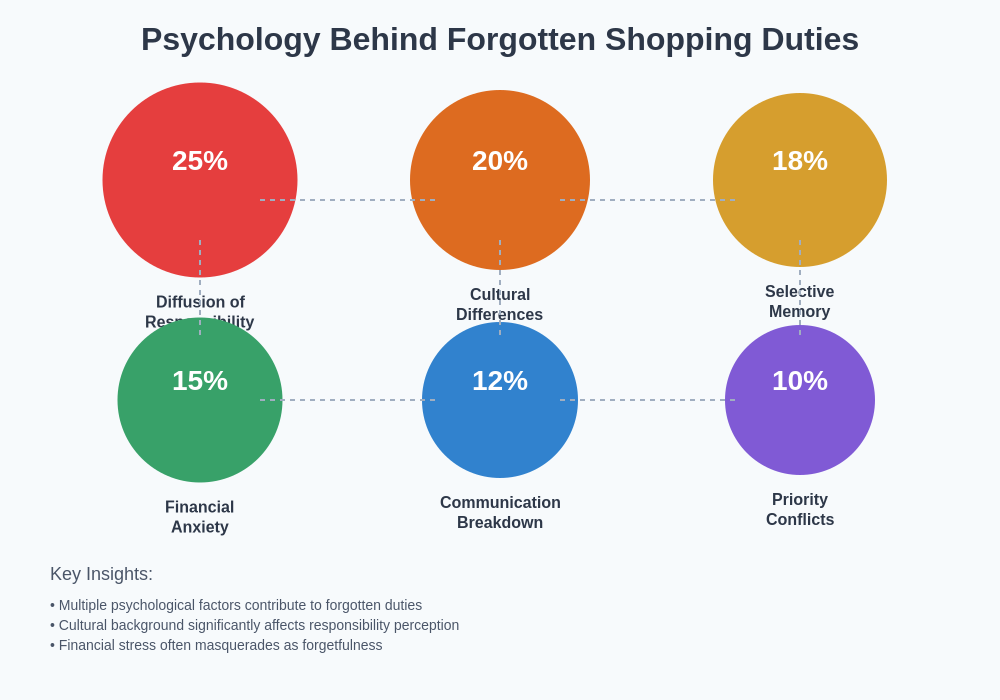
Memory formation and retention also suffer when tasks lack personal relevance or immediate consequences. Residents who rarely cook may genuinely forget about kitchen supply needs, while those who primarily eat out may not notice depleted household essentials until crisis situations arise. This selective attention creates blind spots that affect community supply management and house harmony.
Cultural Background and Domestic Experience Variations
The diversity of cultural backgrounds in Tokyo sharehouses creates significant variation in domestic experience levels and expectations regarding household management responsibilities. Japanese sharehouse rules every foreigner should know often include shopping rotation systems that may be unfamiliar to residents from cultures with different approaches to shared living and household responsibility distribution.
Residents from cultures emphasizing individual responsibility may struggle with collective shopping duties, while those from more communal backgrounds might assume others will naturally fill gaps in household supplies. These cultural differences create confusion about shopping expectations, leading to genuine misunderstandings rather than deliberate neglect of duties.
Previous living experiences significantly influence shopping behavior patterns and memory formation around household responsibilities. Residents who lived with family members handling shopping duties or in fully-serviced accommodations may lack developed habits for tracking and remembering household supply needs, creating systematic gaps in shopping duty fulfillment.
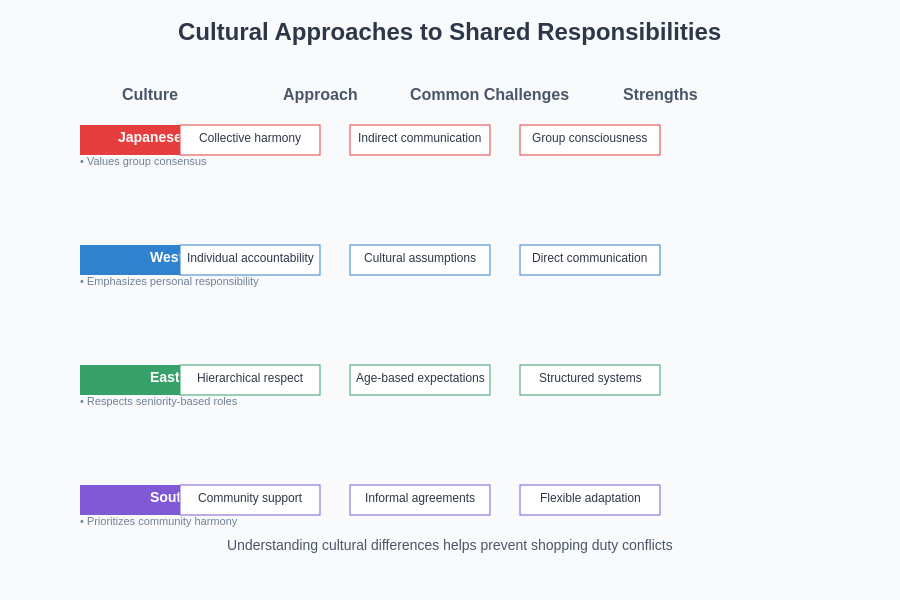
Educational and professional backgrounds also affect approaches to household management and shopping responsibilities. Students focused on academic pressures may genuinely struggle to incorporate shopping duties into their mental frameworks, while professionals with demanding careers might view household shopping as lower priority compared to work obligations.
Communication Breakdown and Unclear Expectations
Many sharehouse shopping duty failures stem from inadequate communication systems and unclear expectations rather than deliberate neglect or personality defects. Understanding utility bills in Japanese sharehouses requires clear communication, and shopping responsibilities demand similar clarity about expectations, timing, and consequences for forgotten duties.
Language barriers compound communication challenges, particularly in international sharehouses where shopping lists, product specifications, and duty rotations may be communicated in multiple languages or through cultural assumptions that don’t translate effectively. Residents may nod in agreement during house meetings without fully understanding their shopping responsibilities or the systems in place for tracking and fulfilling these duties.
The absence of clear consequences for forgotten shopping duties creates environments where memory lapses have no immediate personal impact, reducing motivation for developing reliable systems for remembering and fulfilling these responsibilities. Without accountability mechanisms, shopping duty failures become normalized rather than addressed systematically.
Technology communication failures also contribute to shopping duty oversights, particularly when houses rely on messaging apps, shared calendars, or digital systems that residents may not check regularly or understand fully. The disconnect between communication methods and individual habits creates gaps where shopping assignments fall through digital cracks.
Lifestyle Differences and Priority Conflicts
The varying lifestyles within sharehouse communities create natural conflicts between personal priorities and shared shopping responsibilities. Student sharehouses near top Tokyo universities often experience shopping duty conflicts during exam periods, while working professionals may struggle during busy project deadlines or travel periods.
Night shift workers, freelancers, and traditional office workers operate on different schedules that affect their availability for shopping duties and their awareness of household supply needs. These schedule differences create practical challenges for shopping coordination and memory formation around shared responsibilities, particularly when duty rotations don’t account for lifestyle variations.
Personal financial situations significantly influence shopping duty fulfillment, as residents experiencing budget constraints may delay or avoid shopping assignments due to cash flow issues rather than forgetfulness. The psychological stress of financial pressure can also impair memory function and priority setting, creating cycles where shopping duties become increasingly difficult to remember and fulfill.
Social priorities and personal relationships often take precedence over shopping duties, particularly for younger residents who may prioritize dating, socializing, or career networking over household responsibilities. Dating while living in Tokyo sharehouses can create schedule conflicts that affect shopping duty reliability and memory formation.
Technology Dependence and System Failures
Modern residents increasingly depend on technology for memory support and task management, creating vulnerability when digital systems fail or when shopping duties aren’t properly integrated into personal technology ecosystems. Smartphone notifications, calendar reminders, and shopping apps become crutches that create failure points when technology issues arise or when residents don’t properly configure these systems.
The proliferation of digital communication channels in sharehouses can create information overload where shopping duty assignments get lost among numerous messages, notifications, and competing demands for attention. Residents may receive shopping assignments through house messaging apps while simultaneously managing work emails, social media, and personal communications, creating cognitive overload that affects memory formation and task prioritization.
Generational differences in technology adoption and usage patterns affect how different residents process and remember digital shopping assignments. Older residents may prefer written lists and verbal communication, while younger residents might expect app-based systems and digital integration, creating disconnect in communication effectiveness and memory triggers.
Digital shopping platforms and delivery services also create new patterns of shopping behavior that may conflict with traditional sharehouse shopping duty systems. Residents accustomed to individual online ordering may struggle to adapt to collective shopping responsibilities that require physical store visits and group coordination.
Financial Anxiety and Budget Management Issues
Underlying financial stress significantly impacts shopping duty fulfillment, as residents may avoid or delay shopping assignments due to budget concerns rather than simple forgetfulness. Living costs in Tokyo sharehouses explained demonstrates how financial pressure affects all aspects of sharehouse living, including shopping responsibilities and community participation.
The psychological burden of spending money on behalf of others creates anxiety for residents with limited budgets or those uncertain about reimbursement systems. This anxiety can manifest as avoidance behavior that appears as forgetfulness but actually stems from financial fear and uncertainty about personal financial obligations.
Currency exchange concerns and international banking complications add additional stress for foreign residents handling shopping duties, particularly when dealing with cash-heavy Japanese shopping culture and complex reimbursement systems. These practical challenges can create genuine barriers to shopping duty fulfillment that masquerade as memory issues.
Monthly budget cycles and irregular income patterns affect residents’ ability to advance money for household shopping, creating timing conflicts that appear as forgotten duties but actually reflect cash flow management challenges and financial planning limitations.
Social Dynamics and Conflict Avoidance
Shopping duty failures often reflect deeper social dynamics and conflict avoidance patterns within sharehouse communities. Residents who feel marginalized or excluded from house social activities may unconsciously express their frustration through shopping duty neglect, using forgotten responsibilities as passive-aggressive communication about their social position within the community.
Fear of making incorrect purchases or facing criticism about shopping choices can create avoidance behaviors that manifest as forgetfulness. How to handle roommate conflicts without moving out becomes relevant when shopping duty conflicts reflect deeper interpersonal issues and communication breakdowns within the house community.
Personality conflicts and cultural misunderstandings often underlying shopping duty failures, as residents may avoid responsibilities that require interaction with specific housemates or navigation of cultural expectations they find challenging or uncomfortable. These social tensions create psychological barriers that affect memory formation and task completion.
Leadership dynamics within sharehouses also influence shopping duty patterns, as some residents may unconsciously resist assignments that place them in temporary authority positions or require decision-making about products and brands that affect the entire community. These subtle power dynamics affect motivation and memory formation around shopping responsibilities.
Practical Solutions and Prevention Strategies
Effective shopping duty management requires systematic approaches that account for psychological, cultural, and practical factors affecting resident behavior and memory formation. How to find the perfect sharehouse in Tokyo includes evaluating house management systems and community responsibility approaches during the selection process.
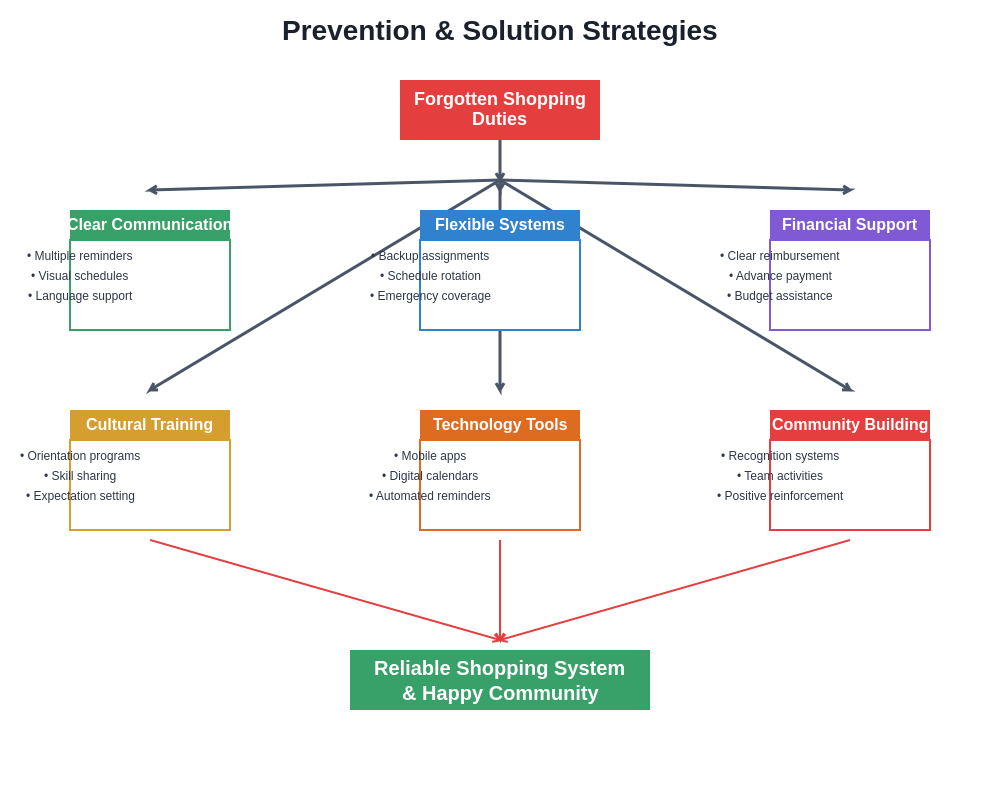
Clear communication systems with multiple reminder methods accommodate different learning styles and memory patterns while providing backup systems for technology failures and schedule conflicts. Written schedules, digital reminders, and verbal confirmations create redundancy that improves shopping duty reliability and reduces genuine forgetfulness incidents.
Flexible assignment systems that account for lifestyle differences, cultural backgrounds, and personal circumstances create more realistic expectations while maintaining community responsibility sharing. Rotating schedules with built-in flexibility and backup assignments prevent shopping duty failures from creating household crisis situations.
Training and orientation programs help new residents understand shopping expectations, product preferences, and reimbursement systems while building domestic skills that support reliable shopping duty fulfillment. Real stories from Tokyo sharehouse residents often highlight the importance of proper orientation and ongoing support for community responsibility sharing.
Financial management systems that reduce personal financial stress and clarify reimbursement procedures eliminate barriers that contribute to shopping duty avoidance and failure. Clear policies about advance payments, receipt management, and expense sharing reduce anxiety and uncertainty that affect task completion and memory formation.
Building Sustainable Community Shopping Systems
Long-term success in sharehouse shopping management requires building systems that work with human psychology rather than against it, recognizing that residents will have varying levels of domestic experience, cultural background, and personal circumstances affecting their shopping duty performance. Making friends through Tokyo sharehouse communities demonstrates how positive community relationships support better cooperation in all aspects of shared living, including shopping responsibilities.
Community education and skill-sharing programs help residents develop domestic capabilities and cultural understanding that support more reliable shopping duty fulfillment while building social connections that motivate community participation. These programs address underlying skill gaps and cultural differences that contribute to shopping duty failures.
Regular system evaluation and adjustment ensure that shopping duty approaches remain effective as house demographics change and individual circumstances evolve. Flexibility in system design accommodates changing needs while maintaining community standards and expectations for shared responsibility fulfillment.
Recognition and appreciation systems acknowledge residents who consistently fulfill shopping duties while addressing patterns of failure through supportive intervention rather than punitive measures. Positive reinforcement approaches build community culture that values and supports shared responsibility rather than creating adversarial relationships around household duties.
The challenge of forgotten shopping duties in sharehouses reflects broader questions about community living, personal responsibility, and cultural adaptation in international environments. Understanding the complex factors behind these failures enables more effective prevention strategies and community building approaches that support successful shared living experiences for all residents.
Disclaimer
This article is for informational purposes only and reflects general observations about sharehouse living dynamics. Individual experiences may vary significantly based on specific house communities, cultural backgrounds, and personal circumstances. Readers should consider their own situations and community guidelines when addressing shopping duty challenges. The strategies mentioned may not be appropriate for all living situations or cultural contexts.