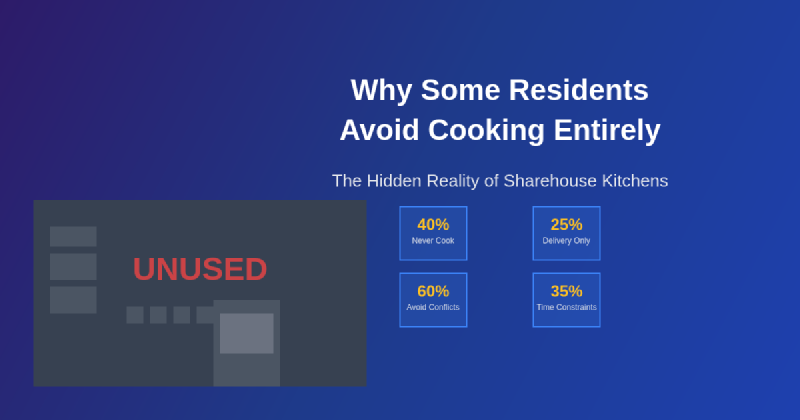
The phenomenon of sharehouse residents completely avoiding cooking represents one of the most significant yet underexplored aspects of shared living dynamics in Tokyo. While shared kitchens are often highlighted as major selling points for sharehouses, promising community building and cost savings through home cooking, the reality reveals that a substantial portion of residents deliberately choose to never engage with these spaces at all. This deliberate avoidance creates ripple effects throughout the entire sharehouse ecosystem, influencing everything from social relationships to monthly budgets and community atmosphere.
Understanding why residents make this choice requires examining the complex interplay of cultural expectations, practical obstacles, social anxieties, and lifestyle preferences that shape daily decision-making in shared living environments. The implications extend far beyond individual dietary choices, affecting house dynamics, community cohesion, and the overall success of the sharehouse model itself.
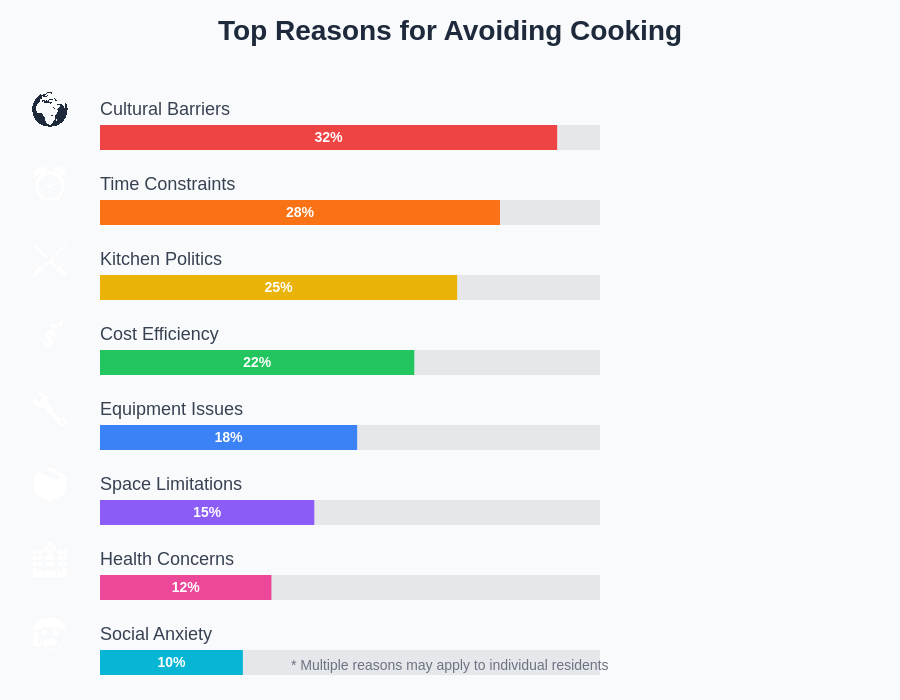
Cultural and Social Barriers to Kitchen Usage
The intersection of different cultural backgrounds in Tokyo sharehouses creates invisible barriers that can make kitchen usage feel intimidating or unwelcoming for many residents. Living with Japanese roommates in Tokyo sharehouses highlights how cultural differences in cooking styles, food preparation methods, and kitchen etiquette can create unspoken tensions that some residents prefer to avoid entirely rather than navigate.
Japanese kitchen culture emphasizes cleanliness, organization, and specific protocols that may not be immediately obvious to international residents. The fear of inadvertently violating these unwritten rules, combined with language barriers that make clarification difficult, leads many residents to conclude that complete avoidance is safer than risking social friction or embarrassment through cultural missteps.
The pressure to maintain harmony within the house extends beyond basic cleanliness to encompass cooking odors, timing considerations, and ingredient storage protocols. How cooking odors create cultural conflicts explores how different cultural food traditions can create conflicts over strong spices, fermented ingredients, or cooking methods that some residents find offensive or overwhelming.
Many residents report feeling judged or scrutinized when cooking foods from their home countries, particularly when these involve unfamiliar ingredients, cooking techniques, or aromatic spices that may be perceived as intrusive by other residents. This social pressure often makes the convenience store or restaurant alternatives seem more appealing than dealing with potential cultural sensitivity issues.
Practical Obstacles and Infrastructure Limitations
The reality of shared kitchen facilities often falls short of marketing promises, with practical limitations that make cooking genuinely difficult or unpleasant for many residents. Kitchen politics actually work in Japanese sharehouses reveals how equipment shortages, storage limitations, and scheduling conflicts create genuine barriers to effective kitchen usage.
Limited refrigerator space represents one of the most significant practical obstacles, with residents often finding insufficient room for ingredients needed for home cooking. The stress of competing for storage space, combined with the risk of food theft or accidental disposal, makes many residents conclude that fresh ingredient shopping is impractical in sharehouse environments.
Equipment quality and availability issues compound these storage problems, with many sharehouses providing minimal or low-quality cooking implements that make meal preparation frustrating and time-consuming. How kitchen equipment quality varies drastically demonstrates how inadequate tools and appliances can turn simple cooking tasks into elaborate challenges that residents prefer to avoid.
Cleaning responsibilities and expectations create additional barriers, particularly when house rules are unclear or inconsistently enforced. The fear of being held responsible for cleaning issues caused by previous users, combined with uncertainty about cleaning standards and procedures, leads many residents to opt out of kitchen usage entirely rather than risk conflicts over cleanliness expectations.
Time Constraints and Lifestyle Factors
Modern urban lifestyles in Tokyo often create schedule pressures that make cooking seem impractical or impossible for many sharehouse residents. The combination of long work hours, extensive commute times, and social obligations leaves little time or energy for meal planning, grocery shopping, and food preparation that home cooking requires.
How commute times impact your quality of life illustrates how transportation schedules and distances affect daily routines, often creating situations where residents arrive home exhausted and prefer immediate food solutions over cooking projects that require planning and preparation time.
The accessibility and convenience of Tokyo’s extensive food delivery, convenience store, and restaurant infrastructure provides compelling alternatives that eliminate the time investment required for home cooking. Many residents calculate that the time saved by avoiding cooking, grocery shopping, and kitchen cleanup allows for more valuable activities such as work, study, social interaction, or rest.
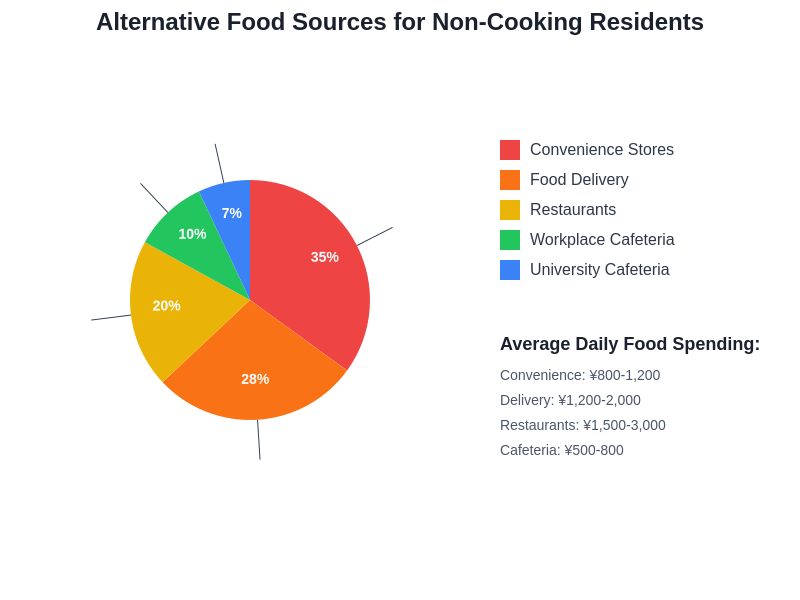
Career pressures and professional obligations often create unpredictable schedules that make meal planning difficult or impossible. How business travel affects long-term community building shows how irregular schedules and travel requirements make maintaining cooking routines impractical for many working professionals.
Financial Calculations and Cost-Benefit Analysis
Contrary to common assumptions about cooking saving money, many residents find that the actual costs associated with sharehouse cooking make alternative food sources more economical. Living costs in Tokyo sharehouses explained breaks down how hidden costs such as ingredient waste, storage limitations, and time investment can make home cooking surprisingly expensive.
The inability to buy ingredients in appropriate quantities for individual consumption leads to significant food waste, particularly for fresh produce and perishables that spoil before they can be consumed. Many residents discover that purchasing single-serving convenience store meals or restaurant options costs less than buying full-size ingredients that partially go to waste.
Equipment and supply costs add unexpected expenses to home cooking, particularly when sharehouses provide inadequate basic supplies such as cooking oil, seasonings, cleaning materials, and storage containers. The accumulation of these supplementary costs often exceeds the price difference between home cooking and commercial food options.
Opportunity cost considerations also influence financial calculations, with many residents determining that the time required for shopping, cooking, and cleaning could be better invested in income-generating activities, skill development, or social relationships that provide greater long-term value than potential food cost savings.
Social Dynamics and Community Implications
Kitchen avoidance patterns significantly impact sharehouse social dynamics and community building opportunities that many residents value more highly than cooking benefits. Making friends through Tokyo sharehouse communities explores how shared cooking experiences often serve as important social bonding activities that non-cooking residents miss entirely.
The division between cooking and non-cooking residents can create social stratification within sharehouses, with those who use kitchen facilities developing closer relationships through shared meal preparation, cleanup coordination, and food sharing opportunities. Non-cooking residents often find themselves excluded from these community-building activities and may feel isolated from house social networks.
However, some residents deliberately choose to avoid cooking specifically to prevent social obligations and conflicts that can arise from shared kitchen usage. The complexity of navigating house politics, cleanup responsibilities, and social expectations around food sharing leads some residents to prefer maintaining social distance through kitchen avoidance rather than risking interpersonal complications.
How to handle roommate conflicts without moving out addresses how kitchen-related disputes often become sources of major house conflicts, making avoidance seem like a reasonable conflict prevention strategy for residents who prioritize peaceful living environments.
Health and Dietary Considerations
Dietary restrictions, allergies, and health conditions create legitimate reasons for some residents to avoid shared kitchen facilities entirely. How food allergies complicate shared cooking demonstrates how cross-contamination risks in shared spaces can pose serious health threats to residents with severe allergies or dietary sensitivities.
Cultural dietary requirements such as halal, kosher, vegetarian, or vegan restrictions become extremely difficult to maintain in shared kitchen environments where contamination from prohibited ingredients is nearly impossible to prevent. Many residents with strict dietary requirements find that commercial food sources offer better control over ingredient compliance than shared cooking facilities.
Mental health considerations also influence cooking avoidance decisions, with some residents finding that kitchen-related social pressures, cleanliness anxieties, or cultural adjustment stress make cooking a source of emotional distress rather than enjoyment or satisfaction. For these residents, avoiding cooking altogether reduces daily stress and supports better mental health outcomes.
Food safety concerns about shared refrigeration, cross-contamination from other residents’ cooking practices, and uncertainty about cleaning standards lead some health-conscious residents to prefer commercial food sources that offer more reliable safety controls and clearer accountability for food handling practices.
Technology and Convenience Culture Integration
The integration of food delivery technology and convenience culture into daily routines has made cooking avoidance not only possible but often more efficient than traditional home cooking approaches. Mobile apps, delivery services, and convenience store innovations provide immediate access to diverse, affordable meal options that eliminate the planning and preparation requirements of home cooking.
How food delivery apps change sharehouse dynamics illustrates how technology has fundamentally altered the cost-benefit analysis of cooking by providing convenient alternatives that often cost less than the true expenses associated with home meal preparation in shared living environments.
The gamification and optimization of food delivery services appeal to residents who value efficiency and convenience over traditional cooking experiences. Many residents develop sophisticated strategies for rotating between different delivery platforms, utilizing promotions and discounts, and coordinating group orders that provide better value than individual cooking efforts.
Integration with work and study schedules through meal timing optimization becomes easier with delivery services that can accommodate irregular schedules, last-minute changes, and specific dietary requirements without the advance planning that home cooking requires in shared kitchen environments.
Long-term Implications and Adaptation Strategies
The choice to avoid cooking entirely often becomes a permanent lifestyle adaptation rather than a temporary convenience, with residents developing sophisticated non-cooking strategies that meet their nutritional, social, and financial needs without requiring kitchen engagement. These adaptations can influence future housing choices and lifestyle preferences long after sharehouse living ends.
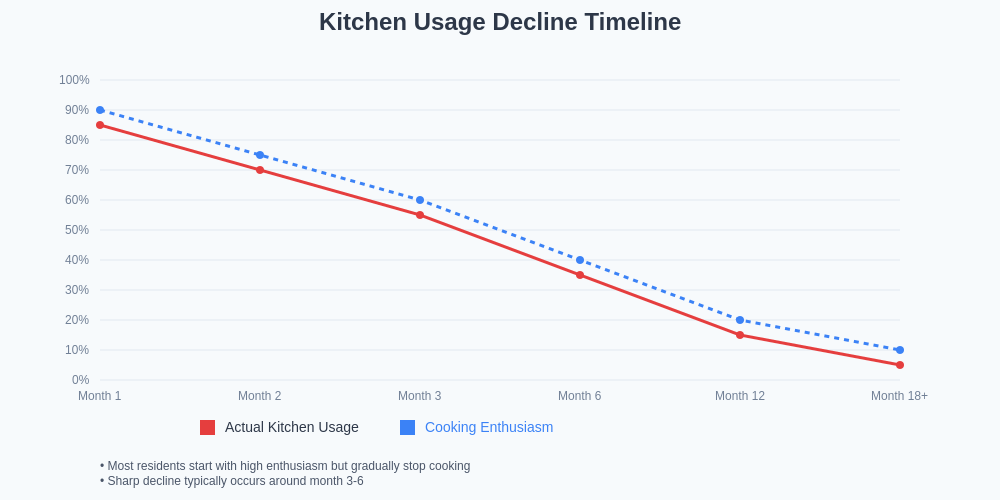
This timeline illustrates how cooking enthusiasm and actual kitchen usage typically decline over time, with most residents showing significant drops in cooking frequency after the initial adjustment period.
Career development and skill acquisition may actually benefit from cooking avoidance when the time saved is invested in professional development, language learning, or social activities that provide greater long-term value than culinary skills. Many residents find that optimizing their food acquisition strategies allows for more focus on career advancement and personal growth objectives.
However, complete cooking avoidance can limit cultural integration opportunities and language practice that occur through grocery shopping, ingredient selection, and food preparation activities. How to find the perfect sharehouse in Tokyo discusses how residents should consider their cooking preferences when selecting sharehouses to ensure alignment between lifestyle choices and community expectations.
Some residents develop hybrid approaches that involve occasional cooking for special occasions or social events while maintaining daily reliance on commercial food sources. This balanced strategy allows for community participation when desired while avoiding the daily stresses and complications associated with regular shared kitchen usage.
The phenomenon of cooking avoidance in sharehouses reflects broader changes in urban living patterns, work-life balance priorities, and cultural integration strategies that extend far beyond simple meal preparation decisions. Understanding these complex motivations helps both residents and sharehouse operators create more realistic expectations and supportive environments that accommodate diverse lifestyle preferences while maintaining community cohesion and satisfaction for all residents regardless of their cooking choices.
Disclaimer
This article is for informational purposes only and reflects observations about sharehouse living patterns in Tokyo. Individual experiences may vary significantly based on specific sharehouse policies, resident communities, and personal circumstances. Readers should consider their own dietary needs, cultural preferences, and lifestyle requirements when making decisions about cooking and meal preparation in shared living environments.