
The transformation that occurs within individuals living in Tokyo sharehouses represents one of the most profound and unexpected benefits of this housing arrangement. While many residents initially choose sharehouses purely for economic reasons or convenience, they often discover that the experience fundamentally alters their worldview, challenging preconceived notions and expanding their understanding of human diversity in ways they never anticipated.
Living alongside people from vastly different cultural backgrounds creates an environment where personal growth becomes inevitable. The daily interactions, shared experiences, and constant exposure to alternative perspectives gradually break down mental barriers that most individuals didn’t even realize they possessed. This process of opening one’s mind occurs not through forced education or deliberate effort, but through the natural osmosis of human connection and shared living experiences.
The Catalyst of Unexpected Encounters
The sharehouse environment creates countless opportunities for spontaneous interactions that would never occur in traditional living arrangements. When residents from countries as diverse as Brazil, Germany, South Korea, and Nigeria find themselves sharing kitchen space during morning coffee preparation, conversations naturally evolve beyond superficial pleasantries to deeper discussions about life philosophy, family values, and cultural practices.
Making friends through Tokyo sharehouse communities demonstrates how these seemingly mundane daily interactions accumulate into profound personal transformations. The key lies in the unguarded nature of these encounters, where people interact as individuals rather than representatives of their respective cultures, allowing authentic connections to form.
The immediacy and intimacy of shared living spaces strip away the formal barriers that typically exist in workplace or academic environments. When someone witnesses their housemate’s midnight study sessions, morning exercise routines, or cooking experiments, they gain insights into different approaches to life management, personal discipline, and stress handling that textbooks could never convey.
These encounters become particularly transformative when they challenge fundamental assumptions about how life should be lived. A resident who believed that success required constant work might observe a housemate who prioritizes leisure and family time yet maintains professional achievement, leading to revelations about work-life balance that reshape their entire life approach.
Breaking Down Stereotypes Through Daily Reality
The power of sharehouse living lies in its ability to demolish stereotypes through sustained exposure to individual complexity. Living with Japanese roommates in Tokyo sharehouses illustrates how preconceived notions about cultural characteristics quickly crumble when faced with the reality of individual personalities and behaviors.
Stereotypes thrive in environments where people remain abstract concepts rather than concrete individuals with whom one shares daily experiences. However, when a resident discovers that their supposedly reserved Japanese housemate is actually hilarious after a few drinks, or that their American roommate is incredibly considerate about noise levels despite cultural assumptions about American loudness, these revelations create cognitive dissonance that forces mental flexibility.
The process occurs gradually and subtly, often without residents consciously recognizing the shift in their thinking patterns. Someone who initially felt uncomfortable around certain nationalities due to media portrayals or cultural messaging slowly finds themselves defending those same groups when encountering prejudice from friends or family members outside the sharehouse environment.
This transformation extends beyond cultural stereotypes to encompass broader assumptions about lifestyle choices, career priorities, relationship approaches, and personal values. Residents frequently discover that their own way of living represents just one valid approach among many equally legitimate alternatives, fostering humility and curiosity about different life paths.
The Role of Conflict Resolution in Perspective Expansion
Conflicts in sharehouse environments, while initially stressful, often serve as powerful catalysts for developing open-mindedness and cultural competency. How to handle roommate conflicts without moving out explores how these challenging situations force residents to develop sophisticated communication and empathy skills.
When disagreements arise over issues such as cleanliness standards, noise levels, or social boundaries, residents must navigate these challenges while maintaining living harmony. This necessity drives individuals to seek understanding of different perspectives rather than simply imposing their own standards or expectations on others.
The resolution process requires residents to examine their own assumptions about normal behavior, appropriate responses, and reasonable expectations. Someone who initially feels frustrated by a housemate’s different approach to kitchen cleanliness may gradually recognize that their own standards reflect cultural conditioning rather than universal truth, leading to greater flexibility and understanding.
These conflict resolution experiences teach valuable lessons about cultural relativism, communication styles, and the importance of finding middle ground rather than insisting on absolute positions. Residents develop skills in perspective-taking, compromise, and creative problem-solving that extend far beyond their housing situation into all areas of their lives.
Language Barriers as Bridges to Understanding
Counterintuitively, language barriers often facilitate deeper understanding and open-mindedness rather than hindering communication. When residents must rely on gestures, shared activities, and creative communication methods to interact with housemates who speak different languages, they develop heightened awareness of non-verbal communication and cultural nuances.
English-speaking sharehouses in Tokyo for foreigners highlights how mixed-language environments create opportunities for residents to experience communication challenges that build empathy and patience. The effort required to understand and be understood by others creates bonds that transcend linguistic differences.
These communication challenges force residents to slow down, listen more carefully, and approach interactions with greater intentionality and compassion. The shared struggle of navigating language barriers often creates solidarity among residents from different backgrounds, as everyone experiences the vulnerability of imperfect communication at various times.
The process of learning to communicate effectively across language barriers develops cognitive flexibility and cultural sensitivity that proves invaluable in professional and personal relationships throughout residents’ lives. Many former sharehouse residents report that their improved ability to work with international colleagues or navigate cross-cultural relationships stems directly from their sharehouse communication experiences.
Exposure to Alternative Problem-Solving Approaches
Living with individuals from diverse educational backgrounds, professional experiences, and cultural traditions exposes residents to dramatically different approaches to problem-solving and decision-making. How conflict resolution styles differ by culture demonstrates how these varied approaches expand residents’ mental toolkits for addressing life challenges.
When faced with common sharehouse issues such as scheduling conflicts, budget management, or maintenance problems, residents observe multiple valid approaches to finding solutions. Someone accustomed to direct confrontation might learn the value of indirect communication from East Asian housemates, while others discover the efficiency of systematic German-style planning methods.
These experiences teach residents that their default problem-solving strategies represent just one option among many potentially effective approaches. This realization creates intellectual humility and curiosity about alternative methods, making individuals more adaptable and creative in their personal and professional lives.
The exposure to different thinking patterns also enhances cognitive flexibility and reduces rigid thinking that can limit personal growth and professional advancement. Residents develop appreciation for diverse perspectives and learn to synthesize different approaches into more comprehensive and effective solutions.
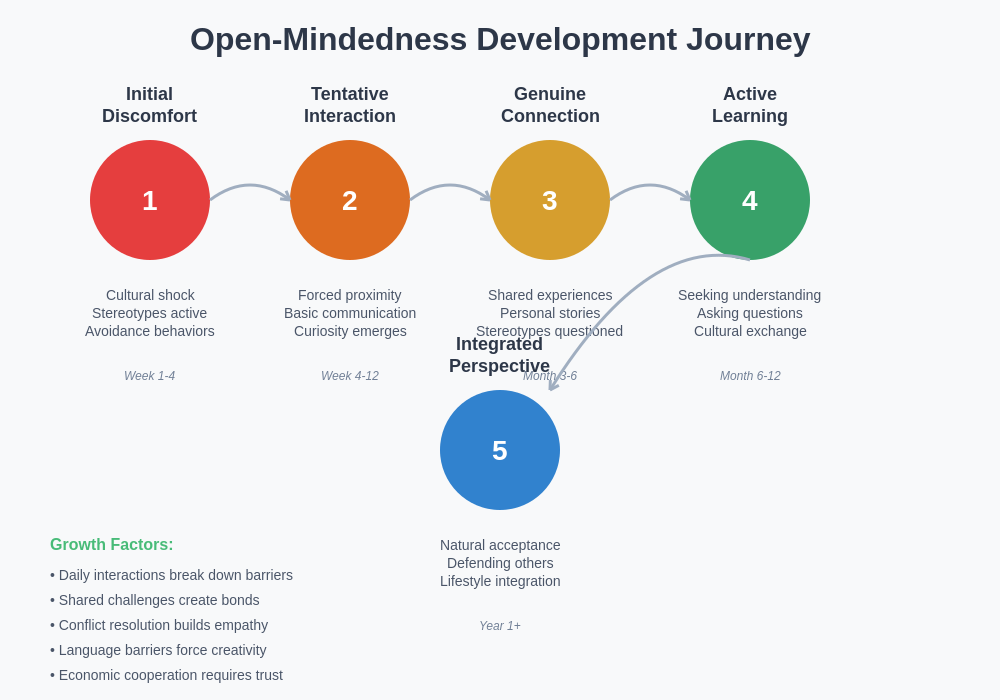
Shared Vulnerability and Emotional Growth
The experience of navigating life challenges in a foreign country while living with strangers creates shared vulnerability that breaks down emotional barriers and promotes open-mindedness. Dating while living in Tokyo sharehouses explores how residents support each other through various life transitions and emotional challenges.
When housemates witness each other’s struggles with career setbacks, relationship problems, health issues, or family conflicts, they develop deeper empathy and understanding for human complexity. These shared experiences of vulnerability create emotional bonds that transcend cultural differences and foster genuine care for people whose backgrounds initially seemed foreign or incomprehensible.
The emotional support networks that develop in sharehouses often include individuals whom residents might never have befriended under different circumstances. This experience teaches powerful lessons about the universal nature of human emotions and the value of looking beyond surface-level differences to connect with shared humanity.
These emotional connections create lasting changes in how residents approach relationships with people from different backgrounds throughout their lives. Many former sharehouse residents report increased comfort and confidence in forming friendships and professional relationships with people from diverse cultural backgrounds.
Economic Necessity as a Catalyst for Social Growth
The financial motivations that initially draw many residents to sharehouses create conditions that facilitate personal growth and open-mindedness. How to budget realistically for sharehouse living illustrates how economic constraints force residents into situations that challenge their comfort zones and expand their worldviews.
When individuals choose sharehouses primarily for affordability, they often end up living with people they might not have selected based on personal preferences or cultural similarity. This random mixing creates opportunities for connections that would never occur if people only associated with others who shared their backgrounds or interests.
The shared experience of managing limited resources also creates solidarity among residents who might otherwise have little in common. Working together to find cost-effective solutions for household needs, sharing resources, and supporting each other through financial challenges builds relationships based on mutual dependence and cooperation rather than superficial compatibility.
These experiences teach valuable lessons about finding common ground with people who initially seem different or incompatible. Residents learn that shared circumstances can create meaningful connections that transcend cultural, linguistic, or social barriers.
The Role of Routine Interactions in Perspective Shift
The mundane aspects of daily life in sharehouses play crucial roles in developing open-mindedness through accumulated micro-interactions that gradually reshape perspectives. Japanese sharehouse rules every foreigner should know demonstrates how navigating daily routines with people from different backgrounds creates countless learning opportunities.
Simple activities such as meal preparation, cleaning schedules, and evening conversations become laboratories for cultural exchange and personal growth. Residents observe different approaches to time management, social interaction, personal hygiene, and leisure activities that expand their understanding of valid lifestyle choices.
These routine interactions lack the intensity or formal structure of cultural education programs, making them particularly effective at creating lasting change. The casual, repeated nature of these encounters allows new perspectives to integrate gradually into residents’ worldviews without triggering defensive reactions or conscious resistance.
Over time, these accumulated experiences create fundamental shifts in how residents perceive human diversity and their place within it. Many former sharehouse residents describe feeling more comfortable with ambiguity, more curious about different perspectives, and more confident in their ability to navigate unfamiliar social situations.
Professional and Academic Benefits of Expanded Perspectives
The open-mindedness developed through sharehouse living translates directly into professional and academic advantages that continue long after residents move to different housing arrangements. Student sharehouses near top Tokyo universities highlights how international living experiences enhance educational and career outcomes.
Employers increasingly value candidates who demonstrate cultural competency, communication flexibility, and ability to work effectively with diverse teams. Former sharehouse residents often possess these skills naturally through their lived experiences, giving them advantages in job interviews and workplace performance evaluations.
The cognitive flexibility developed through navigating cultural differences also enhances creative problem-solving abilities and adaptability in professional environments. Individuals who have learned to synthesize different cultural approaches to challenges often excel at finding innovative solutions in business contexts.
Academic performance also benefits from the expanded perspective and reduced cultural bias that develop through sharehouse living. Students become more effective at analyzing complex global issues, understanding multiple viewpoints, and approaching research questions with appropriate cultural sensitivity.
Long-term Impact on Life Choices and Relationships
The transformation toward open-mindedness that occurs in sharehouses creates lasting effects on residents’ life trajectories, relationship patterns, and decision-making processes. Making friends through Tokyo sharehouse communities explores how these experiences shape future social connections and life choices.
Many former residents report that their sharehouse experiences fundamentally altered their preferences for romantic partners, career paths, travel destinations, and social circles. The exposure to diverse perspectives creates comfort with complexity and appreciation for difference that influences major life decisions years later.
Relationships formed during sharehouse living often become lifelong connections that span continents and decades. These international friendship networks provide ongoing opportunities for cultural learning and personal growth throughout residents’ lives, creating ripple effects that extend far beyond the initial housing arrangement.
The confidence and skills developed through successful navigation of cultural differences also empower former residents to pursue opportunities such as international career assignments, cross-cultural relationships, or global travel that might have seemed intimidating before their sharehouse experiences.
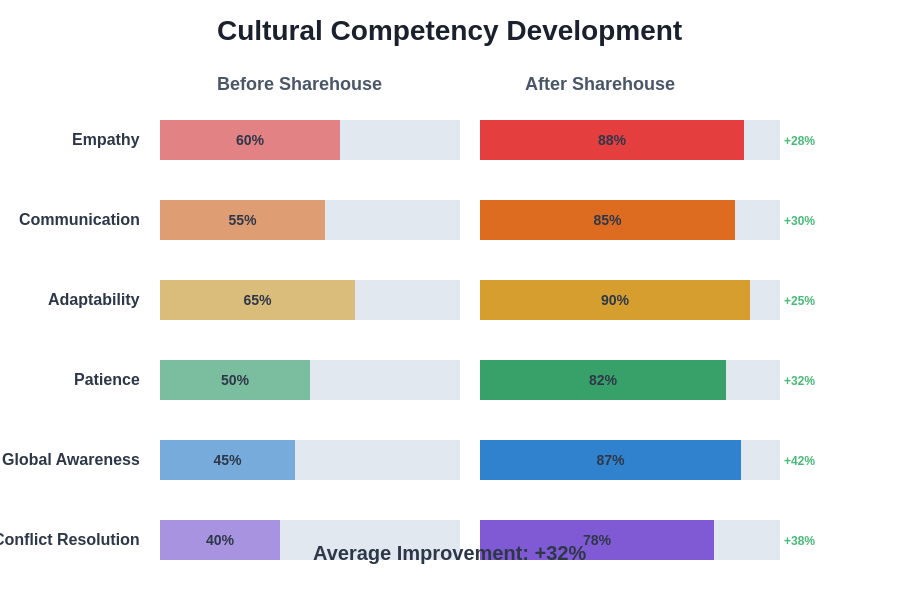
Psychological Mechanisms Behind Transformation
The psychological processes that drive open-mindedness development in sharehouses operate through well-established mechanisms of attitude change and cognitive development. Extended contact with diverse individuals under conditions of equal status and shared goals creates optimal conditions for reducing prejudice and expanding perspective.
The intimacy of shared living spaces accelerates these processes by creating opportunities for meaningful personal disclosure and mutual vulnerability. When residents share personal stories, cultural backgrounds, and life aspirations, they humanize each other in ways that make stereotyping and prejudice psychologically difficult to maintain.
Cognitive dissonance theory explains how residents’ direct experiences with housemates often contradict their preexisting beliefs about different cultural groups, creating mental tension that resolves through attitude change rather than experience denial. The cumulative effect of multiple dissonance-inducing experiences creates substantial shifts in worldview.
Social learning theory also applies as residents observe and model successful intercultural interactions, developing skills and attitudes through observation and practice rather than formal instruction. The natural reinforcement of positive interactions encourages continued openness and cultural exploration.
The residential nature of sharehouse living creates sustained exposure that allows for gradual attitude change through the mere exposure effect, where increased familiarity with diversity leads to greater acceptance and appreciation over time. This process occurs automatically without conscious effort or intention.
Understanding these psychological mechanisms helps explain why sharehouse living proves more effective at developing open-mindedness than many formal diversity training programs or educational initiatives. The authentic, sustained, equal-status contact creates optimal conditions for genuine attitude change rather than superficial compliance.
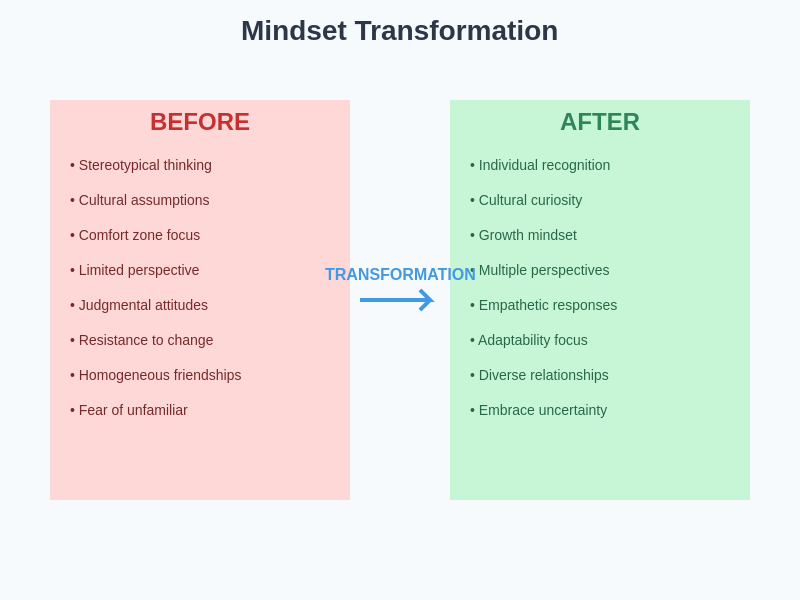
Living in Tokyo sharehouses provides a unique opportunity for personal transformation that extends far beyond simple cultural exposure. The combination of shared vulnerability, daily interaction, conflict resolution, and collaborative problem-solving creates conditions that naturally foster open-mindedness and global perspective. For many residents, this experience represents a turning point that influences their relationships, career choices, and worldview for decades to come.
Disclaimer
This article is for informational purposes only and reflects general observations about sharehouse living experiences. Individual results may vary based on personal circumstances, house dynamics, and cultural backgrounds. The development of open-mindedness depends on various factors including personal willingness to engage, duration of residence, and specific house community characteristics. Readers should approach sharehouse living with realistic expectations and understand that positive outcomes require active participation and mutual respect among residents.