
Living in a Tokyo sharehouse creates an extraordinary environment where residents frequently discover talents and abilities they never knew they possessed. The unique combination of diverse cultural backgrounds, shared living spaces, and collaborative opportunities provides an ideal setting for personal exploration and creative awakening that would be nearly impossible to replicate in traditional living arrangements. This phenomenon occurs so consistently across different sharehouses that it represents one of the most profound and unexpected benefits of communal living in Japan’s capital city.
The discovery of hidden talents in sharehouse environments stems from a complex interplay of social dynamics, cultural exchange, and the necessity of adapting to new living situations that challenge residents to explore aspects of themselves that may have remained dormant in their previous environments. Understanding why this happens so frequently can help prospective residents appreciate the full potential of their sharehouse experience beyond simple accommodation needs.
The Psychology of Environmental Influence on Talent Discovery
Sharehouse environments fundamentally alter the psychological conditions that typically constrain personal exploration and creative expression. The removal of familiar social pressures and expectations that residents carried in their home countries creates a unique psychological space where experimentation with new activities and interests becomes not only possible but naturally encouraged through daily interactions with diverse housemates.
The phenomenon of environmental psychology explains how physical and social surroundings directly influence behavior, creativity, and willingness to try new activities. Making friends through Tokyo sharehouse communities demonstrates how supportive social networks naturally emerge in these environments, providing the psychological safety necessary for residents to venture beyond their comfort zones and explore previously unconsidered talents.
Living away from established social circles and family expectations removes many of the unconscious barriers that prevent adults from pursuing creative or unusual interests. The anonymity of being in a foreign country, combined with the acceptance typically found in international communities, creates conditions where residents feel free to experiment without judgment or concern about maintaining established personas or meeting others’ expectations about their capabilities.
The neuroplasticity research demonstrates that adults retain significant capacity for learning and developing new skills throughout their lives, but this capacity often remains untapped due to routine, social constraints, and lack of stimulating environments. Sharehouses provide the environmental richness and social stimulation necessary to activate dormant neural pathways and encourage exploration of new cognitive and creative territories.
Cultural Exchange as a Catalyst for Creative Discovery
The multicultural nature of Tokyo sharehouses creates an environment where residents are constantly exposed to different approaches to creativity, problem-solving, and self-expression that can trigger recognition of their own latent abilities. Living with Japanese roommates in Tokyo sharehouses highlights how cultural differences in artistic expression, craftsmanship, and leisure activities often inspire residents to explore similar pursuits.
Traditional Japanese arts and crafts, from origami and calligraphy to woodworking and ceramic arts, frequently capture the interest of international residents who discover unexpected aptitude for precise, meditative creative processes. Similarly, residents from various cultural backgrounds introduce their own traditional arts, cooking techniques, musical styles, and crafting methods that inspire housemates to explore entirely new forms of creative expression.
Language barriers often force residents to communicate through alternative methods such as drawing, gesture, music, or collaborative activities, leading to discoveries of artistic or performative abilities that may never have been explored through verbal communication alone. Many residents report developing drawing skills, musical abilities, or dramatic expression capabilities as natural extensions of their efforts to bridge cultural and linguistic gaps with housemates.
The collaborative nature of cultural exchange in sharehouses means that residents often teach each other skills and techniques, creating informal learning environments where talent discovery happens through hands-on experimentation rather than formal instruction. This peer-to-peer learning model removes many of the intimidation factors associated with traditional skill acquisition and allows for organic development of abilities through supportive social interaction.
Necessity-Driven Skill Development in Shared Living
The practical demands of sharehouse living frequently require residents to develop capabilities they never needed in their previous living situations, leading to surprising discoveries about their problem-solving abilities, mechanical aptitude, or organizational skills. Japanese sharehouse rules every foreigner should know outlines the various responsibilities that residents must navigate, often requiring creative solutions and skill development.
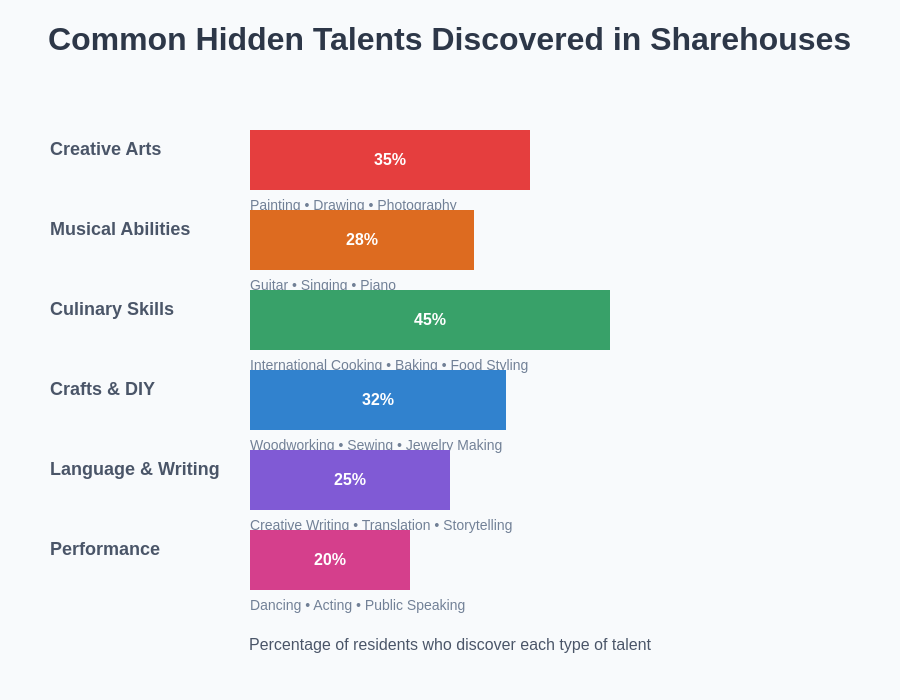
Kitchen sharing arrangements force many residents to develop cooking abilities beyond their previous experience, often leading to discoveries of culinary talents, creativity with ingredients, or abilities to adapt recipes to accommodate diverse dietary requirements and cultural preferences. The social aspect of cooking for and with others provides motivation and feedback that accelerates skill development and reveals previously unknown capabilities.
Maintenance and repair responsibilities in sharehouses often require residents to develop practical skills such as basic electronics repair, furniture assembly, plumbing solutions, or organizational systems that reveal mechanical aptitude or systematic thinking abilities they never previously explored. The collaborative nature of these activities means that residents learn from each other while contributing their own innovative approaches to common problems.
Space optimization challenges in sharehouse living frequently inspire creative solutions that reveal design abilities, spatial reasoning skills, or innovative thinking capabilities that residents may never have recognized in more spacious or conventional living arrangements. The constraints of shared living paradoxically provide the creative pressure necessary to develop resourcefulness and inventive problem-solving approaches.
Social Dynamics That Encourage Talent Exploration
The social structure of sharehouses creates unique dynamics that naturally encourage residents to share their interests, skills, and creative pursuits with others, leading to discoveries of both teaching abilities and previously unknown talents through the process of demonstrating or explaining their interests to curious housemates. Real stories from Tokyo sharehouse residents provides numerous examples of how social interactions lead to unexpected talent discoveries.
Group activities and house events require residents to contribute ideas, organize logistics, or provide entertainment, often revealing leadership abilities, event planning skills, or creative thinking capabilities that may have remained dormant in more individualistic living situations. The collaborative nature of sharehouse social life means that residents regularly discover abilities through volunteer participation in community activities.
The informal mentorship relationships that develop between residents of different backgrounds and experience levels create opportunities for both teaching and learning that frequently reveal unexpected talents in communication, instruction, or specialized knowledge areas. Many residents discover teaching abilities or expertise in subjects they previously considered merely personal interests.
Conflict resolution and mediation situations that naturally arise in communal living often reveal diplomatic skills, emotional intelligence, or communication abilities that residents may never have needed to develop or recognize in their previous living situations. The multicultural environment of sharehouses provides particularly rich opportunities for developing cross-cultural communication and mediation skills.
Creative Spaces and Resource Sharing
The physical environment of sharehouses often includes common areas that are designed or naturally evolve into creative spaces where residents can pursue artistic activities, musical practice, or crafting projects that would be difficult or impossible in individual apartments. How art projects take over common areas explores how these spaces become catalysts for creative discovery.
Shared resources such as musical instruments, art supplies, cooking equipment, or specialized tools provide residents with access to materials they might never have purchased individually, removing financial barriers to experimentation with new creative pursuits and allowing for exploration of interests without significant personal investment or commitment.
The collaborative use of creative spaces often leads to spontaneous teaching moments, skill sharing, or joint projects that introduce residents to techniques, materials, or artistic approaches they would never have encountered independently. Many residents discover talents through casual observation of or participation in others’ creative activities.
Storage limitations and space sharing requirements often force residents to be more intentional about their possessions and activities, leading to focused exploration of specific interests rather than superficial dabbling in multiple areas. This constraint paradoxically leads to deeper skill development and more meaningful talent discovery.
Professional and Career Impact of Talent Discovery
Many residents find that talents discovered through sharehouse living have significant impacts on their professional development and career trajectories, with creative abilities, language skills, or cultural competencies developed in communal living environments opening new career opportunities or enhancing existing professional capabilities. How to handle roommate conflicts without moving out demonstrates how conflict resolution skills developed in sharehouses transfer to professional environments.
The international networking opportunities available through sharehouse connections often provide platforms for residents to develop and showcase newly discovered talents, whether through cultural events, community organizations, or professional collaborations that emerge from sharehouse relationships.
Creative skills developed in sharehouse environments frequently become valuable professional assets, with residents discovering abilities in design, communication, event planning, or creative problem-solving that enhance their career prospects or open entirely new professional pathways they had never previously considered.
The confidence and cultural adaptability developed through sharehouse living often enables residents to pursue professional opportunities that require creativity, flexibility, or intercultural competence, with talents discovered in communal living providing the foundation for career changes or advancement in international business environments.
Long-term Personal Development Through Talent Discovery
The talents discovered in sharehouse environments often become lasting elements of residents’ personal identities and ongoing interests, with many former residents continuing to develop and pursue creative activities, hobbies, or skills long after their sharehouse experience has ended. Living costs in Tokyo sharehouses explained shows how the affordable nature of sharehouse living provides time and resources for personal development.
The social connections formed through shared creative activities in sharehouses often evolve into lasting friendships and collaborative relationships that continue to provide motivation, feedback, and opportunities for ongoing talent development even after residents have moved to independent living arrangements.
The confidence gained through discovering and developing hidden talents in supportive sharehouse environments often translates into greater willingness to explore new challenges and opportunities throughout residents’ lives, creating a pattern of continued personal growth and self-discovery that extends far beyond the sharehouse experience itself.
Many former residents report that the talent discovery process in sharehouses taught them valuable lessons about personal potential, the importance of supportive environments for growth, and the benefits of maintaining openness to new experiences and learning opportunities throughout their adult lives.
Factors That Enhance Talent Discovery Opportunities
Certain sharehouse characteristics and resident approaches significantly increase the likelihood of discovering hidden talents, with diverse resident populations, active common areas, and supportive house cultures providing optimal conditions for creative exploration and skill development. Best Tokyo neighborhoods for sharehouse living identifies areas that attract creative communities.
Houses that actively encourage resident interaction through organized activities, shared meals, or collaborative projects create more opportunities for talent discovery than those where residents primarily use the space for individual activities without significant social interaction or resource sharing.
Residents who approach sharehouse living with openness to new experiences, willingness to participate in group activities, and curiosity about their housemates’ interests are significantly more likely to discover hidden talents than those who maintain more isolated or routine-focused lifestyles within the communal environment.
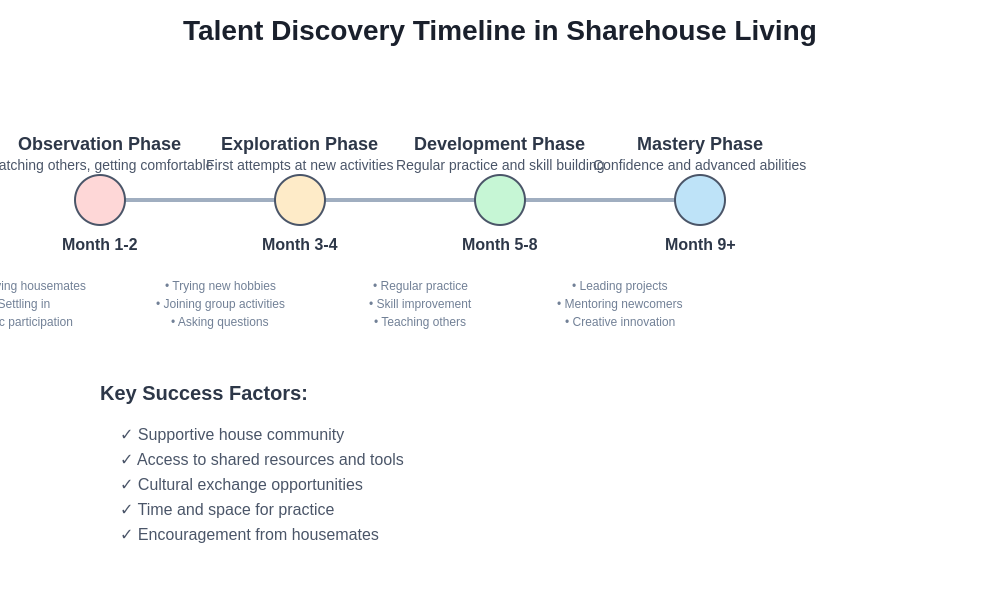
The duration of residence also impacts talent discovery opportunities, with longer-term residents having more time to observe others’ activities, develop trust relationships that enable vulnerable creative exploration, and gradually build skills through repeated practice and social feedback within the supportive community environment.
Overcoming Barriers to Talent Discovery
Despite the favorable conditions for talent discovery in sharehouses, some residents may face barriers such as shyness, perfectionism, or fear of judgment that prevent them from fully engaging with opportunities for creative exploration and skill development. How to find the perfect sharehouse in Tokyo helps residents choose environments that support personal growth.
Cultural differences in attitudes toward adult learning, creative expression, or skill development can create internal barriers for residents from backgrounds where such activities are considered inappropriate for adults or where perfectionism is heavily emphasized over experimental learning and gradual improvement.
Time management challenges related to work, study, or other responsibilities can limit residents’ ability to engage with talent discovery opportunities, requiring intentional scheduling and prioritization of personal development activities within the context of other obligations and commitments.
Financial constraints may limit access to materials, equipment, or instruction necessary for certain types of talent development, though sharehouses often provide partial solutions through resource sharing and collaborative purchasing arrangements among interested residents.
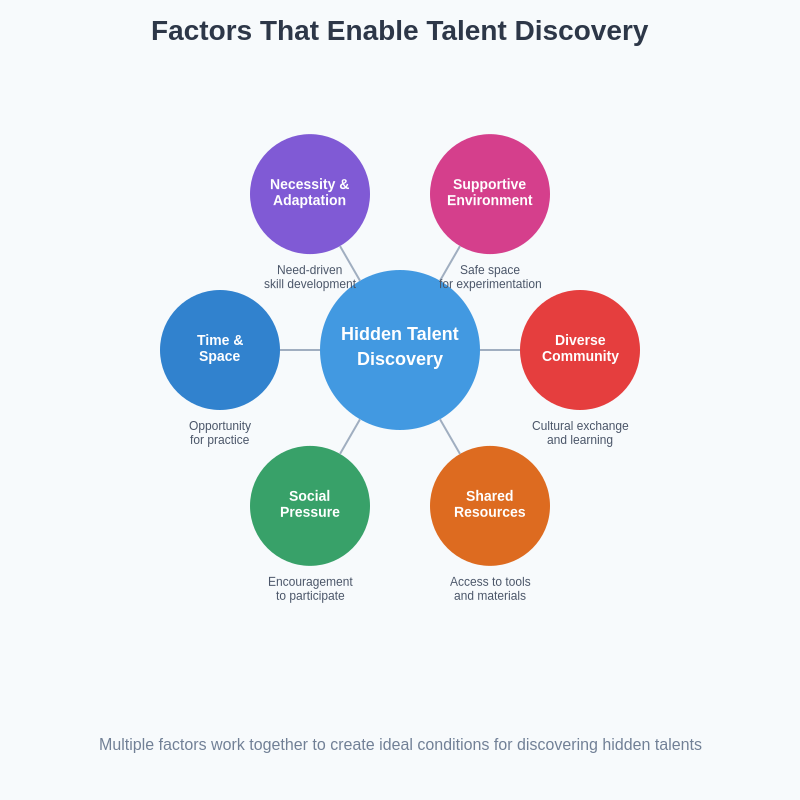
The transformative experience of discovering hidden talents through sharehouse living represents one of the most valuable and lasting benefits of this unique lifestyle choice. The combination of diverse social environments, cultural exchange opportunities, practical challenges, and supportive communities creates ideal conditions for personal growth and creative exploration that continues to impact residents long after their sharehouse experience concludes. Understanding and embracing these opportunities can help residents maximize the personal development potential of their time in Tokyo’s vibrant sharehouse communities.
Disclaimer
This article is for informational purposes only and reflects general observations about sharehouse living experiences. Individual experiences may vary significantly based on personal circumstances, sharehouse environments, and individual approaches to community living. The development of talents and skills depends on many factors including personal motivation, available opportunities, and individual aptitude. Readers should not expect guaranteed outcomes from sharehouse living experiences.